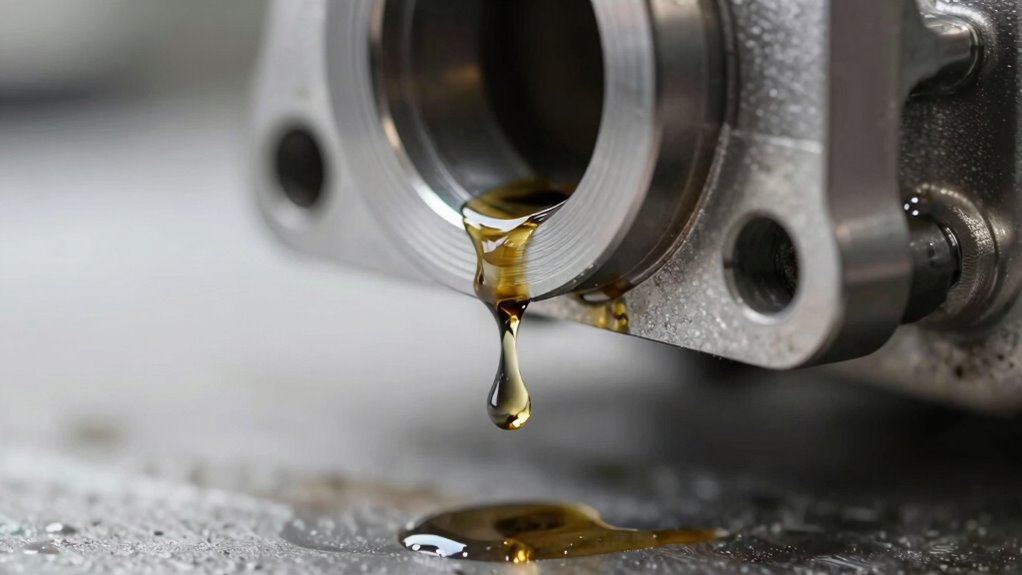

Ignoring small fluid leaks can lead to serious issues like environmental damage, mechanical breakdowns, and safety hazards. Leaks from oil or coolant can contaminate soil and water, harming ecosystems and risking fines. Over time, these leaks cause parts to wear out faster and lead to costly repairs or replacements. They also pose safety risks in hazardous environments. Stay alert—if you keep paying attention, you’ll discover important steps to prevent problems before they escalate.
Listen free for 30 days with Audible
Thousands of audiobooks and originals — cancel anytime.
As an affiliate, we earn on qualifying purchases.
Key Takeaways
- Small leaks can escalate into major mechanical failures, leading to costly repairs and replacements.
- Ignoring leaks harms the environment through soil and water contamination over time.
- Early detection prevents further damage to equipment, extending vehicle and machinery lifespan.
- Fluid leaks pose safety risks, increasing the chance of accidents and hazardous spills.
- Addressing leaks promptly saves money by avoiding higher repair costs and regulatory fines.
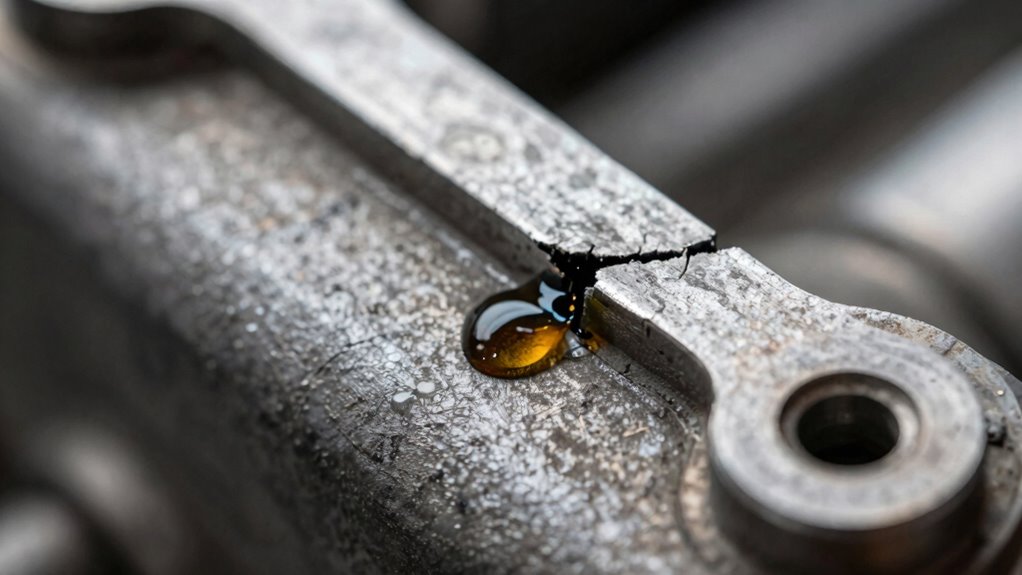
Even small fluid leaks in your vehicle or machinery can seem minor at first, but ignoring them can lead to serious problems down the line. These tiny drips might not seem urgent, but over time, they can cause significant damage both to your equipment and the environment. When fluids like oil, coolant, or transmission fluid leak, they don’t just disappear; they seep onto the ground, contributing to pollution and harming local ecosystems. The environmental impact of these leaks can be substantial, especially if they contaminate soil or water sources. Overlooking such leaks means you’re inadvertently contributing to pollution, which can result in stricter regulations or fines if authorities discover neglect. Additionally, small leaks often indicate underlying issues that, if left unaddressed, can escalate into costly repairs. What begins as a minor drip can turn into a major mechanical failure, forcing you to spend way more money on repairs or even replacing entire components.
The cost implications of neglecting small leaks extend beyond immediate repairs. Over time, these leaks cause parts to wear out faster or corrode due to inadequate lubrication or cooling. This deterioration not only increases repair costs but also shortens the lifespan of your vehicle or machinery. You might find yourself replacing costly parts prematurely or facing unexpected breakdowns that halt your work or daily commute. Furthermore, if a leak causes damage to other systems—like a coolant leak damaging the radiator or hoses—you’re looking at compounded expenses that could have been avoided with simple maintenance. Regular inspection routines can help identify these issues before they become critical. It’s often tempting to overlook a small leak, thinking it’s not worth the trouble, but the long-term financial impact is significant. Recognizing early warning signs of leaks can help prevent these issues from escalating. Additionally, understanding the signs of fluid leaks can empower you to act swiftly and prevent further damage.
Neglecting small leaks can also lead to increased safety hazards, especially in environments where spills can cause accidents or injuries. Proper fluid management is critical for maintaining the health of your equipment and the safety of your environment.
Frequently Asked Questions
Can Small Leaks Lead to Major Engine Damage Over Time?
Yes, small leaks can lead to major engine damage over time. When fluid leaks, it can cause engine corrosion, damaging essential parts. Plus, fluid evaporation makes it harder to notice leaks early, letting issues worsen unnoticed. Over time, these problems can result in overheating, reduced performance, or even engine failure. Addressing leaks promptly keeps your engine running smoothly and prevents costly repairs down the road.
How Can I Identify a Small Fluid Leak Early?
To identify a small fluid leak early, regularly check fluid levels and inspect underneath your vehicle. Look for fluid spots of different colors, such as clear, amber, or dark, which indicate various leaks. Pay attention to specific leak locations like under the engine, radiator, or hoses. Noticing even tiny drips or puddles can help you catch leaks early, preventing serious damage and costly repairs down the line.
Are There Temporary Fixes for Small Leaks?
Yes, there are temporary repairs for small leaks, but don’t let that fool you. These fixes might buy you time, yet they’re no substitute for proper leak prevention. Use sealants or tape carefully—just long enough to prevent worsening damage or safety hazards. Remember, temporary repairs are just that—temporary. You must address the root cause soon, or risk bigger problems lurking just around the corner.
What Are the Safety Risks of Ignoring Small Leaks?
Ignoring small leaks can pose serious safety hazards, as they may worsen over time and cause equipment failure or fires. Leak detection is essential because even tiny leaks can release harmful fumes or create slippery surfaces, increasing accident risks. By addressing leaks early, you prevent potential injuries and costly damage, ensuring a safer environment. Don’t underestimate small issues—they can escalate into major safety hazards if left unchecked.
How Often Should Vehicle Inspections Check for Fluid Leaks?
You should check your vehicle for fluid leaks during every oil change and coolant level check, ideally every 3,000 to 5,000 miles or as recommended by your manufacturer. Regular inspections help catch small leaks early before they turn into costly repairs or safety hazards. Pay attention to any signs of fluid accumulation under your vehicle or changes in fluid levels, and address leaks promptly to keep your vehicle running smoothly and safely.
Conclusion
Don’t brush off small fluid leaks—they’re like tiny warning signs screaming for your attention. Ignoring them can turn a minor issue into a catastrophic disaster faster than you can blink. Think of it as ignoring a tiny crack in a dam; sooner or later, it’ll burst, flooding everything you hold dear. So, when you see that tiny drip, act fast. Your future self will thank you for catching it before it’s too late.
Flea & tick season Picks
flea and tick prevention
As an affiliate, we earn on qualifying purchases.