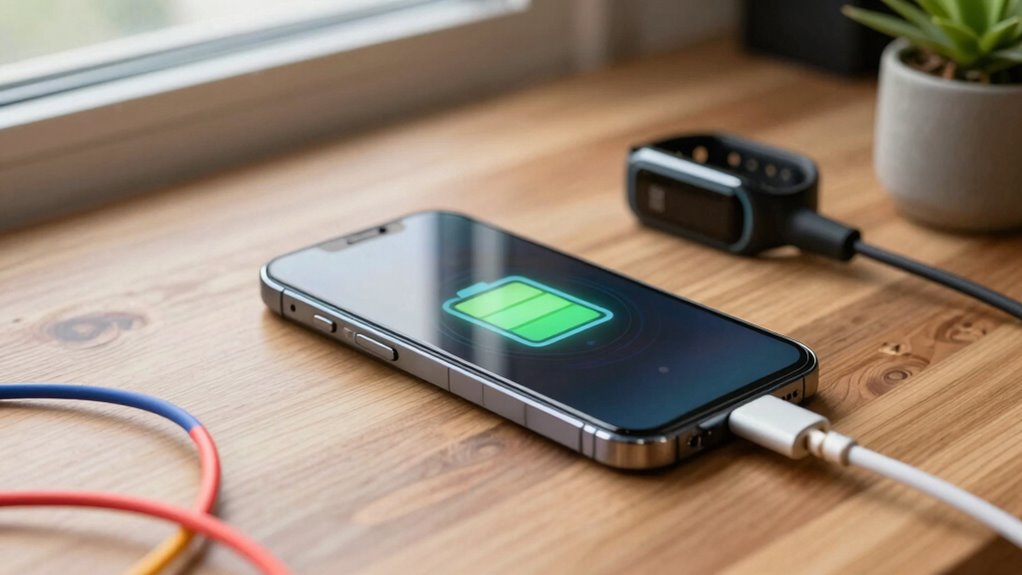

Exercising your battery regularly helps keep it healthy by maintaining capacity and reducing degradation. Frequent, moderate use prevents deep discharges and minimizes wear from extreme temperatures or rapid charging. Avoiding overuse or underuse can extend its lifespan and improve performance over time. Proper exercise patterns guarantee the internal chemistry stays balanced, lowering early failure risk. If you want to find out more about optimizing your battery’s longevity, keep exploring this essential topic.

Get backup power and energy gear delivered free with Prime
- Fast, free delivery on millions of items
- Prime Video, Amazon Music and more included
- Member-only deals all year
Key Takeaways
- Regular, moderate use prevents deep discharges that accelerate battery aging.
- Frequent charging cycles help maintain capacity and reduce the risk of early failure.
- Short trips promote partial charging, preserving battery chemistry and extending lifespan.
- Consistent use enhances the battery’s resilience against temperature fluctuations.
- Avoiding prolonged inactivity prevents capacity loss and preserves overall battery health.

Regularly exercising your batteries can substantially impact their longevity and performance. When you use your device or vehicle frequently, you’re engaging the battery through numerous charging cycles, which are essential for keeping it healthy. Each time you charge and discharge the battery, a charging cycle occurs. Limiting the number of full cycles can help slow down the aging process, as batteries tend to degrade a little more with each cycle. By exercising your battery regularly but not excessively, you help maintain its capacity and reduce the risk of early failure. Avoiding deep discharges and partial charging can extend its lifespan, making sure it stays reliable when you need it most.
Temperature fluctuations are another critical factor in battery health. When your battery is exposed to extreme heat or cold, its internal chemistry can be compromised. High temperatures accelerate chemical reactions inside the battery, leading to faster degradation and capacity loss over time. Conversely, cold temperatures slow down these reactions but can cause temporary performance issues, such as reduced capacity or longer charging times. To keep your battery in prime condition, try to avoid exposing it to drastic temperature swings. When possible, store your device or vehicle in a cool, temperature-controlled environment, especially during periods of non-use. If you live in an area with harsh weather, take extra precautions to shield your battery from the elements, as consistent temperature exposure can considerably shorten its lifespan.
The way you exercise your battery also influences how well it handles temperature fluctuations. For example, frequent short trips that involve partial charges help keep the battery active and prevent it from sitting idle in extreme conditions. If you let your battery sit unused for long stretches, it can suffer from capacity loss due to self-discharge and temperature-related stress. Regular use, combined with mindful charging habits, ensures your battery remains in a more stable state, resilient against temperature-induced wear. Additionally, avoiding rapid charging or discharging can minimize stress on the battery’s internal components, which is especially important when temperatures are less than ideal. Proper battery maintenance practices and understanding thermal management play a crucial role in preserving battery health over time. Implementing effective cooling systems and monitoring battery temperature can further enhance its lifespan and reliability. Maintaining optimal charging voltages and avoiding overvoltage conditions can further enhance battery lifespan and performance.
Frequently Asked Questions
Can Over-Exercising Damage My Device’s Battery?
Yes, over-exercising your device can harm its battery. Constantly draining and recharging the battery may lead to decreased capacity over time. To prevent this, perform regular battery calibration by fully charging and discharging it occasionally, and avoid excessive power cycling. These practices help maintain battery health, ensuring your device functions at its best and extends its lifespan.
Is There an Optimal Exercise Schedule for Battery Longevity?
You should aim for a balanced exercise schedule, typically involving regular but moderate use, to maximize battery longevity. Incorporate battery calibration sessions occasionally, like full charges, to reset the battery’s health indicator. Also, keep your device’s software updated, as updates often include battery management improvements. This approach helps maintain accurate readings, optimize performance, and prolong your device’s overall battery life.
How Does Exercise Frequency Compare to Charging Habits?
You can’t have your cake and eat it too; balancing exercise frequency and charging habits is key. Regular exercise prevents battery calibration issues, ensuring accurate charge readings, while avoiding excessive charging cycles extends battery lifespan. By exercising moderately and maintaining consistent charging habits, you optimize battery health. This approach minimizes stress on your battery, helping it perform better over time and reducing the risk of early deterioration.
Does Exercise Impact Battery Temperature Regulation?
Yes, exercise impacts battery temperature regulation by prompting your device’s thermal regulation systems to work harder. Regular activity increases power management demands, which can generate more heat. This heat affects thermal regulation, making it essential to monitor your device during intensive use. Proper exercise routines help maintain ideal battery temperature, preventing overheating and ensuring longevity. Balancing exercise frequency with effective power management keeps your battery healthy and functioning smoothly.
Can Exercise Routines Extend Overall Battery Lifespan?
Absolutely, your consistent exercise routines can help extend your battery lifespan. By regularly performing battery calibration and power cycling, you keep your battery balanced and prevent sluggish performance. These practices reset the battery’s chemistry, optimizing efficiency and longevity. When you exercise your device’s battery, you’re fundamentally strengthening its stamina, ensuring it remains reliable longer and reduces the need for premature replacements. Keep moving, keep maintaining, and your battery will thank you.
Conclusion
Remember, regular exercise keeps your battery healthy, just like consistent workouts boost your body’s strength. Maintain a steady routine to prevent deterioration, avoid sudden surges that cause damage, and stay consistent to extend longevity. By balancing activity, you guarantee peak performance, prevent wear, and foster resilience. Just as your body thrives on regular movement, your battery thrives on regular care. Keep moving forward, keep charging steadily, and keep your battery in top shape for the long run.
Columbus Day / Indigenous Peoples' Day Picks
long weekend sales
As an affiliate, we earn on qualifying purchases.