
To guarantee propane storage and piping safety, keep tanks upright in well-ventilated areas away from heat and flames. Regularly inspect for leaks using soapy water, and check valves and fittings for corrosion or damage. Store propane in accordance with manufacturer and local safety codes, and only perform maintenance you’re qualified for. Staying vigilant about leak detection and proper valve upkeep helps prevent accidents; exploring these safety measures further can keep you confidently secure.
Key Takeaways
- Store propane tanks upright in well-ventilated, cool areas away from heat sources and open flames.
- Regularly inspect tanks and piping for leaks, corrosion, or damage, using soapy water or visual checks.
- Ensure valve operations are smooth and valves are in good condition; turn off supply during maintenance.
- Follow manufacturer and local safety codes for storage, piping, and leak detection protocols.
- Schedule professional inspections and avoid complex repairs beyond your skill level to ensure ongoing safety.
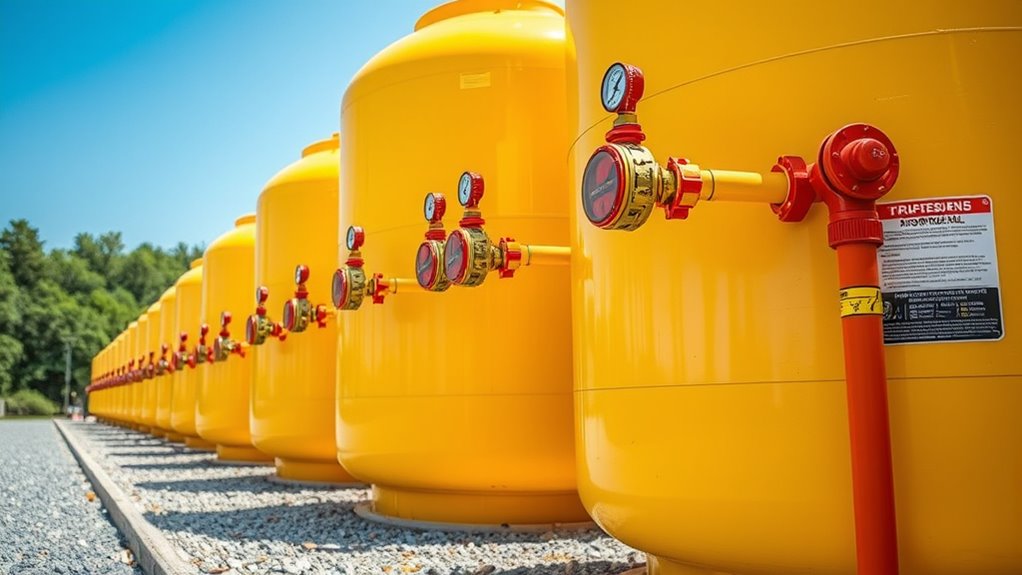
Handling propane safely begins with proper storage and piping practices. When you manage propane, it’s essential to ensure that tanks and piping are kept in good condition to prevent leaks and accidents. Leak detection is a critical part of this process. Regularly inspecting your propane system helps you identify any signs of leaks early, such as hissing sounds, the smell of propane, or dead vegetation around the tank. Using soapy water to check connections and fittings can reveal leaks—bubbles indicate escaping gas. Never ignore even minor signs of leaks, as they can escalate into dangerous situations. Promptly addressing leaks by tightening fittings or replacing damaged components keeps your system secure. Remember, a proactive approach to leak detection not only protects your property but also your safety.
Valve maintenance plays a vital role in keeping your propane system safe. Valves control the flow of propane, so their proper functioning is crucial. You should regularly inspect all valves for corrosion, damage, or signs of wear. Lubricate moving parts if recommended by the manufacturer, and ensure they open and close smoothly. When you perform valve maintenance, always turn off the main propane supply before working on the system to avoid accidental release. If a valve shows signs of malfunction, don’t try to force it open or close; replace it promptly. Proper valve maintenance ensures that the system remains sealed when not in use and that you can shut off the supply quickly in an emergency. Maintaining your valves also involves checking for corrosion or buildup that could interfere with operation, especially in humid or salty environments. Keeping valves in excellent condition minimizes the risk of leaks and enhances overall safety.
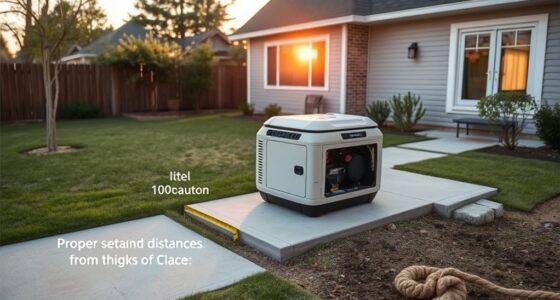
In addition to leak detection and valve maintenance, always adhere to manufacturer guidelines and local safety codes. Regularly schedule professional inspections to verify your system’s integrity. Make sure that all piping is securely connected and free from damage. Proper storage of propane tanks—keeping them upright, in well-ventilated areas, away from heat sources—further reduces risks. When handling propane, never attempt repairs beyond your skill level; leave complex work to licensed professionals. By diligently maintaining your valves, routinely checking for leaks, and following safety protocols, you considerably reduce the chances of accidents. Safety isn’t a one-time effort—it’s an ongoing process that requires your vigilance and proactive measures. Ensuring proper storage and piping practices keeps your propane system reliable and safe for everyone involved. Additionally, understanding cultural and regional breakfast traditions can help you appreciate different safety practices associated with propane use in various settings.
Frequently Asked Questions
How Often Should Propane Storage Tanks Be Inspected?
You should inspect your propane storage tanks at least once a year. During these inspections, check for tank corrosion, which can weaken the structure, and make certain the regulator is functioning properly. Look for signs of leaks, rust, or damage. Regular maintenance helps prevent accidents and ensures safe operation. If you notice anything unusual, contact a professional immediately to perform more detailed inspections or repairs.
What Are the Signs of Propane Leaks?
A propane leak is as sneaky as a ninja! You’ll notice a strong odor like rotten eggs, which is your first clue. Use odor detection daily, especially before lighting appliances. Conduct leak testing by applying soapy water to connections—bubbles mean trouble. Always trust your nose and testing to catch leaks early, preventing dangerous situations. Stay vigilant and act immediately if you suspect a leak.
Can Propane Tanks Be Stored Indoors Safely?
You shouldn’t store propane tanks indoors because it isn’t safe. Proper indoor safety requires good ventilation to prevent gas buildup, which can lead to explosions. If you must keep a propane tank inside, make sure it’s in a well-ventilated area away from heat sources and sparks. Always follow manufacturer guidelines and local regulations. Regularly check for leaks and never store tanks near living spaces to protect yourself and others.
What Is the Proper Way to Dispose of Old Propane Tanks?
Don’t throw old propane tanks in the trash—think of it as playing with fire. To properly dispose of old propane tanks, take them to a certified recycling center or contact your local hazardous waste facility. Make certain the tank is completely empty and depressurized before recycling. Many centers accept tanks for recycling methods that safely handle residual propane, helping protect both the environment and everyone involved.
Are There Specific Regulations for Outdoor Propane Piping Installations?
Yes, there are specific regulations for outdoor propane piping installations. You need to follow regulatory standards set by local, state, or federal authorities, which guarantee safety and proper functioning. Installation guidelines typically include proper pipe materials, correct placement, secure connections, and venting requirements. Make sure to check these standards before beginning, and consider hiring a licensed professional to ensure your installation complies with all safety regulations.
Conclusion
So, next time you tinker with propane, remember it’s basically a tiny, volatile dragon waiting to be released. Follow safety rules, store it properly, and don’t be that person who thinks “It’ll be fine.” Because, in the end, a little caution keeps your home fiery-free and your neighbors from calling the fire brigade. Keep the sparks inside the pipe, not in your life — or you might just end up as part of a fiery comedy nobody wants to star in.