
TL;DR

Get backup power and energy gear delivered free with Prime
- Fast, free delivery on millions of items
- Prime Video, Amazon Music and more included
- Member-only deals all year
Search interest in ‘Cut & cobble above existing ceiling’ is rising, suggesting increased attention to DIY or renovation methods. The exact context and purpose of this technique are unclear, and further details are pending.
Search interest in the phrase ‘Cut & cobble above existing ceiling’ has surged recently, indicating a growing curiosity or practice related to home renovation or DIY projects involving ceiling modifications. However, the exact nature of this technique, its purpose, and its safety implications are not yet confirmed by authoritative sources.
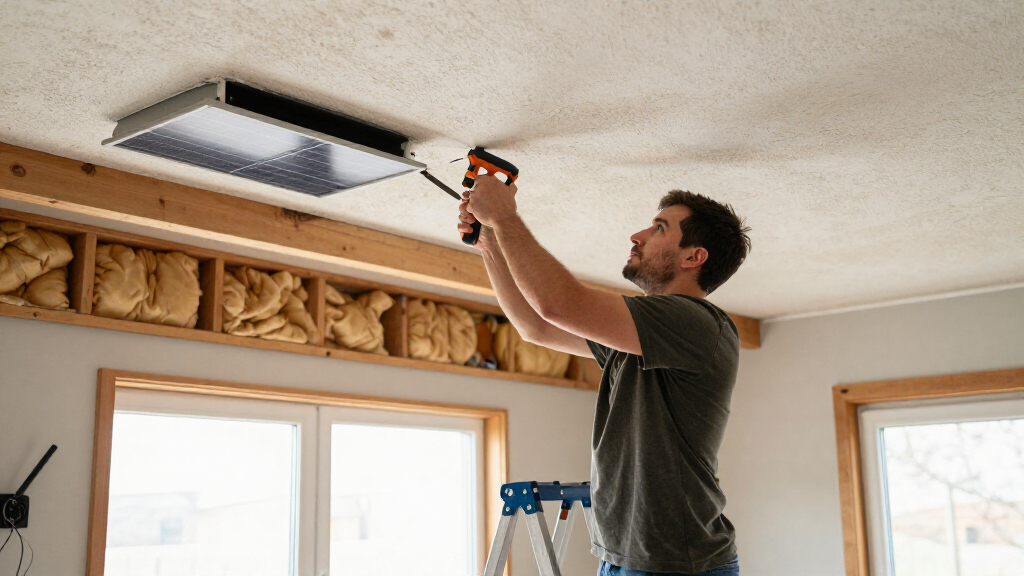
The trend appears to be driven by online searches and discussions, with homeowners and DIY enthusiasts exploring methods to modify or install above existing ceilings. The phrase suggests a technique involving cutting into or modifying space above the current ceiling line, possibly to install new wiring, insulation, or fixtures without removing the entire ceiling structure.
There is no official guidance or standard procedure publicly available that explicitly describes ‘cut & cobble’ in this context. Industry experts and contractors have not yet issued formal statements or safety advisories about this specific method, and its legitimacy or safety remains unverified.
It is important to note that performing modifications above existing ceilings can pose safety risks, including structural damage, electrical hazards, and code violations, especially if not conducted by licensed professionals. Consumers are advised to exercise caution and consult qualified contractors before attempting such techniques.
Potential Impact on DIY Home Renovation Trends
The rising interest in ‘cut & cobble above existing ceiling’ reflects a broader trend of DIY home improvements and cost-saving renovation techniques. If validated, this method could influence how homeowners approach ceiling modifications, potentially enabling simpler or less invasive upgrades. However, without official validation, it also raises concerns about safety, building code compliance, and long-term durability of such modifications.
Understanding whether this practice is effective and safe could impact consumer behavior, contractor practices, and industry standards. It also highlights a need for clearer guidance and education to prevent unsafe attempts that could lead to property damage or personal injury.
Products Worth Considering

Levoit Vital 100 Air Purifier for Home Bedroom

Dyson V8 Cyclone Cordless Vacuum

Bose Lifestyle Ultra Wireless Home Speaker
As an affiliate, we earn on qualifying purchases.
Unverified Trend in DIY Ceiling Modification Techniques
The phrase ‘cut & cobble above existing ceiling’ has recently gained attention in online forums, social media, and DIY communities, with a spike in search interest observed over the past few weeks. The trend appears to originate from homeowners seeking quick, inexpensive solutions to modify or upgrade ceiling spaces without full demolition or extensive remodeling.
Historically, ceiling modifications involve careful planning, structural assessments, and adherence to building codes. The current surge suggests a possible shift toward more informal, potentially risky methods that may bypass traditional procedures. The lack of official guidance or industry consensus on this specific technique indicates it is still in an experimental or anecdotal phase.
Experts caution that unverified methods like ‘cut & cobble’ could lead to safety hazards, especially if they involve cutting into load-bearing structures or electrical systems. The trend’s popularity may be driven by online tutorials, anecdotal reports, or a desire for quick fixes, but the safety and legality of such approaches are not established.
Unconfirmed Safety and Effectiveness of the Technique
It is not yet clear whether ‘cut & cobble above existing ceiling’ is a safe, effective, or approved method. There are no official guidelines or industry standards confirming its legitimacy. The safety implications, long-term durability, and compliance with building codes remain unverified.
Further investigation is needed to determine if practitioners are successfully implementing this technique or if it poses significant risks to property and safety.
Monitoring Industry Guidance and DIY Community Feedback
Experts and industry organizations may issue advisories or guidelines as more information about this trend emerges. Meanwhile, DIY forums and social media channels will likely continue discussions, with users sharing experiences and cautionary advice. Regulatory authorities could investigate safety concerns if the trend gains widespread adoption.
Homeowners considering similar modifications should consult licensed professionals and adhere to local building codes. Further updates on safety assessments or official endorsements are expected in the coming months.
Key Questions
What exactly does ‘cut & cobble above existing ceiling’ involve?
The phrase suggests a DIY or construction technique involving cutting into the space above an existing ceiling and making modifications, possibly to install wiring, insulation, or fixtures without removing the entire ceiling. Specific procedures are not yet documented or standardized.
Is this technique safe to try on my own?
There are no verified safety assessments or official guidelines confirming this method’s safety. Attempting such modifications without professional expertise could pose risks, including structural damage, electrical hazards, and code violations. Consult licensed contractors before proceeding.
Why is there a sudden interest in this technique?
The spike in online searches and discussions suggests homeowners are seeking quick, cost-effective ways to upgrade or modify ceilings. The trend may be driven by DIY communities sharing tips or experimenting with unconventional methods.
Could this trend lead to building code violations?
Yes, if the modifications do not comply with local building codes or safety standards, they could result in violations. It is essential to follow regulations and seek professional advice to ensure safety and legality.
What should I do if I want to try modifying my ceiling?
Always consult licensed professionals and adhere to local building codes. Avoid unverified DIY methods that could compromise safety or structural integrity. Proper planning and expert guidance are crucial for safe renovations.
Source: rss