
This guide helps you recognize sources of carbon monoxide and exhaust hazards, understand symptoms of poisoning, and properly use safety equipment like CO detectors and respirators. It covers safe ventilation practices during maintenance and how to interpret gas readings and labels. Knowing these essentials will help you prevent accidents and respond effectively if exposure occurs. If you want to stay safe around exhaust systems, continuing further will give you practical tips to protect yourself.
Key Takeaways
- Clearly define common CO and exhaust hazard terms, symptoms, and safety procedures for quick reference.
- Include visual symbols, labels, and color codes to aid rapid hazard recognition and response.
- Emphasize proper ventilation, detection device use, calibration, and maintenance protocols.
- Outline emergency response steps for CO poisoning, including symptom recognition and immediate actions.
- Provide guidance on interpreting gas data, emission sources, and effective safety equipment handling.
Understanding Carbon Monoxide (CO) and Its Sources

Have you ever wondered where carbon monoxide (CO) comes from and why it’s so dangerous? It mainly originates from vehicle emissions, which are produced during combustion processes in engines. When engines burn fuel, they release gases, including CO, into the air. The amount of CO generated depends on combustion efficiency—if combustion isn’t complete, more CO is produced. Poor combustion efficiency happens when engines run poorly or are poorly maintained, increasing CO emissions. This colorless, odorless gas can accumulate in enclosed spaces, posing serious health risks. Understanding these sources helps you recognize the importance of proper vehicle maintenance and adequate ventilation. Keeping engines in good shape and ensuring efficient combustion can considerably reduce CO emissions and protect your safety. Additionally, engine maintenance plays a crucial role in minimizing CO production by ensuring optimal combustion conditions.
Recognizing Symptoms of CO Poisoning
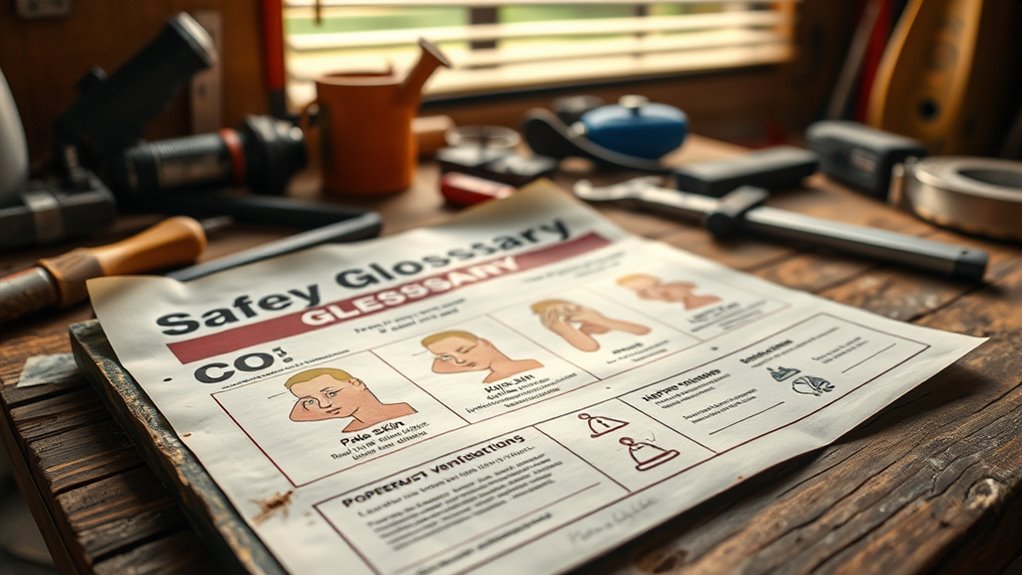
You need to be alert for signs of CO poisoning, like headache, dizziness, or nausea. Recognizing early warning signs can help you act quickly before symptoms worsen. If symptoms appear indoors, it’s time to seek help immediately. Additionally, understanding Honda Tuning techniques can help improve vehicle safety and performance to prevent issues that may cause exhaust leaks or carbon monoxide buildup.
Common Symptoms to Watch
Recognizing the symptoms of carbon monoxide (CO) poisoning is essential for ensuring safety in environments where CO may be present. Being alert to common symptoms helps with symptom awareness and health monitoring. You might notice headaches, dizziness, or nausea—early signs that shouldn’t be ignored.
| Symptom | Description |
|---|---|
| Headaches | Persistent, dull, or throbbing pain |
| Dizziness | Feeling faint or unsteady |
| Nausea | Queasiness or upset stomach |
If you experience these symptoms, especially in enclosed spaces, it’s imperative to seek fresh air and medical help immediately. Recognizing these signs quickly can prevent serious health risks and keep you safe. Additionally, understanding city dynamics can help you better navigate safety protocols and health resources in urban environments.
Early Warning Signs
Early warning signs of CO poisoning can appear suddenly and should never be ignored. Recognizing these symptoms early is vital for early detection and preventing serious harm. As symptoms escalate, your body’s response can become more intense and confusing. Pay close attention to:
- Sudden headaches or dizziness that catch you off guard
- Nausea, weakness, or confusion developing quickly
- Shortness of breath or chest tightness without obvious cause
These signs often occur together and can worsen rapidly if exposure continues. By identifying these early symptoms, you can act swiftly to remove yourself from the source of carbon monoxide. Proper detection methods are essential for confirming exposure and preventing further health issues. Early detection allows you to prevent symptom escalation, which can lead to more severe health issues if ignored. Stay alert and trust your instincts when symptoms appear unexpectedly.
When to Seek Help
When symptoms of CO poisoning appear, responding promptly can make all the difference in preventing serious health consequences. If you notice headache, dizziness, nausea, or confusion, don’t delay—seek urgent medical assistance immediately. CO levels can escalate quickly, and delaying help can lead to coma or death. Recognize that these symptoms are signs of a dangerous exposure, and professional consultation is essential. If you suspect CO poisoning, get to fresh air right away and call emergency services. Do not try to diagnose or treat yourself; trained medical personnel will provide the necessary care. Remember, timely action is critical. The faster you seek help, the better your chances of avoiding long-term health effects. Always prioritize safety and act swiftly when CO poisoning symptoms are present. Recognizing symptoms is a crucial step in ensuring prompt treatment and minimizing health risks.
Proper Use and Calibration of CO Detectors

To guarantee your carbon monoxide detectors provide accurate readings, it’s crucial to understand their proper use and calibration. First, ensure correct detector placement—install detectors at chest height in sleeping areas and near fuel-burning appliances. Second, prioritize calibration frequency; check and calibrate your detector according to the manufacturer’s instructions, typically once a year or after a suspected false alarm. Third, test your detector regularly by pressing the test button to confirm it’s functioning properly. Remember, proper placement prevents false alarms and ensures early warning, while consistent calibration keeps readings accurate. Additionally, understanding sensor technology can help you select the most reliable detectors for your home. Following these steps safeguards you and your family from CO dangers and guarantees your detector’s reliability when it matters most.
Key Safety Equipment for Exhaust Work

Ensuring your safety during exhaust work requires using the right protective gear and equipment. Proper safety protocols protect you from harmful fumes and physical hazards. Essential safety equipment includes a respirator or mask to filter out dangerous gases, safety goggles to prevent eye irritation, and gloves to shield your skin. Hearing protection is also important if working near noisy engines. Here’s a quick overview:
| Equipment | Purpose |
|---|---|
| Respirator/Mask | Protects against inhaling fumes |
| Safety Goggles | Shields eyes from debris |
| Gloves | Prevents skin contact with chemicals |
| Ear Plugs/Earmuffs | Reduces noise exposure |
| Coveralls | Keeps clothing and skin protected |
Using proper safety protocols and the right gear keeps you safe during exhaust work.
Identifying Common Exhaust System Components
Understanding the main components of an exhaust system is essential for proper maintenance and safety. Recognizing key parts helps you identify issues and prevent dangerous leaks. First, the exhaust pipe channels gases from the engine out of the vehicle or workspace. Second, the muffler system reduces noise and controls emissions, making operation safer and quieter. Third, the catalytic converter (if present) transforms harmful gases into less harmful substances before they exit the system. These components work together to safely direct exhaust gases away from you and the environment. Regular inspection of exhaust system components is critical to ensure all parts are functioning correctly and safely. Always inspect the exhaust pipe for cracks or leaks and ensure the muffler system is securely attached. Proper identification and maintenance of these parts help prevent dangerous exhaust build-up and ensure safe operation.
Safe Ventilation Practices During Maintenance
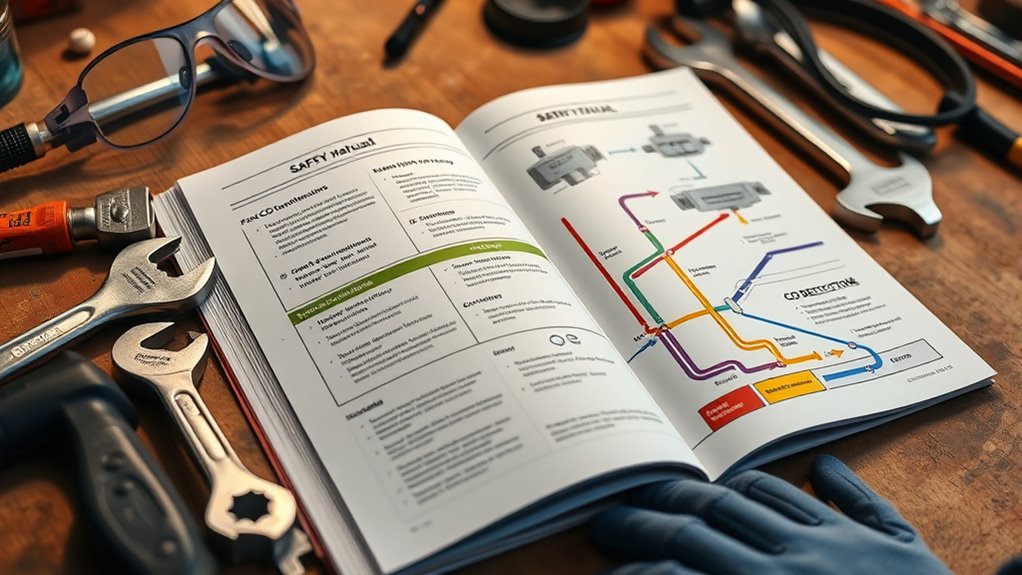
Proper ventilation is essential when performing maintenance on exhaust systems because it helps prevent the buildup of harmful gases. You should focus on a well-designed ventilation system that maximizes airflow and minimizes stagnant air pockets. Start by evaluating your ventilation system design to ensure it effectively extracts fumes and directs fresh air into the workspace. Use fans or exhaust hoods strategically positioned to optimize airflow paths, making sure contaminants are carried away from your breathing zone. Regularly inspect and maintain ventilation equipment to keep airflow consistent and unobstructed. Remember, effective airflow optimization reduces the risk of dangerous gas accumulation, safeguarding your health. Always verify that your ventilation setup is functioning properly before beginning maintenance to ensure a safe working environment. Understanding narcissistic traits in team members can also help identify potential risks to workplace safety and cohesion.
Interpreting Exhaust Gas Readings and Labels

You need to understand how to read exhaust gas composition to guarantee safety. Recognizing label indicators helps you quickly identify potential hazards and proper ventilation needs. Mastering these readings and labels keeps you informed and safe during maintenance work. Staying updated on advancements in AI technology can also improve diagnostic accuracy and safety protocols in automotive diagnostics.
Reading Gas Composition
How can you accurately interpret exhaust gas readings and labels to assess engine health and emissions? First, check the proportions of carbon monoxide (CO) and hydrocarbons; high levels suggest incomplete combustion, impacting fuel efficiency. Second, analyze oxygen (O₂) readings: low O₂ indicates rich fuel mixtures, while high levels point to lean conditions, affecting noise reduction and engine performance. Third, evaluate carbon dioxide (CO₂) levels—higher amounts typically mean complete combustion, promoting fuel economy and smoother operation. By understanding these key indicators, you can quickly identify issues that may compromise emissions standards or engine efficiency. Proper interpretation helps optimize performance, reduce harmful emissions, and maintain quieter, more efficient operation. Accurate gas composition reading is essential for keeping your engine running cleanly and safely.
Recognizing Label Indicators
Interpreting exhaust gas readings relies heavily on understanding the labels and indicators found on testing equipment and emission reports. Label symbols provide quick visual cues about the safety status of exhaust gases, such as high CO levels or dangerous fumes. Recognizing these symbols helps you identify when a safety warning is issued, prompting immediate action. Pay close attention to warning icons, color codes, and numeric values that indicate the severity of exhaust contamination. Safety warnings are often highlighted with specific symbols or bolded text, alerting you to potential hazards. By accurately interpretating these label indicators, you can assess risks swiftly, ensure proper safety measures, and prevent exposure to harmful exhaust gases. Mastering this recognition process is essential for safe, effective emissions monitoring.
Emergency Procedures and Response When Exposure Occurs
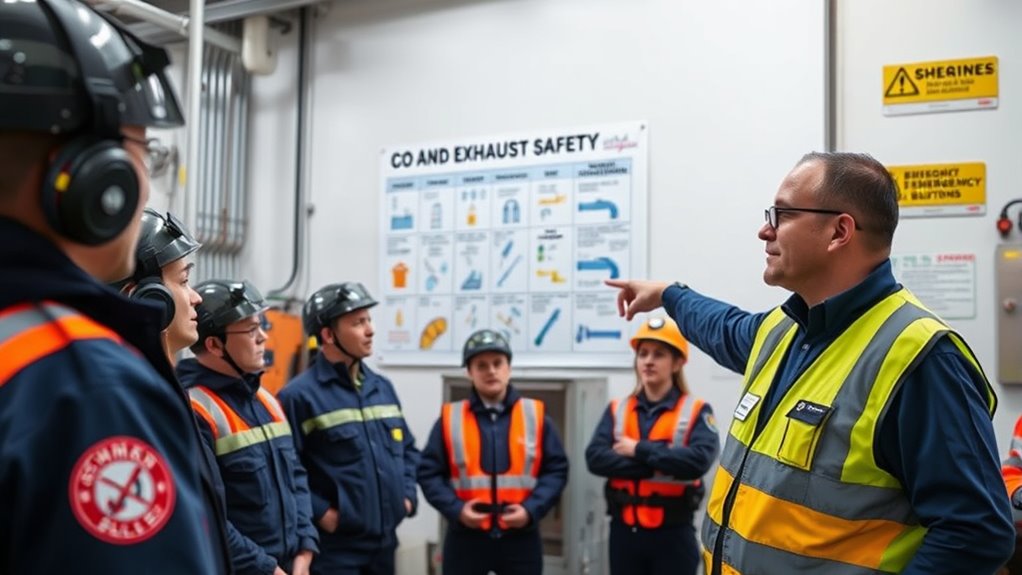
When exposure to CO or exhaust fumes occurs, immediate and decisive action is essential to minimize health risks. First, get to fresh air quickly—move away from the source and ventilate the area. Second, perform first aid if symptoms like dizziness or nausea appear: keep the person calm, monitor breathing, and administer oxygen if available. Third, contact emergency services immediately and inform them of the situation. Keep emergency contacts readily accessible, and don’t delay calling for professional help. Remember, prompt action can prevent serious health consequences. Always have a plan in place before exposure occurs, and guarantee everyone knows how to respond quickly. Staying calm and focused ensures the best outcome in these urgent situations.
Frequently Asked Questions
How Often Should CO Detectors Be Tested for Reliability?
You should test your CO detectors at least once a month to guarantee reliability. Regular CO detector testing is essential for maintaining exhaust safety protocols, as it helps detect any malfunctions early. Keep in mind, replacing batteries twice a year and following manufacturer instructions also boosts safety. Consistent testing and maintenance help protect you from carbon monoxide dangers, ensuring your system works effectively when needed most.
What Training Is Recommended for Safe Exhaust System Maintenance?
You should receive thorough training on safe exhaust system maintenance, focusing on proper ventilation protocols and hazard communication. This training helps you identify potential hazards, guarantee adequate airflow, and communicate risks effectively to your team. Regular hands-on practice and updated safety procedures are essential. Staying informed about ventilation standards and hazard signs ensures you maintain exhaust systems safely, preventing CO buildup and protecting everyone’s health during maintenance activities.
Are There Specific PPE Requirements for Working With Exhaust Fumes?
You should wear respiratory protection, like masks with proper filters, when working with exhaust fumes. Over 2,000 workers suffer from exhaust-related health issues annually, highlighting the importance of PPE. Follow ventilation standards to guarantee fumes are effectively removed from your workspace. Proper PPE and ventilation not only safeguard your health but also comply with safety regulations, so always assess your environment and choose the right respiratory protection.
How Can I Differentiate Between Various Types of Exhaust Leaks?
To differentiate between various exhaust leaks, focus on exhaust leak identification by listening for unusual noises or detecting visible emissions around joints. Use CO leak detection methods, like a gas analyzer, to identify CO leaks, which often indicate exhaust issues. Smell for exhaust fumes or employ a soapy water solution on joints to spot leaks. Consistent testing helps ensure safety and properly address each leak type.
What Are the Legal Regulations Regarding CO Safety in Workplaces?
Legal compliance and regulatory standards enforce strict limits on CO exposure to protect your workplace. You must follow OSHA and EPA regulations, which set permissible exposure levels and require regular monitoring. These laws mandate proper ventilation, maintenance, and training to prevent CO buildup. Ignoring these rules risks fines and unsafe conditions. Stay informed about current standards, conduct routine inspections, and ensure all safety measures align with legal requirements to safeguard everyone.
Conclusion
By understanding CO dangers, recognizing symptoms, and using safety gear correctly, you’re better prepared to handle exhaust systems safely. Regularly check your detectors, maintain proper ventilation, and know emergency procedures—these steps protect you and those around you. Are you confident your current safety measures are enough to prevent CO hazards? Staying informed and vigilant guarantees everyone stays safe during exhaust work. Keep safety a priority, and don’t take chances with carbon monoxide.