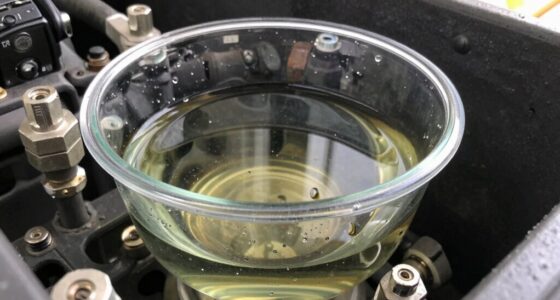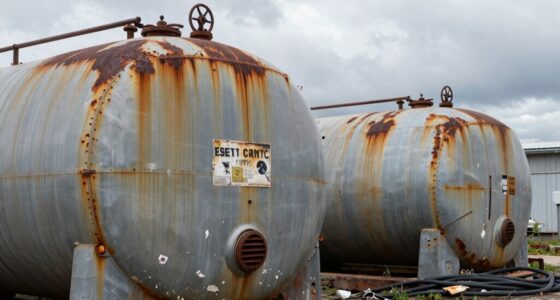
Understanding how to maintain fuel quality and prevent contamination is key to keeping your vehicle running smoothly and avoiding costly repairs. You should store fuel properly, use clean containers, and check for water or debris regularly. Be alert for signs of poor fuel, such as strange odors or engine issues. Regular testing, using additives, and professional inspections help make certain your fuel stays clean and effective. Keep going to learn exactly how to protect your engine from contamination.

Get backup power and energy gear delivered free with Prime
- Fast, free delivery on millions of items
- Prime Video, Amazon Music and more included
- Member-only deals all year
Key Takeaways
- Proper fuel certification and storage prevent contamination, ensuring engine efficiency and reducing repairs.
- Water, dirt, and microbes enter fuel via poor storage or handling, causing engine issues and performance decline.
- Regular testing, inspection, and record-keeping help detect contamination early and maintain fuel quality.
- Immediate draining and cleaning of contaminated fuel protect engines from ongoing damage.
- Routine use of additives and scheduled system checks help preserve fuel system integrity and vehicle performance.
What Makes Fuel Quality Important for Your Vehicle?
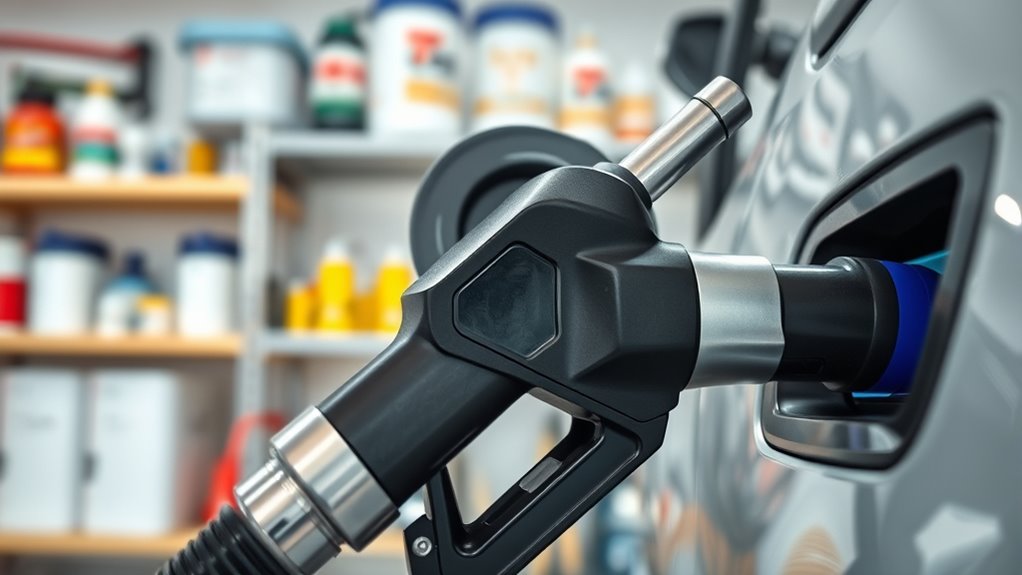
Fuel quality directly affects your vehicle’s performance and longevity. When fuel is properly certified, it meets strict standards, guaranteeing cleaner combustion and fewer engine issues. Poor-quality fuel can cause knocking, stalling, and reduced fuel efficiency. Proper fuel storage is vital to maintain fuel quality, preventing contamination and degradation over time. If fuel isn’t stored correctly—like exposure to moisture or extreme temperatures—it can lead to sediment buildup or microbial growth, which harms your engine. Ensuring your fuel is certified and stored properly helps keep your vehicle running smoothly and reduces costly repairs. Additionally, using the correct headphone jacks ensures optimal audio quality when diagnosing or listening to engine sounds or troubleshooting devices. Always buy fuel from reputable sources, and follow storage guidelines to preserve its quality. This proactive approach safeguards your engine and guarantees optimal performance over time.
How Can Fuel Become Contaminated?
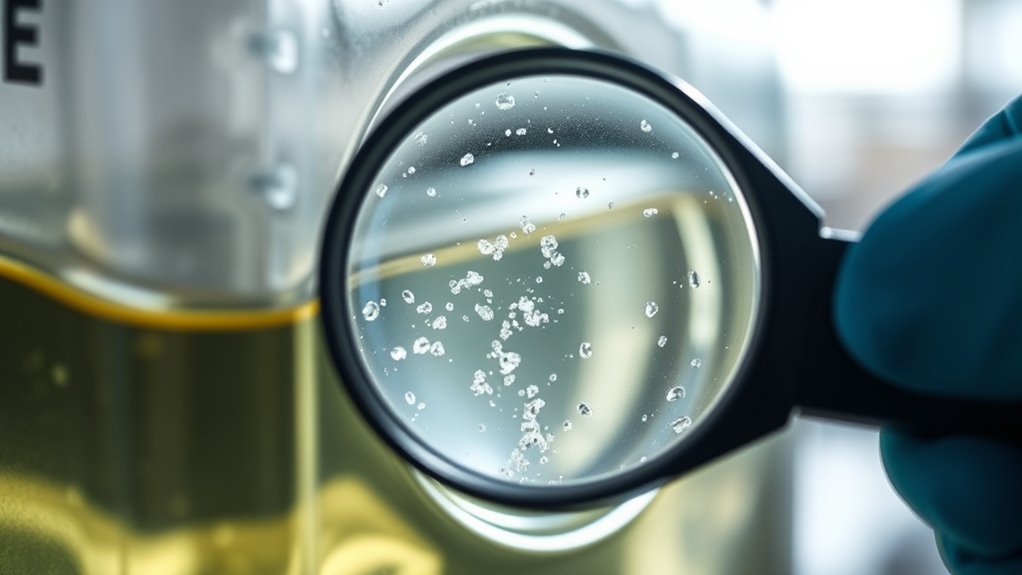
Contaminants can enter your fuel supply through various sources, compromising its quality and potentially damaging your engine. Poor storage conditions or exposure to moisture can lead to bacterial growth and rust, which affect fuel odor and quality. Dust, dirt, and water can also seep into your fuel if containers aren’t sealed properly. Fuel stored in open or unclean tanks often develops a bad smell or sediment. To prevent contamination, always keep your fuel in clean, sealed containers and avoid storing it for long periods. Proper storage minimizes the risk of water ingress and bacterial growth, maintaining fuel integrity and engine performance. Additionally, understanding the importance of fuel quality can help you take better precautions against contamination.
Common Types of Fuel Contaminants and Their Effects

Water and moisture can cause rust and corrosion inside your fuel system, leading to poor engine performance. Dirt and debris can clog filters and injectors, reducing efficiency and potentially damaging your equipment. Understanding these common contaminants helps you take better steps to keep your fuel clean and your engine running smoothly.
Water and Moisture
Have you ever wondered how moisture sneaks into your fuel and causes problems? Water contamination usually happens when moisture buildup occurs in your fuel tank, often from condensation or leaks. This water can settle at the bottom, creating a breeding ground for bacteria and fungi that degrade fuel quality. Over time, water contamination can cause corrosion of your fuel system components and lead to engine misfires or stalling. Since water doesn’t mix well with fuel, it separates, making it harder for your engine to run smoothly. To prevent moisture buildup, it’s essential to keep your fuel storage clean, use additives that inhibit water accumulation, and regularly check for signs of water in your fuel. Staying vigilant helps protect your engine from costly damage caused by water and moisture. High-pressure application in airless sprayers is especially effective at preventing uneven distribution and ensuring a smooth finish, which can help minimize the need for additional coats and reduce the risk of moisture-related issues in paint layers.
Dirt and Debris
Dirt and debris can enter your fuel system through contaminated storage, poor handling, or during refueling, and they often settle at the bottom of the tank or cling to fuel lines. These contaminants can clog filters, damage injectors, and cause engine misfires. To prevent this, regular debris removal and proper fuel filtration are essential. Visualize this:
| Clean Fuel System | Contaminated Fuel System |
|---|---|
| Clear, smooth fuel flow | Blocked, inconsistent flow |
| No engine hesitation | Engine stalls or sputters |
Additionally, understanding how fuel contaminants affect your engine can help emphasize the importance of proper maintenance.
How to Recognize Signs of Poor Fuel Quality or Contamination
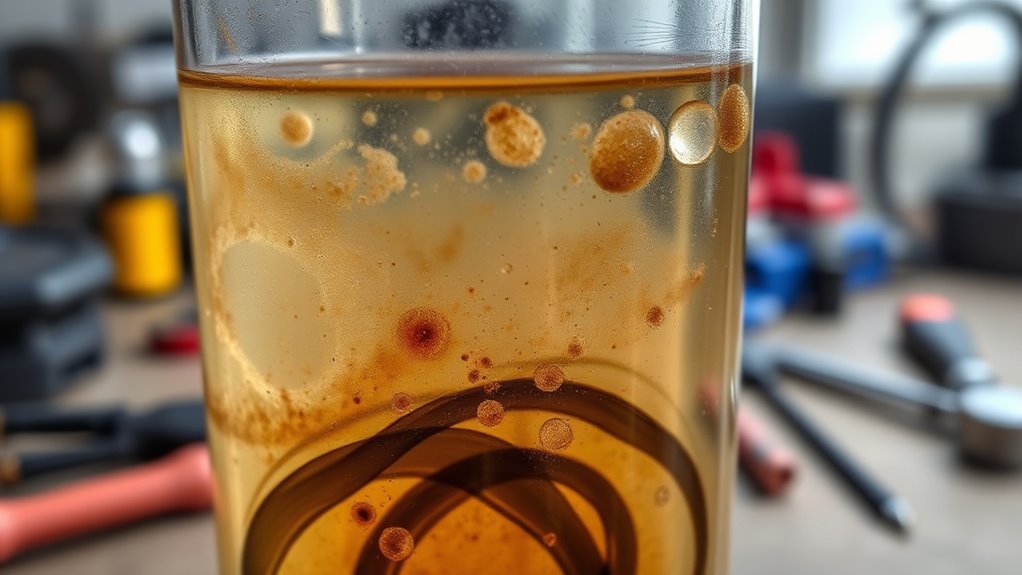
Detecting poor fuel quality or contamination early can save you from costly engine problems. One of the first signs is changes in fuel color; clean fuel should be clear or slightly amber. If it appears cloudy, murky, or has an unusual tint, it could indicate contamination. Smell detection is also vital—fresh fuel typically has a mild odor, but if it smells sour, rotten, or chemical-like, it may be contaminated with water, bacteria, or other impurities. Additionally, if your engine experiences misfires, rough idling, or reduced performance, these could be signs that your fuel isn’t up to standard. Regularly inspecting the fuel for color and smell helps identify issues early, allowing you to take action before more severe damage occurs. Monitoring fuel quality can help prevent engine damage by ensuring the fuel remains free of contaminants that could harm your vehicle.
Tips for Preventing Fuel Contamination and Maintaining Quality
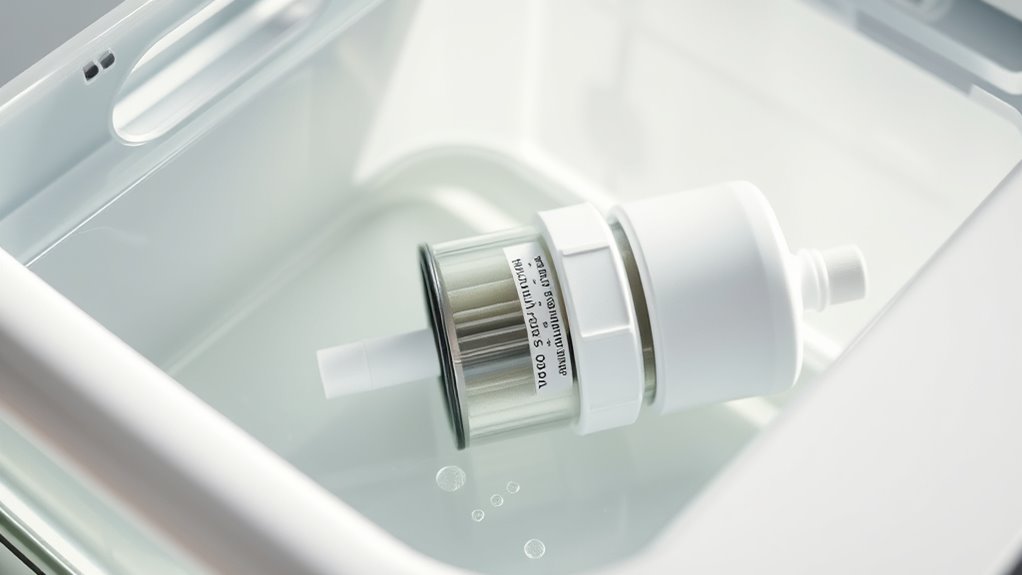
Maintaining fuel quality and preventing contamination starts with proper storage and handling practices. Store fuel in sealed, clean containers and keep them in cool, dry places to avoid moisture buildup. Regular fuel testing helps detect contaminants early, ensuring your fuel remains clean and effective. Use fresh fuel and avoid mixing old with new to prevent degradation. Rotating stock and inspecting containers periodically reduces the risk of microbial growth and sediment accumulation. Keep storage tanks sealed and protected from water intrusion. Here’s a quick overview:
| Storage Tip | Testing Practice | Common Contaminants |
|---|---|---|
| Use sealed containers | Regular fuel testing | Water, microbes, dirt |
| Keep in cool, dry places | Check for sediment buildup | Rust, algae |
| Rotate stock | Test for water content | Sediments, sludge |
| Seal tanks properly | Monitor fuel quality regularly | Moisture, microbial growth |
| Clean containers regularly | Conduct microbial testing | Bacteria, fungi |
What Should You Do If You Suspect Fuel Contamination?
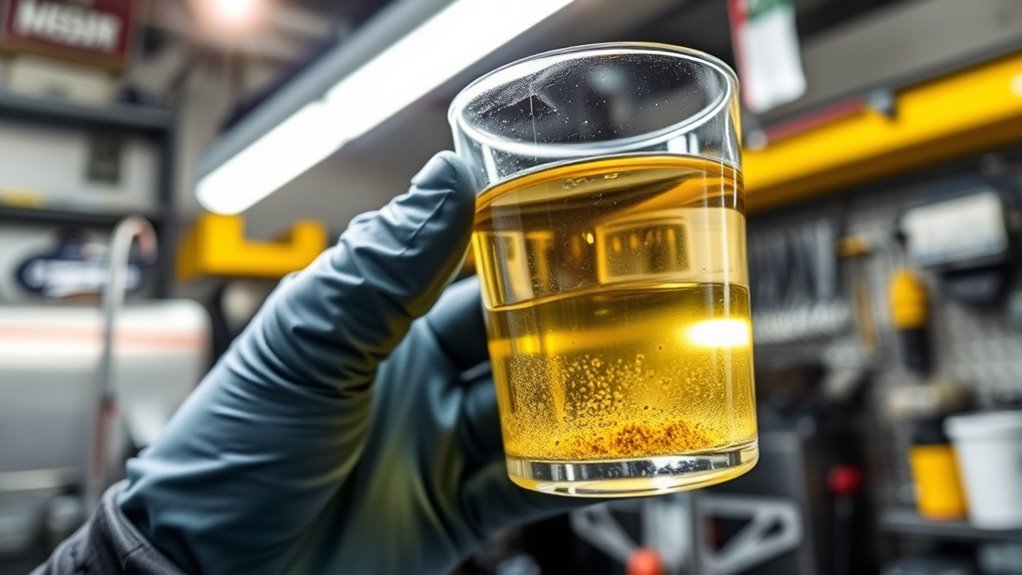
If you suspect fuel contamination, start by carefully inspecting your fuel for signs of dirt, water, or debris. Next, drain the contaminated fuel and replace it with fresh, clean fuel to prevent engine damage. If you’re unsure or the problem persists, seek professional assistance to guarantee proper cleaning and diagnosis. Understanding the importance of data-driven strategies can help in assessing the severity of contamination and preventing future issues.
Inspect Fuel Quality Carefully
When you suspect fuel contamination, it’s essential to act quickly to prevent damage to your engine. Carefully inspecting your fuel quality helps identify issues early. Start by visually checking the fuel for discoloration, sediment, or water contamination. Use fuel testing kits to analyze samples, ensuring they meet fuel certification standards. Smell the fuel for unusual odors that may indicate contamination. If you notice anything abnormal, avoid using the fuel until it’s tested and verified safe. Remember, proper testing confirms fuel quality, helping you avoid costly repairs. Regularly inspecting your fuel can prevent contaminants from causing engine issues. Incorporating field recording techniques can assist in capturing detailed audio evidence if needed. Keep detailed records of your inspections and test results to track fuel quality over time. Staying vigilant guarantees ideal engine performance and longevity.
Drain and Replace Contaminants
Once you suspect fuel contamination, the immediate step is to drain the affected fuel from your tank to prevent it from circulating through your engine. Conduct fuel testing to confirm the presence of contaminants like water, dirt, or microbes. After testing, perform contamination removal by thoroughly draining and cleaning the tank. Replace the drained fuel with fresh, high-quality fuel to restore proper engine performance. It’s essential to remove all contaminated fuel and residues to prevent ongoing issues. Using proper tools, guarantee that all contamination is eliminated before refilling. This process helps safeguard your engine, avoids damage, and ensures ideal fuel efficiency. Always verify that the tank is clean and free of debris before adding new fuel to prevent future contamination.
Seek Professional Assistance
Suspecting fuel contamination is a serious matter, and professional assistance guarantees the problem is accurately diagnosed and effectively resolved. When you suspect contaminated fuel, don’t attempt to fix it yourself; instead, seek expert help. Professionals can perform thorough diagnostics, including fuel testing and analysis, to identify contaminants precisely. They also ensure your fuel meets certification standards, preventing further damage. Rushing into repairs or using unqualified services can worsen the issue. By consulting certified technicians, you get reliable solutions tailored to your situation. Remember, proper diagnosis and treatment protect your engine and keep you compliant with fuel regulations. Properly addressing contamination can also help maintain the integrity of your fuel system and prevent long-term issues. Don’t delay—professional assistance is your best course of action to ensure safe, efficient operation and peace of mind.
How Often Should You Use Fuel Additives or Get Your Fuel System Checked?
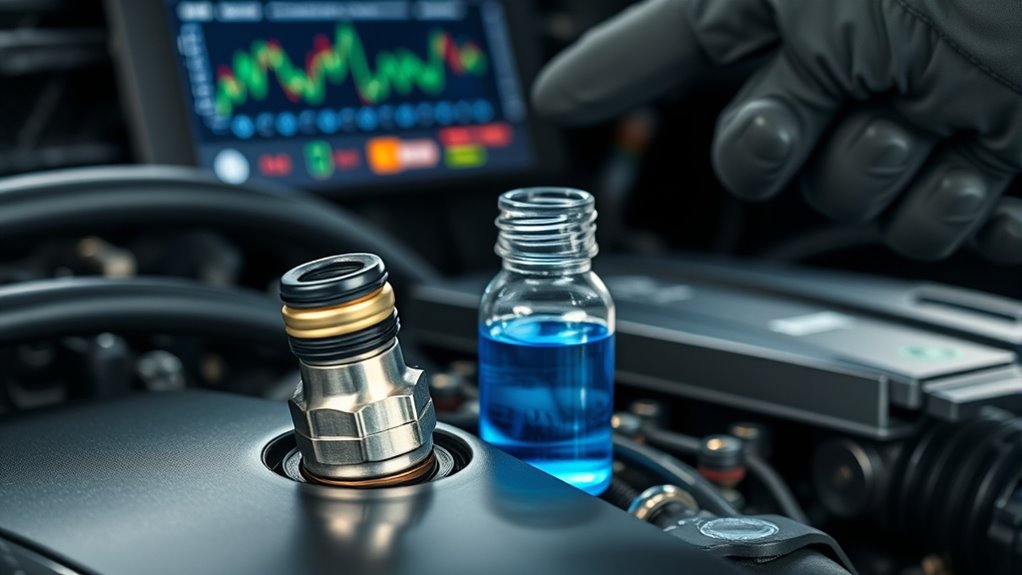
Regularly using fuel additives or having your fuel system checked depends on your vehicle’s age, fuel quality, and driving habits. If you mostly drive short distances or use low-quality fuel, consider adding fuel additives every 3,000 to 5,000 miles to prevent buildup. For newer vehicles or those with high-quality fuel, checks every 10,000 miles or once a year may suffice.
| Vehicle Age | Fuel Quality | Driving Habits |
|---|---|---|
| New | High | Long trips |
| Old | Low | City driving |
| Moderate | Moderate | Mixed |
| Frequent | Low | Short trips |
| Infrequent | High | Long trips |
Fuel system checks help catch issues early, saving you money and avoiding breakdowns.
Frequently Asked Questions
How Does Altitude Affect Fuel Quality and Contamination Risks?
Altitude effects can influence fuel quality and contamination risks by causing temperature fluctuations and pressure changes that may lead to condensation in your fuel system. As you ascend, moisture can accumulate, increasing contamination risks like microbial growth or water in the fuel. To mitigate this, verify your fuel system is properly sealed, use additives if necessary, and regularly inspect for signs of contamination, especially during high-altitude travel or storage.
Can Using Alternative Fuels Impact Contamination Levels?
Using alternative fuels can impact contamination levels by introducing different impurities or residues, which may require enhanced contamination mitigation strategies. You should be aware that some alternative fuels, like biodiesel or ethanol blends, might carry higher risks of microbial growth or water absorption. To minimize contamination, make certain of proper storage, filtration, and regular maintenance. Staying vigilant about the specific effects of each alternative fuel helps maintain fuel quality and prevents potential engine issues.
Are There Specific Storage Conditions That Prolong Fuel Freshness?
To prolong fuel freshness, you should focus on proper fuel storage and contamination prevention. Keep your fuel in a cool, dry, and airtight container, away from direct sunlight and moisture. Store it in a clean, sealed tank to prevent dirt, water, and microbial contamination. Regularly check for leaks or signs of deterioration, and use fuel stabilizers if storing for extended periods. These steps help maintain fuel quality and reduce contamination risks.
How Do Seasonal Weather Changes Influence Fuel Contamination?
Seasonal temperature variations and humidity effects can turn your fuel into a contamination nightmare. When temperatures swing wildly, condensation forms inside your tank, like tiny rainstorms brewing in a closed space. Humidity fuels microbial growth, creating sludge that clogs your system. As seasons change, these factors accelerate contamination, threatening your engine’s health and performance. Stay vigilant, check your fuel regularly, and keep your storage environment as stable as possible to prevent this chaos.
What Are the Legal Standards for Fuel Quality and Contamination?
You need to meet legal standards for fuel quality and contamination prevention, which typically involve regular fuel testing to guarantee purity and proper additives. These standards set limits on contaminants like water, dirt, and microbes. By adhering to these regulations, you prevent fuel contamination, protect engine performance, and avoid legal penalties. Regular testing and quality checks are essential steps to stay compliant and maintain ideal fuel condition.
Conclusion
Think of your fuel as the lifeblood of your vehicle’s engine. When it’s pure and clean, your car runs smoothly like a well-oiled machine. But even a tiny drop of contamination can throw your engine into chaos, like a storm in calm waters. Stay vigilant, keep your fuel pristine, and act quickly if you suspect trouble. Your car’s health depends on the quality you give it—nurture it, and it’ll keep your journey flowing seamlessly.
Halloween Picks
halloween
As an affiliate, we earn on qualifying purchases.