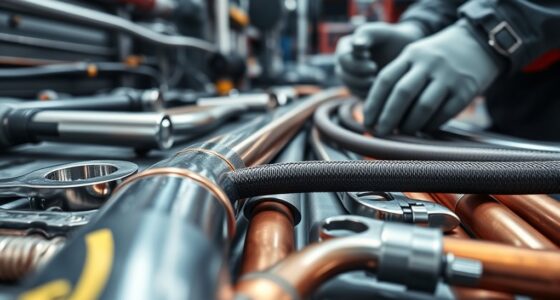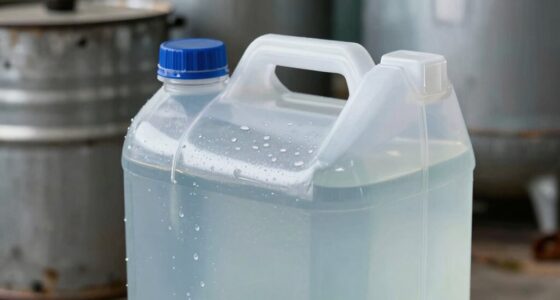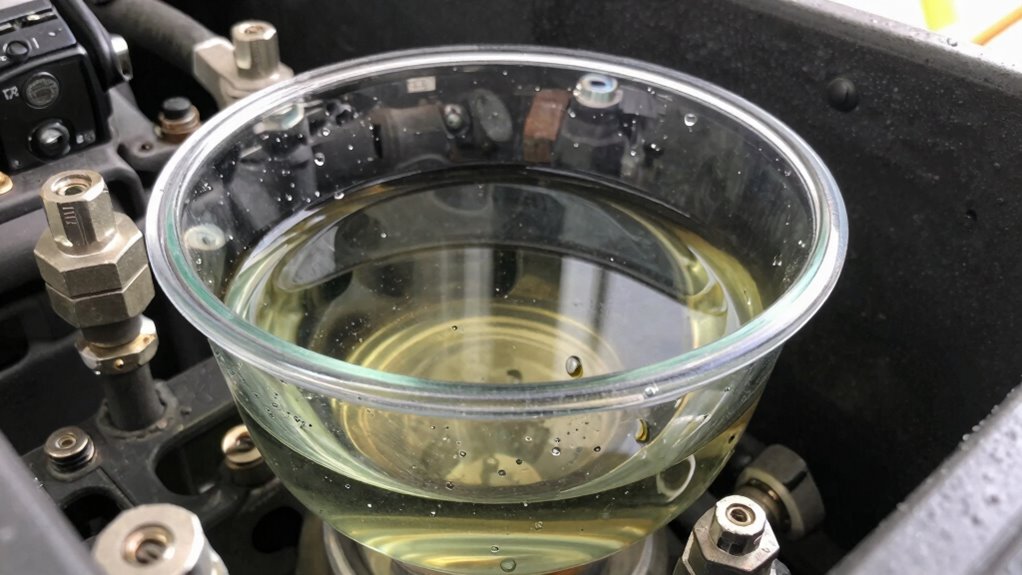

Water separators in diesel systems help prevent water from entering your engine, which can cause corrosion and damage to fuel system parts. They also reduce the risk of clogged injectors, leading to better engine performance and efficiency. By removing water and debris, they extend the lifespan of your fuel injectors and sensitive components. Maintaining your separator properly is essential to avoid costly repairs. If you’re interested, there’s more to learn about how these devices keep your engine running smoothly.
Listen free for 30 days with Audible
Thousands of audiobooks and originals — cancel anytime.
As an affiliate, we earn on qualifying purchases.
Key Takeaways
- They prevent water from entering the engine, reducing the risk of corrosion and damage.
- They help avoid clogged fuel injectors caused by water and debris.
- They minimize fuel system corrosion and prolong component lifespan.
- They ensure cleaner fuel, improving combustion efficiency and engine performance.
- They reduce costly repairs by maintaining fuel quality and preventing contamination buildup.
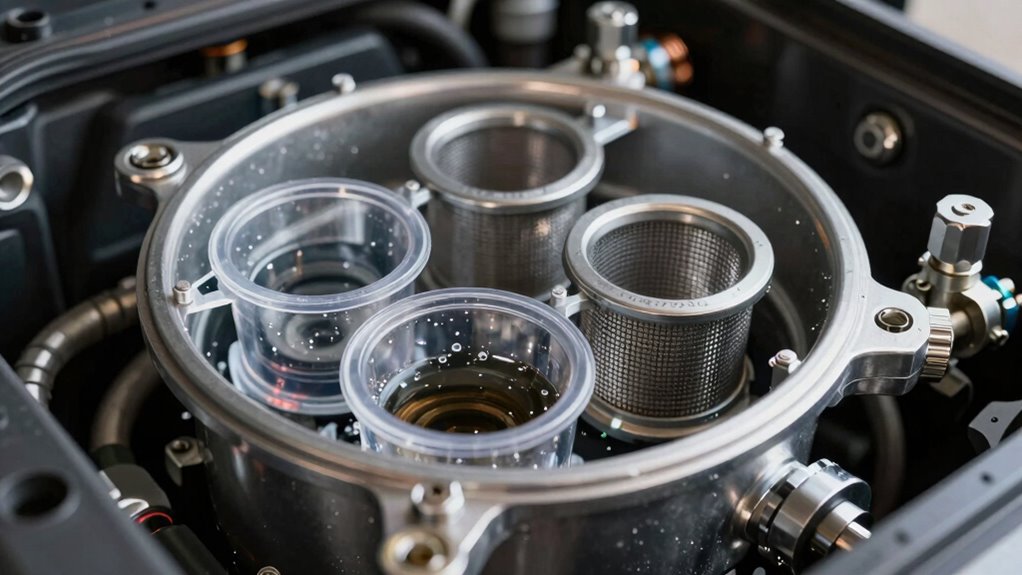
Have you ever wondered why water separators are essential in diesel systems? The answer lies in their ability to prevent fuel contamination, which can be a significant problem for engine performance and longevity. Water often finds its way into diesel fuel during transportation, storage, or fueling, and if not removed, it can cause serious issues inside your engine. Water in the fuel can lead to corrosion of the fuel system components, clog injectors, and reduce combustion efficiency. By installing a water separator, you actively reduce the risk of these problems, helping your diesel engine run smoothly and reliably.
Water separators prevent contamination, corrosion, and injector clogging, ensuring your diesel engine runs smoothly and stays reliable.
Proper maintenance procedures are *crucial* to ensuring your water separator continues to work effectively. Regularly draining the accumulated water from the separator is a simple but *vital* step in this process. If you neglect this task, the separator can become overwhelmed, allowing water to slip past and reach your engine. Many systems are designed with manual or automatic drains, but you should always follow the manufacturer’s recommended schedule for inspection and drainage. This routine maintenance helps prevent the buildup of water and other contaminants, keeping your fuel clean and your engine protected. Regular checks also help identify early signs of fuel contamination, which can be indicative of larger issues in your fuel system.
In addition to water, dirt, rust, and other debris can contaminate your fuel, and water separators help filter these out as well. Clean fuel not only improves engine performance but also extends the lifespan of fuel injectors and other sensitive components. When you maintain your system properly, you avoid costly repairs and downtime caused by fuel-related issues. The key is consistency: integrating regular checks into your maintenance procedures guarantees that you catch any contamination before it causes damage. Regular inspection of the fuel filtration system can further enhance your engine’s reliability by catching potential problems early.
Another benefit of water separators is that they help you identify potential problems early. If you notice frequent water accumulation during routine checks, it might indicate issues with fuel storage or handling. Addressing these underlying causes can further improve your fuel quality and prevent future contamination. Staying vigilant and adhering to proper maintenance procedures allows you to prevent fuel issues proactively. By staying vigilant and adhering to proper maintenance procedures, you take proactive steps to safeguard your engine’s health. Maintaining awareness of fuel quality and storage practices is essential for preventing recurrent issues with water and debris buildup.
Frequently Asked Questions
How Often Should Water Separators Be Replaced?
You should replace water separators based on your vehicle’s maintenance schedule or when you notice replacement indicators. Typically, it’s recommended every 1,000 to 3,000 miles, but check your owner’s manual for specifics. Pay attention to the replacement indicator light or gauge; if it signals, replace the separator promptly. Regular maintenance guarantees your diesel system stays clean and functions efficiently, preventing costly damage caused by water contamination.
Can Water Separators Improve Fuel Efficiency?
Yes, water separators can improve your fuel efficiency. By enhancing fuel filtration, they guarantee cleaner fuel reaches your engine, which helps maintain ideal engine performance. When water is removed effectively, your engine runs smoother, consumes less fuel, and experiences fewer issues caused by contaminated fuel. This means better mileage and fewer repairs over time. Regularly maintaining your water separator keeps your diesel system running efficiently and helps you save money in the long run.
Are Water Separators Necessary for All Diesel Engines?
As the saying goes, “Better safe than sorry.” Water separators aren’t necessary for all diesel engines, but they’re highly recommended for effective fuel filtration and engine maintenance. If your engine operates in wet or humid environments, a water separator helps prevent water from damaging fuel injectors and filters. For ideal performance and longevity, including one in your diesel system is a smart, proactive step.
What Are Signs of a Failing Water Separator?
Signs of a failing water separator include increased fuel contamination, which can cause engine hesitation or rough running. You might notice water in the fuel filter or sediment in the separator bowl. Regular maintenance procedures, like inspecting and draining the separator, are essential. If neglected, water can reach the engine, leading to damage. Stay vigilant and follow maintenance routines to guarantee your diesel system stays free of water and contaminants.
Do Water Separators Prevent Microbial Growth in Fuel?
Surprisingly, water separators don’t directly prevent microbial growth in your fuel. While they remove water, they often miss hidden microbial contamination and fuel degradation issues lurking deeper in the system. Ironically, relying solely on water separators gives a false sense of security. To truly combat microbial contamination, you need additional fuel treatments, proper storage, and regular maintenance. Don’t let microbes grow unnoticed—be proactive in protecting your diesel system.
Conclusion
Water separators are essential in diesel systems, helping prevent costly engine damage caused by water contamination. Did you know that over 75% of diesel engine failures are linked to water and dirt entering the fuel system? By installing a quality water separator, you considerably reduce this risk, extending your engine’s lifespan and improving efficiency. Don’t overlook this simple yet effective solution—your engine will thank you for it, and you’ll save money in the long run.
Flea & tick season Picks
flea and tick prevention
As an affiliate, we earn on qualifying purchases.