
If you need to protect stored diesel fuel from microbial contamination and degradation, choosing the right biocide is essential. The best overall pick in 2026 is the Biobor JF Diesel Fuel Additive because of its proven effectiveness against bacteria and fungi. The Power Service Bio Kleen Biocide offers a solid value for those on a budget, while the Killem Biocide Fuel Treatment stands out for its EPA registration and regulatory compliance. Each option balances factors like potency, ease of use, and price, but tradeoffs exist—more powerful solutions tend to cost more and may require careful handling. Continue reading for a full breakdown of these products and what makes each one unique.
Open a free Amazon Business account
Business pricing, bulk buying and tax-exempt orders.
Create a free accountAs an affiliate, we earn on qualifying purchases.
Key Takeaways
- The top-ranked biocides combine strong microbial control with ease of use, making them suitable for both commercial and amateur storage.
- Potency varies significantly; more aggressive biocides may require careful handling but offer longer-lasting protection.
- EPA registration and regulatory compliance are key for buyers concerned about environmental and safety standards.
- Size and concentration influence value—larger containers often provide a better cost-per-use ratio.
- The best products balance effectiveness with affordability, but premium options tend to deliver more consistent long-term protection.
| Power Service 9128-04 Bio Kleen Biocide, 1 Gallon |  | Best Overall for Versatile Microbial Control | Brand: Power Service | Manufacturer Part Number: 9128 | Size: 1 Gallon | VIEW ON AMAZON | See Our Full Breakdown |
| Duda Energy 1 Gallon Biobor JF MicroBiocide for Diesel Fuel Treatment |  | Best for High-Volume Diesel Microbial Prevention | Treatment Level: 1:80 | Treats up to: 10,240 Gallons | Item Weight: 8.83 pounds | VIEW ON AMAZON | See Our Full Breakdown |
| Biobor JF Diesel Fuel Additive – 32 Ounce |  | Best for Engine Protection and Lubricity | Volume: 32 Ounce | Application: Diesel Fuel | Features: Kills bacteria and fungi, prevents corrosion, increases lubricity | VIEW ON AMAZON | See Our Full Breakdown |
| Biobor JF Diesel Fuel Additive – 8 Ounce |  | Best for Aviation and Small Diesel Engines | Volume: 8 Ounce | Application: Diesel and aviation fuels | Features: Kills bacteria and fungi, prevents corrosion, increases lubricity | VIEW ON AMAZON | See Our Full Breakdown |
| Killem Biocide Fuel Treatment – 16 oz |  | Best for Cost-Effective Microbial Control in Small to Medium Tanks | Brand: FPPF | Unit Count: 16 Fluid Ounces | UPC: 073767001191 | VIEW ON AMAZON | See Our Full Breakdown |
| 16 oz Hammonds Biobor JF MicroBiocide Diesel Fuel Treatment |  | Best Overall for Comprehensive Fuel Protection | Treatment Level: 1:80 | Treats up to: 1280 Gallons | Product Weight: 1.25 pounds | VIEW ON AMAZON | See Our Full Breakdown |
| Power Service Bio Kleen Diesel Fuel Biocide – 16 oz. |  | Best for Microbial Removal in Diesel and Water | Item Form: Liquid | Scent: No Scent | Specific Uses: Removing microbes from diesel fuel and water | VIEW ON AMAZON | See Our Full Breakdown |
| Biobor JF Diesel Fuel Additive, 16 Ounce |  | Best for Engine and Fuel System Protection | Volume: 16 ounces | Application: Diesel and aviation fuels | Features: Kills bacteria, prevents corrosion, increases lubricity | VIEW ON AMAZON | See Our Full Breakdown |
| KILLEM EPA Registered Fuel Oil Biocide for Bacteria Control, 16 oz (Pack of 2) |  | Best for Routine Fuel Maintenance and EPA Compliance | Brand: FPPF | Manufacturer Part Number: FPPF-90119-2 | UPC: 073767201195 | VIEW ON AMAZON | See Our Full Breakdown |
More Details on Our Top Picks
Power Service 9128-04 Bio Kleen Biocide, 1 Gallon
This option stands out for its broad effectiveness across various diesel fuels, including ULSD and biodiesel, making it a reliable choice for those seeking comprehensive microbial protection. Compared with the smaller-sized Biobor JF treatments, the 1-gallon container offers greater volume for larger tanks, though it lacks detailed insights on long-term microbial suppression. Its ability to prevent fuel filter plugging and corrosion helps reduce maintenance costs, yet the absence of clear data on application ease or long-term durability presents a tradeoff. This pick makes the most sense for fleet operators or large storage facilities that need consistent microbial control without frequent reapplications.
Pros:- Effective at killing microbes in various diesel fuels
- Prevents fuel filter plugging and corrosion
- Suitable for all diesel types, including biodiesel
Cons:- Limited information on long-term microbial suppression
- No detailed user reviews on ease of application
Best for: Fleet managers or facility owners with large fuel storage needing a broad-spectrum, economical microbial treatment
Not ideal for: Small-scale users or hobbyists who require quick, occasional doses due to its larger volume and limited application guidance
- Brand:Power Service
- Manufacturer Part Number:9128
- Size:1 Gallon
- Unit Count:128 Fluid Ounces
- Model Number:9128
- UPC:027854091282
Our verdict“This product suits large-scale users seeking reliable, versatile microbial control across diverse diesel fuel types.”
Duda Energy 1 Gallon Biobor JF MicroBiocide for Diesel Fuel Treatment
Compared with Power Service’s Bio Kleen, Duda Energy’s Biobor JF offers EPA approval and exceeds ASTM standards, making it a top choice for those prioritizing regulatory compliance. Its ability to treat up to 10,240 gallons makes it ideal for large tanks, but it is specifically formulated for diesel, kerosene, and biodiesel, limiting versatility for other fuels. Its proven efficacy in preventing bacterial growth and corrosion helps extend engine life and reduce downtime, yet proper handling and storage are essential due to chemical sensitivity. This product makes the most sense for industrial operators or fleet owners who need a high-volume, EPA-approved biocide with proven standards compliance.
Pros:- Exceeds ASTM standards and is EPA approved
- Treats large volumes of fuel efficiently
- Effective at preventing microbial growth and sludge
Cons:- Limited to diesel and similar fuels, reducing versatility
- Requires careful handling and storage
Best for: Industrial operators or large fleet owners managing extensive diesel storage and requiring EPA-approved microbial control
Not ideal for: Small-scale users or hobbyists who need affordable, low-volume solutions without EPA considerations
- Treatment Level:1:80
- Treats up to:10,240 Gallons
- Item Weight:8.83 pounds
- Package Dimensions:12 x 7.25 x 4 inches
- Manufacturer:Hammonds
- Model Number:bioborgal
Our verdict“Ideal for large-scale diesel storage where regulatory compliance and volume treatment are priorities.”
Biobor JF Diesel Fuel Additive – 32 Ounce
This pick excels at restoring lubricity in ultra-low sulfur diesel (ULSD), a common challenge for microbial biocides like Power Service or the larger Biobor JF gallon-sized options. Its ability to prevent corrosion and extend fuel filter life directly benefits engine components and reduces maintenance. However, the 32-ounce size makes it more suitable for medium-sized tanks or frequent use, and the higher cost compared to basic biocides might be a deterrent for budget-conscious buyers. It’s a strong choice for diesel engines that need both microbial control and added lubricity, especially when OEM recommendations point toward this additive.
Pros:- Prevents microbial growth and corrosion effectively
- Restores and maintains lubricity in ULSD
- Widely recommended by OEMs for engine protection
Cons:- Requires careful handling due to chemical nature
- Higher cost relative to basic additives
Best for: Diesel vehicle owners or operators needing both microbial control and lubricity enhancement in ULSD fuels
Not ideal for: Small or infrequent users who prefer smaller, less expensive treatments or those with minimal microbial issues
- Volume:32 Ounce
- Application:Diesel Fuel
- Features:Kills bacteria and fungi, prevents corrosion, increases lubricity
- Approved By:OEM
Our verdict“Best suited for diesel engines requiring both microbial protection and lubricity restoration, especially in ULSD applications.”
Biobor JF Diesel Fuel Additive – 8 Ounce
Compared to the larger 32-ounce version, this smaller 8-ounce bottle is tailored for aviation and small diesel engines where precise dosing matters. It provides effective microbial control, corrosion prevention, and lubricity enhancements, crucial for sensitive engines. Its OEM approval underscores reliability, but given its size and targeted application, it may not be cost-effective for large storage tanks or extensive fleets. This makes it a smart choice for individual aircraft operators or small diesel engine owners who need proven microbial protection without excess volume or cost.
Pros:- Effectively kills microbes and prevents corrosion
- Restores lubricity and prolongs engine life
- OEM approved for reliability
Cons:- Limited volume makes it less suitable for large tanks
- Higher cost per treatment compared to larger bottles
Best for: Aviation operators or small diesel engine owners needing precise, OEM-approved microbial treatment
Not ideal for: Large-scale storage facilities or fleet operators with extensive fuel tanks, due to limited volume
- Volume:8 Ounce
- Application:Diesel and aviation fuels
- Features:Kills bacteria and fungi, prevents corrosion, increases lubricity
- OEM Approved:Yes
Our verdict“Ideal for aviation or small diesel engines where precise dosing and OEM approval are critical.”
Killem Biocide Fuel Treatment – 16 oz
Compared with premium options like Biobor JF, Killem Biocide offers a budget-friendly solution for controlling microbial growth in diesel fuel. Its EPA registration provides confidence in regulatory compliance, and its capacity to treat up to 1,920 gallons makes it suitable for small to medium tanks. The primary tradeoff involves the need for accurate dosing and handling to ensure effectiveness; over- or under-dosing can compromise microbial control. This product is best for users who want a reliable, affordable microbial treatment without the need for specialized features or high-volume packaging.
Pros:- EPA-registered and compliant
- Treats large volume up to 1920 gallons
- Reduces slime and corrosion effectively
Cons:- Requires careful handling for proper dosing
- Limited versatility, only for diesel fuel
Best for: Small to medium-sized diesel storage tanks needing affordable microbial control
Not ideal for: Large industrial tanks or users seeking advanced corrosion or lubricity enhancements
- Brand:FPPF
- Unit Count:16 Fluid Ounces
- UPC:073767001191
- Included Components:Fuel Treatment Bottle
- Item Type:Bio Control Formula
- Part Number:FPPF-90119-1
Our verdict“Best for budget-conscious owners managing small to medium diesel tanks with microbial concerns.”
16 oz Hammonds Biobor JF MicroBiocide Diesel Fuel Treatment
This product stands out for its proven effectiveness in preventing microbial growth, including bacteria and fungi, in diesel and similar fuels. Compared with Biobor JF, which is slightly more concentrated, Biobor JF MicroBiocide offers a larger volume and exceeds industry standards, making it ideal for extensive storage tanks. Its ability to restore lubricity in low sulfur diesel helps maintain engine performance, while its EPA approval adds confidence for long-term use. However, the need for proper handling and its specific focus on diesel fuels mean it isn’t suitable for other fuel types or casual users with small tanks. Overall, this pick makes the most sense for large-scale storage facilities or fleet operators who prioritize reliability and compliance.
Pros:- Effective at preventing bacterial and fungal growth in fuel tanks
- Restores lubricity to low sulfur diesel, protecting engine parts
- Exceeds ASTM standards and is EPA approved, ensuring regulatory compliance
- Treats up to 1280 gallons with a small amount
Cons:- Requires careful handling and storage due to chemical nature
- Limited to diesel, kerosene, biodiesel, and heating oil; not versatile for other fuels
- Long-term effects on fuel stability are less documented
Best for: Large fleet operators or storage facilities needing reliable, EPA-approved microbial control for diesel fuels.
Not ideal for: Homeowners with small tanks or those using biodiesel or mixed fuels, since handling and specific fuel compatibility could be limiting.
- Treatment Level:1:80
- Treats up to:1280 Gallons
- Product Weight:1.25 pounds
- Package Dimensions:8 x 4 x 2 inches
- Standards:Exceeds ASTM Standards, MI-S-53021A, EPA approved, U.S. Coast Guard Certified
Our verdict“Best suited for large-scale diesel storage where proven microbial control and compliance are priorities.”
Power Service Bio Kleen Diesel Fuel Biocide – 16 oz.
This product excels at eliminating microbes in diesel fuel and water, making it a strong choice for routine maintenance to prevent filter clogging and contamination. Compared with Biobor JF, which also prevents microbial growth, Bio Kleen is particularly effective in water-heavy environments, such as tanks prone to water ingress. Its ease of use and endorsement by diesel engine manufacturers make it accessible for both commercial and personal use. However, its focus on microbial issues means it doesn’t address other fuel stability concerns, and it’s limited to diesel systems only. This makes it ideal for users who primarily need microbial control without additional fuel treatment features.
Pros:- Highly effective at removing microbes from diesel and water
- Recommended by major diesel engine manufacturers, ensuring industry trust
- Simple to use in existing tanks, with minimal setup
- Prevents filter clogging and microbial contamination
Cons:- Limited to microbial issues; does not improve lubricity or corrosion resistance
- No long-term performance data available for extended storage
- Requires careful handling and proper storage
Best for: Fleet managers or operators needing regular microbial control in diesel storage tanks, especially in water-prone environments.
Not ideal for: Users seeking a comprehensive additive for lubrication, corrosion, or fuel stability, since its primary function is microbial control.
- Item Form:Liquid
- Scent:No Scent
- Specific Uses:Removing microbes from diesel fuel and water
- Brand Name:Power Service
- UPC:027854090162
- Included Components:Power Service 09016-09 Bio Kleen Diesel Fuel Biocide – 16 oz.
Our verdict“Ideal for routine microbial management in diesel tanks, especially where water contamination is a concern.”
Biobor JF Diesel Fuel Additive, 16 Ounce
This additive offers a comprehensive approach by killing microbial growth, preventing corrosion, and increasing lubricity, making it well-suited for both diesel and aviation fuels. Compared with Bio Kleen, which primarily targets microbes, Biobor JF provides added benefits for engine longevity, including OEM approval and proven industry standards. Its ability to extend filter life and protect injectors enhances performance, especially in sensitive or high-demand engines. The main tradeoff lies in its higher cost and the need for careful handling, which may be excessive for small-scale or casual users. Overall, this product is best for users who want premium fuel system protection with industry backing, particularly in aviation or critical diesel applications.
Pros:- Effectively kills microbes and prevents corrosion
- Increases lubricity, extending engine component life
- Proven OEM approval and industry standards compliance
- Extends fuel filter life and protects injectors
Cons:- Higher price point compared to basic biocides
- Requires careful handling and storage due to chemical nature
- Primarily designed for diesel and aviation fuels, limiting versatility
Best for: Aviation operators or diesel engine users needing OEM-approved, multi-benefit fuel treatments for engine reliability.
Not ideal for: Casual users or small tank owners seeking a basic microbial treatment, as its premium features come with higher cost and handling requirements.
- Volume:16 ounces
- Application:Diesel and aviation fuels
- Features:Kills bacteria, prevents corrosion, increases lubricity
- OEM Approved:Yes
Our verdict“Best for high-demand or critical diesel engines requiring OEM-approved, multi-action fuel treatment.”
KILLEM EPA Registered Fuel Oil Biocide for Bacteria Control, 16 oz (Pack of 2)
This EPA-registered biocide offers reliable microbial control for stored fuel systems, including diesel and heating oil. Compared with Power Service Bio Kleen, which is more focused on microbial removal, KILLEM emphasizes safety and regulatory compliance, making it suitable for routine maintenance programs. Its dual-pack provides cost-effective coverage for regular treatment schedules. The product’s emphasis on EPA registration reassures users about safety and environmental standards, but the limited number of reviews and absence of a manufacturer warranty mean some uncertainty about long-term performance. This makes it an attractive option for facilities prioritizing EPA registration and routine microbial control over advanced fuel system benefits.
Pros:- EPA registered, ensuring safety and compliance
- Effective control of bacteria and fungi in fuel tanks
- Pack of 2 offers economical treatment for frequent use
- Suitable for diesel and heating oil
Cons:- Limited customer reviews, reducing confidence in performance
- No manufacturer warranty included
- Requires proper handling and storage
Best for: Fuel storage managers who require EPA-registered microbial control as part of routine maintenance for diesel or heating oil tanks.
Not ideal for: Users seeking multi-functional fuel additives or advanced corrosion and lubricity protection, since its focus is microbial control.
- Brand:FPPF
- Manufacturer Part Number:FPPF-90119-2
- UPC:073767201195
- Size:8 Fl Oz per bottle
- Unit Count:16 Fluid Ounces
- Included Components:Fuel Treatment Bottle
Our verdict“Ideal for routine microbial management in regulated environments where EPA compliance is a priority.”
How We Picked
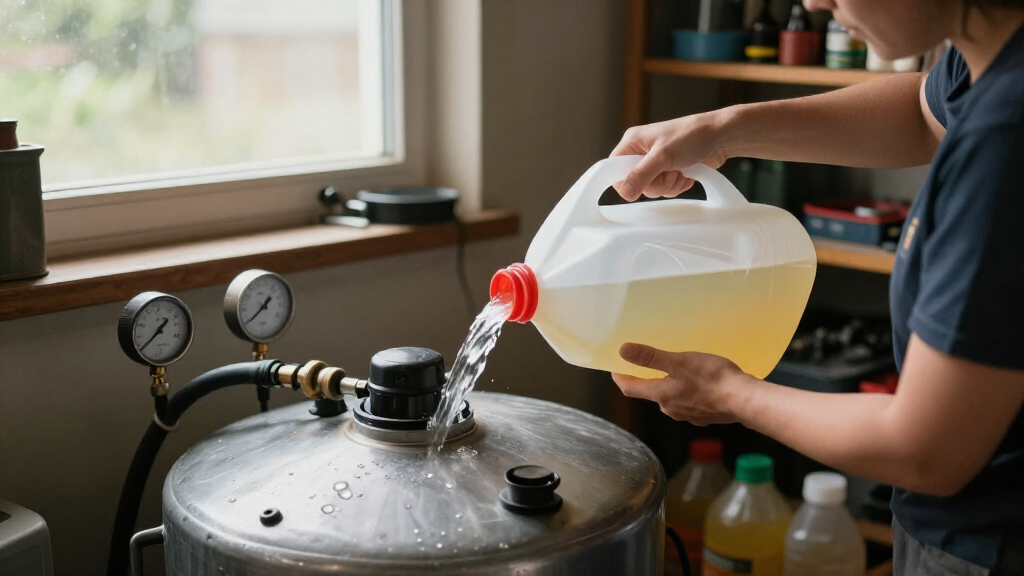
I evaluated these diesel biocides based on several key criteria: microbial efficacy, ease of application, safety and regulatory compliance, price, and user reviews. Products were ranked by how well they neutralized bacteria, fungi, and other contaminants common in stored diesel fuel, while also considering practical factors like container size and handling instructions. Price-to-performance ratio played a significant role, along with the manufacturer’s reputation for quality and safety. This approach ensures that each product’s role—whether as a budget option or premium solution—is clear, helping buyers select the best fit for their specific needs.Factors to Consider When Choosing Diesel Biocides For Stored Fuel
Choosing the right diesel biocide requires balancing effectiveness, safety, and cost. Beyond just microbial kill rate, buyers should consider how easy the product is to use, its regulatory status, and how it fits into their storage setup. Proper selection ensures stored fuel remains clean, safe, and viable over time, avoiding costly repairs or fuel degradation. Here are key factors to keep in mind:Effectiveness Against Microorganisms
Look for biocides specifically formulated to target bacteria, fungi, and algae common in diesel storage. Products with proven track records or certifications tend to offer more reliable protection, especially if you store fuel long-term. Remember that some biocides are broad-spectrum, providing a more comprehensive safeguard, while others may be more specialized. Prioritize effectiveness if you plan to store fuel for extended periods or in conditions prone to microbial growth.
Ease of Use and Application
Simplicity matters, especially if you’re managing multiple tanks or infrequent treatments. Some biocides are added directly to the fuel, while others require pre-mixing or specific handling procedures. Clear instructions and minimal mixing steps save time and reduce error. Consider whether the product is available in larger containers for bulk use or smaller bottles for occasional treatments, depending on your storage size and frequency.
Regulatory and Environmental Compliance
Biocides with EPA registration or other regulatory approvals provide peace of mind that they meet safety and environmental standards. If compliance is a priority—particularly for commercial operations—select products that are certified and approved for use in your region. Non-compliant options might save money upfront but could pose legal or environmental risks if mishandled or if regulations change.
Cost and Container Size
Cost per volume is a key consideration—larger containers generally offer better value, especially if you need regular treatment. However, bigger sizes may be less convenient for small-scale storage or occasional use. Evaluate how much biocide you need over time and compare pricing accordingly. Remember that the cheapest product isn’t always the best if it requires frequent reapplication or has lower efficacy.
Long-Term Stability and Additional Benefits
Some biocides also include anti-corrosion agents or fuel stabilizers, providing extra protection for your storage tanks and fuel quality. Consider whether the product maintains its effectiveness over time and under varying storage conditions. Investing in a product with long-lasting effects can reduce maintenance frequency and costs, making it a smarter choice for long-term storage.
Frequently Asked Questions
How often should I treat my stored diesel fuel with a biocide?
The frequency depends on storage duration and conditions, but generally, applying a biocide every 6 to 12 months is recommended for long-term storage. If your fuel is stored in a humid or warm environment, more frequent treatments may be necessary to prevent microbial growth. Always follow the manufacturer’s instructions for specific guidance on reapplication intervals.
Can I add biocides directly to my fuel tank?
Yes, most diesel biocides are designed to be added directly to the fuel tank. However, it’s essential to carefully follow the product instructions regarding dosage and mixing to ensure safety and effectiveness. Proper handling and measurement help prevent overuse, which can lead to fuel issues or equipment damage. Pre-mixing in a smaller container before adding can improve accuracy in some cases.
Are biocides safe to handle and store?
Most diesel biocides are formulated with safety in mind, but they still require careful handling. Use gloves and protective eyewear during application, and store the product in a cool, dry place away from children or pets. Always read and follow safety instructions on the label to minimize risks of irritation or environmental contamination.
Will biocides affect my fuel’s performance?
When used correctly, biocides should not negatively impact fuel performance. They are designed to preserve fuel quality by preventing microbial growth and sludge formation, which can actually improve engine reliability. Overuse or improper mixing, however, can cause issues such as fuel instability or filter clogging, so adherence to recommended dosages is key.
Is it better to choose a biocide with additional additives like stabilizers?
Products with extra additives such as anti-corrosion agents or fuel stabilizers can offer extra protection for your storage tanks and fuel integrity over time. If you plan to store fuel for extended periods, investing in a biocide with these features can reduce maintenance needs and help maintain optimal fuel quality. However, consider whether these extras align with your specific storage conditions and budget.
Conclusion
For most users, the Biobor JF Diesel Fuel Additive stands out as the best overall choice, thanks to its proven microbial control and ease of use. Budget-conscious buyers will appreciate the Power Service Bio Kleen Biocide for its value, while those prioritizing regulatory compliance should consider the Killem Biocide Fuel Treatment. Beginners or occasional users might prefer smaller, easy-to-handle bottles like the Biobor JF 8 Ounce. For high-volume or long-term storage, investing in products with additional stabilizers offers peace of mind. Matching your specific needs—whether for affordability, ease, or maximum protection—will guide you to the right solution.
As an affiliate, we earn on qualifying purchases.Fall Picks
fall essentials