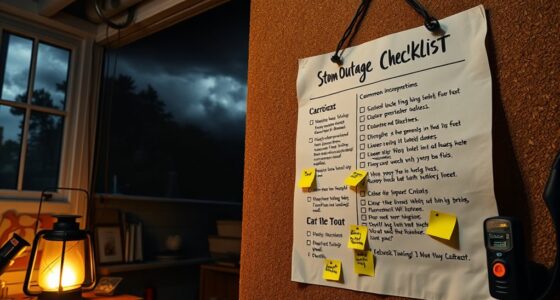
During a power outage, wasting fuel often happens when you overload your generator or run it at full capacity unnecessarily. Poor placement or insufficient ventilation causes the engine to work harder and overheat, wasting fuel and risking damage. Inconsistent maintenance or using old, contaminated fuel lowers efficiency. If you follow the best practices for operation, load management, and maintenance, you’ll save fuel and keep your generator running smoothly. Keep going to discover how to avoid these common mistakes.

Get backup power and energy gear delivered free — and shop member deals
- Fast, free delivery on millions of items
- Access to Prime Big Deal Days deals on October 6–7
- Prime Video, Amazon Music and more included
Key Takeaways
- Running the generator at full capacity unnecessarily consumes excessive fuel.
- Overloading the generator causes inefficiency and increases fuel consumption.
- Failing to perform regular maintenance leads to poor fuel efficiency and increased waste.
- Placing the generator in poorly ventilated areas causes overheating and higher fuel use.
- Neglecting proper fuel storage and using old or contaminated fuel reduces efficiency and wastes fuel.
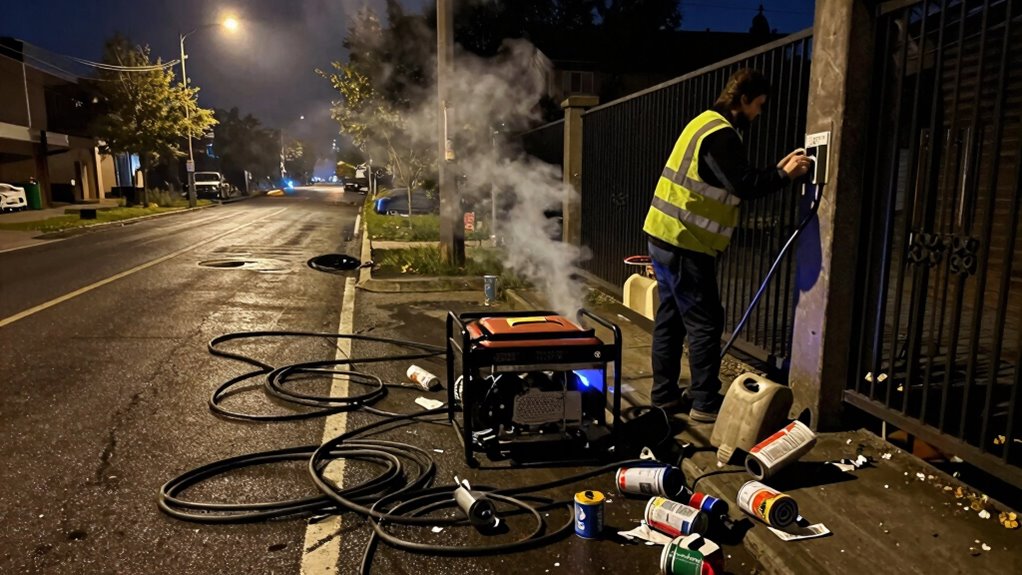
When a power outage hits unexpectedly, it’s easy to panic or make mistakes that could worsen the situation. One common mistake is ignoring the importance of proper generator maintenance. If you haven’t scheduled regular checkups, your generator might not run efficiently when you need it most. Old or poorly maintained equipment consumes more fuel than necessary, draining your supplies faster and leaving you vulnerable during prolonged outages. Taking the time to perform routine inspections, change filters, and ensure fuel lines are clean can make a significant difference in fuel efficiency. It’s also essential to follow the manufacturer’s guidelines for maintenance, which helps prevent breakdowns and keeps your generator running smoothly when electricity is out.
Regular generator maintenance ensures efficiency and reliability during power outages.
Another mistake is failing to prepare in advance for emergency situations. Emergency preparedness isn’t just about having supplies; it also involves understanding how to operate your generator safely and efficiently. Many people overlook reading the user manual or practicing startup procedures beforehand. When the lights go out, you don’t want to waste valuable time fumbling with unfamiliar controls or troubleshooting issues. Regularly testing your generator, ideally when the power is still on, helps you identify potential problems and ensures you’re ready to deploy it during an outage. This preparation can prevent wasteful fuel consumption caused by improper startup or shutdown techniques. Proper generator operation is essential to maximize fuel efficiency and safety during emergencies. Additionally, understanding the fuel quality and storage practices can help keep your generator running smoothly and prevent issues caused by contaminated or stale fuel. Maintaining awareness of fuel consumption rates can also help you better plan for extended outages and avoid unnecessary fuel wastage.
Many forget that running a generator at full tilt all the time also wastes fuel. Instead, you should prioritize powering only essential appliances and devices, which conserves fuel and reduces unnecessary strain on your equipment. Overloading the generator or running it longer than necessary leads to higher fuel consumption and can shorten its lifespan. Keep an eye on the load capacity and shut it down as soon as your critical needs are met. Additionally, storing fuel properly and keeping it fresh helps your generator operate more efficiently, avoiding the extra fuel costs associated with struggling to run on stale or contaminated fuel. Proper fuel storage and maintenance of fuel quality are vital for optimal generator performance.
Finally, many people neglect the importance of proper ventilation and placement of the generator, which can cause it to work harder or inefficiently. Placing it in a well-ventilated area, away from windows and doors, prevents overheating and ensures it runs at optimal efficiency. Being proactive with generator maintenance and emergency preparedness not only helps you conserve fuel but also guarantees your safety and peace of mind during power outages. When you’re ready, you’ll face outages with confidence, knowing your generator is ready to serve efficiently and reliably.
Frequently Asked Questions
How Can I Prevent Power Outage Mistakes From Wasting Fuel?
To prevent power outage mistakes from wasting fuel, you should prioritize outage preparedness by regularly maintaining your equipment and having backup power sources ready. Practice energy conservation by turning off unnecessary devices and minimizing energy use during outages. Monitoring your fuel levels guarantees you don’t run out unexpectedly. These steps help you manage outages efficiently, reduce fuel waste, and keep your energy consumption under control during emergencies.
Are There Specific Appliances That Consume More Fuel During Outages?
During outages, appliances like generators, space heaters, and electric stoves tend to consume more fuel, impacting your fuel efficiency. You should consider switching to alternative energy sources, like solar or wind, to reduce reliance on fuel-powered devices. Properly maintaining your generator and using energy-efficient appliances can also prevent unnecessary fuel consumption, helping you maximize fuel efficiency during power outages and avoid waste.
What’s the Safest Way to Store Extra Fuel for Outages?
Think of your fuel storage as a precious flame that needs careful tending. To guarantee safety during outages, store extra fuel in approved, tightly sealed containers away from heat, flames, and living areas. Follow fuel storage safety guidelines diligently, and incorporate emergency fuel planning into your prep. Regularly check containers for leaks or corrosion, and never store large quantities without proper ventilation. This approach keeps your power backup both ready and safe.
How Do I Identify if My Power Outage Causes Fuel Waste?
You can tell if a power outage causes fuel waste by watching for power surges or voltage fluctuations when power returns. These sudden changes can make your generator or equipment run inefficiently, wasting fuel. If you notice your appliances flickering or your generator running unevenly after an outage, it’s a sign that these issues could be causing unnecessary fuel consumption. Regular maintenance helps prevent this waste and keeps your system running smoothly.
Can Using Backup Generators Improperly Lead to Increased Fuel Use?
Yes, using backup generators improperly can lead to increased fuel use. To guarantee fuel efficiency, you should prioritize regular generator maintenance, like checking oil levels and filters, and running the generator at ideal load levels. Avoid running it unnecessarily or at full throttle when not needed. Proper maintenance and operation help maximize fuel efficiency, saving you money and ensuring your generator performs reliably during power outages.
Conclusion
Imagine your fuel is like water in a leaky bucket—every mistake during a power outage causes it to drain faster. I once saw someone leave their generator running unnecessarily, wasting gallons of fuel, only to find they could’ve saved it with a simple switch-off. Avoid these common errors, and you’ll keep your fuel tank full longer, ensuring power when you need it most. Small actions make a big difference—don’t let avoidable mistakes drain your resources.
Fall Picks
fall essentials
As an affiliate, we earn on qualifying purchases.