To interpret a generator’s nameplate data, start by noting its rated power output, voltage, and frequency to guarantee compatibility with your equipment. Check the operational limits, like maximum load capacity and fuel consumption rates, to plan usage and budget. Pay attention to safety ratings, noise levels, and environmental certifications to choose the right model for your needs. Understanding these details helps prevent damage and ensures safe, efficient operation—continue exploring to become more confident in selecting and managing your generator.

Get backup power and energy gear delivered free with Prime
- Fast, free delivery on millions of items
- Prime Video, Amazon Music and more included
- Member-only deals all year
Key Takeaways
- Identify the rated power output to determine the generator’s capacity for your load requirements.
- Check voltage and frequency ratings to ensure compatibility with connected equipment.
- Review operational limits and starting capabilities to prevent overloads and ensure proper startup.
- Examine fuel consumption rates to estimate running costs and optimize efficiency.
- Confirm safety ratings and environmental certifications to ensure compliance and safe operation.
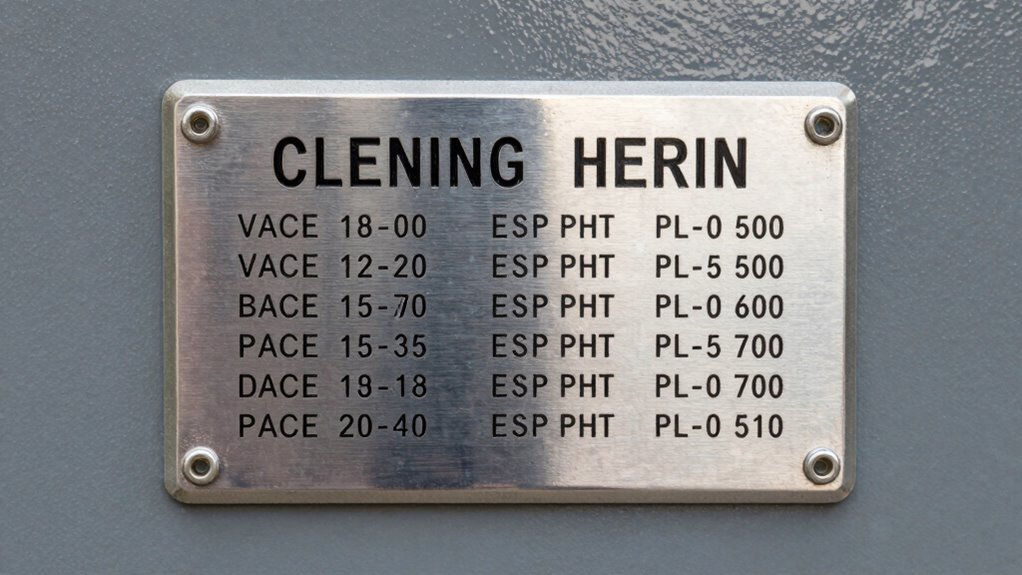
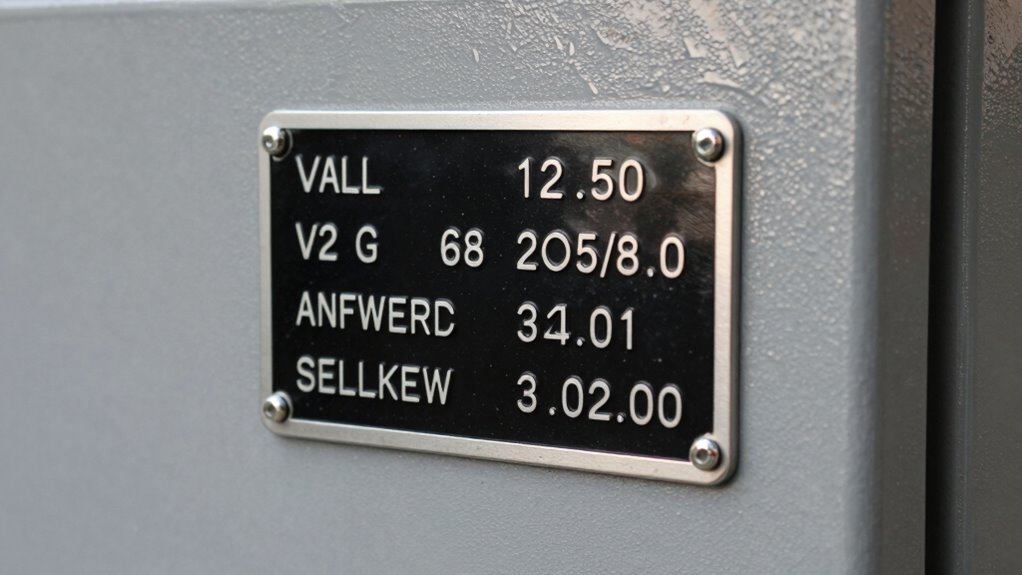
Have you ever wondered what all those numbers and specifications on a generator’s nameplate really mean? When you look at it, you see a jumble of figures, but understanding what they signify can make a big difference in how you operate and maintain your generator. The nameplate provides essential details about the generator’s capacity, operational limits, and requirements, all of which influence your decision-making. One key aspect to pay attention to is fuel efficiency. The nameplate often indicates fuel consumption rates under specific loads, helping you estimate running costs and plan fuel supplies accordingly. Knowing how efficiently your generator uses fuel allows you to optimize its operation, reduce waste, and extend its lifespan. If it’s not clear from the plate, refer to the manufacturer’s documentation or consult with a technician to understand the fuel consumption at various loads. This knowledge helps you prevent unnecessary wear and tear caused by overloading or inefficient running, ultimately saving money and energy. Understanding generator efficiency can significantly impact your overall operational costs. Additionally, the nameplate sometimes displays information about the generator’s starting and running capabilities, which is critical for ensuring that your equipment is compatible and won’t be damaged during startup. To ensure safe and reliable operation, it’s important to match the generator’s capabilities with your specific power needs. The nameplate also guides you in establishing proper maintenance schedules. It includes essential details like the generator’s rated power output, voltage, and frequency, which are indispensable for ensuring the unit runs smoothly and safely. Regular maintenance, based on these specifications, can prevent costly breakdowns and prolong the lifespan of your equipment. For example, if the nameplate specifies a recommended oil change interval, stick to it; neglecting this can lead to engine failure or reduced efficiency. Monitoring the operational hours and understanding the load capacity from the data on the nameplate helps you schedule routine inspections and part replacements. This proactive approach keeps your generator dependable, especially during critical times when you need it most. Recognizing the importance of fuel consumption rates and other specifications listed on the nameplate can help you optimize the generator’s performance and reduce operating costs. Understanding the safety ratings and environmental certifications listed on the nameplate can help you ensure compliance with local regulations and operate your generator within safe parameters. Additionally, being aware of noise levels can help you consider neighborhood or workplace restrictions, ensuring a quieter operation. Recognizing these details not only promotes safe operation but also ensures your generator adheres to environmental standards, reducing its ecological impact. Furthermore, the nameplate often features safety ratings and environmental certifications, which are essential for compliance and safe operation. Recognizing these details ensures you use the generator within its designed parameters, avoiding potential hazards. It also helps you select the appropriate accessories or backup systems to maximize performance and safety. By understanding the generator’s specifications, you also gain insight into its limitations, enabling you to plan for upgrades or replacements as your power needs evolve. In essence, taking the time to interpret your generator’s nameplate data empowers you to operate more efficiently, plan maintenance better, and manage fuel consumption effectively. It’s a simple step that yields long-term benefits, ensuring your generator remains reliable and cost-effective throughout its service life.
Frequently Asked Questions
What Do the Different Colors on a Nameplate Signify?
The different colors on a generator nameplate indicate safety warnings and important data through color coding. These colors help you quickly identify safety indications, such as hazardous areas or electrical warnings. For example, red often signals danger, while yellow suggests caution. Pay attention to these color codes, as they guide you in safe operation and maintenance, ensuring you understand critical safety information at a glance.
How Often Should Generator Nameplate Data Be Checked?
Ever wondered how often you should check your generator’s nameplate data? You should review it at least annually or during regular maintenance schedules to guarantee everything’s up to date. Following installation guidelines, verify specs to confirm proper operation and safety. Regular checks help catch discrepancies early, preventing costly issues. Keep a record of inspections to maintain peak performance and ensure your generator remains compliant with manufacturer recommendations and safety standards.
Can Nameplate Data Vary Between Manufacturers?
Yes, generator nameplate data can vary between manufacturers, affecting your understanding of generator efficiency and maintenance intervals. Different brands may use distinct standards or units, so you need to compare data carefully. Always review the specifications closely to verify you meet the required efficiency levels and follow proper maintenance schedules. Recognizing these differences helps you optimize performance and extend your generator’s lifespan.
What Should I Do if the Nameplate Is Damaged or Unclear?
When faced with a damaged or unclear nameplate, think of it as a puzzle waiting to be solved. You should prioritize label preservation to prevent further deterioration and conduct a damage assessment to gather all available data. Contact the manufacturer or consult technical manuals for accurate specifications. Taking these steps guarantees you maintain essential generator information, allowing for proper operation, maintenance, and safety despite the damage or ambiguity.
Does the Nameplate Include Information About Noise Levels?
Yes, the nameplate often includes noise level information, usually measured in decibels (dB). This helps you compare noise levels to standards and determine if soundproofing techniques are necessary. When noise levels exceed noise level standards, consider installing soundproofing techniques like barriers or enclosures to reduce sound. Always check the nameplate first to understand your generator’s sound output and plan accordingly for quieter operation, especially in noise-sensitive environments.
Conclusion
So, next time you glance at a generator’s nameplate, don’t just see a jumble of numbers—see a secret code waiting to tell you its story. Ironically, understanding these details might be the one thing that saves you in a blackout. After all, who knew that decoding a simple label could turn you into the hero of your own power saga? It’s almost too easy—until you realize you’ve been ignoring the clues all along.
Fall Picks
fall essentials
As an affiliate, we earn on qualifying purchases.