To meet fire resistance and enclosure requirements per NFPA 110 and IFC, you need to guarantee your fuel and emergency power systems are housed within fire-resistant barriers designed to withstand specific fire durations. These enclosures must prevent fire spread, inhibit smoke movement, and allow safe maintenance access. Proper material choices and compliance with standards help protect critical systems during fires, ensuring safety and operational stability. Exploring further will reveal how to implement these standards effectively in your facility.
Key Takeaways
- Enclosures must be fire-resistant for specified durations to protect fuel and emergency systems, complying with NFPA 110 and IFC standards.
- Fuel system enclosures require fire-resistant barriers to prevent fire spread and enable safe shutdowns during emergencies.
- Emergency power system enclosures must withstand high temperatures and prevent smoke or flame infiltration, following NFPA 110 guidelines.
- Fire-rated materials, ventilation, wiring, and access points must meet strict fire-resistance standards for enclosure safety.
- Incorporating these requirements into overall fire safety planning ensures system protection and regulatory compliance.

Understanding fire resistance and enclosure requirements is essential for ensuring safety in building design and construction. When planning for fire safety, it’s crucial to consider how your building’s components, including the fuel system and emergency power systems, are protected against fire hazards. These systems play a vital role in maintaining safety and functionality during emergencies, so their enclosure must meet specific fire resistance standards outlined in codes like NFPA 110 and the International Fire Code (IFC). Properly enclosing and protecting these systems helps prevent fire spread, minimizes damage, and guarantees critical operations can continue or safely shut down.
Ensuring fire-resistant enclosures for fuel and emergency systems safeguards safety and maintains critical operations during fires.
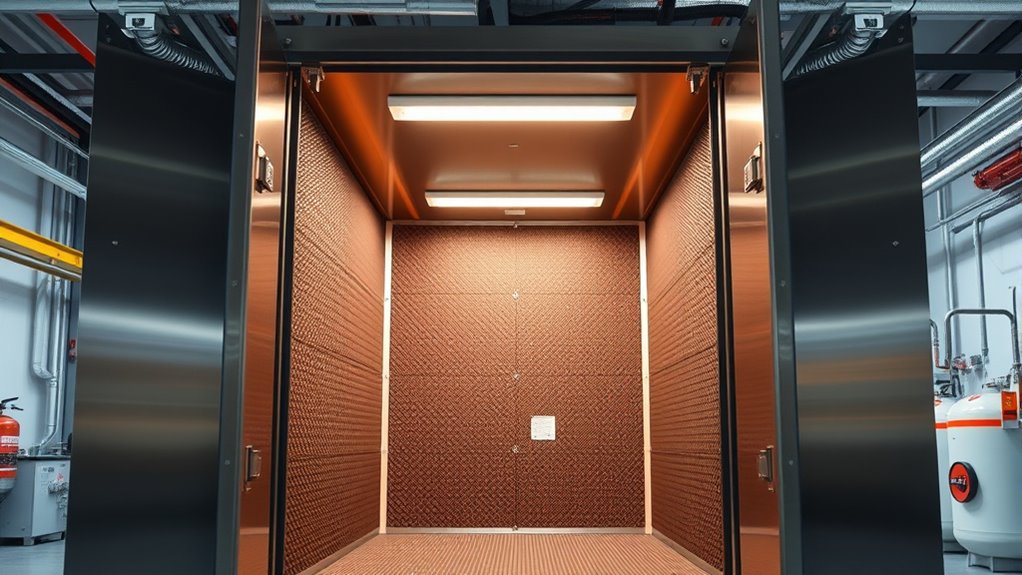
In particular, your fuel system, which supplies energy to generators and other equipment, must be enclosed with fire-resistant barriers. If a fire were to compromise the fuel system, it could lead to catastrophic failures or explosions, endangering lives and property. To prevent this, codes require that fuel lines, tanks, and associated equipment be housed within enclosures that resist fire for a designated period, typically measured in hours. This fire resistance ensures that even if a fire occurs elsewhere in the building, your fuel system remains intact long enough to contain the fire or allow for safe shutdown procedures.
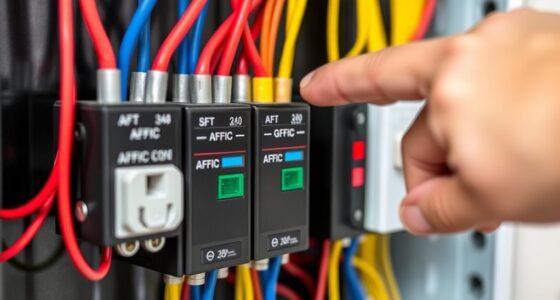
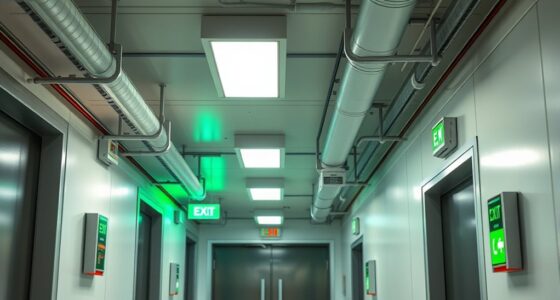
Similarly, emergency power systems, especially those powered by generators, need robust enclosure standards. These systems are often critical during power outages, providing backup power to life safety systems, fire alarms, and other essential functions. The enclosures for emergency power equipment must be designed to withstand high temperatures, prevent the spread of smoke and flames, and allow for safe access for maintenance and inspections. NFPA 110 provides guidelines on how these systems should be protected, ensuring that fires won’t disable their operation when they’re needed most.
You should also be aware that fire resistance requirements extend beyond just the physical enclosure. Ventilation, wiring, and access points must meet specific fire-rated standards to prevent fire spread and maintain the integrity of the enclosure. Regular inspections and maintenance are necessary to keep these protective measures effective over time. When designing your fire protection plan, always guarantee that your fuel system and emergency power are integrated into the building’s overall fire resistance strategy, following the standards set by NFPA 110 and IFC. Additionally, understanding fire-resistant materials and their properties can help optimize enclosure effectiveness and safety.
Frequently Asked Questions
How Often Should Fire Resistance Ratings Be Re-Evaluated?
You should re-evaluate fire resistance ratings during your regular inspection schedule, typically every 1 to 3 years, or whenever significant modifications are made. The re-evaluation frequency depends on your facility’s use, age, and any updates to codes or standards. It is crucial to stay proactive, ensuring your fire resistance measures remain effective and compliant, and to document all re-assessments for future reference.
Are There Specific Materials Mandated for Fire-Resistant Enclosures?
Think of fire-resistant enclosures as the fortress walls of your equipment. Specific fire-resistant materials, like gypsum board, mineral fiber, and intumescent coatings, are mandated to meet enclosure standards. These materials are chosen for their ability to withstand high temperatures and prevent fire spread. By adhering to these standards, you guarantee your enclosures provide maximum protection, effectively containing fire hazards and safeguarding your assets from potential damage.
What Are the Penalties for Non-Compliance With NFPA 110?
If you violate NFPA 110, you risk penalties like fines, legal action, or suspension of your operation. Code enforcement agencies actively monitor for fire safety violations and can impose these penalties to guarantee compliance. Non-compliance increases fire risks, endangers lives, and could lead to costly shutdowns. Staying compliant helps you avoid penalties, protects your property, and ensures safety for everyone involved.
How Do Enclosure Requirements Vary Between Different Building Types?
Like a knight in shining armor, you’ll find that enclosure requirements vary by building type. For example, hospitals demand higher fire resistance and airtight enclosures, while warehouses might have more lenient standards. You need to understand these enclosure variations because they affect safety and compliance. Different building uses dictate specific fire-resistance ratings, materials, and enclosure details, ensuring each structure’s safety aligns with its unique function and risk profile.
Are There Exceptions for Temporary or Portable Fire Enclosures?
Yes, there are exceptions for temporary or portable fire enclosures. You can use temporary enclosures or portable barriers when permanent fire-resistant structures aren’t feasible, but they must still meet safety standards and be approved by authorities. Always guarantee these temporary solutions are properly designed, installed, and maintained to prevent fire spread and protect occupants. Keep in mind that local codes may have specific requirements or restrictions for these temporary enclosures.
Conclusion
Understanding fire resistance and enclosure standards like NFPA 110 and IFC is vital for safety. Did you know that proper fire-rated enclosures can reduce fire spread risk by up to 80%? By adhering to these requirements, you create a safer environment, protecting lives and property. Stay informed and guarantee your systems meet the necessary standards — it’s a small effort that makes a huge difference in emergency situations.