
TL;DR

Get backup power and energy gear delivered free — and shop member deals
- Fast, free delivery on millions of items
- Access to Prime Big Deal Days deals on October 6–7
- Prime Video, Amazon Music and more included
Gov. Gavin Newsom signed two California bills intended to expand virtual power plants, which use batteries, electric vehicles and other customer devices to help manage peak electricity demand. The laws also address utility investment costs, but whether customers see lower bills will depend on implementation under the next governor and state regulators.
California Gov. Gavin Newsom signed two bills Wednesday aimed at expanding virtual power plants, which coordinate customer-owned batteries, electric vehicles and other devices to ease pressure on the electricity grid. The measures are part of a broader energy-affordability package that seeks to contain utility costs, though their effect on customer bills will depend on how state regulators and utilities carry them out.
The bills, SB 913 and SB 905, target different expenses associated with meeting periods of peak electricity demand. SB 913 addresses the cost of keeping aging gas-fired “peaker” plants available for the limited hours when demand is highest. SB 905 focuses on grid investment made to serve those peaks, which can leave some capacity underused during other hours.
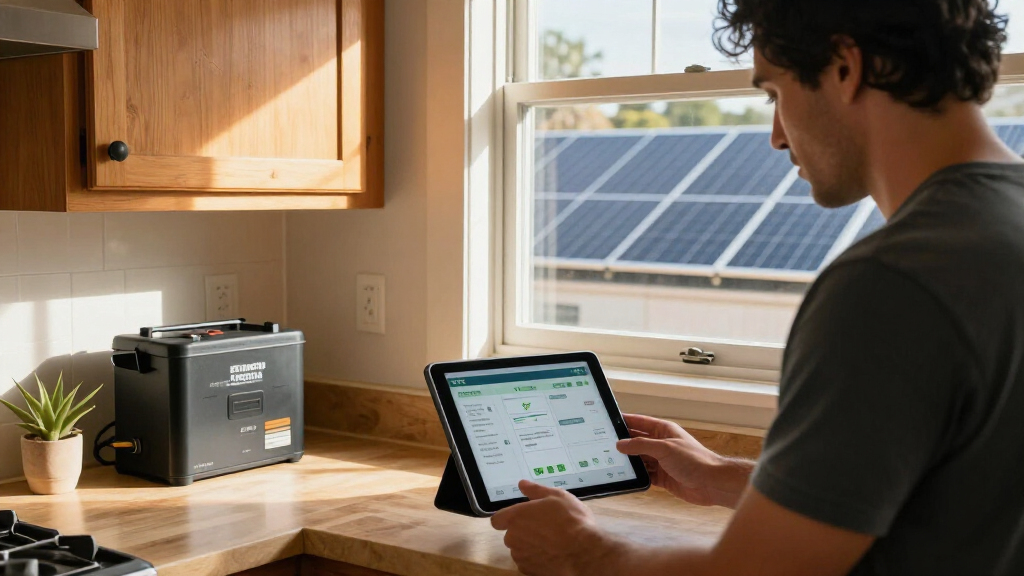
Virtual power plants combine controllable resources such as rooftop-solar batteries, EV chargers and smart thermostats. When coordinated, those devices can reduce electricity use or supply stored energy during high-stress periods, often hot summer evenings. The bills support using those customer resources as an alternative to some peak-related spending; they do not, by themselves, establish how much infrastructure utilities will avoid building or how much customers will save.
The legislation also changes how utilities finance and earn returns on certain investments, including wildfire-prevention and mitigation work. According to the source report, the bills limit the return on equity for some utility costs and direct utilities to borrow more to cover a larger share of grid investments. Utilities opposed provisions affecting their capital spending, the report said.
Peak Demand Meets Utility Costs
The measures matter because they connect customer-owned energy devices to the cost of serving the grid at its busiest times. Utilities generally build or retain capacity to meet peak demand, even when it is not needed for most hours. If coordinated devices can reliably reduce that peak, they could help limit the need for some expensive grid upgrades or peaker-plant use.
That possibility has direct relevance for California households facing high electricity rates. The source report says average residential rates at the state’s three major investor-owned utilities have risen to roughly twice the U.S. average over the past decade. The bills are intended to address parts of the cost structure behind those rates, but no bill savings have yet been established. The practical result will depend on program design, participation and whether using distributed resources proves cheaper than alternatives.
The legislation also signals a shift toward rewarding customers for grid services from devices already in their homes. That approach could broaden access to grid programs, but the source material does not specify which customers will qualify, how payments will be calculated or how participation will be measured.
A Change From Earlier Vetoes
Newsom’s approval marks a change from his recent record on virtual power plant legislation. He vetoed three VPP bills last year, and his administration has sought successive cuts to funding for California’s main VPP program. The source report says that program could be unable to continue next year unless the Legislature and the incoming governor agree on a funding plan.
The signed measures came out of a wider affordability effort amid growing frustration over electricity costs. Consumer advocates and clean-energy groups supported the bills, while utilities have resisted proposals that constrain their capital investment and the regulated profits tied to it. Newsom also vetoed a separate bill that would have directed state agencies to overhaul California’s community solar-and-battery market, according to the report. The package therefore advances VPP policy without resolving every dispute over distributed energy or program funding.
“I’d say we saw today a lot of evidence that Gov. Newsom has really prioritized affordability and accountability to an increased extent.”
— Mark Toney, executive director of The Utility Reform Network
Savings Depend on Implementation
The source report does not give a timeline for when the new rules will take effect in customer programs, the payment rates participants could receive or the amount of utility spending the bills might avert. It is also unclear how regulators will define performance, verify that devices reduce peak demand and compare VPP services with grid or power-plant alternatives.
Future funding for the state’s existing VPP program remains unsettled, with the report warning it may not be able to operate next year without an agreement by lawmakers and the next governor. Newsom’s signature alone does not resolve that funding question. Nor does the source establish that customers will see lower bills: that outcome remains contingent on implementation, as Heavner said.
The source report also describes a separate transmission accelerator funding measure, but its excerpt ends before giving the full funding details. Those details cannot be confirmed from the material provided.
Regulators Set the Practical Terms
The next major step is implementation by the California Public Utilities Commission and utilities, under the next governor. Their decisions will determine how the laws translate into programs: which customer devices can participate, how performance is measured, what payments are offered and how utilities account for avoided costs.
Lawmakers and the incoming administration will also need to address funding for the existing state VPP program if it is to continue next year, according to the report. Readers will be able to assess the bills’ real effect only after those rules and funding decisions are made and participation begins. Until then, the confirmed development is the laws’ approval—not a guaranteed reduction in electricity bills.
Key Questions
What did Newsom sign?
He signed SB 913 and SB 905, two measures supporting virtual power plants and addressing costs linked to peak electricity demand and utility investment.
What is a virtual power plant?
It is a coordinated group of customer-owned devices—such as batteries, EV chargers and smart thermostats—that can reduce electricity demand or provide stored power when the grid is under strain.
Will the bills lower electricity bills?
That is not yet known. The source report says the effect on customers will depend on implementation by the California Public Utilities Commission and the next governor; it does not document savings already achieved.
What happens to California’s existing VPP program?
Its future funding remains unresolved. The source report says it may be unable to continue next year unless the Legislature and incoming governor agree on a funding plan.
Source: rss
Halloween Picks
halloween
As an affiliate, we earn on qualifying purchases.