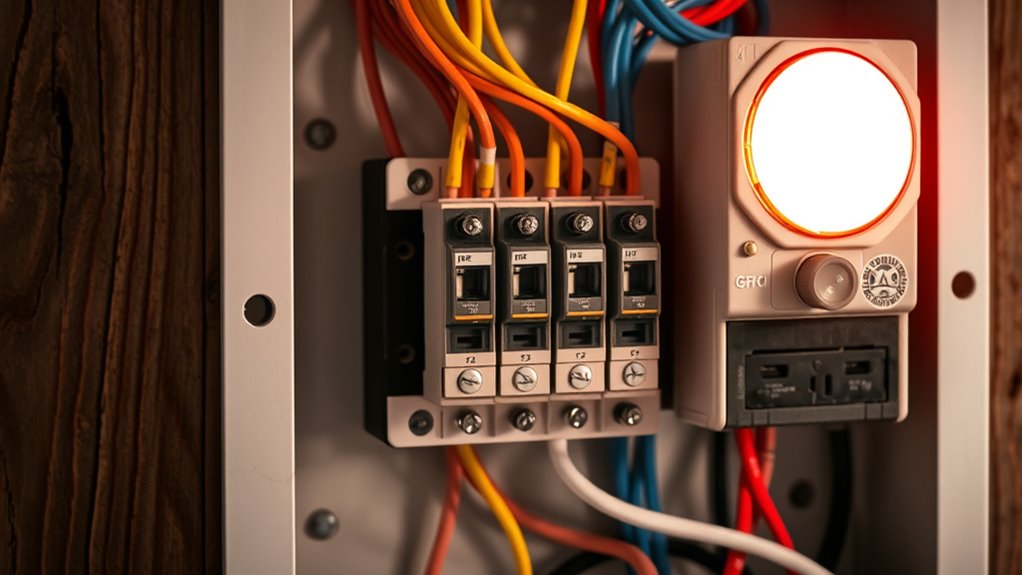

Understanding how AFCIs and GFCIs work together can be tricky, as many myths suggest they always interfere or trip unnecessarily. In reality, proper installation, correct wiring, and compliance with standards greatly reduce nuisance trips. Field experience shows that compatibility issues often stem from wiring mistakes or environmental factors, not device faults. If you’re curious about best practices to ensure safe, reliable protection, there’s much more to uncover about effective coordination and troubleshooting.
Open a free Amazon Business account
Business pricing, bulk buying and tax-exempt orders.
As an affiliate, we earn on qualifying purchases.
Key Takeaways
- Proper wiring, grounding, and device compatibility are essential to prevent false trips and ensure reliable AFCI and GFCI operation.
- Field observations show that overlapping signals can cause nuisance alarms, contradicting the myth of flawless compatibility.
- Regular testing and inspection help identify environmental or wiring issues that may lead to false or unnecessary trips.
- Combining industry standards with proper installation practices enhances long-term safety and device effectiveness.
- Coordinating AFCIs and GFCIs properly minimizes safety risks, operational disruptions, and improves overall electrical protection.
Clarifying the Role of Arc-Fault and GFCI Devices in Safety
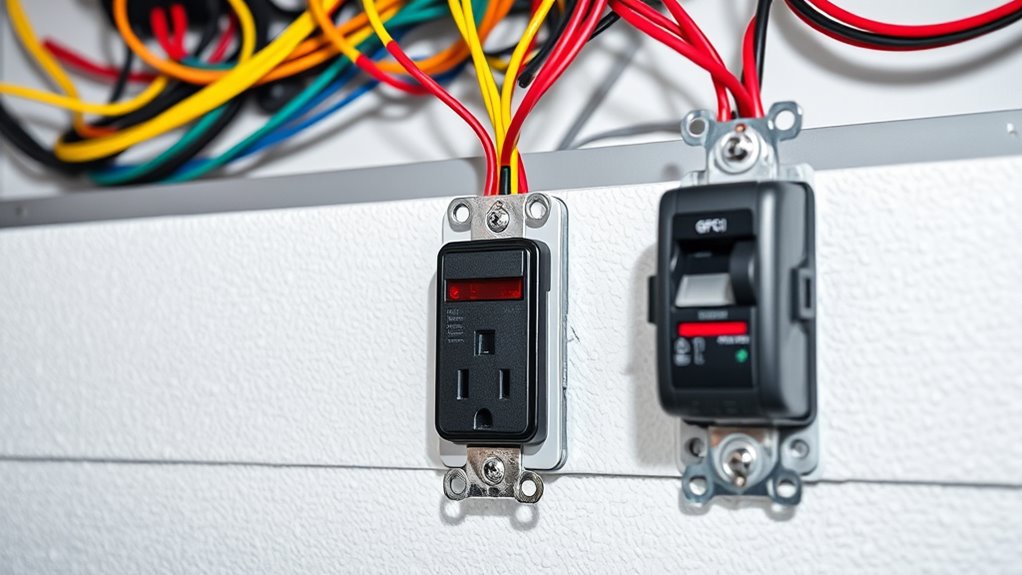
Understanding the roles of arc-fault and GFCI devices is essential for guaranteeing electrical safety in your home. These devices work alongside circuit breakers to protect you from electrical hazards. Circuit breakers trip when they detect overloads or short circuits, but they don’t prevent all fire risks. Arc-fault circuit interrupters (AFCIs) detect dangerous arcing that can cause fires, while Ground Fault Circuit Interrupters (GFCIs) shut off power when they sense ground faults, preventing shocks. Electrical codes require these devices in specific areas for safety compliance. By understanding their functions, you can better safeguard your home and ensure electrical systems meet safety standards. Proper installation and use of these devices are key to reducing fire and shock risks effectively. Additionally, awareness of projector technology can help you choose safer, more reliable home entertainment systems.
Common Misconceptions About Compatibility and Interference

Many homeowners assume that installing both AFCIs and GFCIs on the same circuit will always work seamlessly, but this isn’t the case. Device compatibility issues can lead to false trips or nuisance alarms. Common misconceptions include:
- Sensor interference: Some believe that AFCIs and GFCIs won’t interfere with each other, but overlapping sensor signals can cause malfunctions.
- Universal compatibility: Not all AFCIs and GFCIs are designed to work together; specific models may have compatibility issues.
- Simplistic installation: Assuming a straightforward setup overlooks the importance of proper wiring and device placement to prevent false trips.
Understanding these myths helps you avoid unnecessary troubleshooting and ensures your safety devices function correctly without interference.
Real-World Field Observations on GFCI and Arc-Fault Coordination

In real-world settings, installers often encounter unexpected interactions between GFCIs and arc-fault detectors, revealing that theoretical compatibility doesn’t always translate into flawless operation. These observations challenge common arc fault myths and GFCI misconceptions that suggest perfect coordination is guaranteed. For example, some GFCIs may trip unnecessarily when detecting certain arc signatures, leading to false alarms. Conversely, some arc-fault detectors may not trigger quickly enough, causing concerns about safety. These issues highlight that relying solely on theory can be misleading. By understanding that field conditions vary and that equipment can behave unpredictably, you can better troubleshoot and select devices that work harmoniously. Recognizing these real-world interactions helps ensure safety without false trips or overlooked faults. Additionally, electric safety features such as auto shut-off contribute to overall reliability but may also influence how these devices interact under different conditions.
Practical Tips for Proper Installation and Troubleshooting
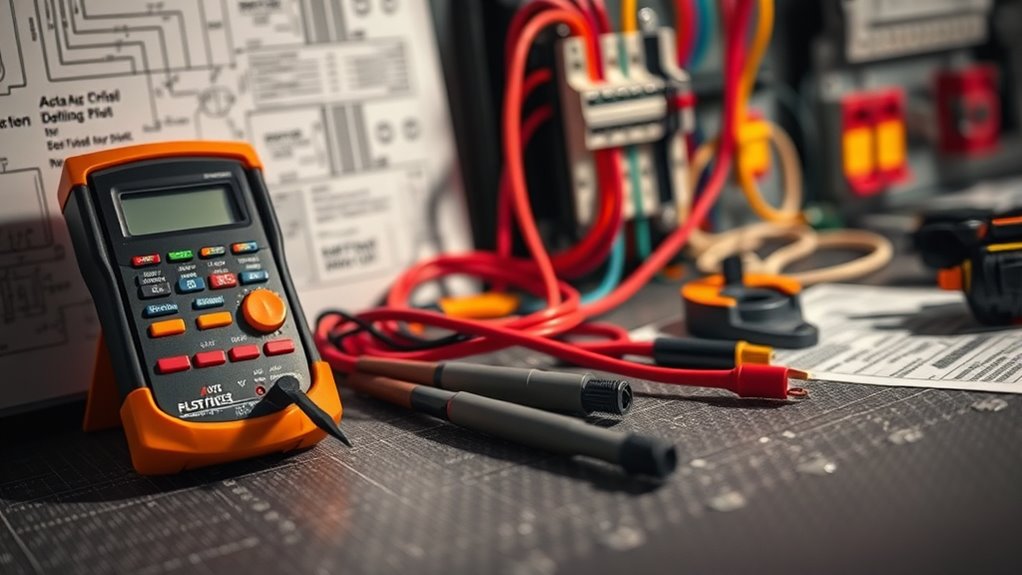
To guarantee your GFCI and arc-fault systems work reliably, you need to follow proper wiring techniques from the start. When troubleshooting trips, focus on common issues like loose connections or damaged wiring that may cause false trips. Staying methodical and understanding typical problem points helps you resolve issues quickly and confidently. Incorporating vibrational energy principles can also help you maintain a balanced electrical environment and prevent unnecessary trips.
Correct Wiring Techniques
Proper wiring techniques are essential for guaranteeing the safety and reliability of arc-fault and GFCI protected circuits. You should always follow proper grounding techniques to prevent potential shocks and faults. Correct wire coloring helps identify circuit paths quickly, reducing installation errors. To ensure proper wiring:
- Use consistent wire coloring—typically black or red for hot, white for neutral, and green or bare for ground.
- Secure grounding techniques by connecting grounding wires firmly to grounding terminals or bus bars.
- Maintain neat, organized wiring to avoid accidental disconnections or shorts, making troubleshooting easier later on.
- Incorporating innovative materials from the latest electrical standards can further improve circuit safety and performance.
Troubleshooting Common Trips
When a circuit keeps tripping, it’s often a sign of an underlying issue that needs attention. Common causes include ground faults or arc faults. First, inspect for visible damage, loose connections, or moisture that could cause a ground fault. If the GFCI trips frequently, test it with a GFCI tester to confirm proper operation. For arc faults, look for signs of damaged wiring or scorching. Use an arc-fault circuit interrupter (AFCI) tester to identify potential arc faults. Reset the breaker after addressing issues, but avoid repeatedly resetting if it trips again. Persistent trips may indicate a hidden problem, so consider consulting a professional electrician. Proper troubleshooting helps guarantee safety and reliable operation of your ground fault and arc fault protection devices. Additionally, reviewing your whole-house wiring can help prevent future issues and ensure your system is up to code.
Myths About GFCI Nuisance Tripping and How to Prevent It

Many people believe that GFCI nuisance tripping is unavoidable, but in reality, most trips happen due to common misunderstandings or improper installation. Grounding issues often cause false trips, so guarantee your GFCI is properly grounded. Wiring errors, such as incorrect line and load connections, are another frequent culprit. To prevent unnecessary trips:
Proper wiring and grounding prevent GFCI nuisance trips and ensure safe operation.
- Verify all wiring is correct and consistent with manufacturer instructions.
- Check grounding connections for security and proper contact.
- Avoid using GFCIs in damp or overly humid environments without appropriate enclosures.
- Be aware that Bedroom wiring conditions, such as the presence of natural materials and environmental factors, can influence GFCI performance.
Addressing these issues reduces false trips and improves device reliability. Proper installation and understanding of wiring and grounding basics are essential to prevent nuisance tripping and assure safe, consistent operation.
Facts That Ensure Optimal Protection and Compliance
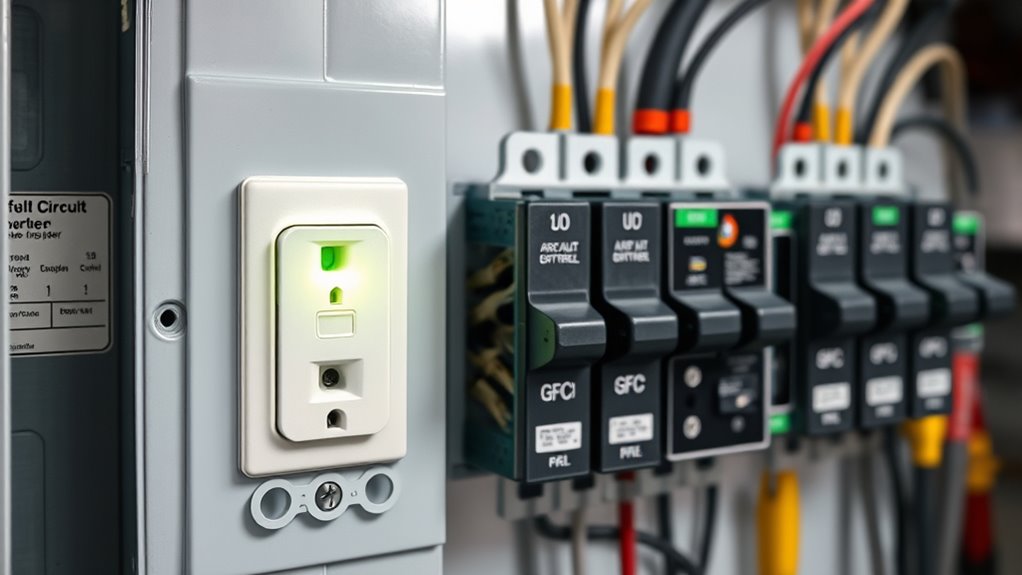
To guarantee your system offers peak protection and stays compliant, you need to focus on correct device coordination and proper installation practices. These steps help prevent faults and reduce nuisance trips, keeping your electrical setup safe. Following established standards is also essential to meet regulations and maintain reliability. Incorporating proper safety practices such as grounding and insulation further enhances system integrity and safety.
Correct Device Coordination
Proper device coordination is crucial to guarantee both safety and code compliance in electrical systems. To achieve this, focus on strategic device placement and appropriate wiring methods. Correct coordination ensures devices work together effectively, preventing nuisance tripping and maintaining protection. Incorporating industry trends can further enhance the effectiveness of your device coordination strategies.
Proper Installation Practices
Effective installation practices are the foundation for ensuring that AFCIs and GFCIs provide maximum protection while meeting electrical codes. Start by verifying proper grounding, as grounding issues can compromise device performance and safety. Ensure all grounding connections are secure and code-compliant to prevent false tripping or overlooked faults. Additionally, pay close attention to device labeling, confirming that labels clearly identify the function and limitations of each device. Proper labeling helps users understand how to test and reset the devices correctly, reducing misuse and potential hazards. When installing, follow manufacturer instructions precisely, and double-check that all connections are tight and correct. These practices help guarantee your AFCIs and GFCIs deliver ideal protection and remain compliant with safety standards. Incorporating durable equipment designed specifically for your environment ensures long-lasting safety and efficiency.
Compliance With Standards
Ensuring your AFCIs and GFCIs meet all relevant standards is essential for providing reliable protection and maintaining code compliance. Proper adherence guarantees device labeling is clear and accurate, helping you verify correct installation. You should also follow standardized testing procedures to confirm devices operate as intended under various conditions. To achieve this, consider these key aspects:
- Confirm the devices are certified and labeled according to recognized standards such as UL or IEC.
- Perform regular testing procedures to verify proper functionality and detect potential faults.
- Review manufacturer instructions to ensure compliance with installation and maintenance requirements.
- Implement vertical storage solutions to organize tools and documentation related to device testing and maintenance.
Frequently Asked Questions
How Do Environmental Factors Influence Arc-Fault and GFCI Device Performance?
Environmental conditions critically impact arc-fault and GFCI device performance. Excessive moisture, dust, or extreme temperatures can compromise device durability, causing false trips or failures. You should regularly inspect these devices in harsh environments and guarantee proper sealing and ventilation. By maintaining suitable environmental conditions, you help assure their reliable operation, reducing risks of electrical faults and prolonging device lifespan. Proper care keeps your safety devices functioning effectively when you need them most.
Are There Specific Building Codes Requiring Combined Use of Arc-Fault and GFCI Devices?
You’ll find that building codes, like the NEC, often require the combined use of arc-fault and GFCI devices for enhanced safety compliance. These standards aim to prevent electrical fires and shocks, especially in areas like bedrooms and kitchens. By following these safety standards, you guarantee your installation meets legal requirements and provides maximum protection. Always check local codes, as requirements can vary, and consult an electrician to confirm proper device placement.
Can Older Wiring Systems Impact the Effectiveness of Modern Arc-Fault and GFCI Protections?
Older wiring systems can impact the effectiveness of modern arc-fault and GFCI protections, especially if grounding issues or insulation degradation are present. You might find that these problems cause false trips or reduce device sensitivity. To guarantee proper protection, inspect wiring for loose grounds, damaged insulation, and outdated materials. Upgrading or repairing wiring helps your devices function correctly, providing safer electrical systems in your home.
What Advancements Are Being Made to Improve Compatibility Between Arc-Fault and GFCI Devices?
To improve compatibility between arc-fault and GFCI devices, manufacturers are advancing smart device integration and fault detection technologies. They’re developing smarter systems that communicate seamlessly, enhancing safety and reducing nuisance tripping. These innovations focus on precise fault detection, ensuring older wiring systems are protected effectively while minimizing false alarms. By prioritizing smart integrations and advanced fault detection, you get more reliable, coordinated protection that adapts to your home’s evolving electrical needs.
How Do Electrical Loads and Circuit Complexity Affect Device Interactions and Safety?
You should consider how load diversity and circuit topology influence device interactions and safety. Complex circuits with multiple loads can cause nuisance trips or missed detections if devices aren’t properly coordinated. By understanding load diversity, you guarantee devices respond accurately to actual faults. Simplifying circuit topology and balancing loads enhance safety, reducing false trips and ensuring reliable protection. Proper design helps maintain safety standards while avoiding unnecessary interruptions.
Conclusion
So, next time you’re tangled in myths about arc-faults and GFCIs, remember—these devices aren’t jealous divas demanding exclusivity. They’re more like teammates on a safety team, working together smoothly if you follow proper installation and troubleshooting. Think of it as a well-choreographed dance—no random trips or missteps. Get your facts straight, debunk the myths, and let these devices do their job without throwing a fit. Safety’s not rocket science, just good old-fashioned know-how.
Fall Picks
fall essentials
As an affiliate, we earn on qualifying purchases.