
To inspect your generator day tank, start by carefully opening the tank following safety procedures. Use a clean, transparent container to siphon a fuel sample from the bottom, checking for clarity, discoloration, or sediments. Examine the exterior and interior for rust or corrosion signs, and inspect fittings, valves, and venting systems for leaks or cracks. Keep everything sealed tightly, and consider using stabilizers or inhibitors. If you want to learn more about thorough inspection techniques, keep exploring the key steps.

Get backup power and energy gear delivered free with Prime
- Fast, free delivery on millions of items
- Prime Video, Amazon Music and more included
- Member-only deals all year
Key Takeaways
- Safely open the tank following proper safety procedures and inspect for signs of contamination or sediment.
- Check for corrosion, rust, or leaks on tank fittings, valves, and venting systems.
- Examine fuel clarity, color, and look for water droplets or cloudiness in the sample.
- Ensure the tank is sealed tightly and free from moisture ingress or debris buildup.
- Regularly perform interior inspections and clean or replace damaged components as needed.
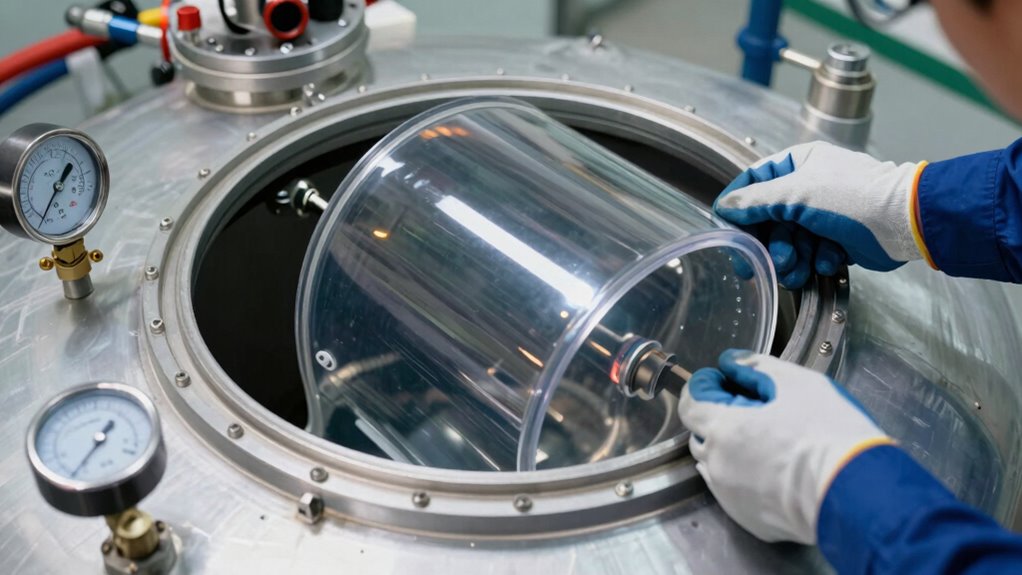
Inspecting your generator day tank is essential to guarantee reliable operation and prevent potential issues. Regular inspections help you catch problems early, saving you time and money in the long run. One of the primary concerns during these inspections is fuel contamination. Over time, dirt, water, or debris can enter the tank, compromising fuel quality. To check for contamination, begin by opening the tank carefully, ensuring you follow safety procedures. Use a clean, transparent container to siphon a small sample of fuel from the tank’s bottom, where contaminants tend to settle. Examine the fuel’s appearance; it should be clear and free of discoloration or sediments. If you notice water droplets, sediment, or a cloudy appearance, you’ll need to drain and replace the fuel to prevent engine problems. Fuel contamination not only affects performance but can also cause damage to injectors, filters, and other components. Fuel quality is vital for the proper functioning of your generator.
Corrosion prevention is another critical aspect of inspecting your day tank. Inside the tank, corrosion can develop, especially if the fuel contains water or if the tank isn’t properly sealed. Visible signs of corrosion include rust spots, pitting, or a flaky surface on tank walls. If you spot rust, it indicates moisture ingress, which can accelerate corrosion and compromise the tank’s integrity. To prevent this, ensure the tank is sealed tightly, and consider adding fuel stabilizers or corrosion inhibitors recommended by the manufacturer. Regularly inspecting the tank’s interior, if possible, and checking for corrosion-related damage allows you to take prompt action. Conducting interior inspections with proper safety precautions can help detect early signs of damage and prevent costly repairs. Being aware of fuel storage best practices helps maintain the tank’s condition and prolong its lifespan. You might need to clean the tank with a suitable solution or replace severely corroded components to maintain the tank’s lifespan.
While inspecting, also pay attention to the tank’s fittings, valves, and venting systems. Look for leaks, cracks, or loose connections that could compromise fuel quality or cause safety hazards. A well-maintained tank also requires keeping the exterior clean and free from dirt or debris that could trap moisture and promote corrosion. Regular inspection intervals depend on your operating environment, but a monthly check is generally advisable for most setups. By staying vigilant about fuel contamination and corrosion prevention, you ensure your generator operates smoothly, avoiding unexpected shutdowns or costly repairs caused by neglect. Proper maintenance of your day tank ultimately extends its service life and guarantees your power system remains reliable whenever you need it.
Frequently Asked Questions
What Safety Precautions Should I Take Before Inspecting the Tank?
Before inspecting the tank, you should prioritize safety by wearing proper safety gear, including gloves, goggles, and a respirator if necessary. Confirm the area is well-ventilated and free of hazards. Before tank cleaning, disconnect power sources and drain any remaining fuel or liquids. Check for leaks or corrosion, and handle any hazardous materials carefully. Taking these precautions helps protect you from potential injuries or exposure to harmful substances.
How Often Should a Generator Day Tank Be Inspected?
To keep your generator’s day tank dependable, you should inspect it regularly—typically every 3 to 6 months. During these inspections, focus on fluid levels and tank cleaning to prevent buildup and guarantee peak operation. Consistent checks help catch corrosion, leaks, or contamination early. By maintaining a routine, you prevent problems, prolong tank life, and assure your generator’s readiness when you need it most.
What Signs Indicate a Tank Needs Immediate Maintenance?
You should seek immediate maintenance if you notice signs like tank corrosion or leak detection. Corrosion indicates material deterioration, risking leaks or failure, while leaks can cause environmental hazards and system downtime. Regularly inspecting for rust, cracks, or moisture around fittings helps identify these issues early. If you spot any of these signs, shut down the generator and call a professional to prevent further damage and guarantee safe operation.
Can I Inspect the Tank Without Shutting Down the Generator?
You can attempt an inspection without shutting down the generator, but it’s like playing with fire—risking damage. During tank cleaning and leak detection, it’s best to shut down the system first to guarantee safety and accuracy. Trying to inspect while running might overlook critical issues and cause accidents. Remember, safety always comes first, so don’t cut corners; a proper shutdown makes for a thorough, safer inspection.
What Tools Are Essential for Inspecting a Generator Day Tank?
You’ll need essential tools like a flashlight, a dipstick, and a pressure gauge for inspecting the generator day tank. Make sure your tools are calibrated to guarantee accurate readings. Use an inspection checklist to systematically examine the tank’s condition, including levels, leaks, and corrosion. Properly calibrated tools help detect issues early, preventing potential failures. Always follow safety protocols and verify your tools before starting the inspection for reliable results.
Conclusion
Regularly inspecting your generator day tank keeps it running smoothly, much like tending to a garden guarantees it blooms. By checking for leaks, sediment build-up, and fuel levels, you’re nurturing its health and preventing surprises down the line. Think of each inspection as giving your generator a gentle wake-up call, ensuring it’s always ready to power your needs. Stay vigilant, and your day tank will serve as a steadfast partner, shining like a lighthouse in times of need.
Halloween Picks
halloween
As an affiliate, we earn on qualifying purchases.