
TL;DR

Get backup power and energy gear delivered free — and shop member deals
- Fast, free delivery on millions of items
- Access to Prime Big Deal Days deals on October 6–7
- Prime Video, Amazon Music and more included
London Underground has launched a pilot program to scan passengers’ faces using facial recognition technology. The initiative aims to improve security and streamline travel, but privacy advocates raise concerns. The program is currently in testing, with broader deployment still uncertain.
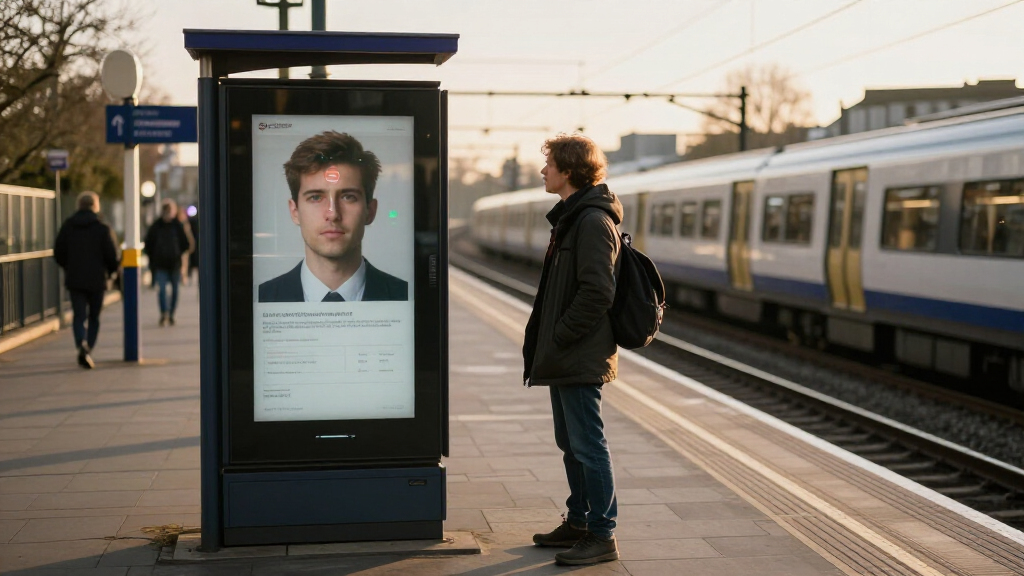
London Underground has begun pilot testing face scanning technology on passengers, a move that officials say aims to enhance security and improve passenger flow. The initiative, which involves scanning faces as commuters enter stations, is currently in the experimental phase and has sparked privacy concerns among advocacy groups and passengers.
The London Underground announced in early April 2024 that it is conducting a pilot program using facial recognition technology at select stations. The system captures images of passengers’ faces to verify identities against security watchlists and facilitate faster entry processes. According to Transport for London (TfL), the program is designed to test the feasibility of biometric verification in a busy urban transit environment.
During the pilot, passengers are informed via signage and announcements that face scans are being conducted, and participation is voluntary. TfL has stated that the data collected will be securely stored and deleted after a specified period, complying with data protection regulations. The technology is supplied by a private contractor, which has not been publicly named.
Privacy groups and civil liberties advocates have raised concerns about the potential misuse of biometric data, surveillance overreach, and the lack of clear long-term plans for data handling. TfL officials emphasize that the project is experimental and that no plans for nationwide rollout have been announced.
Implications for Privacy and Public Transit Security
This development signifies a major shift in how public transit authorities may use biometric data. If successful, face scanning could streamline entry processes, reduce fare evasion, and bolster security measures. However, it also raises significant privacy concerns, especially regarding data security, consent, and potential misuse. The pilot’s outcomes could influence future policies on biometric surveillance in public spaces, not only in London but worldwide.
Top picks for "london underground begin"
As an affiliate, we earn on qualifying purchases.
Background of Facial Recognition in London Transit
Facial recognition technology has been trialed in various sectors globally, often sparking debates over privacy rights and civil liberties. In London, TfL has previously tested other forms of automated fare collection and security measures. The current pilot marks a notable escalation in biometric monitoring, following earlier discussions about implementing facial recognition at airports and major events. The initiative aligns with broader trends toward smart city infrastructure, but faces scrutiny amid ongoing privacy debates.
While TfL has emphasized the security benefits, critics argue that such measures could lead to mass surveillance, eroding personal privacy rights. The UK’s data protection laws require strict controls, but enforcement and oversight are ongoing issues.
“The face scanning pilot is a temporary trial aimed at assessing the technology’s effectiveness and security benefits. Participation is voluntary, and data will be handled with strict privacy safeguards.”
— Transport for London spokesperson
Unclear Long-Term Plans and Privacy Safeguards
It is not yet clear whether TfL intends to expand the face scanning system beyond the pilot phase or how long the trial will last. Details about data storage duration, oversight, and potential future mandates remain undisclosed. Additionally, the impact on passenger privacy and consent procedures are still being evaluated, with advocacy groups calling for greater transparency.
Next Steps for Pilot Evaluation and Public Response
Transport for London is expected to review pilot results over the coming months, assessing security effectiveness, passenger acceptance, and privacy safeguards. Based on these findings, decisions about broader deployment or modifications will be made. Public feedback and regulatory oversight will likely influence the program’s future trajectory.
Key Questions
Is face scanning mandatory for passengers using the London Underground?
No, participation in the face scanning pilot is voluntary. Signage and announcements inform passengers about the system, and they can choose to opt out where possible.
How is passenger privacy protected during the face scanning process?
Transport for London states that collected biometric data will be securely stored and deleted after a set period, in compliance with data protection laws. However, specific technical safeguards have not been fully disclosed.
Will this technology be used across all London Underground stations?
Currently, the face scanning system is only being tested at select stations as part of a pilot program. Broader deployment has not been announced.
What are the privacy concerns associated with this program?
Advocates worry about mass surveillance, potential misuse of biometric data, and lack of transparency. Critics argue that it could infringe on individual privacy rights without sufficient safeguards.
Source: hn
Fall Picks
fall essentials
As an affiliate, we earn on qualifying purchases.