
TL;DR
Portable solar power banks are compact devices that store energy and recharge via sunlight. While they’re great for outdoor use, their slow solar recharging means they work best as supplementary power sources, not sole chargers.
Imagine camping deep in the woods or caught in a power outage. Your phone’s battery is dwindling, but sunlight is abundant. That’s where portable solar power banks shine. They’re not just gadgets — they’re lifelines in the wild or during emergencies.
These devices blend traditional battery storage with tiny solar panels, letting you top off your power bank with sunlight. But how do they really work? And are they worth your investment? Let’s break down what makes these solar-powered batteries tick, what’s new in the tech world, and how to use them without disappointment.
Solar efficiency in power banks hovers around 15-20%, so recharging via sunlight is slow but useful as a supplement.
Choose capacity based on your trip length—10,000 mAh for quick outings, 20,000+ for extended adventures.
Recent tech improvements, like foldable panels and wireless charging, make modern models more versatile and easier to carry.
Use solar power banks as backup power, not the primary source, especially in urgent situations.
Always pre-charge your power bank via wall power before outdoor trips for maximum readiness.
What Exactly Is a Portable Solar Power Bank? How Does It Work?
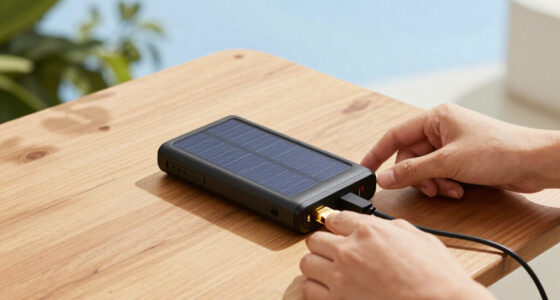
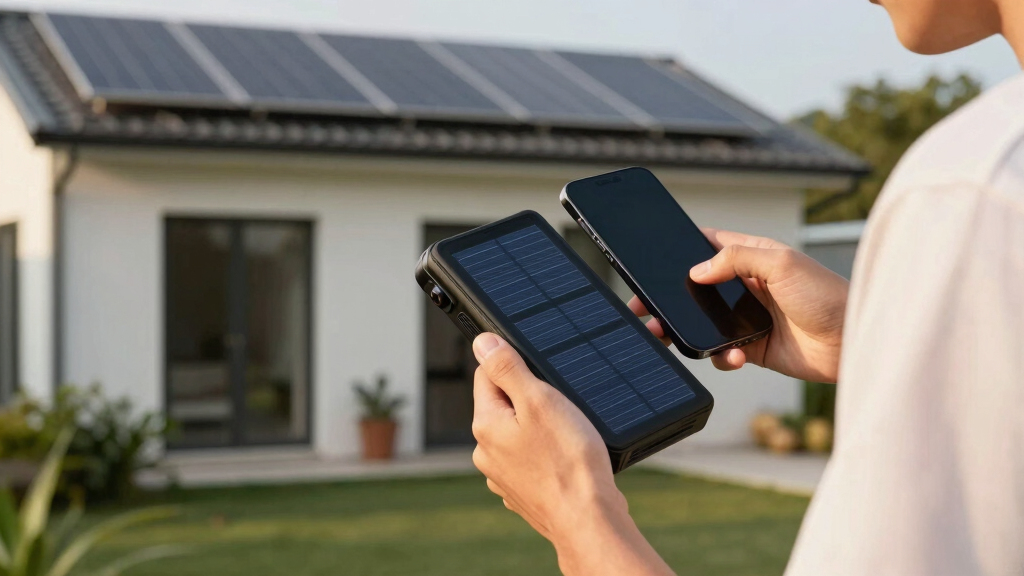
A portable solar power bank is a compact battery pack equipped with small solar panels. It stores electrical energy, which you can use to charge your devices. The solar panels convert sunlight into electricity, but they do so with limited speed and efficiency.
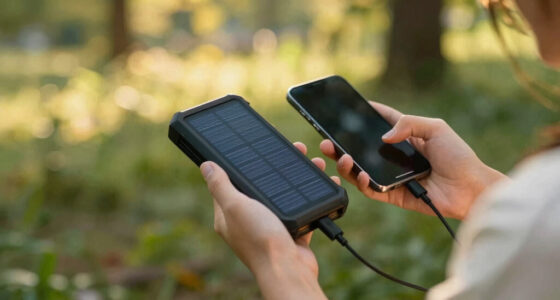
For example, a typical 10,000 mAh power bank with a 5V/2A output can charge a smartphone around 3 times. When you leave it in the sun, the panels might add a few percentage points of charge per hour—enough to extend your device’s battery during a hike or camping trip.
Think of it as a backup fuel tank: it won’t fill instantly, but it keeps you going when grid power isn’t an option. The key is understanding that solar recharging is supplementary, not primary.

EF ECOFLOW Portable Power Station DELTA 2, 1024Wh LiFePO4 (LFP) Battery, 1800W AC/100W USB-C Output, Solar Generator(Solar Panel Optional) for Home Backup Power, Camping & RVs
7 X Faster Charging. 0-80% in just 50 mins and 0-100% in 80 mins with AC input. That's...
As an affiliate, we earn on qualifying purchases.
Why Size and Capacity Matter in Portable Solar Power Banks
Capacity is the heart of a power bank. Ranging from 5,000 mAh to 30,000 mAh or more, it determines how many devices you can juice up before needing a recharge. But bigger isn’t always better—size and weight matter, especially for outdoor gear.
Picture this: a 20,000 mAh model weighs about a pound, with a rugged exterior and foldable solar panels. It’s perfect for longer trips, but carrying it around all day can become tiring. Conversely, a 5,000 mAh power bank is tiny and light but only charges your phone once or twice.
In outdoor scenarios, matching your capacity to your needs is crucial. Larger capacity banks provide more power, but they also add bulk and weight, which can be a tradeoff if portability is a priority. Smaller banks are easier to carry but may not sustain multiple device charges over extended adventures. Understanding your typical usage pattern helps you select a capacity that balances convenience and functionality. This balance is vital because choosing a capacity that’s too small can leave you stranded, while an oversized bank can weigh you down, diminishing the very portability that makes these devices appealing.

Jackery Explorer 1000 v2 Portable Power Station,1070Wh LiFePO4 Battery,1500W AC/100W USB-C Output, 1 Hr Fast Charge, Solar Generator for Camping,Emergency, RV, Off-Grid Living(Solar Panel Optional)
Powerful yet Compact: Boasting a 1,500W AC output and a 3,000W surge peak, the Solar Generator 1000 V2...
As an affiliate, we earn on qualifying purchases.
How Fast Can Solar Power Banks Replenish Their Batteries?
Solar panels in these devices usually convert sunlight into electricity at about 15-20% efficiency. This efficiency level matters because it directly impacts recharging speed—higher efficiency means faster replenishment, which is critical if you rely on solar as a primary or backup source.
For instance, a 10W solar panel might produce roughly 1-2 watts per hour under ideal conditions. This slow rate means recharging a 10,000 mAh power bank via sunlight alone can take 2-3 days in full sun. This extended time frame highlights why solar should be viewed as a supplementary charging method rather than a primary one for urgent needs.
Most devices also include USB or AC inputs that can recharge the power bank much faster—often within a few hours. Recognizing this tradeoff is essential: solar provides a slow, steady trickle of energy that helps maintain your charge over time, especially when no grid power is available, but it isn’t suitable for quick recharges. This means that relying solely on solar recharging in an emergency can leave you without power for days. The practical implication is that users should plan accordingly—pre-charging from wall outlets before trips and using solar as a backup rather than the main source. This understanding helps users plan their power management strategies effectively, ensuring they don’t overestimate the recharging speed of solar panels in real-world scenarios.

Jackery Solar Generator 1000 v2 with 200W Solar Panel,1070Wh Portable Power Station LiFePO4 Battery,1500W AC/100W USB-C Output, 1Hr Fast Charge for Outdoor,Off-Grid Living,RV,Emergency
Powerful yet Compact: Boasting a 1,500W AC output and a 3,000W surge peak, the Solar Generator 1000 V2...
As an affiliate, we earn on qualifying purchases.
What’s New in Portable Solar Power Bank Tech? Expect These Upgrades
Recent advances make solar power banks more efficient and user-friendly. Solar panels now convert sunlight better, with some models reaching up to 23% efficiency. That means faster, more reliable recharging outdoors, reducing the frustration of slow solar charging times.
Hybrid charging—combining solar with USB or AC inputs—is common. This allows you to pre-charge your bank quickly from a wall outlet and then use solar to maintain or top off the charge during extended outdoor stays. Smart chips that optimize power flow prevent overcharging and extend battery lifespan, which is vital for durability and safety. Foldable or flexible solar panels are also gaining popularity, making these devices more portable and easier to pack in your gear.
Some high-end models now feature wireless charging pads, enabling you to power up compatible devices without cables, adding convenience. Eco-friendly materials like biodegradable plastics are being integrated into manufacturing, reflecting a growing emphasis on sustainability. These technological upgrades collectively enhance the practicality and environmental impact of portable solar power banks, making them more appealing and reliable for outdoor enthusiasts and eco-conscious consumers alike. Understanding these innovations helps consumers select models that maximize efficiency, convenience, and sustainability, addressing previous limitations of slow recharging and bulkiness.

Jackery HomePower 3000 Portable Power Station with 2X 200W Solar Panels, 3600W (Surge 7200W) Output, 3072Wh LFP Battery Solar Generator, Essential Backup for Home Use, Power Outage, RV, Emergencies
Essential Home Backup: With a robust 3600W output (7200W surge) and a 3072Wh capacity, the Jackery HomePower 3000...
As an affiliate, we earn on qualifying purchases.
Frequently Asked Questions
Can a solar power bank fully charge itself using sunlight?
Not usually. Solar panels provide a slow trickle of energy, so fully recharging a power bank with sunlight alone can take days. It’s best used as a supplementary source, not your main one.
How long does it take to charge a device with a solar power bank?
It depends on the capacity and output. For example, a 10,000 mAh power bank with a 5V/2A output can charge a typical smartphone (around 3,000 mAh) roughly 2-3 times. Solar recharging adds only a small percentage per hour.
Are solar power banks waterproof or rugged?
Many are designed with outdoor use in mind and feature water-resistant or shockproof casing. Always check the IP rating—models with IPX4 or higher are good for rain or splashes.
How durable are these devices?
Most outdoor models are shockproof, dustproof, and built to withstand tough conditions. Durability varies, so review the specs before buying for your specific needs.
Are they environmentally friendly?
They can be eco-friendly if made with sustainable materials and used to reduce reliance on grid power. However, manufacturing impacts vary; look for brands emphasizing eco-conscious practices.
Conclusion
Portable solar power banks won’t replace traditional chargers anytime soon, but they’re a smart addition to your outdoor gear. They extend your device’s life in the wild, where grid power is a myth.
Think of them as your mini energy farms—small, resilient, and ready to power your adventures. Keep one charged, and you’ll never be truly disconnected.