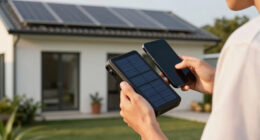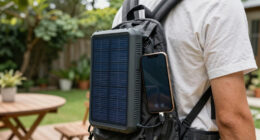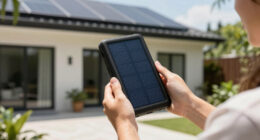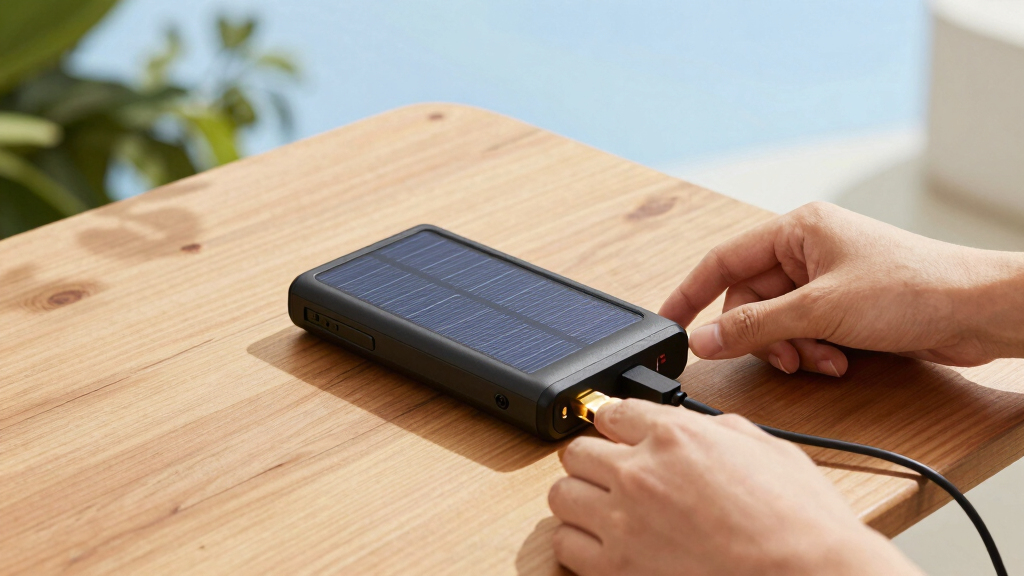
This guide provides step-by-step instructions to choose and operate a portable solar power bank. Ideal for outdoor enthusiasts, travelers, or emergency preparedness, it covers selecting the right device, setting it up, and maintaining it for reliable charging. Expect to spend about 30 to 60 minutes learning and setting up your power bank.
Difficulty: Beginner | Time: 30-60 minutes
What You’ll Need
Tools & Materials:
- None required, but a smartphone or device to test charging
Knowledge:
- Basic understanding of electronic devices and batteries
Ensure your devices are compatible with the power bank’s output specifications. Read the manufacturer’s instructions for specific device features or limitations.

EF ECOFLOW Portable Power Station DELTA 2, 1024Wh LiFePO4 (LFP) Battery, 1800W AC/100W USB-C Output, Solar Generator(Solar Panel Optional) for Home Backup Power, Camping & RVs
7 X Faster Charging. 0-80% in just 50 mins and 0-100% in 80 mins with AC input. That's...
As an affiliate, we earn on qualifying purchases.
Before You Start
Verify your intended use environment — outdoor, emergency, travel — and ensure your chosen power bank has sufficient capacity and features for your needs. Check the solar panel’s size and wattage to match your charging requirements. Avoid exposing the power bank to water or extreme temperatures during initial setup.

Jackery Portable Power Station Explorer 300, 292Wh Backup LiFePO4 Battery, Solar Generator for Outdoors Camping Travel Hunting Blackout (Solar Panel Optional)
Ultra-Lightweight: At only 7.5 lbs, the Explorer 300 delivers a robust 292Wh capacity while remaining 17% lighter than...
As an affiliate, we earn on qualifying purchases.
Step-by-Step Instructions
Step 1: Select the appropriate solar power bank
Research and choose a power bank with sufficient capacity (measured in mAh or Wh), compatible output ports (USB, USB-C, AC), and adequate solar panel wattage for your needs.
Tip: Prioritize models with higher solar input wattage if quick recharging in sunlight is needed; consider additional features like multiple ports or waterproof design.
Check: You have identified a power bank with the right capacity, output options, and durability features suited for your use.
Step 2: Charge the power bank fully before first use
Connect the power bank to a power source using the supplied charging cable. Wait until the indicator confirms full charge, typically shown by LED lights or a display.
Tip: Charging from an AC outlet ensures faster and complete initial charging, especially if the solar input is limited.
Check: The power bank indicates a full charge, confirmed by LED lights or display, ready for solar charging tests.
Step 3: Place the solar panel in direct sunlight
Position the solar panel outdoors where it receives unobstructed sunlight, ideally during peak hours (10 am to 4 pm). Angle the panel to maximize sunlight exposure.
Tip: Avoid shaded areas or cloudy conditions during initial charging to maximize energy absorption.
Check: The solar panel’s output indicator (if available) shows active charging or increased voltage, confirming sunlight contact.
Step 4: Connect the solar panel to the power bank
Use the provided cable or compatible connectors to link the solar panel output to the power bank input port.
Tip: Ensure connectors are securely inserted; avoid forcing incompatible connections.
Check: The power bank shows signs of charging, such as LED indicators or a charging icon on the display.
Step 5: Monitor the charging process
Check the power bank periodically to verify it is charging. Keep the solar panel positioned to maximize sunlight exposure during peak hours.
Tip: Remove any dirt or debris from the solar panel surface to maintain efficiency.
Check: Indicators show the power bank is charging, and the process continues steadily over time.
Step 6: Test device charging
Connect your device to the power bank’s output port using the appropriate cable. Confirm the device starts charging.
Tip: Use devices with compatible voltage and current specifications to prevent damage.
Check: Your device displays charging status, and the power bank’s indicators confirm active power delivery.

Jackery Explorer 1000 v2 Portable Power Station,1070Wh LiFePO4 Battery,1500W AC/100W USB-C Output, 1 Hr Fast Charge, Solar Generator for Camping,Emergency, RV, Off-Grid Living(Solar Panel Optional)
Powerful yet Compact: Boasting a 1,500W AC output and a 3,000W surge peak, the Solar Generator 1000 V2...
As an affiliate, we earn on qualifying purchases.
Common Mistakes to Avoid
- Leaving the solar panel in shaded or indirect sunlight — Position the panel in direct sunlight during peak hours and avoid shaded areas.
- Using incompatible cables or connectors — Always use the cables provided with the power bank or those specified by the manufacturer.
- Overlooking the device’s capacity limitations — Check your device’s power requirements and ensure your power bank can supply sufficient energy.
- Not monitoring the charging process — Regularly check indicators to confirm the power bank is charging and adjust panel position if needed.

Jackery HomePower 3000 Portable Power Station with 2X 200W Solar Panels, 3600W (Surge 7200W) Output, 3072Wh LFP Battery Solar Generator, Essential Backup for Home Use, Power Outage, RV, Emergencies
Essential Home Backup: With a robust 3600W output (7200W surge) and a 3072Wh capacity, the Jackery HomePower 3000...
As an affiliate, we earn on qualifying purchases.
Troubleshooting
Problem: Power bank not charging from solar panel
Solution: Verify the solar panel is in direct sunlight, connections are secure, and the power bank input is not damaged.
Problem: Device not charging from the power bank
Solution: Check the output port connection, ensure the device is compatible, and confirm the power bank has sufficient charge.
Problem: Power bank indicator lights are off or show error
Solution: Reset the device, recharge it fully, and inspect for physical damage or faulty components.
What Success Looks Like
The power bank charges reliably from sunlight, indicated by active charging icons or LED lights, and is able to power your devices effectively when connected. Devices should display charging status, and the power bank’s indicators should confirm adequate charge levels.
Next Steps
Regularly monitor and recharge your power bank during sunny days. Keep the solar panel clean and properly angled. Store the device in a dry, cool place when not in use. For extended outdoor use, consider additional panels or higher-capacity models. Seek assistance if indicators show persistent errors or damage.
Frequently Asked Questions
How long does it take to fully charge a solar power bank?
Charging time depends on the solar panel wattage and sunlight conditions. Typically, it can take from several hours to a full day for a complete charge in optimal conditions.
Can I leave the power bank in the sun for extended periods?
Yes, but avoid exposing it to extreme heat or direct sunlight for prolonged periods to prevent overheating and battery degradation.
What devices are compatible with portable solar power banks?
Most USB-powered devices, including smartphones, tablets, GPS units, and small cameras, are compatible. Check your device’s voltage and current requirements against the power bank specifications.
Is it better to charge the power bank via electricity or solar?
Charging via electricity is faster and more reliable initially. Use solar to top up or during outdoor use when mains power isn’t available.