
TL;DR

Get backup power and energy gear delivered free with Prime
- Fast, free delivery on millions of items
- Prime Video, Amazon Music and more included
- Member-only deals all year
Portable solar power banks harness sunlight to charge devices, making them perfect for outdoor adventures and emergencies. They’ve improved in efficiency and durability but work best as supplementary power sources due to slow solar charging speeds.
Choose a capacity that matches your device needs—higher for multiple gadgets, lower for quick top-offs.
Prioritize models with >20% efficient monocrystalline solar panels for faster recharging.
Durability features like waterproofing and shockproof design are essential for outdoor use.
Use solar power banks as a backup, not a primary charger—slow solar recharging is a natural limit.
Pre-charge your device through USB or AC when possible, then rely on solar to top off during outdoor adventures.
What Makes a Solar Power Bank Actually Useful?
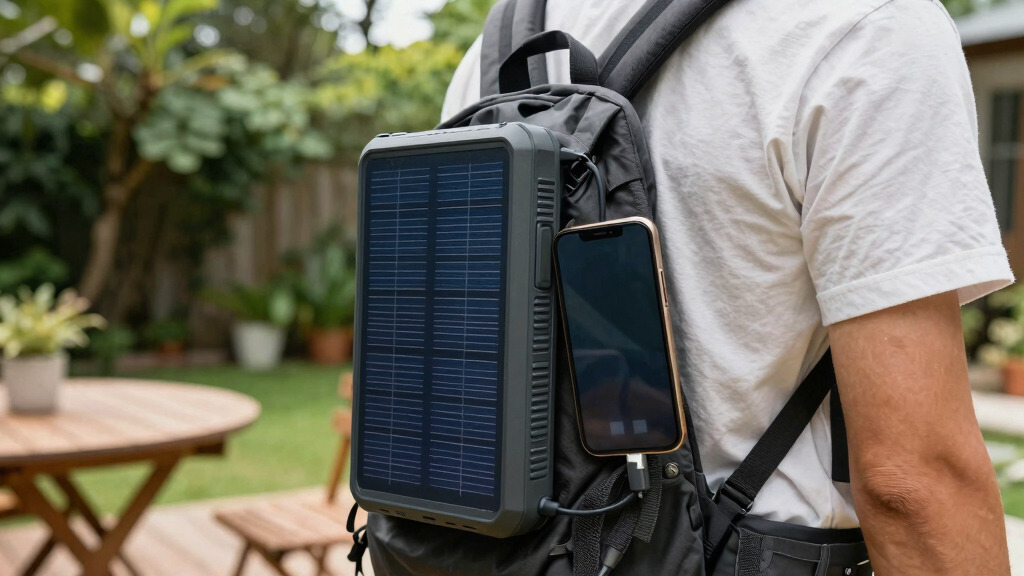
Portable solar power banks combine compact design with solar panels, turning sunlight into usable energy. They’re built to be lightweight, often fitting into your backpack or pocket, perfect for camping or emergency kits. Imagine a rugged device with a textured surface, ready to absorb the sun’s rays behind a tent or on a mountain summit.
Key features include battery capacity, solar panel efficiency, and durability. A typical 10,000 mAh model can charge your phone about 2-3 times. But the real magic lies in how quickly it recharges from sunlight and how tough it is against elements like dust, rain, or shocks.
Understanding these features helps you gauge how well a power bank will perform in real-world scenarios. For example, a higher capacity means longer use, but it also adds weight. Similarly, a more efficient solar panel reduces recharging time but may cost more. Durability ensures the device withstands outdoor conditions, which is crucial if you’re off-grid for days. Ultimately, the usefulness depends on balancing capacity, efficiency, and ruggedness based on your specific needs and environment.
How to Pick a Solar Power Bank That Won’t Fail You
- Determine your power needs: Are you charging a smartphone, GPS, or a tablet? Higher capacity (20,000+ mAh) suits multiple devices or longer trips. Understanding your energy requirements helps you avoid over- or under-investing. For instance, choosing a capacity too low may mean frequent recharges, which can be frustrating when outdoor conditions limit sunlight. Conversely, excessively high capacity adds weight and cost without benefit if you only need a quick top-up.
- Check solar panel efficiency: Monocrystalline panels deliver 20-22% efficiency, recharging faster in sunlight. This efficiency directly impacts how quickly your device can regain power, especially vital during limited sunlight hours or overcast days. A higher efficiency panel means less time spent waiting, which can be the difference between a device lasting through your trip or running out of juice.
- Assess durability features: Waterproof (IPX7 or above), shockproof, dustproof? These features ensure your device survives the rigors of outdoor use. For example, waterproofing prevents damage from rain or accidental splashes, while shockproofing protects against drops. These features don’t just prolong device life—they provide peace of mind, ensuring your power bank remains functional when you need it most.
- Consider additional features: USB-C PD, multiple outputs, built-in flashlight, foldable solar panels for compactness. These extras enhance usability and adaptability. For example, fast-charging ports reduce wait times, and multiple outputs allow simultaneous device charging, saving time during busy outdoor days. Foldable panels make storage easier, fitting neatly into backpacks without adding bulk. Each feature should align with your specific outdoor activities and device ecosystem.
Imagine shopping online and choosing a device with a rugged rubber exterior, foldable solar panels, and fast-charging ports. The right choice, based on understanding these factors, makes outdoor charging seamless and reliable, preventing unexpected power failures during critical moments.
The Latest Tech That Makes Solar Power Banks Smarter and Tougher
| Feature | Old Models | Recent Innovations |
|---|---|---|
| Solar Panel Efficiency | 12-15% | Over 22% |
| Charging Speed | Slow, dependent on sunlight | Fast-charging with USB Power Delivery (PD) |
| Durability | Basic, prone to damage | Rugged, waterproof, shockproof designs |
| Hybrid Charging | Solar only or USB only | Combination of solar and AC/USB charging |
Say goodbye to sluggish recharging—from foldable panels that maximize sunlight capture to smart circuitry that saves your device from overvoltage, recent models are built to last and perform in tough environments. These technological advances mean your device can survive harsh weather, charge faster, and adapt to various charging sources, making it a versatile companion for outdoor adventures. The improved efficiency and rugged design reduce the tradeoffs between portability and durability, ensuring you have reliable power when you need it most.
What Are the Real Limits of Solar Power Banks?
Solar power banks are fantastic for supplementing your energy needs, but they’re not magic. Expect slow recharging—sometimes taking a full day on a sunny day to fully juice up a 10,000 mAh bank. Cloudy weather or shade significantly cuts efficiency. This limitation stems from the basic physics of solar energy conversion: sunlight intensity and panel size directly impact recharge rates. Even the most advanced models can’t bypass the fundamental constraint that solar power is intermittent and less dense than grid power.
For example, if you’re in a remote forest with dappled sunlight, your solar panel might generate only 10-15% of its rated power in an hour. That’s enough to top off a device gradually but not replace a wall charger. Recognizing this tradeoff prevents disappointment and encourages strategic planning—using solar as a backup rather than a primary source. This understanding helps you manage expectations, ensuring you don’t rely solely on solar power during critical moments, but instead use it to extend your device’s life when grid power isn’t available.
In essence, these limitations highlight the importance of pre-planning and combining power sources. Solar power banks are valuable tools, but their efficiency depends on environmental conditions and proper usage strategies. Knowing their constraints allows you to optimize your outdoor power management, making sure you’re never caught uncharged when it matters most.
How to Use Your Solar Power Bank Like a Pro
- Maximize sunlight exposure: Place the panels facing the sun, ideally during peak hours (10 am–2 pm). Adjusting the angle to match the sun’s position increases energy absorption, reducing charging time and improving efficiency. This means periodically repositioning your panels throughout the day, especially if you’re stationary or moving through different sun angles.
- Pre-charge your power bank: When indoors, charge it via USB or AC to ensure it’s ready for outdoor use. This pre-emptive step minimizes reliance on sunlight during overcast conditions or late in the day, ensuring your device has a reserve of stored energy for when you need it most.
- Rotate panels for best results: Adjust the foldable panels periodically to follow the sun’s position. This practice enhances exposure and speeds up recharging times, especially important during short daylight hours or variable weather.
- Combine charging methods: Use solar as a supplement, and recharge faster with traditional outlets when available. This hybrid approach guarantees your devices stay powered without delay, leveraging the strengths of each method to compensate for the other’s limitations. It’s about strategic energy management—using solar when convenient and wall power when urgent.
Imagine setting up your foldable solar panels on a picnic table, then periodically repositioning them for maximum sunlight. Meanwhile, you keep your phone charged and ready for the trail ahead. This proactive approach ensures you’re maximizing your device’s uptime, turning a simple solar panel setup into a reliable outdoor power station.
Frequently Asked Questions
How long does it take to fully charge a solar power bank using sunlight?
It depends on the size of the solar panel, sunlight intensity, and capacity, but generally takes anywhere from 6 to 24 hours of direct sun. On a clear summer day, a 10,000 mAh bank might recharge in about 8-10 hours. This lengthy process underscores the importance of pre-charging via traditional methods when possible, especially if you need reliable power during short daylight periods or overcast days. Recognizing this helps you plan ahead and avoid being caught unprepared, emphasizing that solar is a supplementary source rather than a quick fix.
Can a solar power bank fully replace a traditional charger?
Not really. Solar charging is slow and weather-dependent. It’s best as a backup or for topping off devices, rather than replacing fast wall charging. This limitation is rooted in the physics of solar energy conversion—solar panels require consistent, strong sunlight to deliver significant power, which isn’t always available outdoors. Relying solely on solar can lead to prolonged charging times and potential power shortages, especially during cloudy days or in shaded environments. Therefore, understanding this tradeoff helps you set realistic expectations and use solar power banks strategically, complementing traditional chargers rather than replacing them entirely.
Are solar power banks waterproof and rugged enough for outdoor use?
Many models are designed to be waterproof (IPX7 or higher) and shockproof, making them suitable for outdoor adventures. Always check the IP rating before choosing one for rough environments. The significance of these features lies in their ability to withstand weather elements and accidental drops, which are common in outdoor settings. A waterproof and shockproof design ensures your device remains operational despite exposure to rain, splashes, dirt, or impacts, thereby extending its lifespan and reliability during critical moments. This durability is essential for anyone relying on solar power banks in unpredictable outdoor conditions, providing peace of mind and consistent performance.
How do I know what capacity to buy?
Estimate how many times you want to recharge your device. For daily smartphone use, 10,000-15,000 mAh is enough; for longer trips or multiple devices, go for 20,000 mAh or higher. This decision hinges on understanding your typical usage patterns and trip duration. A lower capacity might suffice for quick top-offs during short outings, while extended trips without access to power demand higher capacities. Choosing the right capacity ensures your devices stay powered without unnecessary weight or expense, optimizing your outdoor experience by balancing energy needs with portability.
Is it safe to leave my solar power bank outdoors?
Yes, if it’s weather-resistant. Keep it away from prolonged exposure to extreme weather unless specified as rugged or waterproof. Always follow manufacturer guidelines to prevent damage. While many models are designed for outdoor use, prolonged exposure to harsh conditions like extreme heat, cold, or snow can still compromise their integrity over time. Properly stored in protective cases or shaded areas when not in use extends their lifespan. Understanding these precautions helps you maximize your device’s durability and ensures reliable performance during outdoor adventures, making it a trustworthy companion in various environments.
Conclusion
A portable solar power bank can be a game-changer for your outdoor trips and emergencies. Remember, they’re best used as a supplement—your primary power source still needs a traditional charge. Think of them as your solar-powered insurance policy for when the grid isn’t an option.Fall Picks
fall essentials
As an affiliate, we earn on qualifying purchases.