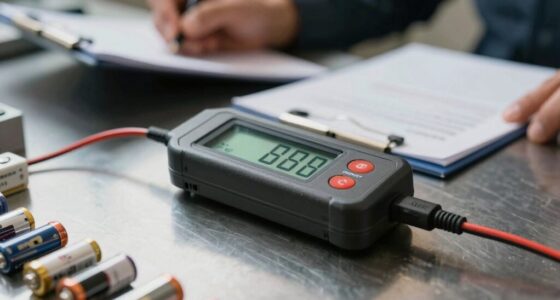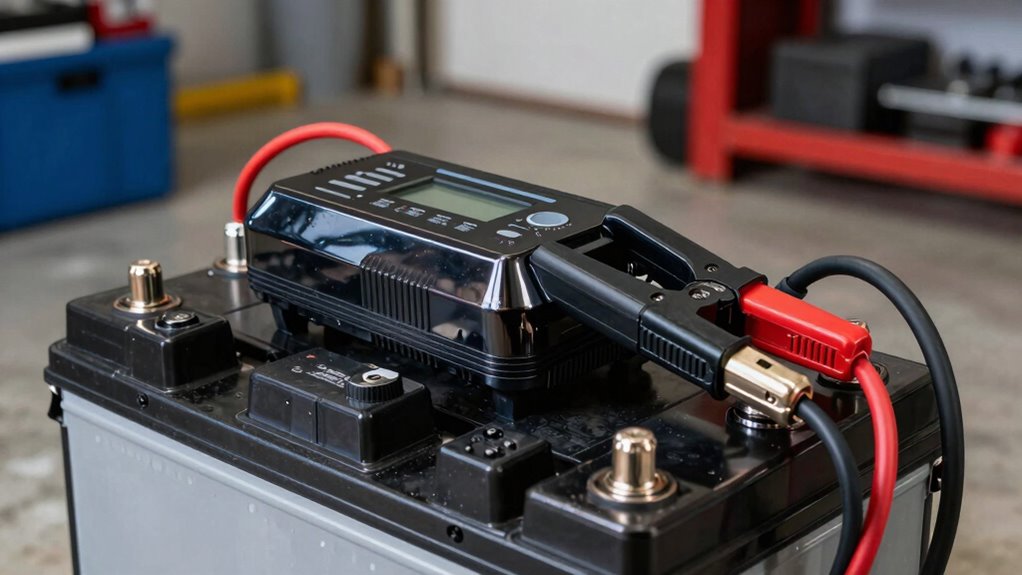

Choosing the right trickle charger for your standby generator battery is essential to ensure reliable operation during power outages. The best models maintain your battery’s charge without overcharging, preventing damage and extending lifespan. The Foval 12V 1A Automatic Trickle Battery Charger and Maintainer stands out as the overall top pick for its balanced performance and affordability. Meanwhile, the NOCO GENIUS2D 2A 12V Onboard Battery Charger offers advanced features suited for more demanding setups, and the Battery Tender Junior provides simplicity for users new to generator maintenance. Each option comes with tradeoffs like charging speed, complexity, and price. Keep reading for a detailed look at these top choices and what factors matter most in your decision.

Get backup power and energy gear delivered free with Prime
- Fast, free delivery on millions of items
- Prime Video, Amazon Music and more included
- Member-only deals all year
Complete the kit


Key Takeaways
- Top picks balance charging speed with safety features to prevent overcharging.
- More advanced chargers like NOCO GENIUS2D suit larger or more complex generator systems.
- Ease of use and installation are key for beginners, with simpler models often offering plug-and-play design.
- Price varies significantly; investing in a slightly more expensive model can mean better long-term reliability.
- Compatibility with different battery types and voltages is crucial for ensuring proper maintenance without damage.
| Foval 12V 1A Automatic Trickle Battery Charger and Maintainer |  | Best Compact and Versatile Trickle Charger | Output Voltage: 12 volts | Input Voltage: 12 volts | Current Rating: 1 A | VIEW ON AMAZON | See Our Full Breakdown |
| Schumacher Electric 1.5A Car Battery Charger & Maintainer, 6V/12V – SC1355 |  | Most Versatile with Reconditioning Features | Charging Current: 1.5A | Voltage Compatibility: 6V/12V | Includes: Quick-Connect Clamps, Ring Connectors | VIEW ON AMAZON | See Our Full Breakdown |
| NOCO GENIUS2D 2A 12V Onboard Battery Charger, Trickle Charger & Maintainer |  | Best for Precision and Recovery of Deeply Discharged Batteries | Voltage: 12V | Amperage: 2A | Battery Types: Lead-acid (AGM, Gel, SLA, VRLA), Flooded | VIEW ON AMAZON | See Our Full Breakdown |
| NOCO GENIUS1 1A 6/12V Smart Battery Charger, Trickle Charger & Maintainer |  | Most Compact and Multi-Function for Small Batteries | Voltage Compatibility: 6V and 12V | Charging Current: 1A | Battery Types: Lead-acid, Lithium-ion (LiFePO4) | VIEW ON AMAZON | See Our Full Breakdown |
| MOTOPOWER MP00205B 12V 1000mA Automatic Battery Charger and Maintainer |  | Best Budget Choice for Basic Maintenance | Output Voltage: 12 volts | Input Voltage: 110 volts | Current Rating: 1 A | VIEW ON AMAZON | See Our Full Breakdown |
| NOCO GENIUS2 2A 6/12V Smart Battery Charger, Trickle Charger & Maintainer |  | Best Overall for Versatility and Smart Features | Voltage: 6V/12V | Amperage: 2A | Battery Types: Lead-acid (Flooded, Gel, AGM), Lithium-ion (LiFePO4) | VIEW ON AMAZON | See Our Full Breakdown |
| Unocho 6V/12V Battery Charger Maintainer 1.5A Automatic Trickle Charger for Lead-Acid Batteries |  | Best Value for Basic Lead-Acid Battery Maintenance | Output Voltage: 12V | Input Voltage: 240V | Current Rating: 1.5A | VIEW ON AMAZON | See Our Full Breakdown |
| MOTOPOWER MP00205A 12V 800mA Automatic Battery Charger, Maintainer, Trickle and Desulfator |  | Best for Battery Health and Desulfation | Output Voltage: 12V | Input Voltage: 110V | Current Rating: 800mA | VIEW ON AMAZON | See Our Full Breakdown |
| Battery Tender Junior 12V, 750mA Charger and Maintainer |  | Best for Small Powersport Batteries | Output Voltage: 12V | Input Voltage: 12V | Current Rating: 750mA | VIEW ON AMAZON | See Our Full Breakdown |
| NOCO GENIUS5 5A 6/12V Smart Battery Charger, Trickle Charger & Maintainer |  | Best for Heavy-Duty and Deep-Discharged Batteries | Voltage: 6V/12V | Current: 5A | Battery Types: Lead-acid (AGM, Gel, Flooded), Lithium-ion (LiFePO4) | VIEW ON AMAZON | See Our Full Breakdown |
| trickle chargers for standby generator batterie | Warranty | Battery Types | Output Voltage | Input Voltage |
|---|---|---|---|---|
| Foval 12V 1A Automatic Trickle | 18 months | — | 12 volts | 12 volts |
| Schumacher Electric 1.5A Car B | — | — | — | — |
| NOCO GENIUS2D 2A 12V Onboard B | 3 years | Lead-acid (AGM, Gel, SLA, VRLA), Flooded | — | — |
| NOCO GENIUS1 1A 6/12V Smart Ba | 3 years | Lead-acid, Lithium-ion (LiFePO4) | — | — |
| MOTOPOWER MP00205B 12V 1000mA | — | — | 12 volts | 110 volts |
| NOCO GENIUS2 2A 6/12V Smart Ba | 3 years | Lead-acid (Flooded, Gel, AGM), Lithium-ion (LiFePO4) | — | — |
| Unocho 6V/12V Battery Charger | — | Lead-acid (SLA, AGM, GEL, VRLA, WET) | 12V | 240V |
| MOTOPOWER MP00205A 12V 800mA A | — | Lead-acid | 12V | 110V |
| Battery Tender Junior 12V | 5 years | — | 12V | 12V |
| NOCO GENIUS5 5A 6/12V Smart Ba | 3 years | Lead-acid (AGM, Gel, Flooded), Lithium-ion (LiFePO4) | — | — |
More Details on Our Top Picks
Foval 12V 1A Automatic Trickle Battery Charger and Maintainer
This lightweight, 12V smart charger excels at maintaining a variety of lead-acid batteries, including SLA, VRLA, GEL CELL, AGM, and WET types. Its compact size makes it ideal for storage in tight spaces, and the 4-step charging process with LED indicators provides clear status updates. Compared with larger or more feature-rich chargers like the NOCO GENIUS2D, the Foval offers straightforward maintenance without complex controls. However, its limited 1A output means it may take longer to fully charge larger batteries, and it lacks advanced features for deep diagnostics. This pick makes the most sense for users seeking a simple, reliable maintainer for small to medium batteries in boats, motorcycles, or cars.
Pros:- Very compact and lightweight for easy handling
- Compatible with multiple lead-acid battery types
- Includes safety features like reverse polarity and over-voltage protection
- LED indicators enhance user clarity
Cons:- Limited to 12V batteries only, restricting versatility
- Basic features may not satisfy advanced maintenance needs
Best for: Homeowners or boat owners needing a compact, easy-to-use trickle charger for small lead-acid batteries
Not ideal for: Professionals managing large industrial batteries or those requiring advanced diagnostics and faster charging
- Output Voltage:12 volts
- Input Voltage:12 volts
- Current Rating:1 A
- Item Dimensions:3.9 x 2.4 x 1.25 inches
- Item Weight:300 g
- Warranty:18 months
Our verdict“This charger is perfect for users who prioritize simplicity and portability for small battery maintenance tasks.”
Schumacher Electric 1.5A Car Battery Charger & Maintainer, 6V/12V – SC1355
The Schumacher SC1355 stands out for its multi-functionality, combining charging, maintenance, and desulfation, which makes it suitable for a range of automotive and small vehicle batteries. Its automatic voltage detection and smart trickle charging enhance safety and ease of use, especially compared to single-function chargers. The desulfation feature helps revive and extend older batteries, an advantage over simpler models like the MOTOPOWER MP00205B. Still, its 1.5A current can be slow for larger batteries, and it’s primarily designed for automotive applications, limiting its utility for industrial or large deep-cycle batteries. This model is best suited for car owners who want a reliable, all-in-one battery maintenance solution.
Pros:- Combines charging, maintenance, and desulfation functions
- Automatic voltage detection simplifies operation
- Prevents damage with reverse polarity protection
- Includes both clamps and ring connectors for versatility
Cons:- Limited to 1.5A, making it slow for larger batteries
- Mostly focused on automotive batteries, less suitable for industrial use
Best for: Car owners seeking a multi-purpose charger that can also recondition and extend battery life
Not ideal for: Users with large industrial or deep-cycle batteries beyond automotive size or those needing rapid charging
- Charging Current:1.5A
- Voltage Compatibility:6V/12V
- Includes:Quick-Connect Clamps, Ring Connectors
- Power Cord Length:6 feet
Our verdict“Ideal for car owners who want a comprehensive solution for battery health and longevity without complexity.”
NOCO GENIUS2D 2A 12V Onboard Battery Charger, Trickle Charger & Maintainer
The NOCO GENIUS2D impresses with its ability to recover deeply discharged batteries down to zero volts, making it a top choice for automotive, marine, and RV users. Its 2A output is a step up from smaller models, offering faster charging while maintaining a focus on precision and safety. Compared to the Schumacher SC1355, this device provides more refined charging adjusted automatically for temperature, ensuring optimal battery health. However, its 2A rate may still be slow for large or industrial-sized batteries, and it requires mounting space near the battery. For users needing detailed diagnostics or a more rugged, high-current solution, this model may fall short. This charger suits enthusiasts and professionals who need reliable, delicate maintenance for sensitive or deeply discharged batteries.
Pros:- Recovers batteries down to zero volts
- Adjusts charge based on ambient temperature
- Includes a 3-year warranty and easy installation
- Suitable for a wide range of lead-acid batteries
Cons:- Limited to 2A, slower for large batteries
- Designed mainly for lead-acid, not lithium-ion
Best for: Users who prioritize careful recovery and maintenance of various lead-acid batteries in marine, RV, or automotive environments
Not ideal for: Those managing large, high-capacity industrial batteries or seeking rapid charging for multiple large batteries
- Voltage:12V
- Amperage:2A
- Battery Types:Lead-acid (AGM, Gel, SLA, VRLA), Flooded
- Warranty:3 years
Our verdict“This model is well-suited for users who need precise, safe maintenance and recovery for sensitive batteries in small to medium applications.”
NOCO GENIUS1 1A 6/12V Smart Battery Charger, Trickle Charger & Maintainer
The NOCO GENIUS1 offers a compact, all-in-one solution for maintaining 6V and 12V batteries, including lithium-ion types like LiFePO4, making it versatile for different vehicle types. Its adaptive thermal regulation prevents overcharging, and its ability to recover deeply discharged batteries adds to its appeal. Compared with the MOTOPOWER MP00205B, it provides more advanced features, but its 1A output means slower charging, especially for larger batteries. The lack of a display or detailed status indicators might be a downside for users who prefer more feedback, but its small size and broad compatibility make it a popular choice for limited spaces. This charger works best for owners of multiple small batteries or those who prioritize space-saving, multi-battery compatibility.
Pros:- Very compact and lightweight design
- Compatible with lithium-ion and lead-acid batteries
- Adaptive thermal regulation for safety
- Recovers deeply discharged batteries
Cons:- Limited to 1A, slower for larger batteries
- No detailed charging status display
Best for: Small vehicle owners or hobbyists managing several batteries across different types and sizes
Not ideal for: Users with large, high-capacity batteries or those needing rapid charging for bigger applications
- Voltage Compatibility:6V and 12V
- Charging Current:1A
- Battery Types:Lead-acid, Lithium-ion (LiFePO4)
- Warranty:3 years
Our verdict“This charger is ideal for owners who need space-efficient, versatile maintenance for multiple small batteries across various vehicle types.”
MOTOPOWER MP00205B 12V 1000mA Automatic Battery Charger and Maintainer
The MOTOPOWER MP00205B provides a simple, reliable 12V maintenance solution with pulse charging technology, making it suitable for small-scale applications like cars, boats, and motorcycles. Its energy-saving design and LED indicators enable easy operation, particularly for those who need a straightforward, no-frills device. Compared with the more feature-rich NOCO models, this charger offers less in terms of recovery functions or advanced diagnostics, but its affordability and simplicity appeal to budget-conscious users. Its 1A output limits rapid charging, which might frustrate owners with larger or frequently used batteries. This model is best for users who want a basic, cost-effective trickle charger for small batteries and infrequent use.
Pros:- Compact and easy to store
- Safe, fully automatic operation
- Pulse charging technology prevents overcharge
- Affordable price point
Cons:- Limited to 12V batteries only
- No advanced diagnostics or recovery features
Best for: Budget-minded vehicle owners needing a simple, reliable trickle charger for small batteries
Not ideal for: Those with large or deep-cycle batteries requiring faster or more sophisticated maintenance features
- Output Voltage:12 volts
- Input Voltage:110 volts
- Current Rating:1 A
- Connector Type:SAE
Our verdict“This charger suits those seeking a straightforward, inexpensive device for basic battery maintenance in small vehicles.”
NOCO GENIUS2 2A 6/12V Smart Battery Charger, Trickle Charger & Maintainer
The NOCO GENIUS2 stands out for its ability to handle a wide array of battery types, including lead-acid and lithium-ion, making it a versatile choice for mixed vehicle fleets. Its automatic maintenance, reconditioning, and Force Mode ensure batteries stay healthy or are revived from dead states, surpassing basic trickle chargers like the Battery Tender Junior. Compared to less capable models, it offers a more comprehensive feature set, though it comes at a slightly higher cost. The 3-year warranty and long cables add to its appeal for those who prioritize durability and flexibility. However, its advanced features might be overkill for simple, infrequently used standby generator batteries. This pick is ideal for users who need a reliable, multifunctional solution that can adapt as their battery needs evolve.
Pros:- Handles a wide range of battery types including lithium-ion
- Features automatic reconditioning and Force Mode for dead batteries
- Compatible with various vehicle and equipment types
Cons:- Higher price point compared to simple trickle chargers
- Complex features may be unnecessary for minimal use
Best for: Homeowners or small business operators with multiple vehicle types needing smart, adaptable charging.
Not ideal for: Users seeking a basic, budget-friendly trickle charger for a single standby generator battery without additional features.
- Voltage:6V/12V
- Amperage:2A
- Battery Types:Lead-acid (Flooded, Gel, AGM), Lithium-ion (LiFePO4)
- Compatibility:Cars, motorcycles, boats, RVs, lawn equipment
- Temperature Compensation:Yes
- Warranty:3 years
Our verdict“This charger is best suited for users who require a flexible, intelligent solution for different battery types and conditions.”
Unocho 6V/12V Battery Charger Maintainer 1.5A Automatic Trickle Charger for Lead-Acid Batteries
The Unocho 6V/12V offers a straightforward, cost-effective solution for maintaining lead-acid batteries, especially suited for those who prefer simple, automatic charging without extra bells and whistles. Its multi-stage charging with safety protections ensures reliable performance, but it’s limited to lead-acid batteries only. Unlike the NOCO GENIUS2, it lacks support for lithium-ion batteries and advanced reconditioning, making it less versatile but more affordable. Its compact size and easy connection options make it ideal for small setups or occasional use, though the 1.5A current may slow down charging for larger batteries. This device suits users who want uncomplicated, dependable maintenance without the need for advanced features.
Pros:- Automatic multi-stage charging with safety protections
- Compatible with various lead-acid battery types
- Compact, lightweight, and easy to connect
Cons:- Limited to 1.5A current, slow for bigger batteries
- Designed only for lead-acid batteries, no lithium support
Best for: Homeowners or hobbyists maintaining small lead-acid batteries in boats, cars, or lawn equipment.
Not ideal for: Users with lithium-ion batteries or large, high-capacity batteries needing faster charging.
- Output Voltage:12V
- Input Voltage:240V
- Current Rating:1.5A
- Battery Types:Lead-acid (SLA, AGM, GEL, VRLA, WET)
- Dimensions:3.1″D x 5.1″W x 3″H
- Weight:0.2 kg
Our verdict“This maintainer is ideal for those seeking a simple, reliable trickle charger for small lead-acid batteries on a budget.”
MOTOPOWER MP00205A 12V 800mA Automatic Battery Charger, Maintainer, Trickle and Desulfator
The MOTOPOWER MP00205A distinguishes itself with its integrated desulfation feature, helping to extend the life of aging lead-acid batteries. Its automatic operation and safety protections make it suitable for various marine, automotive, and powersport batteries. Compared to simpler models like the Battery Tender Junior, this device offers a specialized desulfation function that can restore capacity in neglected batteries. However, its 12V-only compatibility and modest 800mA current mean it’s best for maintenance rather than rapid charging or large batteries. Its manual connection requirement might be inconvenient for some users, but its desulfation capability makes it a smart choice for extending battery lifespan.
Pros:- Automatic desulfation improves battery performance
- Safe, spark-proof operation
- Suitable for various 12V lead-acid batteries
Cons:- Limited to 12V batteries only
- Basic features without advanced customization
Best for: Owners of older or neglected lead-acid batteries needing desulfation and gentle maintenance.
Not ideal for: Users with large or lithium-ion batteries requiring faster or more versatile charging solutions.
- Output Voltage:12V
- Input Voltage:110V
- Current Rating:800mA
- Battery Types:Lead-acid
- Connection Type:Cable clamp
- Certifications:CE, FCC, ETL, RoHS, UL
Our verdict“This desulfator and maintainer is best for extending the life of aging lead-acid batteries with minimal fuss.”
Battery Tender Junior 12V, 750mA Charger and Maintainer
The Battery Tender Junior excels as a compact, 12V trickle charger tailored for small batteries in motorcycles, ATVs, and other powersport vehicles. Its automatic 4-step charging process prevents overcharging, while its spark-proof circuitry enhances safety during connections. Compared to bulkier models like the NOCO GENIUS5, it is more limited in power but perfect for smaller batteries that don’t require rapid charging. Its simple design and included accessories make it straightforward for casual users or those with limited space. The lack of a digital display may be a downside for users wanting detailed battery info, and its small size might be insufficient for larger or deep-cycle batteries.
Pros:- Automatic 4-step charging prevents overcharging
- Compact and lightweight design
- Spark-proof circuitry for safe connections
Cons:- Limited to 12V lead-acid batteries
- No digital readout for detailed info
Best for: Motorcycle, ATV, or small powersport battery owners seeking a safe, easy-to-use maintainer.
Not ideal for: Users with large or deep-cycle batteries that need higher current or advanced diagnostics.
- Output Voltage:12V
- Input Voltage:12V
- Current Rating:750mA
- Connector Types:Alligator Clips, Ring Terminals
- Dimensions:2.9″D x 2.15″W x 4.4″H
- Warranty:5 years
Our verdict“This charger is ideal for small powersport batteries requiring simple, safe maintenance in limited spaces.”
NOCO GENIUS5 5A 6/12V Smart Battery Charger, Trickle Charger & Maintainer
The NOCO GENIUS5 packs significantly more power at 5A, making it well-suited for larger batteries or those deeply discharged, common in standby generator setups. Its smart thermal sensor and recovery features can restore and maintain batteries more effectively than lower-current models like the UNOCHO 1.5A. While its size and complexity might be unnecessary for small, infrequently used batteries, it offers a more robust solution for demanding applications. The ability to support both 6V and 12V batteries and handle deep sulfation gives it an edge for critical standby generator batteries. The higher cost and advanced features may be excessive for casual users with small or infrequently maintained batteries.
Pros:- High 5A current for faster charging
- Supports recovery of deeply discharged batteries
- Smart thermal sensor prevents over- and under-charging
Cons:- More expensive than basic models
- Bulkier size may be inconvenient for small spaces
Best for: Professionals or homeowners with large, deeply discharged, or multiple batteries needing reliable recovery and maintenance.
Not ideal for: Casual users or those with only small batteries who prefer simpler, less expensive chargers.
- Voltage:6V/12V
- Current:5A
- Battery Types:Lead-acid (AGM, Gel, Flooded), Lithium-ion (LiFePO4)
- Compatibility:Cars, boats, RVs, powersport
- Cable Length:72″ AC, 80″ DC
- Warranty:3 years
Our verdict“This model is best for users managing large or difficult batteries requiring powerful, intelligent recovery features.”

How We Picked
The products were evaluated based on their ability to reliably maintain standby generator batteries, focusing on performance, safety features, and ease of use. We prioritized chargers that offer automatic shutoff, spark-proof technology, and compatibility with 6V and 12V batteries commonly used in generators. Build quality and customer feedback also played a role in ranking, with an eye toward value for money. The top options strike a balance between affordability and advanced features, making them suitable for different user needs and system complexities.| trickle chargers for standby generator batterie | Battery Types |
|---|---|
| Foval 12V 1A Automatic Trickle | — |
| Schumacher Electric 1.5A Car B | — |
| NOCO GENIUS2D 2A 12V Onboard B | Lead-acid (AGM, Gel, SLA, VRLA), Flooded |
| NOCO GENIUS1 1A 6/12V Smart Ba | Lead-acid, Lithium-ion (LiFePO4) |
| MOTOPOWER MP00205B 12V 1000mA | — |
| NOCO GENIUS2 2A 6/12V Smart Ba | Lead-acid (Flooded, Gel, AGM), Lithium-ion (LiFePO4) |
| Unocho 6V/12V Battery Charger | Lead-acid (SLA, AGM, GEL, VRLA, WET) |
| MOTOPOWER MP00205A 12V 800mA A | Lead-acid |
| Battery Tender Junior 12V | — |
| NOCO GENIUS5 5A 6/12V Smart Ba | Lead-acid (AGM, Gel, Flooded), Lithium-ion (LiFePO4) |
Factors to Consider When Choosing Trickle Chargers For Standby Generator Batteries
Selecting the right trickle charger for a standby generator involves more than just wattage and voltage. Consider how the charger integrates with your existing system, the level of automation needed, and your familiarity with electrical maintenance. A well-chosen charger not only prolongs battery life but also reduces maintenance worries during emergencies. Here are key factors to guide your decision beyond simple specs.Compatibility with Battery Type and Voltage
Ensure the charger supports the specific type of battery in your generator—most are lead-acid, but some may be AGM or gel batteries. Compatibility with 6V or 12V systems is essential; using the wrong voltage can lead to undercharging or damage. Many chargers offer adjustable settings, which add flexibility for different generator models. Paying attention to this prevents costly mistakes and ensures your battery receives appropriate care.
Automatic Charging and Maintenance Features
Look for chargers that automatically switch to maintenance mode once the battery is fully charged. This prevents overcharging, which can shorten battery life or cause leaks. Features like spark-proof connectors and reverse polarity protection boost safety, especially if you’re less experienced with electrical equipment. Automatic operation simplifies ongoing maintenance, making it easier to keep your generator ready for use.
Ease of Installation and Use
For generator owners who prefer straightforward setup, models with plug-and-play design or simple clip connections offer significant convenience. More complex chargers with onboard displays or multiple modes are better suited for users comfortable with electrical systems. Clear instructions and robust build quality also contribute to a smoother experience, especially if you need to service the charger periodically.
Charging Speed and Power Output
While trickle chargers are designed for slow, steady charging, some offer higher amperage for quicker maintenance. Be cautious not to choose a charger with excessive power for small batteries, as it might cause overheating. Conversely, very low amperage models might require longer periods to restore a full charge. Balancing speed with safety is key, especially in emergency backup systems where readiness matters.
Price and Long-Term Value
Cheaper chargers can be tempting but may lack essential safety features or durability. Investing in a reputable, slightly higher-priced model often yields better reliability and longer service life. Consider the total cost of ownership, including potential replacement or repair costs, when evaluating value. Sometimes, paying more upfront ensures your generator’s battery remains functional during crucial moments.
Frequently Asked Questions
Can I leave a trickle charger on my standby generator battery all the time?
Yes, most modern trickle chargers are designed for continuous use and will switch to maintenance mode once the battery is fully charged. This helps prevent overcharging and extends battery life. However, it’s important to choose a model with automatic shutoff and safety features to avoid potential damage or safety hazards. Regular inspections still help ensure the charger and battery are functioning properly.
What size trickle charger is best for a typical standby generator battery?
For most standby generator batteries, a charger with an output of 0.75A to 2A is ideal. This range provides a slow, steady charge that minimizes stress on the battery while maintaining readiness. Higher amperage units might charge faster but could risk overcharging smaller batteries if not properly regulated. Always match the charger’s voltage and amperage to your specific battery’s requirements.
Are automatic trickle chargers safe for all battery types used in generators?
Most automatic chargers are safe for common lead-acid batteries used in generators, especially if they include safety features like spark-proof technology and reverse polarity protection. However, if your generator uses AGM or gel batteries, verify that the charger supports these types, as some models are optimized for flooded lead-acid batteries. Using the wrong charger can lead to reduced battery lifespan or damage.
How often should I check my trickle charger and battery during long-term storage?
It’s wise to inspect both the charger and battery every 1-3 months during extended storage. Look for signs of corrosion, loose connections, or abnormal swelling. Even with automatic chargers, periodic checks help catch issues early, ensuring your generator is ready when needed. Proper maintenance during storage can prevent battery failure and prolong system lifespan.
Is a higher amperage trickle charger always better for backup generator batteries?
Not necessarily. Higher amperage chargers can restore charge faster but may pose risks if their output exceeds the battery’s capacity or if safety features are lacking. For most standby generator batteries, a moderate amperage (around 1-2A) offers a good balance of speed and safety. Always follow the manufacturer’s recommendations for your specific battery to avoid damage or reduced lifespan.
Conclusion
If you want a reliable, easy-to-maintain option and are new to generator upkeep, the Battery Tender Junior makes a strong choice for simplicity and value. For those seeking the best overall balance of features and affordability, the Foval 12V 1A Automatic Trickle Battery Charger and Maintainer stands out. If you require a more advanced setup capable of handling larger or multiple batteries, the NOCO GENIUS2D 2A 12V Onboard Battery Charger offers premium features. Budget-conscious buyers should consider basic models, while professionals or users with complex systems should opt for high-capacity, feature-rich chargers. Clarifying your specific needs ensures your generator remains reliable in any emergency situation.
Columbus Day / Indigenous Peoples' Day Picks
long weekend sales
As an affiliate, we earn on qualifying purchases.