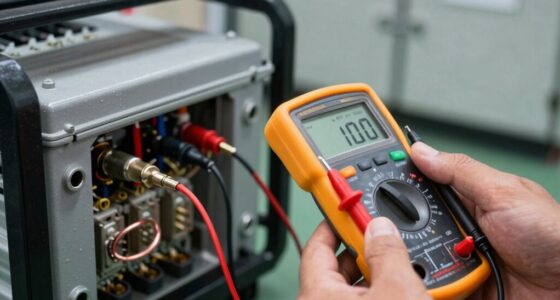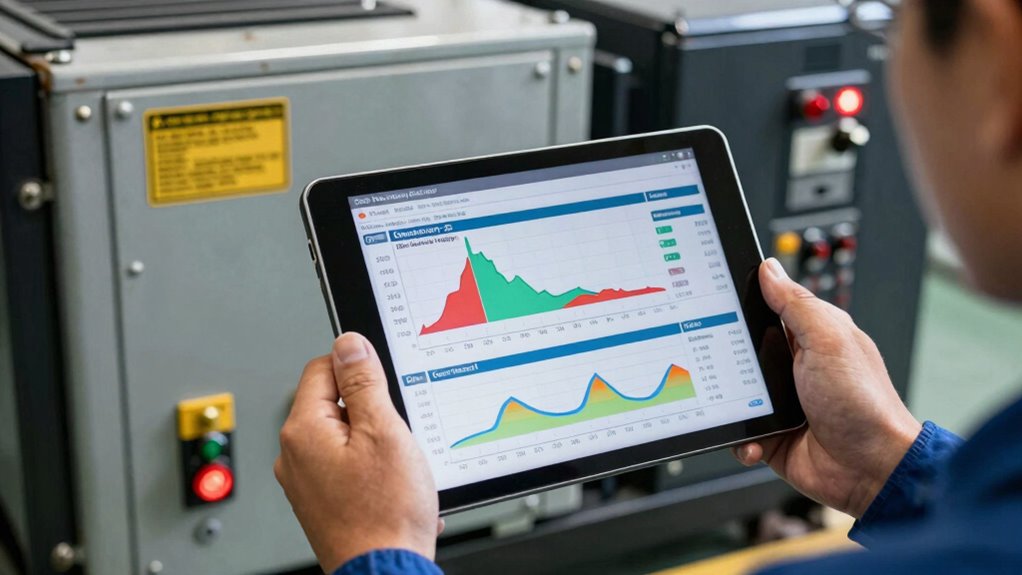

To understand generator fault histories, start by reviewing the fault codes, timestamps, and event descriptions logged during issues. Look for patterns, such as recurring faults or specific failure conditions, and pay attention to fault severity and type. Filter logs by date or fault category to identify trends and causes. Analyzing these details helps you prioritize maintenance and prevent future problems. Keep exploring to discover more tips for effective fault analysis.

Get backup power and energy gear delivered free with Prime
- Fast, free delivery on millions of items
- Prime Video, Amazon Music and more included
- Member-only deals all year
Key Takeaways
- Review fault codes and descriptions to identify specific issues and their causes.
- Check timestamps to understand when faults occurred and identify patterns over time.
- Analyze fault severity levels to prioritize repairs and maintenance actions.
- Use diagnostic tools to filter and organize fault logs by date, type, or severity.
- Look for recurring faults to detect underlying problems and prevent future failures.
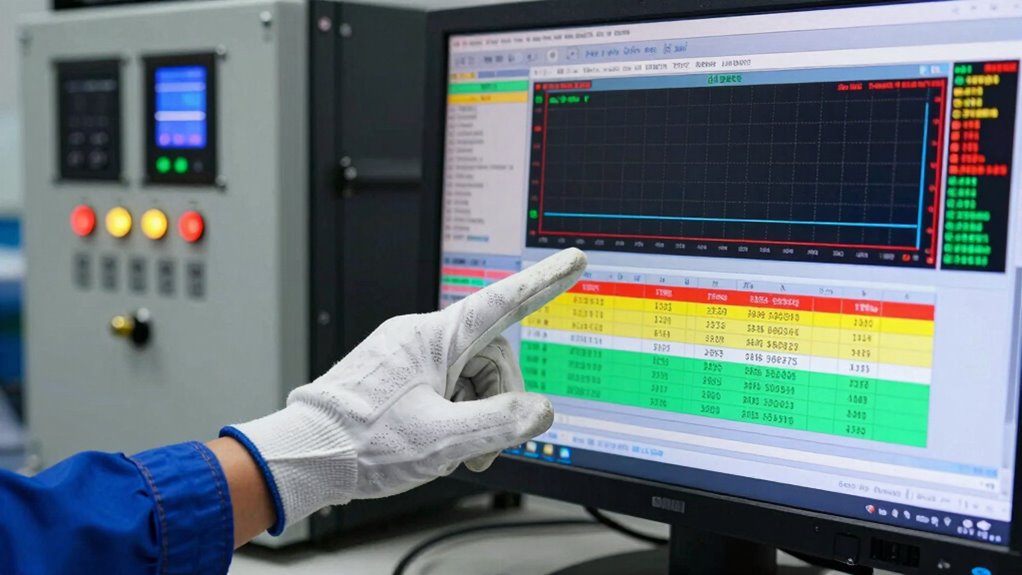
Understanding how to read generator fault histories is essential for diagnosing and preventing future issues. When you review fault logs, you gain valuable insights into what caused previous problems, which helps you develop effective maintenance schedules and reduce downtime. Fault histories typically record details like fault codes, timestamps, and descriptions of what occurred. Learning to interpret these details allows you to identify patterns, such as recurring faults or specific conditions that lead to failures. Incorporating landscaping and outdoor features can also help create a healthier environment surrounding your generator, promoting better air quality and reducing potential hazards. Your first step is to familiarize yourself with the fault codes stored in the generator’s diagnostic system. Many generators use standardized codes that indicate particular issues, such as overheating, voltage irregularities, or sensor failures. Once you understand what each code signifies, you can quickly pinpoint the root causes of faults without wasting time on guesswork. Keep in mind that fault logs often include timestamps, so you can track when problems happen—whether they’re isolated incidents or part of a recurring trend.
Reading generator fault histories helps diagnose issues, identify patterns, and develop effective maintenance strategies to reduce downtime.
To make sense of fault histories effectively, you should regularly review the data with the help of diagnostic tools. These tools often come with software that organizes fault logs into user-friendly formats, highlighting critical faults and their frequency. Using diagnostic software enables you to filter logs by date, fault type, or severity, and even generate reports that outline the overall health of your generator. This systematic approach helps you prioritize maintenance tasks, ensuring you address the most urgent issues first. Additionally, understanding fault patterns can assist in predicting potential failures before they occur, saving time and resources in the long run. Developing a thorough understanding of fault data analysis enhances your ability to implement proactive solutions and extend your generator’s lifespan. Regularly reviewing this data can also reveal hidden issues that may not be immediately apparent but could lead to future failures if left unaddressed. Engaging with diagnostic tools can further improve your ability to interpret fault histories accurately and efficiently.
By analyzing fault histories, you can also refine your maintenance schedules. For example, if you notice a particular fault repeatedly occurs after a certain number of operating hours, you might schedule preventive checks around that time. This proactive approach helps catch problems early, before they escalate into costly repairs or complete failures. Additionally, understanding fault patterns can inform your training efforts, making sure your team is prepared to handle specific issues swiftly.
Incorporating diagnostic tools into your routine inspections enhances your ability to interpret fault histories accurately. These tools can often provide real-time alerts, detailed fault descriptions, and recommended corrective actions. When you combine these insights with your knowledge of maintenance schedules, you create a thorough strategy for keeping your generator reliable and efficient. Ultimately, the more familiar you become with fault data and diagnostic tools, the better equipped you’ll be to maintain your generator’s health, minimize downtime, and extend its lifespan.
Frequently Asked Questions
How Often Should Generator Fault Histories Be Reviewed?
You should review generator fault histories regularly, ideally as part of your maintenance schedules, to catch issues early. Doing this weekly or monthly helps identify recurring problems and prevents unexpected failures. Incorporate fault history reviews into your maintenance routines and training programs, so your team stays informed and prepared. Consistent review guarantees quick troubleshooting and prolongs your generator’s lifespan, ultimately saving you time and money.
What Tools Are Best for Analyzing Fault Histories?
You should use tools like fault trend analysis software and data visualization platforms to analyze fault histories effectively. Fault trend analysis helps identify recurring issues and patterns over time, while data visualization makes complex data easier to interpret visually. Combining these tools allows you to quickly pinpoint problem areas, monitor fault frequency, and make informed decisions to improve generator reliability and maintenance strategies.
Can Fault Histories Predict Future Generator Failures?
Fault histories can help predict future generator failures through predictive maintenance and fault trend analysis. By examining patterns and recurring issues, you can identify early warning signs of potential problems. This proactive approach allows you to schedule repairs before failures occur, minimizing downtime and costs. Regularly analyzing fault histories empowers you to make informed decisions, improving your generator’s reliability and extending its lifespan.
How Detailed Should Fault History Records Be?
Think of fault history records as the blueprint of your generator’s health. You should document faults in great detail—dates, error codes, causes, and resolution steps—like a detailed map guiding maintenance. This fault documentation helps you identify patterns, prioritize repairs, and refine maintenance scheduling. The more thorough your records, the better you can predict issues, minimize downtime, and extend your generator’s lifespan. Accurate detail truly makes your maintenance smarter.
Who Should Have Access to Generator Fault History Data?
You should restrict access to generator fault history data to authorized personnel involved in maintenance scheduling and those with proper training requirements. Limiting access guarantees sensitive information remains secure and data integrity is maintained. Only trained technicians, engineers, and maintenance managers should review fault histories, enabling quick troubleshooting and effective maintenance planning. This approach minimizes errors, enhances safety, and ensures that everyone handling the data understands its significance.
Conclusion
By understanding how to read generator fault histories, you empower yourself to identify issues quickly, troubleshoot effectively, and prevent future failures. Recognize patterns, analyze data carefully, and keep detailed records. Doing so guarantees you catch faults early, maintain reliable power, and extend your generator’s lifespan. Fundamentally, reading fault histories isn’t just about understanding problems—it’s about preventing problems, improving performance, and ensuring peace of mind. Stay vigilant, stay informed, and keep your generator running smoothly.
Halloween Picks
halloween
As an affiliate, we earn on qualifying purchases.