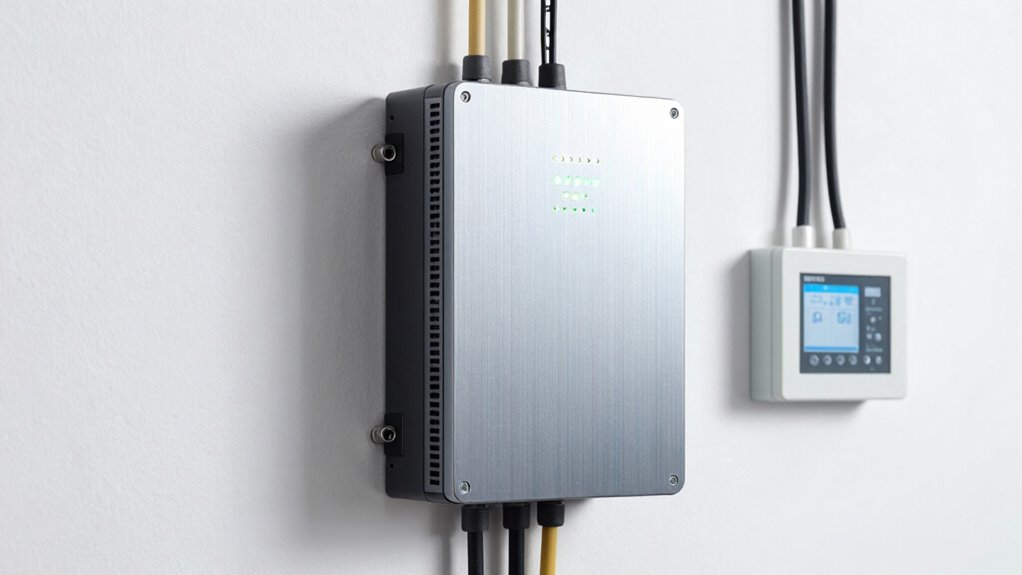

The NEC describes optional standby systems as reliable backup power sources that support critical loads during power outages but aren’t part of the building’s main electrical system. These systems are designed to provide emergency support tailored to specific needs, without powering all loads. They can operate automatically or manually, ensuring safety and continuity for essential functions. Understanding how these systems are planned and integrated can help you handle outages more effectively, so keep exploring to learn more about their best practices.

Get backup power and energy gear delivered free with Prime
- Fast, free delivery on millions of items
- Prime Video, Amazon Music and more included
- Member-only deals all year
Key Takeaways
- Optional standby systems are backup power sources for critical loads, not required for the entire building.
- They are designed to support essential functions during outages, based on operational needs and risk assessments.
- These systems must comply with NEC standards for safety, reliability, and proper load transfer.
- They can be integrated into existing electrical systems with automatic or manual operation options.
- Their purpose is to ensure safety and operational continuity without overinvesting in full capacity backup.
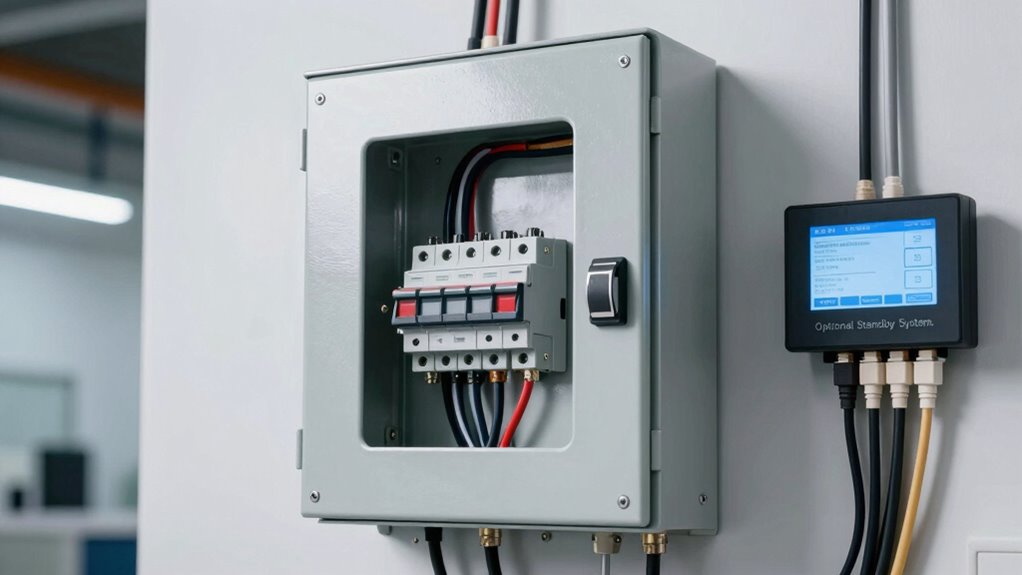
Have you ever wondered how crucial systems stay operational during power outages? It’s a question that comes up often in facilities management, especially when ensuring safety, security, and essential operations. The National Electrical Code (NEC) provides guidance on this topic through its concept of optional standby systems. These systems are designed to serve as a dependable power backup, but they aren’t mandated to be part of the primary electrical setup. Instead, they’re considered optional, meaning you can choose whether or not to include them based on your specific needs and risk assessments.
When the NEC discusses optional standby systems, it emphasizes flexibility in system configurations. These systems are typically used to support essential loads during outages but aren’t necessarily required to power all loads in a building. For instance, you might have a backup generator dedicated to emergency lighting, fire alarm systems, or critical communication equipment. In such cases, the system configurations are tailored to guarantee these crucial functions remain active, even if the main power supply fails. This approach allows you to design a power backup that aligns with your operational priorities without overinvesting in unnecessary capacity. Proper system design is essential to ensure these systems operate reliably and safely.
The NEC’s stance on optional standby systems also involves clear guidelines about their installation and safety. These systems must be installed according to specific standards that guarantee their reliability and safety, especially when switching between main power and backup sources. Proper system configurations are critical here; they prevent back-feeding, ensure proper transfer of loads, and protect personnel and equipment. You’re encouraged to work with qualified professionals who understand the NEC requirements to design these systems effectively, ensuring seamless operation during outages.
Furthermore, the NEC recognizes that optional standby systems can be integrated into existing electrical infrastructure with minimal disruption. You can configure these systems to operate automatically or manually, depending on your operational needs. Automatic transfer switches, for example, allow your critical systems to switch seamlessly to backup power without manual intervention, reducing downtime and maintaining safety standards. The flexibility in system configurations means you can prioritize which loads are supported and how the backup system interacts with your main power supply.
In essence, the NEC’s definition of optional standby systems highlights their role as a customizable, dependable solution for maintaining essential functions during outages. They provide a strategic approach to power backup, emphasizing the importance of proper system configurations to guarantee safety, efficiency, and continuous operation when it matters most. Additionally, proper planning and understanding of system integration are vital to ensure these systems operate effectively within the broader electrical setup.
Frequently Asked Questions
How Do Optional Standby Systems Differ From Required Backup Systems?
Optional standby systems differ from required backup systems because they aren’t mandated by code for essential operations. You might choose an optional standby system to improve system capacity or energy efficiency for less critical loads. These systems can be activated as needed, offering flexibility and cost savings. Unlike required backups, they don’t automatically power essential services during outages but provide an alternative solution tailored to your specific energy management goals.
Are There Specific Codes for Residential Versus Commercial Applications?
You should know there are specific codes for residential versus commercial applications when it comes to optional standby systems. Residential safety codes focus on protecting homes and guaranteeing reliable power for essential appliances, while commercial compliance emphasizes larger systems, safety, and operational standards for businesses. Always check the NEC guidelines to make certain your system meets the appropriate codes, providing safety for residents and compliance for commercial properties.
Can Optional Standby Systems Be Integrated With Renewable Energy Sources?
Yes, you can integrate optional standby systems with renewable energy sources. The key is guaranteeing system compatibility, especially with solar panels or wind turbines. Proper renewable integration allows your standby system to seamlessly switch between the grid and renewable sources during outages or low production periods. Always follow NEC guidelines to ensure safety and code compliance, and consider consulting a professional to optimize your system’s performance and reliability.
What Are the Maintenance Requirements for Optional Standby Systems?
Think of your optional standby system as a finely tuned engine; it needs regular tune-ups to run smoothly. You should perform periodic system testing to guarantee everything works when needed. Pay attention to battery longevity, replacing batteries as recommended to prevent failure. Routine inspections keep connections clean and secure, and monitoring system performance helps catch issues early. Proper maintenance guarantees your backup power is ready whenever you need it.
How Is the Capacity of an Optional Standby System Determined?
You determine the capacity of an optional standby system by evaluating load prioritization and system redundancy. Start by identifying essential loads that need reliable power, then calculate their total wattage. Consider system redundancy to guarantee backup capacity in case of failure. This approach helps you select a system size that provides sufficient power for critical loads, maintaining reliability and functionality during outages. Proper sizing ensures your system meets your needs without unnecessary excess.
Conclusion
In short, understanding NEC’s stance on optional standby systems helps you stay compliant and guarantee safety. Think of it as your trusty sidekick in a comic book—ready to jump into action when needed. Just like a good Robin Hood story, these systems provide backup power, saving the day during outages. Keep up with the codes, and you’ll be the hero in your own electrical story, avoiding any modern-day Fright Night surprises.
Columbus Day / Indigenous Peoples' Day Picks
long weekend sales
As an affiliate, we earn on qualifying purchases.