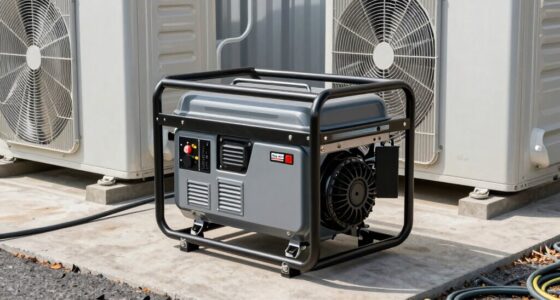
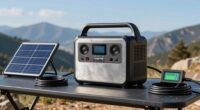
To avoid carbon monoxide risks with standby power, always run your generator outdoors at least 20 feet away from your home, doors, and vents. Never operate it inside or in enclosed spaces, and guarantee proper ventilation. Maintain your generator regularly by checking for wear, changing oils, and replacing filters as recommended. Install carbon monoxide detectors near sleeping areas for early alerts. Following these safety steps and staying vigilant help protect you and your loved ones—learn more to ensure complete safety.
Key Takeaways
- Always operate generators outdoors, at least 20 feet away from windows, doors, and vents to ensure proper exhaust dispersion.
- Install and regularly test carbon monoxide detectors near sleeping areas and throughout the home.
- Perform routine maintenance on generators, including checking for leaks and replacing filters, to ensure safe operation.
- Never run generators indoors, in garages, or enclosed spaces to prevent dangerous CO buildup.
- Follow manufacturer safety guidelines and turn off generators immediately if CO alarms sound.
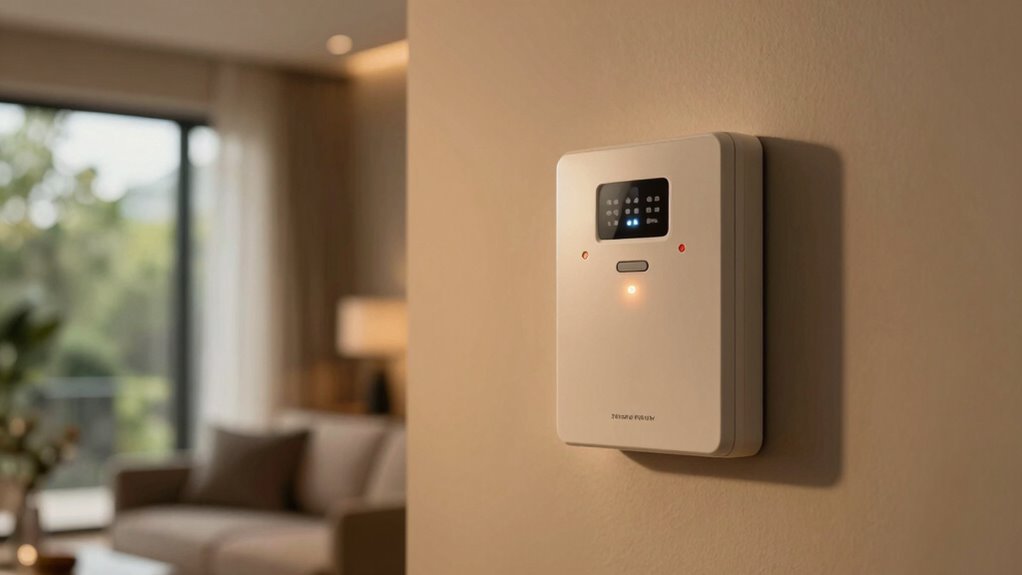
Standby power, also known as vampire power, is convenient but can pose serious risks if not managed properly, especially when it comes to carbon monoxide. Many devices draw power even when turned off, which can lead to unsafe practices if you’re not careful. If you rely on a generator for backup power during outages, you need to prioritize safe operation to prevent carbon monoxide poisoning. One of the most critical steps is guaranteeing your generator is well-maintained. Regular generator maintenance keeps the engine running smoothly and reduces the risk of dangerous exhaust leaks. After each use, check for any signs of wear or damage, and follow the manufacturer’s guidelines for oil changes, spark plug replacements, and air filter cleaning. A well-maintained generator operates more efficiently and produces fewer emissions, which lowers the potential for carbon monoxide buildup.
Proper ventilation is equally indispensable when using a generator. Never run a generator indoors or in enclosed spaces, such as garages, basements, or sheds. Even a small, enclosed area can quickly fill with lethal levels of carbon monoxide. You should always position your generator outdoors, at least 20 feet away from windows, doors, and vents. This distance helps guarantee the exhaust gases disperse safely into the open air, preventing the deadly gas from seeping inside your home. When operating your generator, stay mindful of wind direction; avoid running it upwind of your house to prevent exhaust from drifting into living spaces.
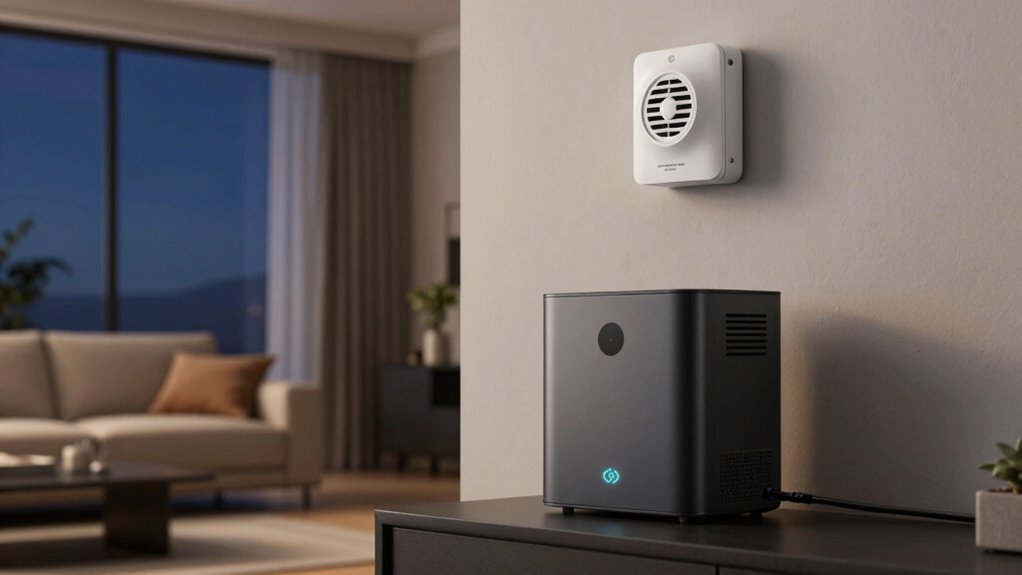
In addition to proper placement, you should install carbon monoxide detectors throughout your home, especially in sleeping areas and near the generator’s location. These detectors can alert you early if exhaust fumes are present, giving you essential time to evacuate or shut off the generator. Maintaining generator maintenance not only ensures optimal performance but also reduces the risk of emissions that could lead to carbon monoxide buildup. Understanding the importance of ventilation and proper maintenance can significantly reduce the risk of carbon monoxide poisoning. Combining vigilant generator maintenance with proper ventilation creates a safe environment and considerably reduces the risk of carbon monoxide poisoning. Remember, even if your generator is in good condition and you’re outdoors, always follow safety guidelines. Never attempt to bypass safety measures or delay maintenance to save time. Taking these precautions might seem simple, but they’re indispensable for protecting yourself and your loved ones from silent, invisible dangers associated with standby power.

Porch Shield Waterproof Universal Generator Cover 38 x 28 x 30 inch - for Most Generators 5500-15000 Watt, Black
- Compatible - More sizes for 5500w -15000w gas...
- Upgrade Material - Made of 600D polyester fabric...
- Tear Resistant & Waterproof - The high-level double...
As an affiliate, we earn on qualifying purchases.
Frequently Asked Questions
Can Standby Power Sources Produce Carbon Monoxide?
Standby power sources can produce carbon monoxide if they are combustion-based, like generators or fuel-powered backups. These devices emit carbon monoxide during operation, which poses a significant emission safety risk, especially indoors or in poorly ventilated areas. To protect yourself, make sure proper ventilation, use carbon monoxide detectors, and avoid running these standby power sources inside. Proper safety measures help prevent dangerous buildup of this colorless, odorless gas.
What Are the Signs of Carbon Monoxide Poisoning?
You recognize carbon monoxide poisoning through symptoms like headache, dizziness, and nausea, and understand the importance of indoor ventilation. You notice fatigue, confusion, and shortness of breath, which signal potential danger. You stay alert by regularly checking for symptoms, ensuring proper indoor ventilation, and maintaining appliances. You act swiftly by evacuating your space, seeking fresh air, and contacting emergency services, protecting yourself from harmful CO exposure.
Are Portable Generators Safer Than Standby Power Systems?
Portable generators can be safer than standby power systems if you prioritize portable safety and control generator emissions. You can move them outdoors, away from windows and vents, reducing carbon monoxide risks. Always operate portable generators in well-ventilated areas and follow safety guidelines. Standby systems are typically safer due to built-in safety features, but if you use portable generators correctly, they can also be a safe backup option during power outages.
How Often Should Standby Power Systems Be Inspected?
You should inspect your standby power system at least once a year. Regular inspections guarantee battery maintenance is up to date and ventilation requirements are met, both essential for safety. Curiously, studies show that proper maintenance reduces carbon monoxide risks by 80%. During inspections, check for corrosion, battery health, and proper ventilation to prevent dangerous CO buildup. Staying vigilant helps protect your household from potential hazards associated with standby power systems.
Is Carbon Monoxide Detection Necessary With Standby Power?
Yes, carbon monoxide detection is necessary with standby power. When using backup systems, guarantee indoor ventilation is adequate to prevent CO buildup. Install reliable carbon monoxide detectors near your standby power sources and sleeping areas as part of your emergency preparedness. Regularly test and maintain these detectors to ensure they’re functioning correctly. Proper ventilation and detection help you avoid dangerous CO accumulation during power outages, keeping your household safe.
Porch Shield Waterproof Universal Generator Cover 32 x 24 x 24 inch - for Most Generators 5000-10000 Watt, Black
- Compatible - More sizes for 5000w -10000w gas...
- Upgrade Material - Made of 600D polyester fabric...
- Tear Resistant & Waterproof - The high-level double...
As an affiliate, we earn on qualifying purchases.
Conclusion
To keep your home safe from carbon monoxide concerns, stay smart and vigilant. Regularly check and maintain standby power sources, and never neglect necessary ventilation. By being proactive and practicing proper precautions, you prevent perilous problems and promote peaceful, protected living. Remember, safety starts with smart steps—stay vigilant, ventilate regularly, and verify your power setups to prevent potential problems and protect your loved ones from harm.

Generator Cover Portable Waterproof,Generator Rain Cover for Outside,Universal Generator Cover for Most Portable Generators 5000-10000 Watt(32"L x 24"W x 24"H)
- 【Dimensions】Generator Covers for outside 32x24x24 inch Fits Most...
- 【Windproof Design】This generator covers for outside features an...
- 【Side Ventilation Openings】This portable generator cover features side...
As an affiliate, we earn on qualifying purchases.
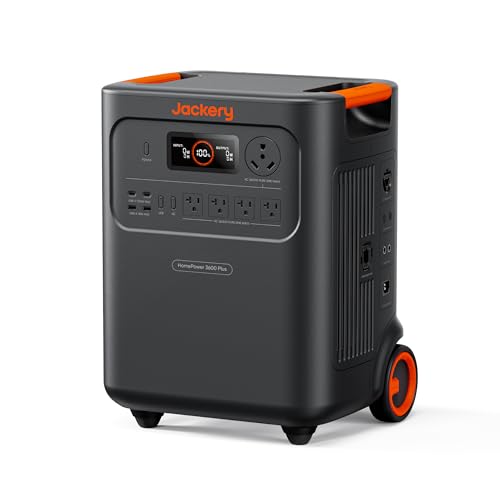
Jackery HomePower 3600 Plus Portable Power Station, 3600W AC Output, 3584Wh LFP Solar Generator, Expandable up to 21kWh, Essential Home Backup for Home Use, Emergencies, RV (Solar Panel Optional)
- Essential Home Backup: The Jackery HomePower 3600 Plus...
- Safe Power That Lasts: Built with high-temp resistant ceramic...
- Plug-and-Play: With its easy plug-and-play design,...
As an affiliate, we earn on qualifying purchases.