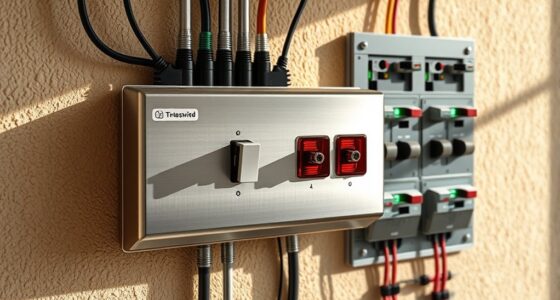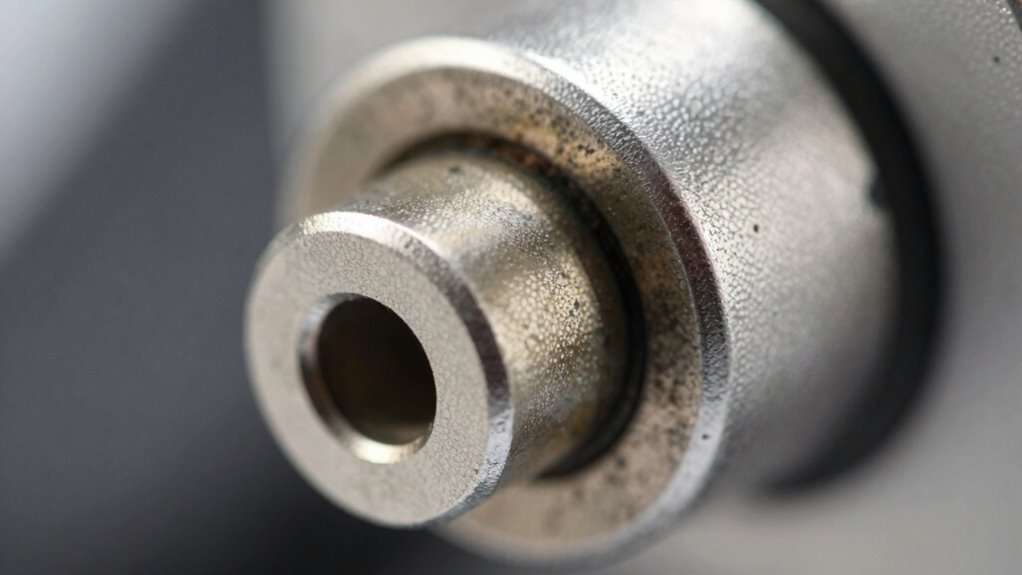
Transfer switch contact wear happens mainly because repeated arcing during operation erodes the contact surfaces over time, increasing resistance and causing heat buildup. This wear can lead to poor connections, sparking, and even system failure, putting safety at risk. Regular maintenance, inspections, and using high-quality parts help prevent excessive wear and extend contact life. To better understand how to keep your system reliable and safe, keep exploring these essential details.

Get backup power and energy gear delivered free — and shop member deals
- Fast, free delivery on millions of items
- Access to Prime Big Deal Days deals on October 6–7
- Prime Video, Amazon Music and more included
Key Takeaways
- Repeated arcing during transfer operations causes contact surface erosion over time.
- Erosion increases resistance, leading to heat buildup and accelerated contact material degradation.
- Contact wear results in poor electrical connections, sparking, and potential fire hazards.
- Regular inspection and maintenance help detect early signs of wear and prevent switch failure.
- Using proper installation, high-quality contacts, and prompt maintenance extends switch longevity.
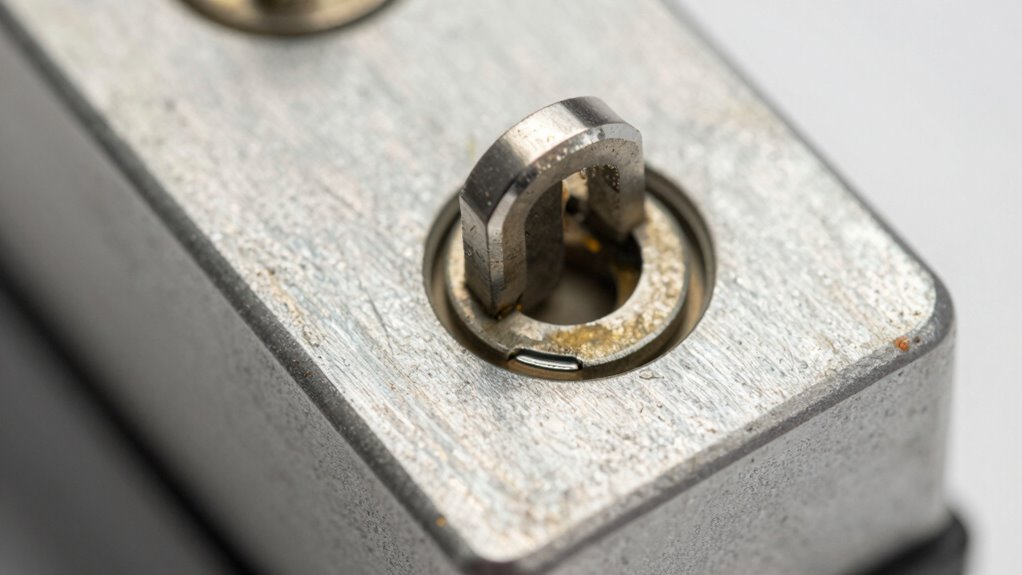
Have you ever wondered why transfer switch contacts sometimes fail prematurely? It’s a question many who rely on backup power systems ask, and the answer often lies in understanding the wear that occurs on those contacts over time. Transfer switches are essential components that ensure your generator kicks in smoothly during a power outage, but their longevity depends heavily on proper generator maintenance and adherence to electrical safety standards. When contacts wear out, it can lead to poor electrical connections, sparking, or even complete failure of the switch, which compromises your system’s reliability.
Transfer switch contact failure often results from wear caused by repeated arcing during switching.
The primary cause of contact wear is the repeated arcing that happens every time the transfer switch switches between utility power and generator power. Each transition causes an electric arc as the contacts open or close, gradually eroding the contact surfaces. Over time, this erosion can cause increased resistance, which results in heat buildup, further accelerating wear and potentially damaging the contact material. Regular generator maintenance helps identify early signs of wear, such as pitting or discoloration, before they develop into more serious issues. By inspecting and cleaning contacts during routine checks, you can prevent abrupt failures and extend the lifespan of your transfer switch.
Electrical safety plays a critical role in managing contact wear. Faulty or worn contacts can create unsafe conditions, including short circuits or electrical fires. That’s why it’s vital to ensure the transfer switch is correctly installed and maintained by qualified professionals. Proper electrical safety measures, like ensuring the switch is properly grounded and that wiring connections are tight, reduce the likelihood of abnormal arcing or overheating. Additionally, using high-quality, compatible replacement contacts when needed minimizes the risk of premature wear. Proper contact material selection and understanding storage conditions can further influence the durability of your contacts and help prevent issues. Never attempt to service or replace contacts if you’re not trained, as improper handling can lead to electric shocks or other hazards.
Understanding the importance of proper generator maintenance and electrical safety practices helps you avoid the costly consequences of contact failure. Keeping the transfer switch clean, inspecting contacts regularly, and addressing any signs of wear promptly will keep your backup power system functioning reliably. Remember, the key isn’t just in the initial installation but in ongoing care and vigilance. By doing so, you ensure that your transfer switch continues to operate smoothly, providing the safety and power reliability you depend on during outages. In the end, proactive maintenance and safety measures not only prolong the life of your contacts but protect you and your property from potential electrical hazards.
Frequently Asked Questions
How Often Should Transfer Switch Contacts Be Inspected?
You should inspect transfer switch contacts at least once a year. During inspection, check for signs of wear, pitting, or corrosion, and guarantee contact lubrication is adequate to prevent excessive wear. If contacts show significant damage or pitting, consider contact replacement to maintain reliable operation. Regular inspections help catch issues early, prolonging the switch’s lifespan and ensuring smooth, safe transfer of power during outages.
What Are Signs of Transfer Switch Contact Failure?
Like a worn-out bridge, transfer switch contact failure shows itself through signs like persistent chattering, excessive contact resistance, or failure to transfer loads properly. You might notice electrical arcing, burn marks, or overheating. Regularly inspect for these signs, confirming proper contact lubrication and timely contact replacement. Addressing issues early prevents costly damage, keeps your system reliable, and guarantees seamless power transfer during outages.
Can Contact Wear Cause Power Outages?
Yes, contact wear can cause power outages. When contacts corrode or develop electrical arcing, they don’t make proper connections, leading to intermittent or complete power failure. Over time, corrosion and arcing damage the contacts, increasing resistance and risking contact failure. This deterioration disrupts the switch’s ability to transfer power reliably, resulting in outages. Regular inspections help identify these issues early, preventing unexpected disruptions.
Are There Preventive Measures for Contact Wear?
Yes, you can prevent contact wear by taking proactive measures. Regularly apply contact lubrication to reduce friction and wear over time. Additionally, guarantee environmental protection by keeping the switch in a clean, dry, and dust-free area, which minimizes contamination that accelerates contact deterioration. These steps help extend the lifespan of the contact points, improve switch reliability, and prevent unexpected power outages caused by contact failure.
How Does Contact Material Affect Wear?
You might think contact material doesn’t impact wear, but it actually plays a vital role. Different materials, like silver or gold alloys, offer varying wear resistance levels. Using high-quality, wear-resistant materials reduces contact wear considerably, enhancing switch longevity. Investigate the truth behind material choices, because selecting the right contact material directly influences how well your transfer switch withstands repeated operations, preventing premature failure and ensuring reliable performance over time.
Conclusion
By paying attention to transfer switch contact wear, you protect your power supply and prolong its life. Regular inspection and prompt repairs prevent problems from piling up, saving you stress and expenses. Stay vigilant, and you’ll keep your system safe, stable, and strong. Remember, maintenance minimizes mishaps, maximizes reliability, and keeps your backup power prepared for any problem. Stay proactive, protect your power, and preserve peace of mind with proper transfer switch care.
Evergreen bestsellers Picks
bestsellers
As an affiliate, we earn on qualifying purchases.