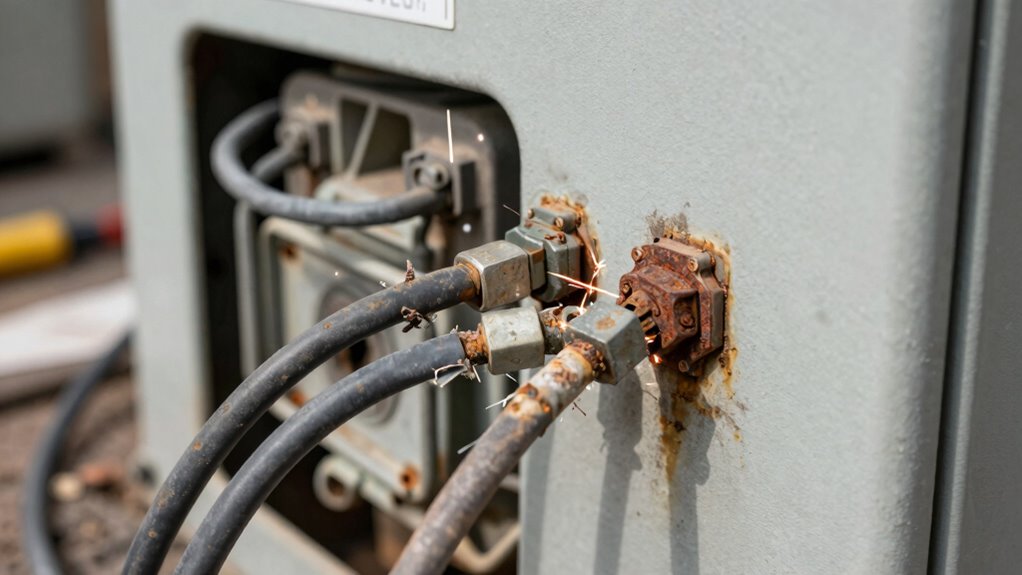

Many generator bonding mistakes cause confusion and safety risks. You might overlook connecting the generator’s frame properly to the grounding system or assume the neutral and ground are the same, which they are not. Using an undersized grounding conductor or relying on existing building grounds without verifying their adequacy can lead to shocks or equipment damage. Ensuring correct bonding practices, following manufacturer instructions, and inspecting connections are essential. If you continue, you’ll gain a clearer understanding of how to prevent these common errors.

Get backup power and energy gear delivered free with Prime
- Fast, free delivery on millions of items
- Prime Video, Amazon Music and more included
- Member-only deals all year
Key Takeaways
- Incorrectly bonding the generator frame to the grounding system can create unsafe stray currents.
- Confusing neutral and ground connections can lead to operational issues and safety hazards.
- Using an undersized or damaged grounding conductor compromises fault current safety.
- Relying on existing building ground without verifying its adequacy causes potential grounding problems.
- Neglecting regular inspection and proper standards adherence can result in unsafe grounding practices.
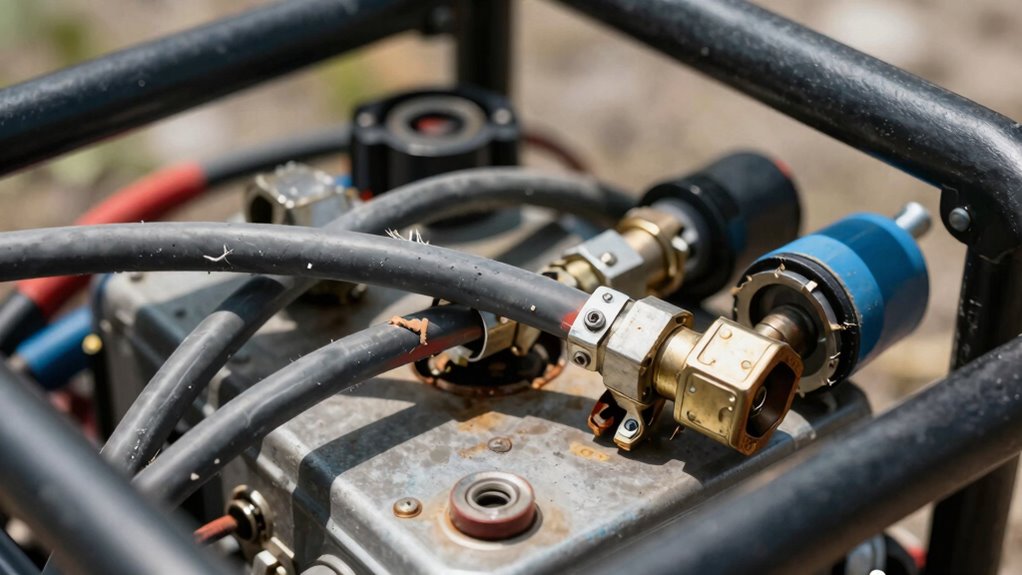
Are you aware of the common mistakes people make when bonding a generator? Many overlook vital steps that impact generator safety and electrical grounding, leading to confusion and potential hazards. One of the most frequent errors is neglecting to properly bond the generator frame to the grounding system. When you fail to make a solid connection between the generator’s metal frame and the grounding electrode, you risk creating an unsafe situation where stray electrical currents can cause shocks or damage to connected equipment. Proper electrical grounding is essential for safety, as it provides a safe path for electrical faults to travel, reducing the risk of electrocution and fire.
Another common mistake is misunderstanding the role of the neutral and ground connections. Some assume that the neutral wire is the same as the ground, but they are separate and serve distinct purposes. When bonding a generator, you must verify that the neutral bond is correctly established according to manufacturer instructions and local codes. Incorrectly bonding or unbonding the neutral can lead to confusion during operation and troubleshooting, making it difficult to identify electrical issues. Proper generator safety relies heavily on correct neutral-to-ground bonding, which ensures the electrical system functions as intended and minimizes shock hazards. Verifying the correct bonding practices can help prevent electrical faults.
People also often forget to check the grounding conductor’s size and integrity before operation. Using an undersized or damaged grounding wire compromises electrical grounding and can result in unsafe conditions. You need to verify that the grounding system is capable of handling fault currents and is properly connected to a grounding rod or other grounding electrode. This step is critical for generator safety because an inadequate grounding system can cause electrical shocks or equipment damage during faults. Additionally, understanding the importance of grounding system inspection can help in ensuring that all connections are visually inspected for proper installation and maintenance. Ensuring proper grounding system inspection is vital to prevent overlooked issues that could compromise safety. A thorough inspection can also help identify corrosion or loose connections that might otherwise be missed. Moreover, adherence to grounding standards ensures the system remains compliant with safety regulations and performs reliably under different conditions.
Some users mistakenly assume that connecting the generator to the building’s existing grounding system eliminates the need for additional grounding measures. This can create confusion about whether the generator’s grounding is sufficient and compliant with safety standards. Always follow manufacturer instructions and local electrical codes to guarantee proper bonding and grounding practices. Doing so helps prevent electrical hazards and ensures the generator operates safely and reliably. Incorporating appropriate filtration and pump protection can further enhance the longevity and performance of the generator’s electrical components, reducing the risk of malfunctions caused by debris or contamination.
Frequently Asked Questions
Can Incorrect Bonding Cause Generator Failure?
Yes, incorrect bonding can cause generator failure. When you neglect proper generator maintenance and bonding safety, it increases the risk of electrical faults, overheating, or short circuits. Faulty bonding can lead to unstable operation or damage to your generator’s components. Ensuring correct bonding practices helps prevent these issues, maintains safe operation, and prolongs your generator’s lifespan. Always follow manufacturer guidelines and safety standards for effective bonding and reliable generator performance.
Is Grounding Different From Bonding on Generators?
You might think grounding and bonding are the same, but they serve different roles in generator safety. Grounding directs electrical faults safely into the earth, while bonding creates a continuous path, ensuring all metal parts are at the same potential. Proper bonding procedures prevent dangerous shocks and equipment damage. Visualize a lightning strike—without correct bonding, your generator could become a conductor, risking safety. Mastering these distinctions is essential for safe operation.
How Often Should Generator Bonding Be Inspected?
You should inspect generator bonding during regular generator maintenance, ideally every 6 to 12 months. Proper bonding guarantees safety and reliable operation, so follow the bonding procedures outlined by the manufacturer. Check for corrosion, loose connections, or damage that might compromise the bonding system. Regular inspections help you identify issues early, preventing confusion and potential safety hazards. Consistent maintenance keeps your generator functioning safely and efficiently.
What Tools Are Needed for Proper Generator Bonding?
Did you know that improper bonding can lead to electrical failures, accounting for nearly 30% of generator issues? To guarantee proper generator bonding, you need tools like a multimeter, grounding tester, and wire strippers. Familiarize yourself with different bonding methods—like equipment bonding and system bonding—and always check that your equipment requirements meet local electrical codes. These tools help verify solid connections, preventing confusion and ensuring safe operation.
Are There Specific Codes Governing Generator Bonding?
Yes, specific codes govern generator bonding to guarantee safety and code compliance. You must follow National Electrical Code (NEC) standards, especially Article 695 and 250, which outline proper bonding practices for generators. These codes specify how to connect grounding conductors and bonding jumpers correctly. Failing to adhere can cause confusion, safety hazards, and code violations. Always verify local amendments and consult a qualified electrician to ensure your bonding practices meet all relevant regulations.
Conclusion
Just as a wise captain knows the importance of a steady helm, understanding proper generator bonding keeps your system safe and reliable. Avoiding common mistakes is your anchor against confusion and potential hazards. Remember, even Odysseus faced challenges on his journey, but with the right knowledge, you can navigate your generator setup smoothly. Stay informed, stay vigilant, and guarantee your electrical system’s safety—because a well-bonded generator is your voyage’s best safeguard.
Fall Picks
fall essentials
As an affiliate, we earn on qualifying purchases.