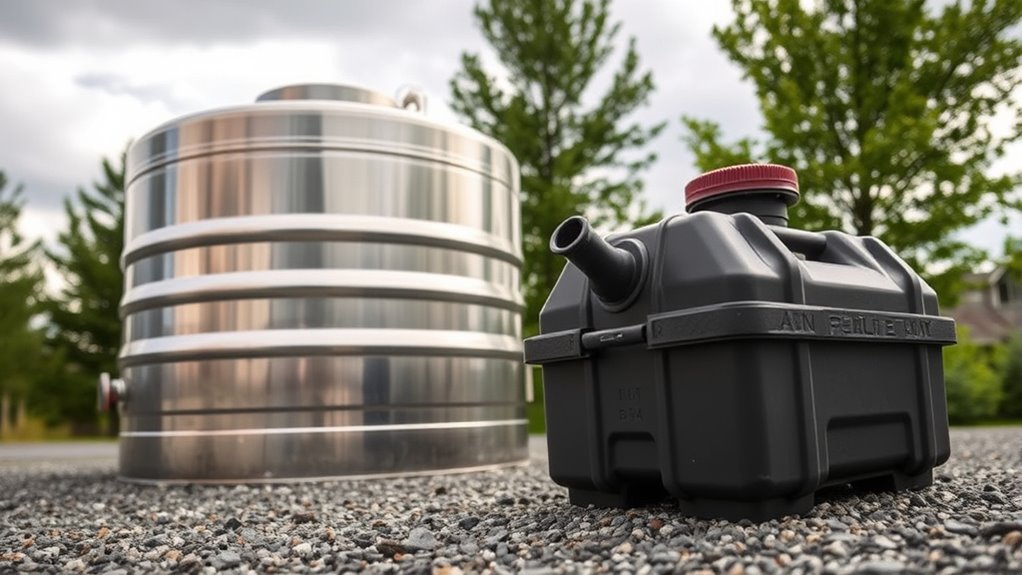

To size your fuel tank for extended outages, first assess your power needs and calculate daily fuel consumption for essential systems. Determine how long outages might last and multiply your daily usage by that period. Choose a tank size that safely covers this entire amount, considering space and safety features. Properly sizing your tank guarantees reliable backup power without unnecessary overhang. Keep exploring to discover detailed tips for selecting and maintaining your ideal fuel storage solution.
Key Takeaways
- Calculate your essential fuel needs by assessing power requirements, consumption rates, and outage duration.
- Determine daily fuel consumption and multiply by expected outage days to find minimum tank capacity.
- Choose appropriate tank types (horizontal, vertical, portable) based on space, storage volume, and refill frequency.
- Ensure tanks meet safety standards with spill containment, venting, and proper labeling for regulatory compliance.
- Regularly inspect and monitor fuel levels to plan refills, prevent degradation, and maintain safe storage during extended outages.

Planning for extended outages means ensuring you have enough fuel to keep essential systems running without interruption. When it comes to sizing your fuel tank, understanding your fuel capacity needs is vital. You want to avoid running out of fuel at a critical moment, but you also don’t want to overinvest in storage that’s unnecessary or difficult to manage. To do this effectively, you need to assess your power requirements, consumption rates, and the duration you expect to be without grid support. Calculating your fuel capacity involves determining how much fuel your equipment consumes daily and multiplying that by the number of days you want to be prepared for. This proactive approach helps you identify the minimum storage capacity needed to sustain your essential systems during an outage.
Next, consider your storage options carefully. The type of fuel tank you choose impacts not only the total fuel capacity but also safety, ease of use, and compliance with regulations. Horizontal tanks are common for larger storage needs—they are durable and can hold substantial fuel amounts. Vertical tanks, on the other hand, save space and are ideal for limited areas. Portable tanks offer flexibility if you need to move fuel around or supplement your main storage. When evaluating options, think about how much space you have available, how often you’ll need to refill, and the environment where the tank will be located. Some tanks come with built-in safety features like spill containment and venting systems, which are essential for preventing accidents and adhering to safety standards.
Another factor to consider is the type of fuel you’ll store. Different fuels have varied storage requirements, shelf lives, and safety precautions. Once you’ve settled on your storage options, you should also plan for fuel management. This includes regular inspections, ensuring the integrity of the tanks, and tracking fuel levels. Having a clear plan for refueling, especially if your outages extend beyond initial estimates, makes certain you won’t run short unexpectedly.

Porch Shield Waterproof Universal Generator Cover 38 x 28 x 30 inch - for Most Generators 5500-15000 Watt, Black
- Compatible - More sizes for 5500w -15000w gas...
- Upgrade Material - Made of 600D polyester fabric...
- Tear Resistant & Waterproof - The high-level double...
As an affiliate, we earn on qualifying purchases.
Frequently Asked Questions
How Often Should I Check and Maintain My Fuel Tank?
You should check and maintain your fuel tank at least every three to six months. During these inspections, add a fuel stabilizer to prevent degradation, and guarantee proper tank ventilation to prevent moisture buildup. Regular maintenance keeps your fuel fresh, reduces corrosion, and guarantees your system runs smoothly during emergencies. Don’t forget to inspect for leaks or debris, and always follow manufacturer guidelines for ideal tank health.
What Types of Fuel Are Best for Long-Term Storage?
For long-term storage, you should choose stabilized fuels like ethanol-free gasoline or diesel with fuel stabilizers. These prevent fuel from breaking down into gooey, unusable sludge—a disaster waiting to happen! Always store your fuel in high-quality, airtight storage containers to keep contaminants out. Using the right fuel and containers can turn a simple storage plan into a fortress against fuel spoilage, ensuring you’ll have reliable power even in the worst extended outages.
Can I Safely Mix Different Fuel Types in One Tank?
You shouldn’t mix different fuel types in one tank because it can cause issues like fuel instability and engine damage. If you need to blend fuels, add fuel stabilizers to prevent tank corrosion and maintain fuel quality. Always use compatible fuels and avoid mixing to guarantee safe storage and reliable engine performance during outages. Proper single-fuel storage helps prevent problems and keeps your equipment ready when you need it most.
How Do Temperature Changes Affect Fuel Storage Longevity?
Temperature fluctuations can considerably impact fuel stability over time. As temperatures rise and fall, fuel may degrade faster, leading to separation or the formation of varnish and gums. To protect your stored fuel, you should keep your tank in a cool, consistent environment, use stabilizers if needed, and regularly check your fuel. This way, you maintain fuel quality and ensure it’s reliable when you need it most.
Are There Legal Restrictions on Storing Large Fuel Quantities?
You should verify local laws before storing large fuel quantities, as legal restrictions and fuel storage regulations vary. For example, in some areas, storing over 25 gallons may require permits or strict safety measures. Failing to comply can lead to fines or safety hazards. Always consult your local authorities or fire department to ensure your storage setup adheres to all legal restrictions and safety standards.
Porch Shield Waterproof Universal Generator Cover 32 x 24 x 24 inch - for Most Generators 5000-10000 Watt, Black
- Compatible - More sizes for 5000w -10000w gas...
- Upgrade Material - Made of 600D polyester fabric...
- Tear Resistant & Waterproof - The high-level double...
As an affiliate, we earn on qualifying purchases.
Conclusion
Now that you know how to size your fuel tank for extended outages, imagine the peace of mind you’ll have when the power goes out. Will your tank be big enough to keep things running smoothly? Or will you find yourself scrambling for fuel at the last minute? Don’t leave it to chance—plan ahead and secure your supply. The next outage could be closer than you think. Are you ready for what’s coming?

GenArmor Generator Covers While Running, 100% Waterproof Heavy Duty Tarps Generator Tent, Portable Outdoor Generator Enclosure for Most 4000w~13000w Generators, Black, Standard
- 100% Waterproof Protection: A patented innovation from GenArmor...
- Robust Integrated Design: Our unique design secures the...
- Long-lasting Durability: Weighs a hefty 14 pounds,...
As an affiliate, we earn on qualifying purchases.
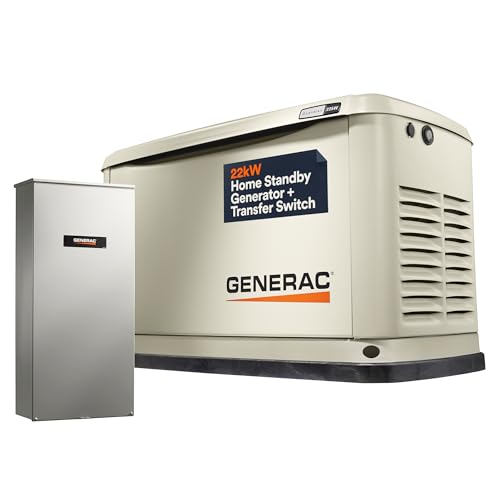
Generac Guardian 22kW Home Standby Generator with 200 Amp Transfer Switch - Automatic Whole House Backup Power for Storms, Emergencies, and Outages, WiFi Enabled, Runs on Natural Gas or Liquid Propane
- Remote Monitoring Anywhere: With Generac 7043 22kW Mobile...
- Whole House Protection: Enjoy comprehensive coverage with Generac's...
- Long-Term Assurance: Backed by a 5-Year Limited...
As an affiliate, we earn on qualifying purchases.