
Understanding NFPA 110 Fuel Storage Classes helps you determine the right safety measures for storing flammable liquids based on their hazard levels. Class I tanks hold highly flammable fuels like gasoline, requiring specific safety features such as fire-resistant construction and suppression systems. Class II and III contain less volatile fuels, needing different safety protocols. Knowing these classes guarantees proper compliance and risk reduction. Keep exploring to learn how these classifications influence fire safety standards and storage practices.

Get backup power and energy gear delivered free with Prime
- Fast, free delivery on millions of items
- Prime Video, Amazon Music and more included
- Member-only deals all year
Key Takeaways
- NFPA 110 classifies fuel storage tanks based on flammability and hazard levels, such as Class I, II, and III.
- Class I tanks store highly flammable liquids like gasoline, requiring stringent safety measures.
- Understanding these classifications guides appropriate fire protection systems and construction standards.
- Proper classification ensures regulatory compliance and enhances safety protocols for fuel storage.
- NFPA 110 provides detailed criteria for tank design, monitoring, and fire suppression tailored to each class.
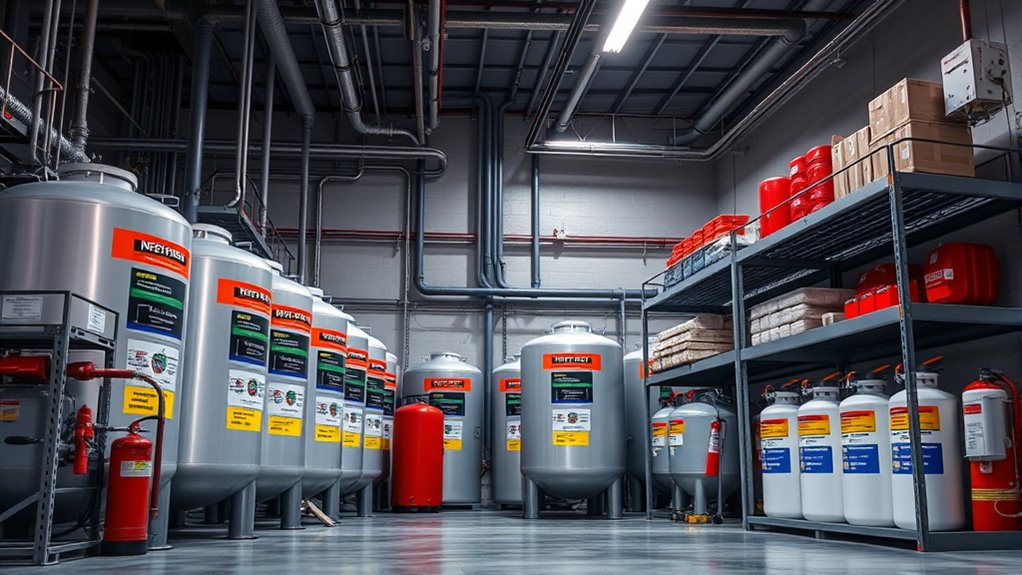
Have you ever wondered how fuel storage safety is categorized to prevent hazards? The answer lies in understanding fire safety regulations and storage tank classifications, which help determine how different fuels should be stored and managed. These classifications are essential because they guide you in choosing the right type of tank and storage practices based on the specific hazards associated with various fuels. These classifications are designed to minimize fire risks and protect personnel, property, and the environment. For instance, tanks storing flammable liquids such as gasoline or jet fuel are considered high-hazard and require stricter fire safety regulations. Conversely, tanks containing less volatile substances might fall into a lower hazard class, which influences the design, construction, and fire protection measures you need to implement. Recognizing these storage tank classifications helps you understand the level of safety precautions necessary for each storage scenario.
When you’re managing fuel storage, knowing the classifications guides you in selecting appropriate materials, tank design, and safety systems. For example, tanks designated as Class I are used for highly flammable liquids, demanding features like double-walled construction, foam suppression systems, and rigorous monitoring. On the other hand, tanks classified as Class II or III generally involve less volatile fuels, allowing for different safety protocols. This classification system ensures that fire safety regulations are tailored to the specific risks, reducing the likelihood of fires or explosions. Additionally, smart IoT technology is increasingly being integrated into fuel storage solutions to enhance monitoring and safety management.
Moreover, understanding these classifications supports compliance with legal standards and best practices. Properly classifying your storage tanks according to NFPA 110 means you can implement the right fire protection measures and maintenance routines. This proactive approach not only keeps your facility safe but also helps you avoid costly penalties or liabilities resulting from non-compliance. It’s crucial to stay informed about the latest standards and ensure your storage practices align with current fire safety regulations, which are designed to mitigate hazards associated with fuel storage.
In essence, grasping the concept of storage tank classifications within NFPA 110 empowers you to manage fuel safely and responsibly. It provides the foundation for establishing effective fire safety protocols, selecting appropriate storage solutions, and maintaining compliance with regulatory requirements. By understanding how fuel storage safety is categorized, you can confidently implement measures that protect everyone involved and prevent potentially devastating incidents.
Frequently Asked Questions
How Do I Determine the Appropriate Storage Class for My Fuel?
To determine the appropriate storage class for your fuel, you need to analyze its fuel classification based on volatility and flash point. Refer to storage regulations, like NFPA 110, which specify requirements for each class. Check your fuel’s properties, such as temperature and ignition risk, then match them with the correct storage class. This guarantees safe handling, compliance, and minimizes fire hazards in your facility.
Are There Specific Safety Measures for Each NFPA 110 Class?
Yes, each NFPA 110 class has specific safety measures aligned with fire safety regulations. You should implement fire detection and suppression systems tailored to the fuel’s storage capacity considerations, guaranteeing proper ventilation and containment. Regular inspections, proper signage, and training are essential. For instance, Class 1 fuels require strict controls due to their high flammability, while lower classes still demand diligent safety protocols to prevent fire hazards and ensure safe storage.
Can Fuel Storage Classes Change Over Time?
Did you know that fuel classification can change over time? Yes, fuel storage classes may shift due to factors like fuel aging, contamination, or modifications in storage conditions. You need to stay updated on storage regulations because they influence safety measures and compliance. Regular inspections help ensure your fuel remains in the correct classification, preventing hazards and ensuring your facility adheres to the latest safety standards, safeguarding everyone involved.
What Training Is Required for Handling Different Fuel Classes?
You need specialized training in fuel handling protocols for each fuel class to guarantee safety and compliance. This training covers proper storage, transfer, and use procedures. Additionally, you’ll learn emergency response strategies tailored to specific fuel types, helping you act quickly and effectively during incidents. Regular refresher courses are essential to stay updated on safety standards, ensuring you handle different fuel classes safely and minimize risks.
How Do NFPA 110 Classes Impact Insurance Requirements?
Your NFPA 110 fuel storage classes substantially impact insurance requirements by influencing risk assessments. Higher hazard classes, like Class 1, often lead to increased premiums due to greater fire risks, while lower classes may result in more favorable insurance conditions. Insurers evaluate these classifications to determine coverage terms, premiums, and safety expectations. Understanding your fuel storage class helps you negotiate better insurance terms and implement appropriate risk mitigation strategies.
Conclusion
By understanding NFPA 110 fuel storage classes, you can better assess fire risks and guarantee safety compliance. Some believe that properly classified storage can prevent catastrophic fires, and evidence supports this—proper classification genuinely reduces hazards. So, don’t underestimate the importance of correct fuel storage. When you follow these guidelines, you’re not just adhering to standards; you’re actively protecting people, property, and the environment from potential disasters, proving safety measures really do make a difference.
Halloween Picks
halloween
As an affiliate, we earn on qualifying purchases.