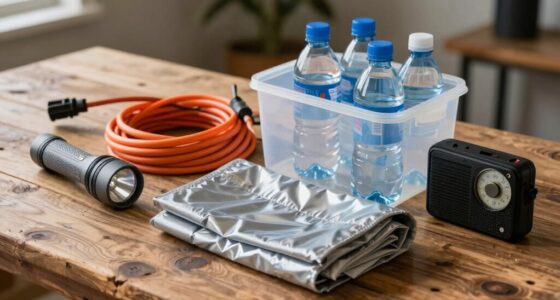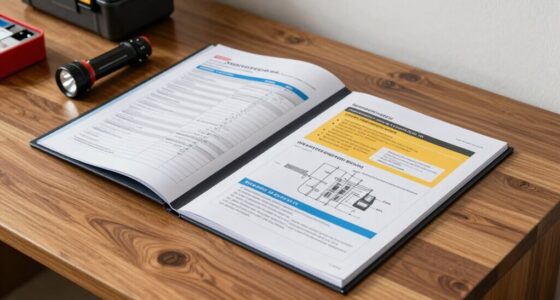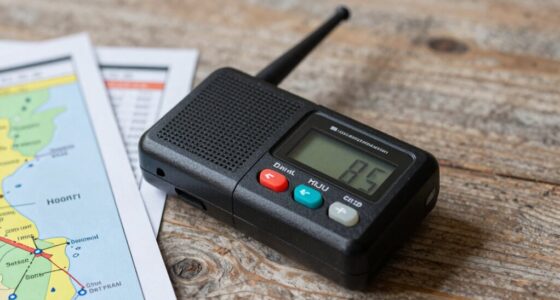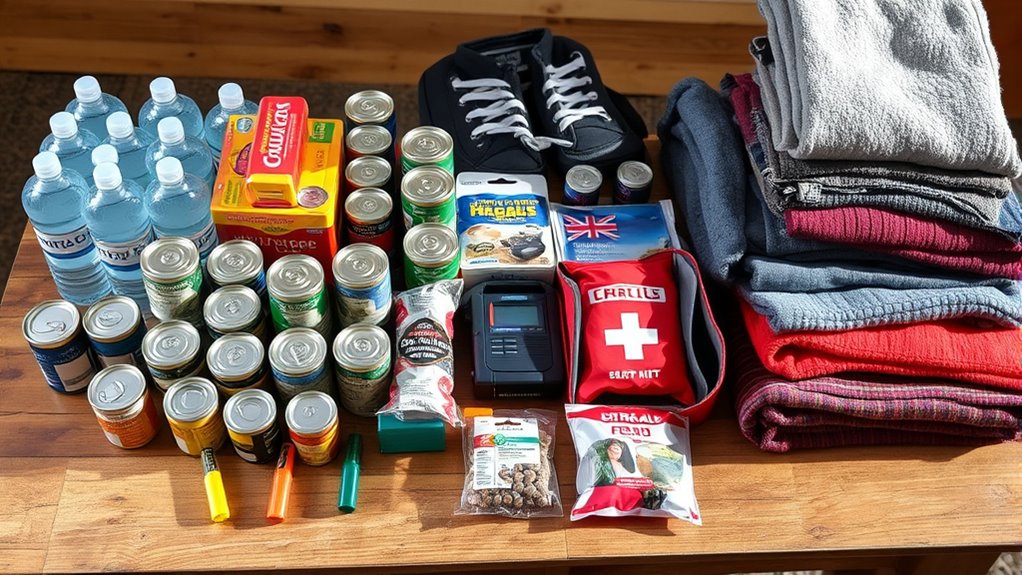

To prepare a 48-hour outage supply kit, gather essentials like non-perishable food, bottled water (at least one gallon per person per day), and a manual can opener. Include a flashlight, batteries, a first aid kit, and a battery-powered radio. Store everything in a cool, accessible spot and regularly check expiration dates. Focus on organization and preparedness to stay safe and comfortable. Keep exploring for detailed tips to make your kit complete and reliable.

Get backup power and energy gear delivered free — and shop member deals
- Fast, free delivery on millions of items
- Access to Prime Big Deal Days deals on October 6–7
- Prime Video, Amazon Music and more included
Key Takeaways
- Stock at least 6 gallons of water (one per person per day) in clean, labeled containers for 48 hours.
- Include a variety of non-perishable foods like canned goods, energy bars, dried fruits, and nuts, with a manual can opener.
- Keep essential supplies such as flashlight, batteries, first aid kit, and a battery-powered radio in an accessible location.
- Store all items in a cool, dark place, and regularly check expiration dates to rotate and maintain freshness.
- Tailor your kit to specific needs, including medications, dietary restrictions, and emergency contact information.
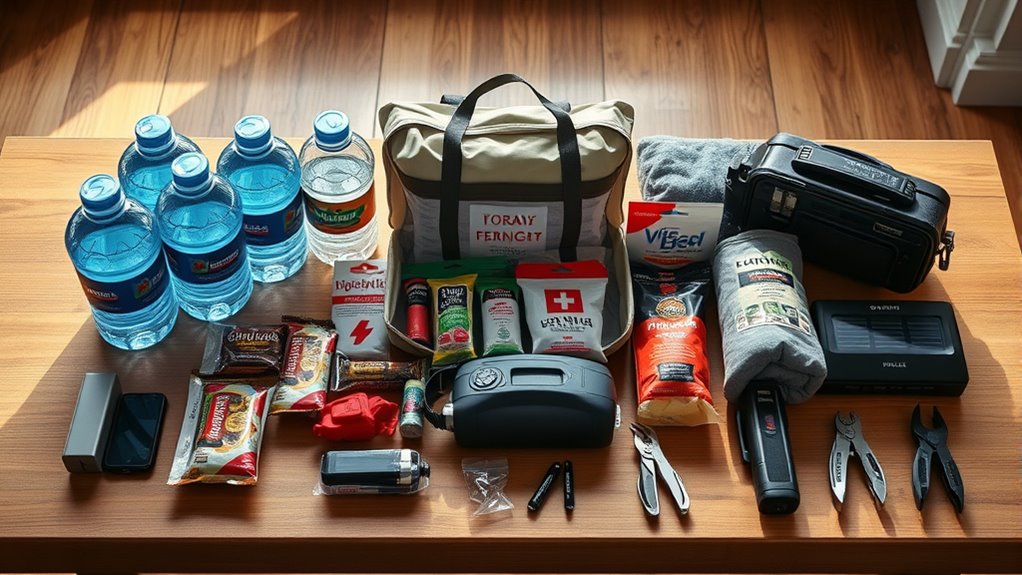
Being prepared for a power outage is vital, especially since disruptions can happen unexpectedly. You need to have a well-stocked 48-hour outage supply kit to keep yourself safe and comfortable during those uncertain times. One of the most important aspects of your kit is ensuring you have enough emergency food and water storage. Without proper planning, you might find yourself scrambling for essentials when the lights go out or the power grid fails. That’s why it’s wise to stock non-perishable food items that require minimal preparation. Canned goods, energy bars, dried fruits, and nuts are excellent choices because they last long and can be eaten without cooking if necessary. Pair these with a manual can opener so you’re not left without options. When it comes to water storage, it’s vital to have at least one gallon per person per day, which adds up to 6 gallons for a 48-hour period. Store water in clean, food-grade containers, and consider investing in portable water bottles or jugs that are easy to carry. Remember, water is your top priority because it keeps you hydrated and safe, especially if the power outage lasts longer than expected or if you need to evacuate. Make sure your water supplies are easily accessible and clearly labeled, so you don’t waste time searching during an emergency. Additionally, consider including water purification tablets or a small portable filter, just in case your stored water becomes contaminated or runs out. Your emergency food and water storage should be kept in a cool, dark place to maximize shelf life and prevent spoilage. Regularly check expiration dates and rotate supplies to guarantee everything remains fresh and safe to consume. Your kit doesn’t only need food and water; include other essentials like a flashlight, batteries, a first aid kit, and a battery-powered or hand-crank radio to stay informed. Having these items ready means you can respond swiftly when power disruption occurs. Don’t forget to tailor your supplies to your specific needs, including any medications or special dietary requirements. Preparing a 48-hour outage supply kit isn’t complicated if you think ahead and organize your essentials. Focus on emergency food and water storage because they are the foundation of your safety during a power outage. With a little planning, you can face unexpected disruptions confidently, knowing you have enough supplies to keep you safe and comfortable until normalcy is restored.
Frequently Asked Questions
How Often Should I Update My Outage Supply Kit?
You should update your outage supply kit at least once a year to guarantee storage organization and kit maintenance. Regularly check for expired food, batteries, and medications, and replace them as needed. Also, review your supplies to make sure everything still fits and is accessible. Keeping your kit current guarantees you’re prepared for a 48-hour outage and can quickly locate essential items during an emergency.
What Are the Best Portable Power Sources for Outages?
You should consider solar generators and portable batteries as the best power sources during outages. Solar generators harness sunlight, providing renewable energy, while portable batteries offer quick, reliable backup power for essential devices. Both are lightweight, easy to transport, and easy to recharge, making them ideal for a 48-hour outage. Keep them charged and ready, and you’ll guarantee your devices stay powered when the grid goes down.
How Can I Keep Medications Safe During an Outage?
Imagine your emergency kit as a small safe vault. To keep medications safe during an outage, store them in a cool, dark place away from direct sunlight. Use a insulated container if needed, and keep emergency prescriptions clearly labeled and readily accessible. Regularly check expiration dates, and consider portable coolers for temperature-sensitive meds. This way, your essential medications stay effective and safe when you need them most.
What Special Supplies Are Needed for Pets?
You should include enough pet food and pet medications to last at least 48 hours. Pack a portable water bowl, a leash, and any special items your pet needs, like medications or toys. Don’t forget to bring copies of vet records and a first aid kit tailored for pets. These supplies guarantee your pet stays safe, fed, and comfortable during a power outage or emergency.
How Do I Customize My Kit for Family Members With Special Needs?
Have you thought about how to tailor your kit for family members with special needs? You should include items that address their special dietary needs and consider any necessary medical equipment. Pack extra batteries or power sources, medications, and comfort items. Think about accessibility and ease of use, ensuring everything is organized for quick access. This way, you’re prepared to meet their unique requirements during an outage confidently.
Conclusion
Now that you’ve packed your 48-hour outage supply kit, you’re like a sturdy ship ready to weather any storm. With these essentials on board, you’re prepared to face the dark clouds and rough seas, knowing you’ve built a safety net to catch you when the power goes out. Stay calm and confident, because your kit is your lighthouse, guiding you safely through the night. You’ve turned uncertainty into resilience—you’re truly ready for anything.
Fall Picks
fall essentials
As an affiliate, we earn on qualifying purchases.