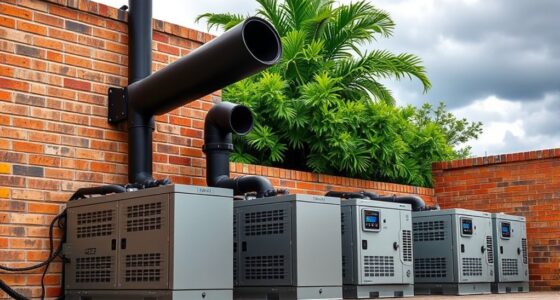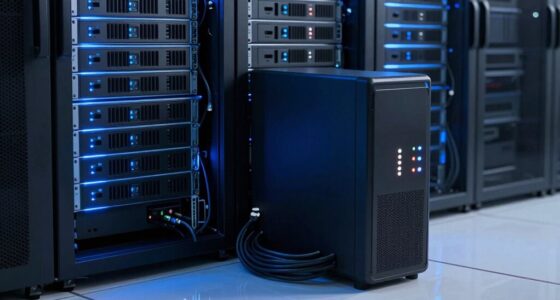

Load shedding happens when the power grid can’t meet demand, often during peak times, to prevent damage or blackouts. Many believe it’s due to utility profit or faults, but it’s mainly a technical safety measure. Knowing the facts helps you stay prepared and avoid misconceptions. Proper understanding can keep you safe and reduce stress during outages. Keep exploring to find out how you can better handle and even prevent power disruptions.

Get backup power and energy gear delivered free — and shop member deals
- Fast, free delivery on millions of items
- Access to Prime Big Deal Days deals on October 6–7
- Prime Video, Amazon Music and more included
Key Takeaways
- Load shedding is a technical safety measure to prevent grid collapse, not a malicious or profit-driven act.
- It occurs when energy demand exceeds supply, especially during peak usage times.
- Myths often misrepresent load shedding as intentional inconvenience or revenue, but it’s primarily to protect infrastructure.
- Proper awareness and preparation, like emergency kits and scheduled alerts, help minimize disruption.
- Understanding the causes and facts about load shedding fosters informed planning and reduces misconceptions.
Understanding the Causes of Load Shedding
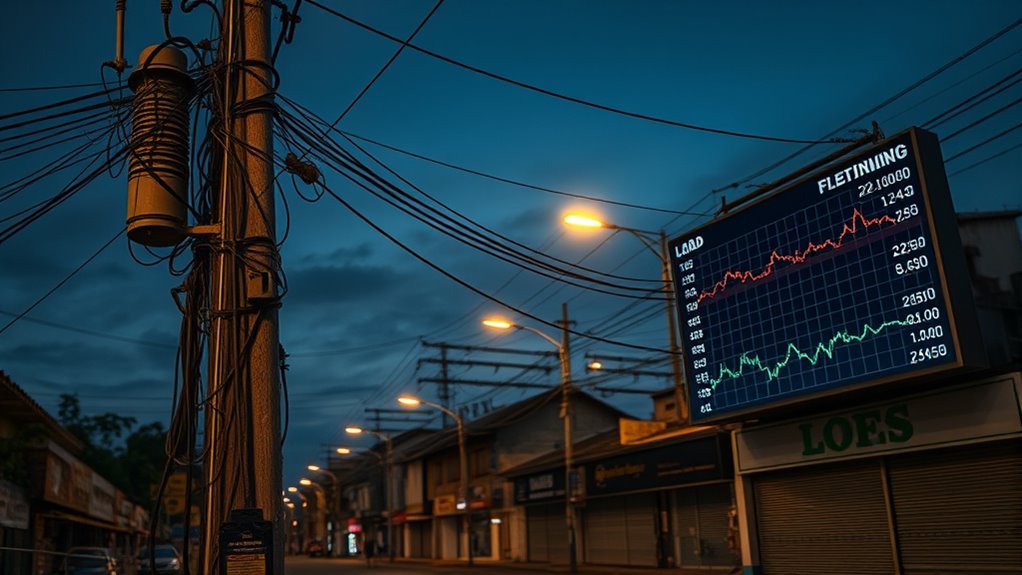
Understanding the causes of load shedding is essential because it helps you grasp why power outages happen. At its core, load shedding occurs when the power grid can’t meet the current energy demand. During peak times, more people use electricity, pushing demand beyond what the grid can supply safely. To prevent damage or blackouts, utility companies intentionally reduce power supply in certain areas. This imbalance between energy demand and supply puts stress on the entire power grid, leading to scheduled outages. Factors like infrastructure limitations, insufficient generation capacity, or unexpected technical issues can exacerbate the problem. Additionally, Remote Hackathons exemplify how collaborative problem-solving can foster innovative solutions to complex infrastructure challenges. By understanding that load shedding results from this mismatch, you realize it’s a necessary measure to maintain grid stability and prevent a total blackout.
Common Misconceptions and Myths Debunked

Many people believe load shedding is simply a way for utility companies to cut costs or punish consumers, but this isn’t true. Power outage myths and load shedding misconceptions often lead to misunderstandings about why outages happen.
Many misunderstand load shedding, thinking it’s about cost-cutting or punishment, but it’s actually a necessary technical response.
Here are some common myths debunked:
- Load shedding is intentional and designed to inconvenience you—it’s actually a necessary measure during supply shortages.
- Power outages only occur during storms or faults—many outages happen due to scheduled load shedding to prevent grid collapse.
- Utility companies profit from load shedding—it’s a costly necessity to balance supply and demand, not a revenue-generating scheme.
- High contrast ratios and proper calibration are essential for understanding the technical reasons behind some outages and their effects on image quality, which parallels the importance of accurate information about load shedding.
Understanding these misconceptions helps you see load shedding as a technical, rather than malicious, response to grid challenges.
Practical Tips for Preparing and Coping

Are you prepared for scheduled or unexpected power outages? Building an emergency kit is essential. Include flashlights, batteries, a portable charger, and non-perishable snacks. Keep important documents and a first aid kit handy. Investing in a reliable power backup, like a generator or UPS, ensures critical devices stay operational during outages. Regularly test your backup systems to confirm they’re working. Charge your devices beforehand, and plan activities that don’t require electricity. Inform family members about outage plans and where emergency supplies are stored. Stay informed through weather alerts or load shedding schedules. Having these practical tools and plans in place minimizes disruption and keeps you safe. With proper preparation, you’ll handle outages more confidently and reduce stress during these times.
Frequently Asked Questions
How Does Load Shedding Affect Industrial Productivity Long-Term?
Load shedding hampers your industrial growth by causing production delays and equipment damage. Over time, these disruptions reduce efficiency, increase costs, and deter investment. The economic impact is significant, as it limits your industry’s competitiveness and can lead to job losses. Long-term, persistent load shedding stifles innovation and growth opportunities, making it harder for you to expand your business and contribute positively to the economy.
Can Renewable Energy Sources Reduce the Need for Load Shedding?
Yes, renewable energy sources can reduce the need for load shedding through renewable integration and energy storage. By incorporating solar or wind power into your energy mix, you lessen reliance on traditional grids during peak times. Energy storage systems help you store excess renewable energy for later use, ensuring a steady supply and minimizing disruptions. This approach makes your energy supply more resilient, ultimately decreasing load shedding frequency and duration.
What Role Do Government Policies Play in Managing Load Shedding?
Government policies play a vital role in managing load shedding by shaping policy impact and establishing regulatory frameworks that promote reliable energy supply. You can influence this process by supporting policies that encourage renewable energy investments and infrastructure upgrades. Effective regulations ensure power generation and distribution are efficient, reducing load shedding periods. Your awareness and advocacy help push for policies that prioritize sustainable energy solutions and resilient grid management.
How Accurate Are Load Shedding Schedules in Predicting Outages?
Load shedding schedules are generally reliable for outage prediction, but their accuracy can vary due to unexpected technical issues or demand spikes. You should keep in mind that schedule accuracy isn’t perfect; outages may happen outside planned times. To stay prepared, regularly check updates from your utility provider, and consider alternative power options. This way, you can better manage your expectations and minimize disruption during load shedding periods.
Are There Technological Innovations That Can Eliminate Load Shedding Entirely?
Technological innovations like battery storage and smart grids can substantially reduce, but not entirely eliminate, load shedding. Battery storage allows you to store excess energy for use during peak times, while smart grids optimize power distribution based on real-time demand. Together, these technologies improve reliability and efficiency, helping you experience fewer outages. However, complete elimination depends on broader infrastructure upgrades and energy generation capacity.
Conclusion
Remember, load shedding is like weather—unpredictable but manageable. When I faced a blackout during a storm, I realized being prepared made all the difference. Keep backup power sources, stay informed, and don’t let myths cloud your judgment. Just as a sturdy boat rides out rough seas, your preparedness ensures you navigate load shedding smoothly. Stay proactive, stay safe, and turn challenges into opportunities to adapt and thrive.
Fall Picks
fall essentials
As an affiliate, we earn on qualifying purchases.