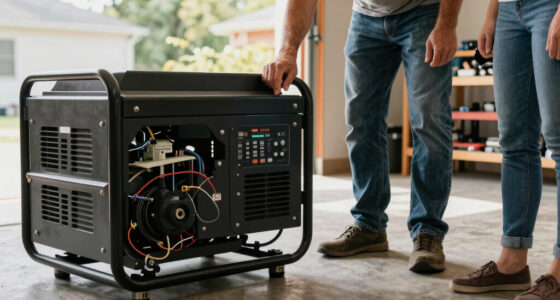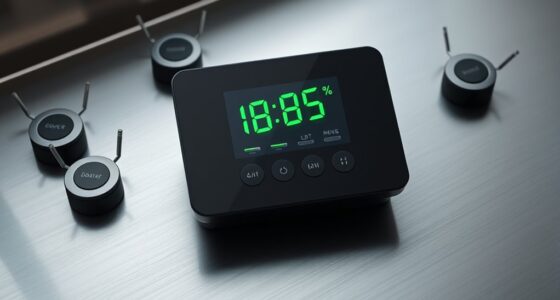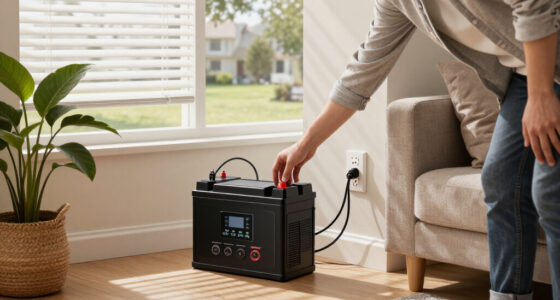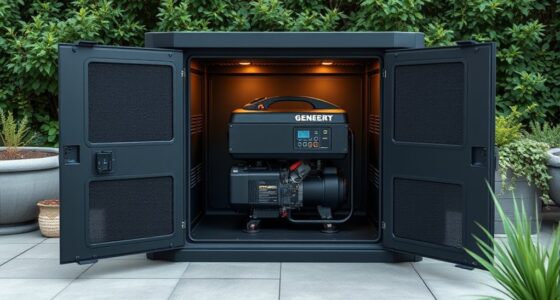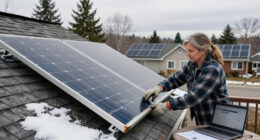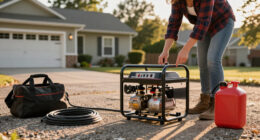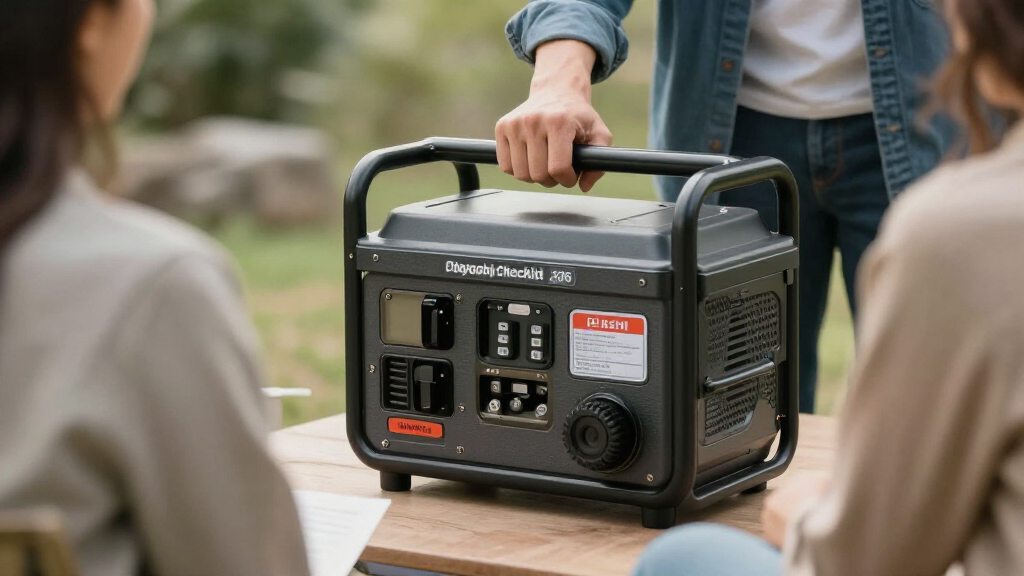
This checklist is for homeowners preparing to connect and use a portable generator as backup power. The picks cover the connection path, options for switching power to a home panel, outdoor protection, carbon monoxide detection, and an extension cord. Safe operation depends on choosing components that suit your generator and electrical setup.

Get backup power and energy gear delivered free — and shop member deals
- Fast, free delivery on millions of items
- Access to Prime Big Deal Days deals on October 6–7
- Prime Video, Amazon Music and more included
Sections are organized by equipment type, so you can start with the connection and switching method that fits your home, then review protection and monitoring. The listed products have different roles: an inlet box, a manual transfer switch, and an interlock kit are not interchangeable. Check compatibility with your generator, panel, and intended installation.
Use each section to compare the product name with your needs and verify the details in its listing and instructions before buying or installing. Pay close attention to electrical ratings, connector types, cord length, panel fit, and outdoor-use guidance. Have a qualified electrician handle wiring or panel work when needed, and follow the generator manufacturer’s safety instructions. Keep carbon monoxide safety in your operating plan.
Generator Inlet Box
A generator inlet box provides a connection point for a compatible generator cord. This pick is named as a 50 amp kit with a 50-foot cord and NEMA 14-50P plug, so confirm that those details match your generator output, the inlet connection, and the electrical equipment it will serve. Connector compatibility matters at every link in the setup.
A common buying mistake is treating the listed amperage or plug type as proof that the kit fits a particular home installation. Check the full product specifications, including the inlet configuration, cord connectors at both ends, and any installation requirements. Also consider whether the 50-foot length reaches the planned generator location without running the cord through doors or windows. Measure the route before choosing a cord length.
Plan the inlet location with outdoor exposure and the intended wiring route in mind. Verify that the equipment is approved for the location and installation conditions, and have a qualified electrician assess and install the inlet and associated wiring. Do not improvise connections between mismatched plugs or electrical equipment. Follow listed instructions for installation and use.
What to look for:
- Confirm NEMA 14-50P and inlet connector compatibility.
- Verify that 50 amp capacity suits the generator and installation.
- Measure the route to check whether 50 feet is sufficient.
- Review outdoor-use ratings and installation instructions.
- Have a qualified electrician confirm wiring and placement.
VEVOR 50 Amp Generator Cord and Power Inlet Box Kit, 50FT, NEMA 14-50P/SS2-50R,
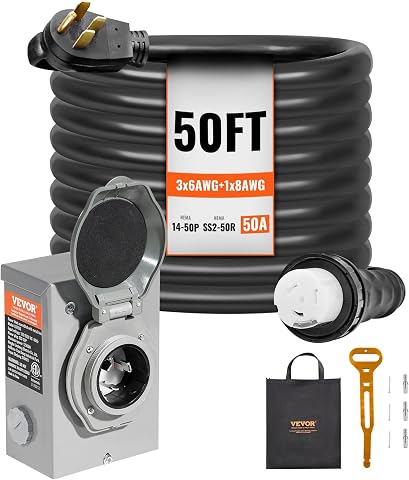
This heavy-duty 50-foot generator cord and power inlet box kit is designed for reliable outdoor power connections, supporting up to 50 amps. Made with durable, weather-resistant materials and featuring a twist-lock mechanism, it ensures a secure and safe connection for emergency or backup power needs.
Pros:
- Heavy-duty, weather-resistant construction suitable for outdoor use
- Secure twist-lock connection for safety and stability
- Includes carrying strap and storage bag for portability
Cons:
- Requires proper installation and handling due to high amperage
- May be bulky for smaller power needs
- Limited to 50A applications
Best for: Homeowners whose generator and installation match the listed connectors and rating.
Not ideal for: Setups that need a different connector, rating, or cord length.
Bottom line: Verify every connector and installation detail before treating this kit as a fit.
Manual Transfer Switch
A manual transfer switch is a dedicated way to select between utility power and generator power for supported circuits. The Connecticut Electric Series 2 Backup Power Manual Transfer Switch Kit is the named pick for this slot. Before buying, check the kit’s specifications against the generator and the circuits you want to power. Match the switch to your setup rather than relying on the product name alone.
A common mistake is assuming a transfer switch will power every circuit in a home or fit any electrical panel. Review the supported circuit count, electrical ratings, installation requirements, and compatibility information in the listing and instructions. Make a list of priority loads and ask an electrician to confirm that the switch configuration suits them. Plan which circuits matter before choosing.
Panel work and generator connections require careful installation. Confirm where the switch will be installed, how it connects to the generator inlet, and whether the manufacturer’s directions address your panel and intended use. If any specification is unclear, seek guidance from a qualified electrician before purchase or installation. Use qualified help for wiring decisions and panel work.
What to look for:
- Check switch ratings against the generator and intended circuits.
- Confirm panel compatibility and installation requirements.
- Review how many circuits the kit supports.
- Plan priority loads before selecting a configuration.
- Ask a qualified electrician to assess the installation.
Connecticut Electric Series 2 Backup Power Manual Transfer Switch Kit, 50 Amp, 1

This 50 Amp manual transfer switch kit provides a safe and reliable solution for connecting portable generators to essential household circuits during power outages. It features a 10-circuit panel, weather-resistant inlet box, and a 25-foot connecting cord, ensuring versatile and secure installation indoors or outdoors.
Pros:
- Provides safe and reliable power transfer during outages
- Includes a weather-resistant inlet box and long connecting cord
- Supports high-demand appliances and critical systems
Cons:
- Requires professional installation
- Limited to 50 Amp capacity, not suitable for larger systems
Best for: Homeowners seeking a manual switch for compatible selected circuits.
Not ideal for: Those expecting a universal fit or coverage of every home circuit.
Bottom line: Confirm circuit coverage and panel compatibility with the product documentation and an electrician.
Generator Interlock Kit
An interlock kit is intended for a compatible load center and generator connection arrangement. This pick is named for a Square D load center and includes a 50 amp generator hookup kit with a 25-foot power cord, though the product name is truncated. Panel compatibility is essential: do not assume that every Square D panel accepts the same interlock.
A frequent buying mistake is choosing by brand or amperage without checking the exact load center model and breaker arrangement. Locate the panel’s model information, then compare it with the manufacturer’s compatibility list and installation instructions. Confirm the inlet, breaker, and cord connections as well as whether 25 feet reaches the planned generator position. Check the exact panel model before ordering.
Interlock and panel work involves electrical hazards and must follow product instructions and applicable requirements. Have a qualified electrician confirm the panel fit, installation method, and generator connection. An interlock kit does not replace careful load planning: identify the circuits you intend to run and verify that the generator can support them. Get the setup reviewed before use.
What to look for:
- Match the exact load center model to the compatibility list.
- Verify breaker and interlock configuration requirements.
- Confirm the 50 amp connection suits the generator and installation.
- Measure the generator route against the 25-foot cord length.
- Have a qualified electrician review panel work and planned loads.
50 Amp Generator Hook-up Kit for Square D Load Center, 25 Ft Power Cord, Power I

This generator hook-up kit includes a 25-foot heavy-duty power cord, inlet box, interlock kit, and a 50 Amp circuit breaker, enabling safe and reliable connection between a portable generator and a Square D load center. Designed for 150/200/225 Amp panels, it facilitates whole-house power during outages, with installation recommended for licensed electricians.
Pros:
- Enables safe whole-house generator connection
- Includes essential components for installation
- Heavy-duty 25-foot power cord for flexibility
Cons:
- Installation must be performed by a licensed electrician
- Variable cord length from inlet to load center not included
- Designed specifically for Square D panels, limiting compatibility
Best for: Owners whose exact Square D load center is listed as compatible.
Not ideal for: Anyone unable to verify the panel model or kit configuration.
Bottom line: Confirm the exact panel fit and installation details before buying or connecting this kit.
Outdoor Generator Cover
An outdoor cover can help shield a generator from exposure while it is in use, but the product name alone does not establish how or where it can safely be used. This pick is described as a waterproof heavy-duty cover with a bracket for most generators. Fit and operating clearance both matter when assessing a cover.
A common mistake is treating “most” as a guarantee that the cover fits a particular generator. Compare the generator’s dimensions and shape with the product’s listed fit range, and check how the bracket attaches. Read the instructions for operation, ventilation, exhaust clearance, wind conditions, and weather limitations. Check the manufacturer’s guidance before running a generator under any cover.
Do not let a cover obstruct exhaust, cooling airflow, controls, or access needed for safe operation. Confirm that its materials and attachment method are suitable for the intended outdoor conditions, and inspect the cover and bracket for secure fit before use. Follow the generator’s instructions on placement and weather exposure. Keep exhaust unobstructed and operate the generator outdoors away from openings.
What to look for:
- Compare generator dimensions with the listed fit range.
- Confirm bracket attachment suits the generator design.
- Review ventilation, exhaust, and operating clearance instructions.
- Check weather-use limitations and outdoor suitability.
- Ensure controls and access remain clear during operation.
Generator Tent with Bracket, Waterproof Heavy Duty Cover for Most Generators, 28
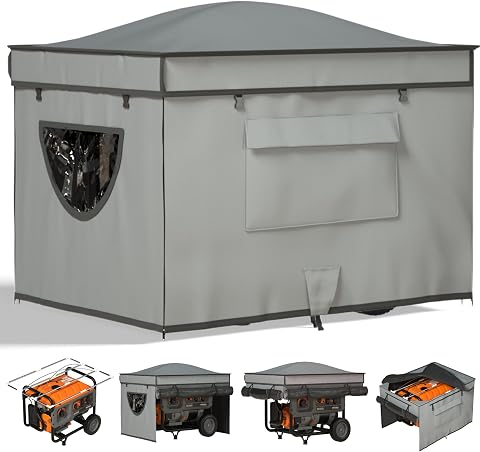
This heavy-duty generator cover features a pointed top design to prevent water accumulation and includes a stainless steel support bracket for stability. Made from durable, waterproof marine-grade fabric, it offers protection against snow, dust, and rain, making it suitable for outdoor generator use in harsh weather conditions.
Pros:
- Durable, waterproof, and tear-resistant fabric
- Unique pointed top design prevents water accumulation
- Heavy-duty stainless steel support bracket for stability
- Suitable for various generator models
Cons:
- May not fit generators outside specified size range
- Assembly of support bracket may require effort
- Heavy fabric might be cumbersome to handle
Best for: Owners whose generator dimensions and use conditions match the instructions.
Not ideal for: Those unable to confirm fit, airflow, or safe exhaust clearance.
Bottom line: Use the cover only when its fit and operating instructions suit the generator.
Carbon Monoxide Detector
Carbon monoxide detection belongs in a generator safety checklist because generator exhaust can create a serious hazard. This pick is a Kidde smoke and carbon monoxide detector described as AA battery-powered and sold in a three-pack. Confirm the exact model features and installation directions rather than assuming details from the product name. Detection supports safer planning, but it does not make indoor generator use safe.
A common mistake is placing a detector only where it is convenient or assuming one unit covers every area. Follow the detector manufacturer’s guidance on placement, testing, battery replacement, and alarm response. Consider the locations in your home where detection is recommended, and check local guidance as applicable. Follow the placement instructions for the specific detector model.
Never operate a portable generator inside a home, garage, or enclosed space. Keep it outdoors and away from doors, windows, and vents according to the generator manufacturer’s directions. Make sure household members know what the alarm means and how to respond. Use detectors as a backup layer, alongside safe generator placement and regular detector checks.
What to look for:
- Verify the detector model and its documented features.
- Follow placement, testing, and battery instructions.
- Plan detector locations using manufacturer and local guidance.
- Review alarm response steps with household members.
- Keep the generator outdoors and away from openings.
Kidde Smoke & Carbon Monoxide Detector, AA Battery-Powered, 3 Pack

This 2-in-1 Kidde detector monitors both smoke and carbon monoxide, offering faster detection and reliable safety features. Powered by two AA batteries, it features an 85-decibel alarm, visual LED warnings, and reduced false alarms for home safety.
Pros:
- Detects both smoke and carbon monoxide for comprehensive safety
- Faster smoke detection compared to previous models
- Easy installation with battery power, no wiring needed
- Reduces false alarms caused by cooking or steam
Cons:
- Battery replacement required for continuous operation
- Limited to battery-powered operation, no hardwired option
- Alarm volume may be too loud for some users
Best for: Households seeking smoke and carbon monoxide detection in multiple locations.
Not ideal for: Anyone treating a detector as permission to run a generator indoors.
Bottom line: Use the detector as one safety layer and follow both detector and generator instructions.
Generator Extension Cord
An extension cord connects a generator to compatible equipment or a suitable connection point. The Nilight pick is named as a 50 amp, 50-foot generator extension cord with UL-listed pure copper wire, but its product name is truncated. Confirm the complete specifications and connector details before deciding whether it fits your setup.
A common mistake is selecting a cord by length or amperage alone. Verify the plug and receptacle types at both ends, the cord’s ratings, and the equipment it will serve. Measure the route from the planned generator location to the connection point, allowing for a safe path that avoids doors, windows, standing water, and damage risks. Choose a route and length that work together.
Check the manufacturer’s instructions for outdoor use, handling, and load limits. Do not connect cords with mismatched connectors or use damaged equipment, and keep connections protected as directed. If the cord is intended to connect to an inlet or transfer setup, verify compatibility across the full chain, including generator, cord, inlet, and switching equipment. Check each connection before operation.
What to look for:
- Confirm plug and receptacle types at both ends.
- Verify 50 amp rating and intended equipment compatibility.
- Measure the route against the 50-foot cord length.
- Check outdoor-use and load instructions.
- Inspect for damage and match the cord to the full connection chain.
Nilight 50 Amp 50FT Generator Extension Cord UL Listed Pure Copper Wire

This 50-foot generator extension cord is designed for emergency backup and outdoor use, compatible with RVs, appliances, and camping equipment. Made with pure copper wiring and weather-resistant materials, it ensures safe, reliable power delivery in various outdoor conditions.
Pros:
- High-quality pure copper wiring for excellent conductivity
- Weather-resistant and durable for outdoor use
- Flexible and easy to coil despite heavy-duty construction
- Certified for safety in the U.S. and Canada
Cons:
- Heavy and bulky due to heavy-duty construction
- Potential voltage drop over long distances
Best for: Setups needing a 50-foot cord with compatible 50 amp connections.
Not ideal for: Systems with different connectors, ratings, or route requirements.
Bottom line: Match the cord’s connectors, rating, and use instructions to every part of the setup.
Build the checklist in a practical order: first confirm the generator, panel, and connection method; then verify the inlet, switch or interlock, and cord compatibility. Next plan the generator location and any cover, and include carbon monoxide detection and alarm response in the household plan. Compatibility and safe placement should guide the sequence.
You can make progress one verified component at a time. Keep the product instructions together, record the panel and generator models, and ask a qualified electrician to review installation details that involve wiring or a load center. A prepared setup is easier to operate thoughtfully when backup power is needed.
Evergreen bestsellers Picks
bestsellers
As an affiliate, we earn on qualifying purchases.