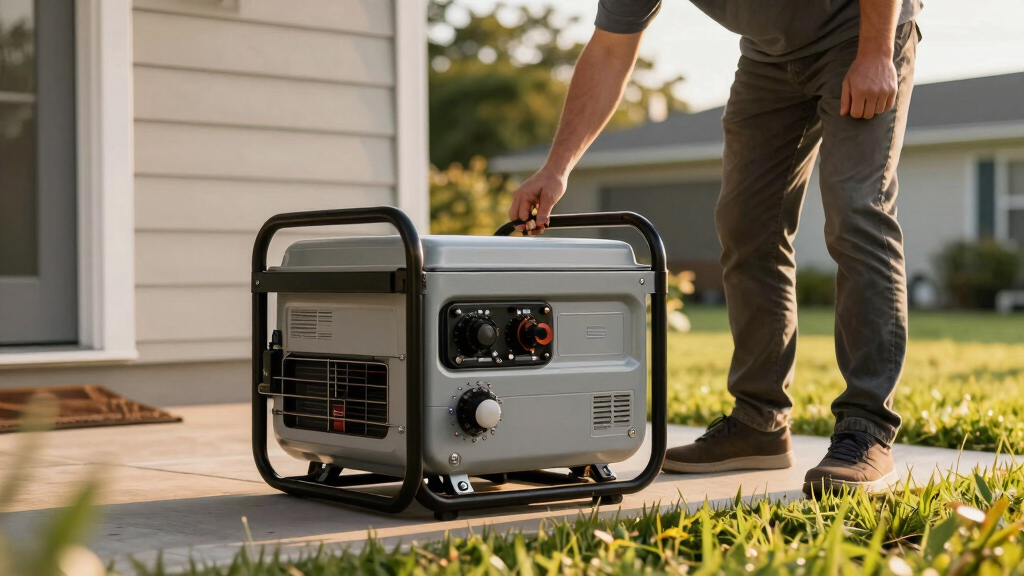

Choosing an automatic home standby generator means investing in uninterrupted power during outages. The best models automatically detect outages and switch on without manual intervention, providing peace of mind. The Champion 12.5-kW stands out as the overall top pick for its balance of reliability and affordability. Meanwhile, Generac’s 26kW model offers powerful whole-house backup with cellular connectivity, ideal for larger homes. The main tradeoffs involve size, cost, and advanced features—more powerful units tend to cost more and require more space. Keep reading for a detailed breakdown to find the best fit for your home’s needs.

Get backup power and energy gear delivered free with Prime
- Fast, free delivery on millions of items
- Prime Video, Amazon Music and more included
- Member-only deals all year
Key Takeaways
- Top models balance power output with ease of installation and maintenance.
- Connectivity features like WiFi and cellular enable remote monitoring but add to cost.
- Larger homes typically need higher kW ratings, but smaller models can suffice for basic backup.
- Build quality and manufacturer reputation strongly influence long-term reliability.
- Cost varies widely; investing in a slightly higher capacity often pays off in reliability and coverage.
| Champion 12.5-kW Home Standby Generator with 100-Amp Automatic Transfer Switch |  | Best Overall for Power and Reliability | Power Output: 12,500 watts (propane), 11,000 watts (natural gas) | Transfer Switch Circuits: 12 | Noise Level: 63 dBA | VIEW LATEST PRICE | See Our Full Breakdown |
| Honeywell 14kW Home Standby Generator |  | Best for Quiet, Maintenance-Friendly Operation | Wattage: 14,000 watts | Fuel Type: Natural Gas, Propane | Power Source: Fuel Powered | VIEW LATEST PRICE | See Our Full Breakdown |
| Honeywell 18kW Home Standby Generator |  | Best for Clean Power and Advanced Technology | Power Output: 18kW | Engine: Generac G-Force | Enclosure Material: All-Aluminum with RhinoCoat | VIEW LATEST PRICE | See Our Full Breakdown |
| 10kW Standby Generator |  | Best for Compact, Reliable Backup | Wattage: 10 kW | Fuel Type: Natural Gas, Propane | Engine: KOHLER Series 7000 V-twin | VIEW LATEST PRICE | See Our Full Breakdown |
| Generac Guardian 10kW Home Standby Generator with 100 Amp Transfer Switch, WiFi Enabled |  | Best for Remote Monitoring and Whole-House Coverage | Power Output: 10,000 watts | Transfer Switch: 100 Amp, 16-circuit | Fuel Type: Natural Gas, Propane | VIEW LATEST PRICE | See Our Full Breakdown |
| Generac 26kW Home Standby Generator with Cellular Connectivity |  | Best Overall for High-Capacity, Smart Home Integration | Power Output: 26kW | Connectivity: Built-in cellular connectivity | Warranty: 5 years | VIEW LATEST PRICE | See Our Full Breakdown |
| 14kW Standby Generator with 200amp Transfer Switch |  | Best for Medium Homes and Demanding Applications | Power Output: 14kW | Transfer Switch: 200amp outdoor-rated | Fuel Compatibility: Natural gas or liquid propane | VIEW LATEST PRICE | See Our Full Breakdown |
| Generac 10kW Home Standby Generator with 16-Circuit Transfer Switch, Cellular Connectivity, Whole House Power Backup |  | Best for Compact, Whole-House Power with Remote Monitoring | Power Output: 10kW | Transfer Switch: 16 circuits | Connectivity: Cellular | VIEW LATEST PRICE | See Our Full Breakdown |
More Details on Our Top Picks
Champion 12.5-kW Home Standby Generator with 100-Amp Automatic Transfer Switch
This Champion model stands out for its high wattage output, delivering 12,500 watts on propane, making it suitable for larger homes or demanding appliances. Its quiet operation at 63 dBA is a major advantage in residential settings where noise matters. The inclusion of a 24-volt starting system that handles extreme temperatures ensures dependable startup even in severe cold or heat. Compared with the Honeywell 14kW, this generator offers more power, though it comes with a higher initial cost and requires professional installation. Its fuel source limitation to propane or natural gas might restrict flexibility, but it’s a solid choice for those prioritizing capacity and reliability.
Pros:- High wattage output suitable for large homes
- Quiet operation minimizes neighborhood disturbance
- Reliable cold-weather starting capability
Cons:- Requires professional installation due to complexity
- Higher upfront cost compared to smaller or simpler models
- Limited to propane or natural gas, reducing fuel flexibility
Best for: Homeowners needing high power output and a durable system for severe weather conditions.
Not ideal for: Buyers seeking a budget-friendly, smaller generator or flexible fuel options, as this model is more costly and fuel-limited.
- Power Output:12,500 watts (propane), 11,000 watts (natural gas)
- Transfer Switch Circuits:12
- Noise Level:63 dBA
- Temperature Range:-22°F to 104°F
- Warranty:10 years
- Fuel Type:Propane, Natural Gas
Bottom line: This generator is ideal for homeowners requiring substantial power and weather resilience, despite higher costs and installation needs.
Honeywell 14kW Home Standby Generator
This Honeywell 14kW generator offers a balance of power and ease of maintenance, making it a strong choice for those who want reliable backup without excessive complexity. Its all-aluminum enclosure enhances durability against weather, while the quiet operation with a self-test mode reduces noise and fuel consumption—an improvement over larger, noisier units like the Champion 12.5kW. The LCD controls simplify monitoring, but the need for connection to a natural gas or propane supply can limit installation flexibility. Compared to the Honeywell 18kW, this model provides less power but is more accessible for typical residential needs and easier for most consumers to manage.
Pros:- Quiet operation with self-test mode
- Weather-resistant all-aluminum enclosure
- User-friendly LCD monitoring system
Cons:- Requires connection to existing fuel supply, limiting placement options
- Initial cost can be high for smaller homes’ budgets
- Heavy unit, necessitating professional installation
Best for: Homeowners seeking a reliable, quiet generator with low maintenance and straightforward controls.
Not ideal for: Large households or homes with high power demands, as its capacity may be insufficient compared to 18kW models.
- Wattage:14,000 watts
- Fuel Type:Natural Gas, Propane
- Power Source:Fuel Powered
- Total Power Outlets:16
- Engine Power Maximum:14 Kilowatts
- Starting Wattage:14 Kilowatts
Bottom line: This generator suits homeowners prioritizing quiet, low-maintenance backup power with moderate capacity.
Honeywell 18kW Home Standby Generator
Compared with the smaller Honeywell 14kW, this 18kW model offers more power, ideal for larger homes or high-demand appliances. Its G-Force engine and Power Technology deliver cleaner, more stable electricity, which benefits sensitive electronics. The generator operates at lower RPM during self-tests, resulting in quieter, more efficient performance. Its all-aluminum RhinoCoat enclosure ensures corrosion resistance, making it suitable for various weather conditions. However, the higher cost may deter budget-conscious buyers, and professional installation remains a necessity. It’s a compelling choice for those who need extra capacity and cleaner power, even if it means a steeper investment.
Pros:- Provides cleaner, reliable power with low harmonic distortion
- Quiet operation with self-test modes
- Durable, corrosion-resistant enclosure
Cons:- Higher cost compared to smaller or less advanced models
- Requires professional installation
- Limited runtime capacity information
Best for: Homeowners with larger homes or sensitive electronics that require cleaner, more reliable power.
Not ideal for: Budget-conscious buyers or those with limited space, as this generator commands a higher price and is physically larger.
- Power Output:18kW
- Engine:Generac G-Force
- Enclosure Material:All-Aluminum with RhinoCoat
- Noise Level:Lower RPM during self-test
- Control System:Multilingual LCD
Bottom line: This generator is best suited for larger homes or electronics requiring high-quality power, with a tradeoff in higher price and installation complexity.
10kW Standby Generator
The KOHLER 10kW generator offers dependable power for smaller homes or critical circuits, restoring power within 10 seconds—faster than some larger units like the Honeywell 14kW. Its ability to run on natural gas or liquid propane provides flexible fuel options, and remote monitoring via OnCue Plus adds convenience. The steel enclosure enhances durability, but at a higher price point, it may be less appealing to budget-minded buyers. Installation requires professionals, and its 10kW capacity might not meet the needs of larger households or high-energy appliances. Still, for those with modest power demands, this generator provides a compact, reliable solution.
Pros:- Restores power within 10 seconds
- Flexible fuel options with easy switching
- Remote monitoring for real-time updates
Cons:- Higher price compared to portable or smaller units
- Installation requires professional setup
- Limited to standby use, not portable
Best for: Owners of small to mid-sized homes needing quick, automatic power restoration.
Not ideal for: Large households or homes with high power demands, where 10kW may be insufficient for all essential circuits.
- Wattage:10 kW
- Fuel Type:Natural Gas, Propane
- Engine:KOHLER Series 7000 V-twin
- Power Restoration Time:10 seconds
- Remote Monitoring:OnCue Plus
- Warranty:5 years / 2000 hours
Bottom line: This generator is an excellent choice for small to medium homes seeking fast, automatic power recovery with flexible fuel options.
Generac Guardian 10kW Home Standby Generator with 100 Amp Transfer Switch, WiFi Enabled
This Generac 10kW model combines reliable power with modern smart features, notably Wi-Fi connectivity for remote monitoring. Its 16-circuit transfer switch supports whole-house backup, making it suitable for homeowners who want comprehensive coverage with user-friendly controls. Compared to the KOHLER 10kW, it offers more advanced remote management but comes with a higher upfront cost. Installation by a certified electrician is essential, and fuel supply dependency remains a consideration. This generator strikes a balance between ease of use, connectivity, and reliable power, making it well-suited for tech-savvy homeowners who prioritize convenience.
Pros:- Wi-Fi enabled for remote monitoring and control
- Supports whole-house backup with 16 circuits
- Reliable power with low harmonic distortion
Cons:- Requires certified electrician for installation
- Higher initial investment
- Dependent on steady fuel supply
Best for: Owners seeking whole-house backup with remote management and real-time updates.
Not ideal for: Budget-conscious buyers or those with limited space, as the Wi-Fi feature and full coverage increase cost and installation complexity.
- Power Output:10,000 watts
- Transfer Switch:100 Amp, 16-circuit
- Fuel Type:Natural Gas, Propane
- Remote Monitoring:Wi-Fi Enabled
- Warranty:5 Years
- Engine:G-Force Engine
Bottom line: This generator is ideal for homeowners wanting comprehensive, remotely manageable backup power with modern connectivity features.
Generac 26kW Home Standby Generator with Cellular Connectivity
This Generac 26kW model stands out for its combination of robust power output and advanced remote monitoring capabilities, making it ideal for larger homes or those seeking seamless control. Compared with the smaller 10kW unit, it offers significantly more power, capable of supporting extensive home systems during outages. The built-in cellular connectivity, paired with the Mobile Link app, allows real-time updates and remote operation, a feature that surpasses WiFi-based options like the Generac Guardian 10kW. However, this convenience comes with a higher initial investment and the need for a premium subscription for full features. Its enhanced cold start performance makes it reliable in colder climates, adding to its versatility. The tradeoff involves paying more upfront and ongoing costs for monitoring, but for those prioritizing capacity and smart home integration, this model offers unmatched value.
Pros:- High power output suitable for large homes
- Remote monitoring and control via mobile app
- Reliable in cold climates with enhanced cold start performance
- Efficient fuel management reduces emissions
Cons:- Requires a Mobile Link premium subscription for full remote features
- Higher upfront cost compared to smaller models
- Installation may be more complex due to size and features
Best for: Large households or smart home owners who want reliable backup power with remote control and monitoring.
Not ideal for: Budget-conscious buyers or those with smaller homes who won’t utilize the full capacity or cellular features.
- Power Output:26kW
- Connectivity:Built-in cellular connectivity
- Warranty:5 years
- Monitoring:Mobile Link app with real-time updates
- Cold Start Performance:Enhanced for cold climates
- Fuel Optimization:Electronic fuel & ignition control
Bottom line: Best suited for homeowners seeking large-scale, connected backup power with remote management capabilities.
14kW Standby Generator with 200amp Transfer Switch
This Kohler 14kW generator offers a solid balance of power and durability, making it a practical choice for homeowners needing reliable backup for essential systems. Its 14kW output is adequate for most medium-sized homes, especially with the 200amp transfer switch, which supports a broad range of circuits. The inclusion of PowerBoost technology enhances its ability to handle larger loads temporarily, outperforming smaller units like the 10kW in demanding scenarios. Unlike the Generac models, it does not feature cellular connectivity, making it less suited for remote monitoring but more straightforward for traditional setups. While installation often requires professional help and it comes at a higher initial cost, the durable KOHLER engine and robust transfer switch provide peace of mind for demanding environments. This model strikes a balance between power, durability, and complexity, ideal for those needing a dependable, non-smart backup solution.
Pros:- Automatic power restoration within 10 seconds
- Supports large loads with PowerBoost technology
- Durable KOHLER engine for tough applications
- Includes a reliable outdoor-rated 200amp transfer switch
Cons:- Installation may require professional help
- Higher initial cost compared to smaller or less robust units
- Limited to natural gas or propane, no dual-fuel flexibility
Best for: Homeowners with medium-sized properties or small businesses requiring reliable backup with high load capacity.
Not ideal for: Those seeking smart features or budget-conscious consumers who prefer simpler, lower-cost options.
- Power Output:14kW
- Transfer Switch:200amp outdoor-rated
- Fuel Compatibility:Natural gas or liquid propane
- Engine:KOHLER Command PRO CH740, 23.6 HP
- Technology:PowerBoost for large loads
- Cold Start Performance:Yes
Bottom line: Ideal for users needing reliable, high-capacity backup with durable construction and no reliance on cellular connectivity.
Generac 10kW Home Standby Generator with 16-Circuit Transfer Switch, Cellular Connectivity, Whole House Power Backup
This Generac 10kW model is tailored for homeowners who want reliable whole-house backup without the bulk or cost of larger units. Its 10kW output supports essential appliances and even whole-house power for smaller homes, especially with the 16-circuit transfer switch. The cellular connectivity provides remote monitoring and control, surpassing WiFi-based options like the Guardian 10kW, which makes it a more integrated smart solution. Its lower power capacity compared to the 26kW model means it’s better suited for smaller households or those with modest power needs, but it still offers excellent cold start support and cost-efficient operation. The need for a cellular subscription, however, adds ongoing expenses, and the initial setup can be complex for users unfamiliar with such systems. Overall, it provides a balanced mix of power, smart features, and reliability for smaller or medium-sized homes.
Pros:- Automatic whole-house backup power
- Remote monitoring via cellular connectivity
- Cost-efficient operation with low maintenance
- Reliable in cold climates with cold start support
Cons:- Requires a cellular subscription for remote features
- Initial setup might be complex for some users
- Limited power capacity compared to larger models
Best for: Small to medium households seeking whole-house backup with remote monitoring and cellular connectivity.
Not ideal for: Large households or those with high power demands, where 10kW may fall short during outages.
- Power Output:10kW
- Transfer Switch:16 circuits
- Connectivity:Cellular
- Warranty:5 years
- Fuel Type:LP or natural gas
- Monitoring:Mobile Link app
Bottom line: Best suited for smaller homes or those prioritizing remote control and whole-house backup in a compact design.
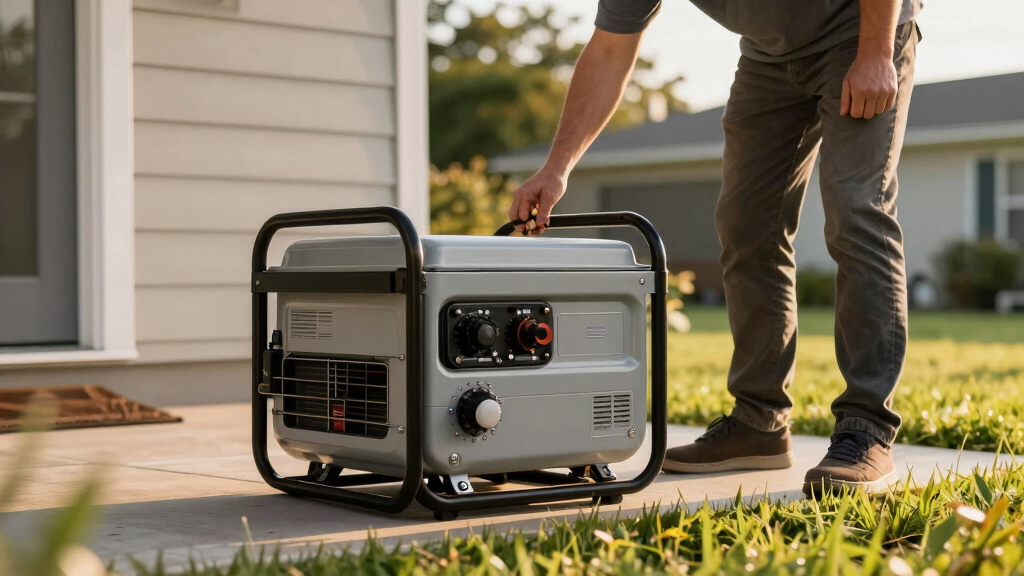
How We Picked
Our evaluation focused on a combination of performance, ease of use, build quality, and value. We prioritized models with sufficient power for typical household needs, reliable automatic transfer switches, and features like connectivity options for remote monitoring. Maintenance requirements and manufacturer reputation also played key roles, ensuring each pick offers dependable long-term operation. The ranking reflects a mix of affordability, feature set, and suitability for different home sizes and budgets, helping readers find options that deliver real value without unnecessary extras.Factors to Consider When Choosing Automatic Home Standby Generators
When selecting an automatic home standby generator, understanding key factors can prevent costly mistakes and ensure you choose a system that truly meets your needs. Size, fuel type, features, and installation considerations all influence satisfaction and performance. Here are the main factors to keep in mind:Power Output and Home Size
The generator’s wattage rating determines how much of your home it can support during an outage. Larger homes with multiple appliances or HVAC systems require higher kW models, often 20kW or more. Smaller homes or those with minimal backup needs might do well with 10kW-14kW units. Oversizing can lead to unnecessary costs and space requirements, while undersizing risks inadequate backup power during outages.
Fuel Type and Availability
Most standby generators run on natural gas or propane, which are typically supplied through your existing fuel lines. Natural gas offers continuous supply but may be limited by local infrastructure. Propane tanks provide flexibility but require refilling. Consider your fuel availability and local utility connections to avoid running out of fuel when you need backup power most.
Connectivity and Monitoring Features
Many modern generators include WiFi or cellular connectivity, allowing remote status checks and maintenance alerts. This feature can save time and prevent unexpected failures, especially for larger or more complex systems. However, these features add to the cost and might require ongoing subscription services, so evaluate whether remote monitoring aligns with your comfort and budget levels.
Installation and Maintenance
Proper installation by qualified professionals is vital to ensure safety and optimal operation. Consider the size and location restrictions of your property, as larger units need more space and proper venting. Regular maintenance, including oil changes and system checks, extends the lifespan and reliability of your generator. Budgeting for professional installation and annual servicing is an important part of the total cost.
Cost and Value
Prices for standby generators vary widely based on size, features, and brand reputation. While investing more usually means better durability, advanced features, and higher capacity, it’s important to match your choice to your actual needs. Sometimes, a mid-range model offers the best balance of affordability and performance, especially if you don’t need full-home coverage or the latest connectivity options.
Frequently Asked Questions
How do I determine the right size generator for my home?
To select the appropriate size, start by listing critical appliances and systems you’d want to keep running during an outage, such as your HVAC, refrigerator, and lighting. Then, calculate their total wattage and add a buffer for startup surges. Consulting a professional can help refine this estimate and ensure the generator can handle your home’s specific load requirements without being oversized, which could add unnecessary cost and space requirements.
Can I install a standby generator myself?
Installing a standby generator involves complex electrical and plumbing work, requiring permits and adherence to safety codes. It’s strongly recommended to hire licensed professionals for installation to ensure it’s done correctly, safely, and in compliance with local regulations. Incorrect installation can lead to safety hazards, system failures, or voided warranties, so professional expertise is worth the investment.
What maintenance is needed to keep my generator reliable?
Routine maintenance includes annual oil changes, inspecting and replacing filters, and testing the system periodically. It’s also important to run the generator under load at least once a month if possible. Regular professional inspections can catch potential issues early, extend the system’s lifespan, and ensure readiness during an outage. Proper maintenance is key to avoiding unexpected failures when you need backup power most.
Are generators noisy, and how can I reduce noise levels?
Most standby generators produce noise levels between 60-75 decibels, comparable to a loud conversation or a lawnmower. Location and installation choices, such as placing the unit further from living areas or using soundproof enclosures, can help reduce noise disturbance. Some models are designed with noise reduction in mind, so consider these if you live in close proximity to neighbors or noise-sensitive areas.
How long can a generator run continuously during an outage?
The runtime depends on fuel supply and load demand. Most generators are rated for continuous operation as long as fuel is available and maintenance is up to date. For extended outages, ensure your fuel supply is sufficient and consider backup fuel storage options. Regular testing and maintenance can prevent overheating or mechanical issues during prolonged use, providing peace of mind when outages last days or longer.
Conclusion
For most homeowners seeking reliable backup power, the Champion 12.5-kW offers a balanced mix of affordability, capacity, and ease of use, making it the best overall choice. Those with larger homes or critical systems should consider the Generac 26kW model for its higher power output and connectivity features. For budget-conscious buyers, a mid-range 10kW or 14kW model provides dependable backup without breaking the bank. Complete beginners or those with minimal backup needs may opt for smaller models with simpler features, while high-end users should look at premium units with cellular monitoring for peace of mind. Tailor your choice to your home’s size, budget, and desired level of automation to ensure reliable power when outages strike.
Halloween Picks
halloween
As an affiliate, we earn on qualifying purchases.