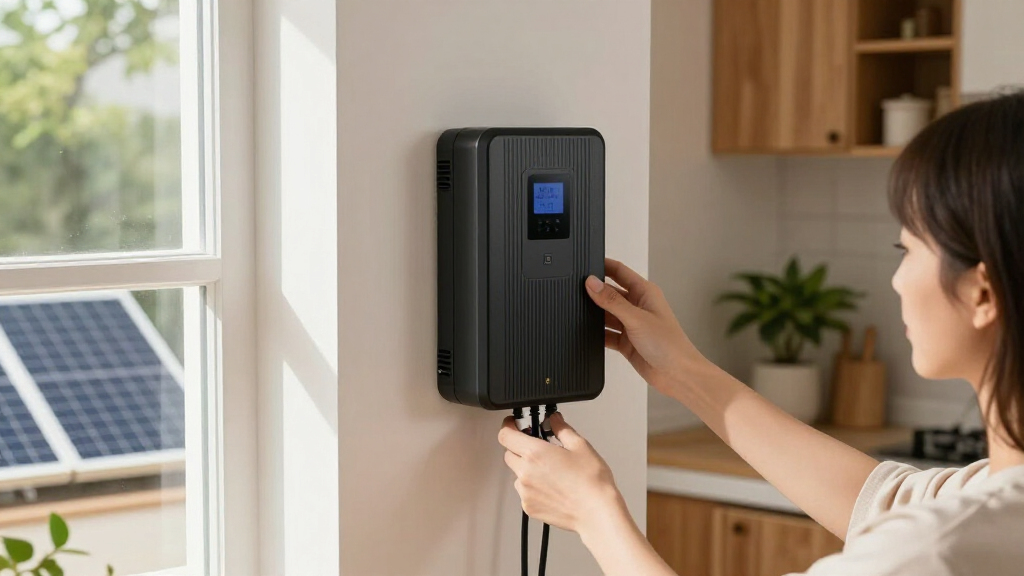
When selecting a solar inverter for home backup, the goal is reliable, efficient power during outages while maximizing your solar investment. The 12000W Hybrid Solar Inverter 48V stands out as the overall best for its robust capacity and flexibility. For those seeking high-capacity storage, the ECO-WORTHY 10240Wh Power Station offers impressive backup runtime, while the SUNGOLDPOWER 10,000W with dual MPPTs provides excellent solar harvesting capabilities. The main tradeoffs in this category involve balancing upfront costs, system complexity, and scalability. Continue reading for a detailed breakdown of each option and what makes them suitable for different needs.
Open a free Amazon Business account
Business pricing, bulk buying and tax-exempt orders.
Create a free accountAs an affiliate, we earn on qualifying purchases.
Key Takeaways
- High-capacity hybrid inverters deliver the most reliable backup power, but often come with higher costs and complexity.
- Battery storage size and type are critical; LiFePO4 batteries tend to last longer and are safer than lead-acid options.
- Multiple MPPT inputs improve solar harvesting efficiency but may increase system complexity and price.
- Ease of installation and user interface features vary significantly, impacting usability for DIY setups.
- Budget choices often limit system scalability or backup duration, making it important to match system size with expected needs.


More Details on Our Top Picks
12000W Hybrid Solar Inverter 48V Split Phase 120V/240V with WiFi & BMS Support
This inverter stands out for its high 12000W power output, making it well-suited to back up entire homes, especially compared to smaller models like the SUMRY 4000W inverter which may fall short during peak demands. Its dual MPPT trackers optimize solar harvesting from multiple panel arrays, providing flexibility in installation. The support for various battery types, including lithium and lead acid, coupled with BMS communication, offers greater system longevity and safety. However, the system’s complexity and size mean it demands technical expertise for setup and significant space for installation. The higher cost reflects its advanced features and expandability, which can be a tradeoff for those seeking a straightforward solution.
Pros:- High 12000W power output suitable for whole-home backup
- Dual MPPT trackers maximize solar energy harvesting
- Supports multiple battery types with BMS communication
- Remote WiFi monitoring for smart energy management
Cons:- Complex setup requiring technical knowledge
- Large physical size demanding significant installation space
- Higher price point driven by advanced features
Best for: Homeowners seeking a scalable, high-capacity backup system capable of powering entire residences with remote management features
Not ideal for: Small household applications or DIY users with limited technical skills due to its complexity and installation requirements
- Power:12000W
- Voltage:48V
- Output Voltage:120V/240V split-phase
- MPPT Trackers:Dual
- Max PV Input Voltage:500V
- Battery Compatibility:Lithium, Lead Acid
- Parallel Units:Up to 6
- Certification:UL
Our verdict“This inverter is ideal for tech-savvy homeowners needing a powerful, expandable backup solution for entire homes.”
ECO-WORTHY 48V Home Backup Power Station with 5120Wh LiFePO4 Battery and 5000W Inverter
This system offers a substantial 5120Wh capacity paired with a 5000W pure sine wave inverter, making it suitable for supporting essential household appliances during outages, especially compared to smaller models like the SUNgoldpower 10,000W inverter which may be less modular. Its Bluetooth and WiFi monitoring simplify system management, while the ability to expand with additional inverters and batteries provides future scalability. The need for separate shipment of components and complex installation may challenge DIY users or small-scale setups. Despite a higher initial cost, this pick balances capacity and expandability for those with medium power needs who want safety certifications and remote oversight.
Pros:- High-capacity 5120Wh LiFePO4 battery with safety certifications
- Powerful 5000W pure sine wave inverter suitable for essential appliances
- Expandable system supporting multiple inverters and batteries
- Bluetooth and WiFi monitoring for easy management
Cons:- Components shipped separately, complicating installation
- Requires technical expertise for setup
- Higher initial investment relative to smaller units
Best for: Families or small businesses seeking a reliable, expandable backup power station with remote monitoring
Not ideal for: Users needing a plug-and-play, minimal-setup solution or those with limited technical expertise
- Battery Capacity:5120Wh
- Battery Type:LiFePO4
- Voltage:48V
- Inverter Power:5000W
- Maximum Parallel Inverters:6
- Safety Certifications:UL1973 & UL1741
Our verdict“This system works best for users needing reliable, scalable backup power with remote system management capabilities.”
ECO-WORTHY 48V Home Backup Power Station with 10240Wh Battery and 10KW Inverter
Compared to the 5120Wh system, this setup doubles capacity with two 51.2V 100Ah LiFePO4 batteries and a robust 10,000W inverter, making it suited to large households or small commercial needs. Its expandability with up to 6 inverters and 32 batteries supports extensive power demands, though the setup is complex and heavy, demanding careful planning and space. The safety certifications and Bluetooth/WiFi monitoring add confidence in long-term reliability. The higher initial cost and installation effort can be a hurdle, but for those requiring significant power capacity and future growth, this model provides an excellent foundation.
Pros:- High capacity of 10240Wh with expandable design
- Powerful 10,000W inverter handles large loads
- Safety certified with advanced thermal management
- Bluetooth and WiFi for smart monitoring
Cons:- Complex and heavy installation process
- Requires significant space and planning
- Higher upfront cost and setup effort
Best for: Large households or small businesses needing high-capacity, expandable backup power solutions
Not ideal for: Small homes or users seeking simple plug-and-play units due to installation complexity and weight
- Battery Capacity:10240Wh
- Battery Voltage:48V
- Inverter Power:10,000W
- Expansion Capability:Up to 6 inverters, 32 batteries
- Certifications:UL1973, UL1741
- Monitoring:Bluetooth, WiFi
Our verdict“This system is best suited for those with substantial backup needs and the capacity to manage complex installations.”
ECO-WORTHY PowerMega 48V 314Ah LiFePO4 Energy Storage System with 10kW Hybrid Inverter, Active BMS, Bluetooth & WiFi, Home Backup & Off-Grid
This high-capacity energy storage combines a 16.1 kWh LiFePO4 battery with a 10kW hybrid inverter, making it ideal for continuous backup or off-grid applications. Its multiple communication options and active BMS provide enhanced safety and system health monitoring, outperforming smaller or less integrated options like the SUNGOLDPOWER 10,000W inverter. The large size and weight mean it’s less suited for DIY setups or limited spaces, but the 10-year warranty and safety features justify the investment for those needing long-term reliability. Its flexible split-phase and single-phase outputs make it adaptable to different household configurations.
Pros:- High capacity of 16.1 kWh for reliable backup
- Robust safety features including active BMS and circuit breaker
- Flexible split-phase and single-phase outputs
- Smart monitoring with WiFi and Bluetooth
Cons:- Large, heavy system requiring professional installation
- Multiple packages may arrive separately
- Higher cost and complexity for typical residential use
Best for: Homeowners or off-grid enthusiasts requiring a durable, high-capacity backup with advanced safety features
Not ideal for: Casual users or those with limited space and technical expertise, due to installation demands
- Battery Capacity:16.1 kWh
- Battery Type:LiFePO4
- Voltage:48V
- Inverter Power:10kW
- Cycle Life:9,000+ cycles at 80% DoD
- Safety Features:Active BMS, circuit breaker
Our verdict“This system is best for those seeking a long-lasting, high-capacity backup with comprehensive safety and monitoring features.”
SUMRY Hybrid Solar Inverter 4000W DC24V to AC120V Pure Sine Wave Power
This inverter offers 4000W rated power with an 8000W peak, making it suitable for smaller or off-grid setups, especially compared to larger, more complex systems like the ECO-WORTHY PowerMega 10kW system. Its pure sine wave output ensures clean power for sensitive devices, and the built-in MPPT charge controller maximizes solar energy harvest. The robust protections and cooling fans support reliable operation, but the manual installation process and potential grid consumption if PV input is low might challenge less experienced users. It fits well in smaller or supplemental backup scenarios where simplicity and reliability are priorities.
Pros:- Pure sine wave output suitable for sensitive devices
- Built-in MPPT controller enhances solar efficiency
- Safety protections and cooling for reliable operation
- Supports off-grid applications without grid dependence
Cons:- Requires careful manual installation and configuration
- Limited to 4000W rated power, not suitable for high loads
- May draw grid power if PV input voltage is below 120V
Best for: DIY enthusiasts or small household setups needing reliable, moderate backup power with solar integration
Not ideal for: Homes requiring whole-house backup or high power demand, due to its 4000W rating and complexity
Our verdict“This inverter is ideal for smaller-scale, off-grid, or supplemental backup needs with a focus on reliability and solar efficiency.”
4200W Solar Hybrid Inverter 24VDC to 110VAC Pure Sine Wave with MPPT Solar Charger and WiFi Module
This inverter stands out for its high continuous and surge power, making it ideal for homes with demanding appliances. Compared with the ECO-WORTHY 48V Home Backup Power Station, it offers more power for demanding loads but sacrifices some ease of setup, especially in dusty or wet environments due to its IP21 rating. The integrated MPPT charger efficiently harnesses up to 6200W PV input, translating to better solar energy conversion under optimal conditions. While its dustproof design supports harsh environments, the limited protection rating and complex installation may challenge less experienced users. This pick makes the most sense for households needing robust power support in tough conditions but willing to handle a more technical setup.Pros:- Supports high continuous and surge power, suitable for heavy appliances
- Efficient MPPT solar charging with high PV capacity
- Remote WiFi monitoring adds convenience
- Dustproof design for harsh environments
Cons:- Requires PV input voltage of at least 130VDC for battery-free operation
- Limited IP21 protection may not withstand very dusty or wet conditions
- Complex setup requiring technical knowledge
Best for: Homeowners with demanding appliances in dusty or outdoor environments who can manage a complex installation.
Not ideal for: Casual users or those with limited technical skills seeking a plug-and-play backup solution.
- Power:4200W continuous, 8400W surge
- Input Voltage:24V DC
- PV Input Power:up to 6200W
- Max PV Input Voltage:500V
- MPPT Voltage Range:60–450V
- Protection Rating:IP21
- Operating Temperature:-10℃ to 50℃
Our verdict“This inverter is ideal for tech-savvy users needing high power output and durability in tough environments.”
ECO-WORTHY Powermega 48V 314Ah LiFePO4 Battery Pack with 10kW Hybrid Inverter for Home Backup and Off-Grid Power
This combo offers a substantial 30kWh backup capacity, making it suitable for extended outages or off-grid living. In comparison to the ECO-WORTHY 48V Home Backup Power Station with 10240Wh, the Powermega provides over three times the energy, ideal for larger households or critical loads. Its 10kW inverter handles significant power demands, and the long cycle life of 9000+ cycles at 80% DoD ensures longevity. The inclusion of wireless monitoring and active balancing BMS adds control and safety, but the system’s size and weight—requiring professional installation—may be a barrier for some. If you need a scalable, durable backup system with long-term reliability, this setup fits well, despite higher upfront costs.Pros:- High-capacity 30kWh energy storage for extended outages
- Long cycle life of over 9000 cycles for durability
- Wireless monitoring via WiFi and Bluetooth for system management
- Expandable system supporting up to 30kW AC output
Cons:- Heavy and large, requiring professional installation
- Multiple components shipped separately, complicating setup
- Higher cost may be prohibitive for average users
Best for: Large households or off-grid users needing long-lasting, scalable energy storage and high power capacity.
Not ideal for: Small homes or casual users seeking a simple, lightweight backup solution.
- Battery Voltage:48V
- Battery Capacity:314Ah per battery
- Total Energy:30kWh+
- Cycle Life:9000+ cycles at 80% DoD
- Inverter Power:10kW
- Protection Features:Active Balancing BMS, circuit breaker
Our verdict“This system is best for users needing a scalable, long-lasting backup with significant energy demands.”
ECO-WORTHY 48V Home Backup Power Station with 10240Wh LiFePO4 Battery and 5000W Inverter
This power station balances capacity and ease of use, offering over 10kWh of backup power with a 5000W inverter. Compared to the ECO-WORTHY Powermega, it provides a more compact, user-friendly solution suitable for smaller households or emergency use. Its safety certifications and wireless monitoring increase peace of mind, while the ability to expand capacity up to 163.84kWh makes it versatile for future upgrades. The main limitation lies in the need for multiple components, which can complicate setup, especially for those unfamiliar with systems integration. This pick suits users who want reliable backup power without the complexity of larger systems but are willing to invest in a scalable solution.Pros:- High-capacity 10240Wh batteries for dependable backup
- Safety certified with UL standards
- Expandable up to 163.84kWh for future growth
- Wireless monitoring via Bluetooth and WiFi
Cons:- Requires multiple components shipped separately
- High capacity system can be costly
- Complex installation may need professional assistance
Best for: Homeowners seeking a reliable, expandable backup system for moderate power needs and easier installation.
Not ideal for: Heavy power users or those requiring extensive off-grid capacity without professional help.
- Battery Capacity:10240Wh
- Battery Type:LiFePO4
- Battery Voltage:48V
- Inverter Power:5000W
- Expandable Capacity:Up to 163.84kWh
Our verdict“This backup station is ideal for users wanting a reliable, expandable power solution with moderate complexity.”
HumsiENK 12000W 48V Hybrid Solar Inverter 120/240V Split Phase, MPPT Solar Charger & UPS
This inverter excels in supporting large power loads, especially with its split phase output suitable for whole-home backup. Unlike smaller inverters such as the SUNGOLDPOWER 10,000W, it offers more raw power and parallel scalability, making it well-suited for larger households or small commercial setups. Its fast UPS switchover ensures sensitive electronics remain protected during outages. However, its large size and complex setup may deter casual users, and the higher initial investment reflects its commercial-grade capabilities. This model makes sense for those needing a scalable, high-capacity backup solution, but it demands space and technical expertise.Pros:- Supports high power loads with 12,000W surge capacity
- Split phase 120/240V output for whole-house backup
- Parallel operation up to 6 units for scalability
- Fast UPS switchover for critical devices
Cons:- Large physical size requires ample space
- Complex setup challenging for beginners
- Higher cost reflects advanced features
Best for: Large households or small businesses requiring high power backup with parallel expansion capabilities.
Not ideal for: Small homes or users with limited space and technical skills seeking a plug-and-play system.
- Power Output:12000W surge, 10000W continuous
- Voltage:120/240V split phase
- Parallel Units:Up to 6
- Dimensions:24.41×17.72×5.20 inches
- Safety Certifications:UL1741, FCC Part 15
Our verdict“This inverter is best suited for users needing high-capacity, scalable backup across large homes or small commercial applications.”
SUN GOLD POWER 10,000W 48V Solar Inverter with Built-in 2 MPPTs, WiFi, and BMS Communication
This inverter combines high power output with flexible solar energy harvesting thanks to dual MPPT controllers. Compared with the HumsiENK 12000W inverter, it provides slightly less peak power but offers advanced features like WiFi and BMS communication, making system management easier. Its support for multiple battery types and charging modes appeals to users seeking versatility. The setup can be complex, especially for those unfamiliar with system integrations, and the higher price reflects its advanced features. This makes it ideal for larger solar systems requiring detailed monitoring and flexible energy management but may overwhelm beginners.Pros:- High power output suitable for large systems
- Dual MPPT controllers maximize solar energy harvesting
- WiFi and BMS communication for detailed monitoring
- Supports various battery types and charging modes
Cons:- Complex setup requiring technical skills
- Higher cost for advanced features
- Requires compatible batteries for full functionality
Best for: Advanced users with large solar arrays who want detailed system monitoring and flexible battery compatibility.
Not ideal for: Beginners or those seeking a simple, straightforward backup inverter with minimal setup.
- Power:10,000W
- Voltage:48V
- MPPTs:2
- Max Battery Charging:200A
- Protection Features:Over-voltage, over-current, over-load
Our verdict“This inverter is best for experienced solar users needing high power, flexible management, and remote system control.”
SUNGOLDPOWER 10,000W DC 48V UL1741 Solar Inverter with Parallel Support and Built-in MPPT Controllers
This inverter stands out for its massive 10,000W power output, making it ideal for sizable home backup setups compared to smaller models like the Ampinvt 5000W. Its dual MPPT controllers and support for parallel operation up to six units offer scalability that accommodates expanding solar arrays. While this provides plenty of flexibility, the complex setup process demands a certain level of technical skill, and its large size and weight can be cumbersome for installation. The multiple charging modes and broad battery compatibility—covering AGM, Lithium, and others—mean it adapts well to diverse energy storage needs. However, the absence of a listed price makes budgeting uncertain. This inverter is best suited for homeowners with substantial solar capacity and technical expertise who need reliable, high-output power, but not for those seeking a simple plug-and-play solution or small-scale systems.
Pros:- High power output suitable for large solar arrays
- Supports parallel operation for scalability
- Multiple charging modes optimize energy use
- Compatible with a wide range of battery types
Cons:- Complex installation requiring technical knowledge
- Large and heavy, making installation cumbersome
- Price information not provided, complicating budget planning
Best for: Homeowners planning large, expandable solar backup systems with technical experience
Not ideal for: Users with limited technical knowledge or small-scale backup needs, due to its complex setup and size
- Power:10,000W
- Voltage:48V DC
- AC Output Voltage:120V/240V (settable)
- Max Battery Charging:200A
- MPPT Controllers:2
- Open Circuit Voltage:500VDC
- Parallel Units Support:up to 6
- Protection Features:Over-voltage, over-current, over-load, battery over-voltage
- Communication:CAN, USB, RS485
Our verdict“This model suits experienced users with large solar setups who need scalable, high-capacity backup power and are prepared for a more involved installation.”
Ampinvt 5000 Watt 48V to 120V Solar Inverter with MPPT Charger and Parallel Support
The Ampinvt 5000W inverter offers a compelling balance of power and versatility, combining inverter, MPPT charge controller, and transfer switch into one unit, making it a strong choice for off-grid or smaller home backup systems. Its efficiency above 92% helps maximize energy transfer, which is critical for reliable backup, especially compared with less efficient models. This inverter supports multiple battery types, including Lithium and Lead Acid, providing flexibility for different energy storage setups. Its multiple operational modes allow for tailored performance, but setup can be tricky, requiring driver installation and familiarity with electrical systems, which might deter less experienced users. Limited info on durability and lifespan adds some uncertainty for long-term reliability. This pick makes the most sense for homeowners with moderate solar arrays seeking a flexible, efficient solution willing to handle some technical setup.
Pros:- High transfer efficiency above 92%
- Supports multiple battery chemistries, including lithium and lead-acid
- Multiple work and charging modes for tailored operation
- Includes communication ports for remote monitoring
Cons:- Requires driver installation, which can be complex
- Limited details on long-term durability
- Setup demands electrical expertise
Best for: Homeowners with moderate-sized solar systems who want an efficient, flexible backup solution and are comfortable with technical setup
Not ideal for: Users seeking a simple plug-and-play backup unit or with limited electrical knowledge, due to setup complexity
- Power:5000W
- Voltage:48V
- Output Voltage:120V
- Max PV Input:5500W
- PV Input Voltage Range:60-500Vdc
- Max PV Charging Current:100A
- Supported Batteries:Lead Acid, Lithium (LiFePO4)
- Transfer Efficiency:above 92%
- Protection Features:Over temperature, Overload, Short circuit, Battery voltage alarms
Our verdict“This inverter is well-suited for mid-sized solar setups where efficiency and flexibility are priorities, and the user is comfortable with a more involved installation process.”
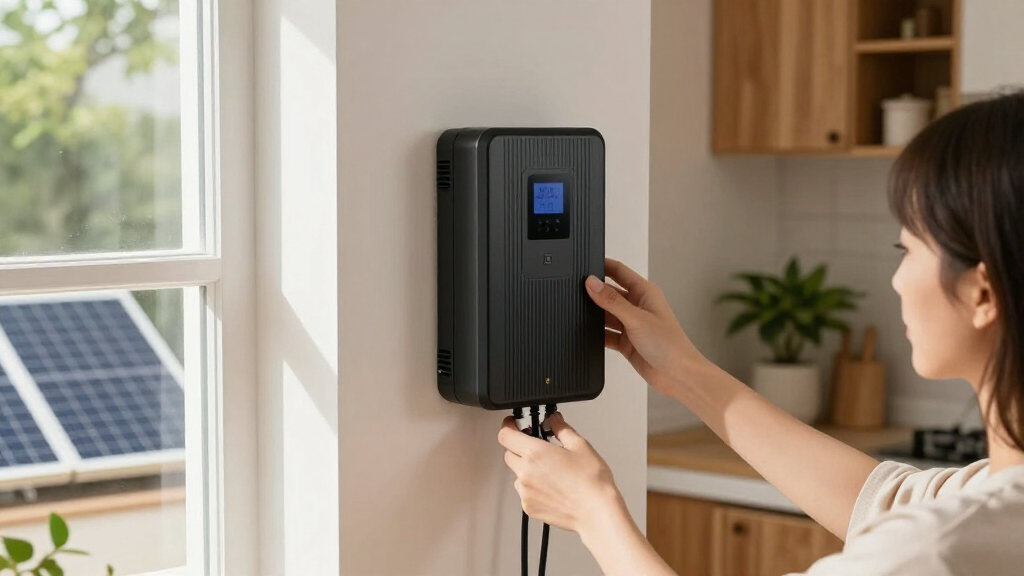
How We Picked
The products in this roundup were evaluated based on performance, build quality, ease of use, scalability, and value. Priority was given to systems offering reliable backup during outages, efficient solar input, and flexible configurations. We also considered user-friendly features like WiFi monitoring and Bluetooth connectivity, which simplify system management. Products were ranked by balancing their capacity, features, and price to identify options suitable for different types of homeowners—from beginners to experienced installers. Our goal was to highlight models that deliver consistent performance without unnecessary complexity or cost.Factors to Consider When Choosing Solar Inverter For Home Backup
Choosing the right solar inverter for home backup involves balancing several factors. Beyond initial price, consider how much power you need during outages, the size of your solar array, and your future expansion plans. Understanding these elements helps prevent overspending on capacity you won’t use or underestimating your backup needs, which could leave you unprotected. The right inverter should seamlessly integrate with your existing solar system, provide reliable power during outages, and be manageable for your skill level. Let’s explore key considerations before making a purchase.Power Capacity and Scalability
Matching inverter capacity with your household’s energy needs is essential. A system rated at 10kW or higher typically supports most home backup scenarios, including running multiple appliances simultaneously. However, oversizing increases upfront costs and complexity. Consider future expansion—if you plan to add more solar panels or batteries later, choose an inverter that supports parallel operation or additional modules. This approach offers flexibility and long-term value, especially as energy demands grow.
Battery Compatibility and Storage
Battery type and capacity directly impact backup duration and safety. LiFePO4 batteries are favored for their longer lifespan, lighter weight, and safer chemistry, making them ideal for home backup. Ensure the inverter supports your chosen battery type and size; incompatible systems can lead to performance issues or reduced lifespan. Also, consider how much backup time you need—larger batteries provide longer runtime but come with higher initial costs, so balance your budget with your outage resilience requirements.
Solar Input and MPPT Features
The number and quality of MPPT (Maximum Power Point Tracking) inputs influence how efficiently your system harvests solar energy. Multiple MPPT channels allow for better optimization if your solar array is split or shaded, improving overall system performance. However, more inputs often increase system complexity and cost. Think about your solar setup—if you have a straightforward fixed array, a single MPPT might suffice; for more complex or future arrays, multiple MPPTs add valuable flexibility.
Ease of Use and Monitoring
User-friendly interfaces, mobile apps, and remote monitoring features simplify system management—especially important for homeowners managing their backup power during outages. Look for interfaces that are intuitive, provide clear status updates, and support remote diagnostics. A system with WiFi or Bluetooth connectivity makes it easier to troubleshoot and optimize performance without professional intervention, saving time and money in the long run. However, these features often come at an added cost, so weigh their benefits against your technical comfort level.
Cost and Value Considerations
Budget constraints are inevitable, but focusing solely on initial cost can lead to underperforming systems or higher maintenance expenses later. Higher-capacity, feature-rich inverters tend to cost more upfront but often deliver better reliability, efficiency, and scalability. Conversely, entry-level models may suit small households or those just testing solar backup solutions. To maximize value, consider the total system cost—including batteries, installation, and future upgrades—rather than just the inverter price alone.
Frequently Asked Questions
Can I use a grid-tied inverter for backup power?
Most grid-tied inverters are designed to operate only when connected to the utility grid and do not support standalone backup during outages. If backup power is a priority, look for hybrid inverters that include battery support and can seamlessly switch to off-grid operation during outages. These models are specifically designed for backup scenarios, providing reliable power without risking grid-tied inverter limitations.
How do I determine the right inverter size for my household?
Calculating your household’s total power consumption during outages is the first step. Add up the wattage of essential appliances and consider how long you want them to run. Typically, an inverter rated at 8-12kW supports most standard homes, but smaller systems may suffice for minimal backup. Remember to include surge capacity for appliances with motors or compressors. Matching your inverter size to your actual needs avoids unnecessary costs and ensures reliable backup power.
Is it worth investing in a system with WiFi and remote monitoring?
Features like WiFi and remote monitoring can significantly simplify system management, allowing you to track performance, receive alerts, and diagnose issues from anywhere. For homeowners unfamiliar with electrical systems or those with complex setups, these features provide peace of mind. However, they often add to the initial cost and may require ongoing subscription fees. If you prioritize ease of use and proactive management, investing in these features is generally worthwhile.
What is the typical lifespan of a home backup solar inverter?
Most high-quality inverters last between 10 and 15 years with proper maintenance. Factors influencing lifespan include build quality, operating conditions, and how well the system is maintained. Regular inspections, keeping the inverter clean, and ensuring proper ventilation help prolong its life. Investing in a reputable brand with good warranty coverage can also provide added peace of mind over the system’s operational years.
Should I prioritize higher capacity over advanced features?
Choosing between capacity and features depends on your specific needs. If your primary goal is reliable backup for critical appliances, prioritize a higher-capacity inverter with sufficient surge rating. If ease of management, solar efficiency, or future expandability matter more, then investing in advanced features like multiple MPPTs or smart monitoring may be better. Ideally, find a balanced system that offers enough capacity while including key features that improve usability and performance.
Conclusion
For homeowners seeking a dependable, all-around solution, the 12000W Hybrid Solar Inverter 48V offers an excellent balance of power, flexibility, and features. Budget-conscious buyers or those testing the waters may prefer simpler, smaller systems like entry-level inverters with basic functionality. For larger households or those planning long-term expansions, investing in systems with multiple MPPTs and larger battery support makes sense. Beginners should focus on user-friendly models with clear monitoring, while experienced installers might prioritize modular, scalable options like parallel-supported inverters. Ultimately, matching your backup needs, solar setup, and budget will lead to the best choice.
As an affiliate, we earn on qualifying purchases.NFL season / tailgating Picks
team gear