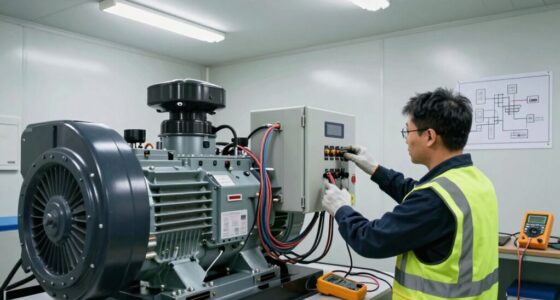

To avoid common mistakes with manual transfer switches, guarantee you select the right size based on your load, and always perform proper calculations. Don’t skip professional installation, and follow local electrical codes strictly. Test the switch regularly to confirm proper operation, and clearly label all circuits for safety. Avoid overloading circuits or power sources, and commit to routine maintenance. Following safety precautions during operation helps prevent hazards—stay vigilant, and you’ll keep your system safe and reliable. Keep going to learn more.

Get backup power and energy gear delivered free with Prime
- Fast, free delivery on millions of items
- Prime Video, Amazon Music and more included
- Member-only deals all year
Key Takeaways
- Properly size the transfer switch based on accurate load calculations to prevent overloads or insufficient capacity.
- Verify system compatibility and adhere to local electrical codes to ensure safety and compliance.
- Follow manufacturer installation instructions carefully to avoid wiring errors and potential hazards.
- Regularly test and maintain the transfer switch to confirm reliable operation during power outages.
- Clearly label all system components and circuits to prevent misoperation and enhance safety during maintenance.
Choosing the Wrong Transfer Switch Size
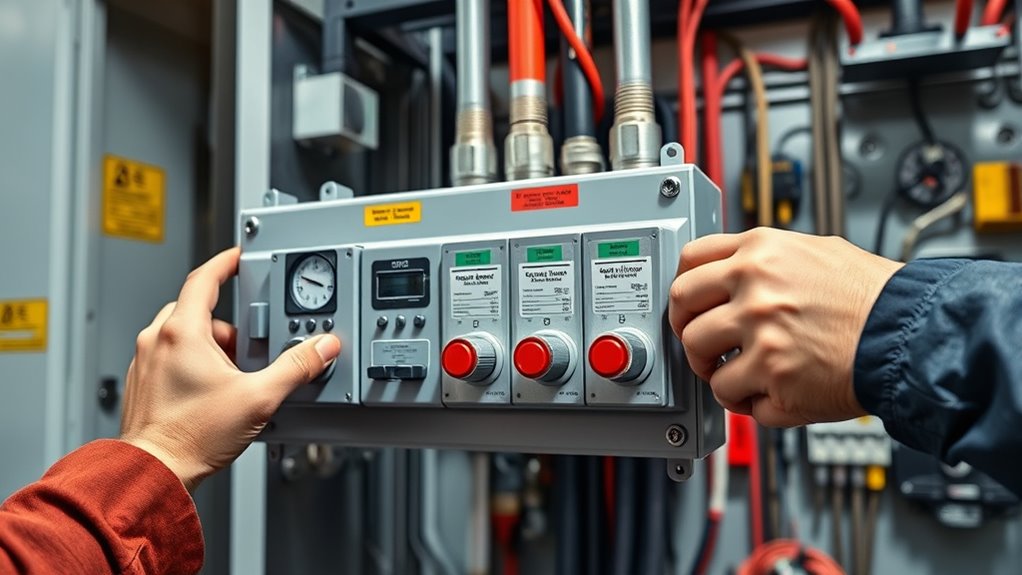
Choosing the wrong transfer switch size can lead to serious issues, so it’s essential to select the right one for your needs. Start by understanding transfer switch types, as different options suit various setups. For example, manual transfer switches are common for residential use, while automatic types are better for critical systems. Your installation location also impacts size choice; a switch installed outdoors must be weather-resistant, and one for a larger load needs a higher amperage rating. If you pick a switch that’s too small, it won’t handle your power demands, risking damage or failure. Conversely, an oversized switch can be unnecessarily costly and bulky. Carefully evaluate your power requirements and installation environment to ensure you choose the correct transfer switch size, ensuring safety and reliable operation. Additionally, considering stingless bees and their honey production can offer insights into efficient ecosystem management, indirectly supporting stable power and resource needs for your setup.
Neglecting Proper Load Calculation

If you skip proper load calculation, you risk selecting a switch that can’t handle your power demands. This oversight can lead to overloading and potential system failure. To keep everything running smoothly, you need an accurate power assessment that guarantees system compatibility. Incorporating knowledge of fandom culture can also help ensure that your system design aligns with the specific needs and expectations of your setup.
Accurate Power Assessment
Neglecting proper load calculation can lead to serious issues with your manual transfer switch setup. If you underestimate your power needs, you risk a power surge when switching to your backup generator, damaging appliances or the switch itself. Conversely, overestimating can cause unnecessary strain on your generator, leading to inefficient operation or premature wear. To avoid this, you must accurately assess your total load, including all essential devices and equipment. This guarantees your transfer switch is properly rated and can handle your entire power demand during an outage. Proper power assessment guarantees a smooth transfer process, minimizes risks of electrical faults, and keeps your backup generator running reliably when you need it most. Don’t skip this vital step to protect your system and ensure safety. Additionally, utilizing proper tools and methods for load calculation can improve accuracy and reliability in your assessment.
Prevent Overloading Risks
Overlooking proper load calculation can lead to overloading your transfer switch, which risks damaging your equipment and compromising safety. To prevent this, you must accurately assess your power needs. Consider these points:
- Calculate total wattage of all essential devices, including generator maintenance equipment.
- Include your battery backup system’s power requirements to ensure it can handle startup surges.
- Avoid underestimating loads, which can cause overloads during peak usage.
- Regularly review and update load calculations as your system or equipment changes.
- Proper load management is crucial for maintaining the longevity and safety of your manual transfer switch system.
Overloading can strain your generator and battery backup, leading to potential failures or damage. Proper load calculation guarantees your transfer switch operates safely and efficiently, protecting your investment and maintaining reliable power during outages.
Ensure System Compatibility
Ensuring your transfer switch is compatible with your system is crucial to avoid potential failures and safety hazards. You must verify system compatibility by matching the transfer switch’s capacity with your electrical load, preventing overloads or underperformance. Proper load calculation is essential to determine the correct size and ensure the switch meets electrical standards. Ignoring this step can lead to equipment damage, safety risks, or code violations. Always review the manufacturer’s specifications and confirm that the transfer switch adheres to local electrical standards. This proactive check guarantees reliable operation during power transfers and safeguards your system’s integrity. Additionally, understanding home security system effectiveness can inform maintenance and safety practices around your electrical setup. By prioritizing system compatibility, you ensure a safe, efficient, and compliant electrical setup that minimizes risks and maintains system longevity.
Skipping Professional Installation

Skipping professional installation can lead to improper setup and safety hazards. Without proper installation, you risk electrical faults and voiding warranties. It’s best to rely on experts to make sure everything is done correctly and safely. Additionally, essential oils can be used to support relaxation and reduce stress during the installation process.
Proper Installation Requirements
While it might be tempting to save time and money by skipping professional installation, proper setup of a manual transfer switch is essential for safety and reliability. Incorrect installation can compromise your emergency preparedness and weaken your power outage strategies. To ensure correct installation, consider these key requirements:
- Verify the switch’s compatibility with your electrical system and generator.
- Mount the switch in a dry, accessible location near your main electrical panel.
- Follow the manufacturer’s wiring diagrams precisely to avoid faults.
- Ensure grounding and bonding meet local electrical codes for safety.
- Understanding the cost factors involved can help you plan your installation budget effectively.
Proper installation guarantees your manual transfer switch functions correctly during outages, giving you confidence in your power outage strategies and overall emergency preparedness. Skipping professional help risks unsafe or unreliable operation.
Risks of DIY Setup
Attempting to install a manual transfer switch without professional assistance can lead to serious safety hazards and operational issues. Poor DIY safety practices risk electrical shocks, fires, or damage to your system. Without proper training, you might miswire connections or overlook essential grounding requirements, compromising emergency preparedness during power outages. A DIY setup may not comply with electrical codes, increasing liability and reducing system reliability. Skipping professional installation also means you won’t benefit from expert troubleshooting or post-installation inspections, which are crucial for safe operation. Additionally, improper installation can result in system failure, leaving you unprotected during emergencies. Ultimately, rushing DIY setup can jeopardize your safety and the safety of your home. To guarantee reliable, safe, and code-compliant operation, it’s best to hire a qualified electrician for manual transfer switch installation.
Ignoring Local Electrical Codes and Regulations
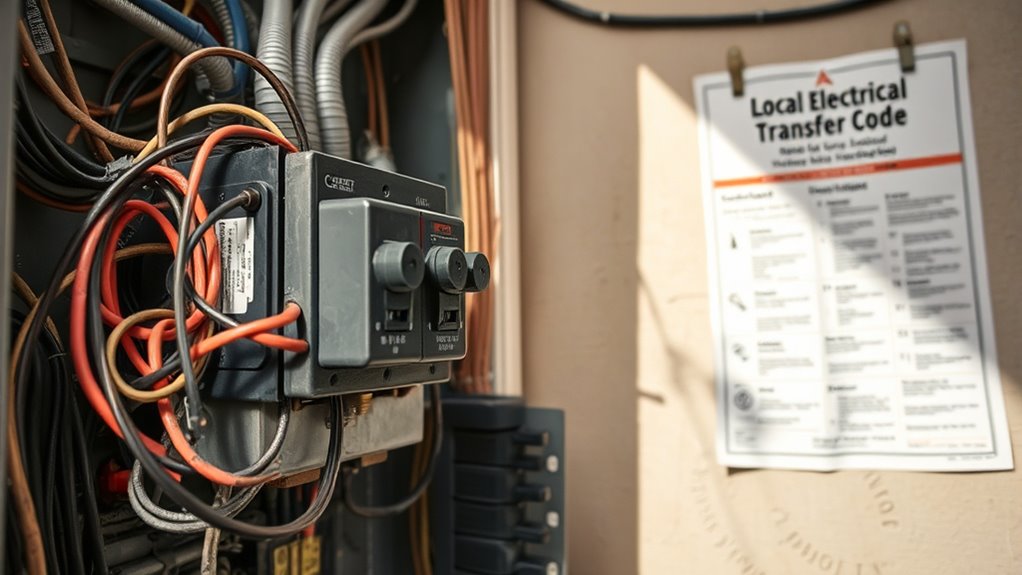
Ignoring local electrical codes and regulations can lead to serious safety hazards and legal issues. Without proper adherence to local code compliance, you risk electrical fires, shocks, or system failures. Here are four key concerns:
- Code Violations: Installing a transfer switch without following local standards may result in fines or mandates to redo work.
- Liability Risks: If an accident occurs due to non-compliance, you could face lawsuits or insurance denial.
- Inspection Failures: Authorities may reject inspections, delaying emergency power setup.
- Legal Considerations: Non-compliance may void warranties or service agreements, complicating future repairs or upgrades.
- Additionally, failure to comply with local electrical codes can result in costly penalties and require extensive corrective measures.
Always check local electrical codes before installation to ensure safety and legal adherence. Neglecting these regulations jeopardizes your safety and legal standing.
Failing to Test the Transfer Switch Regularly
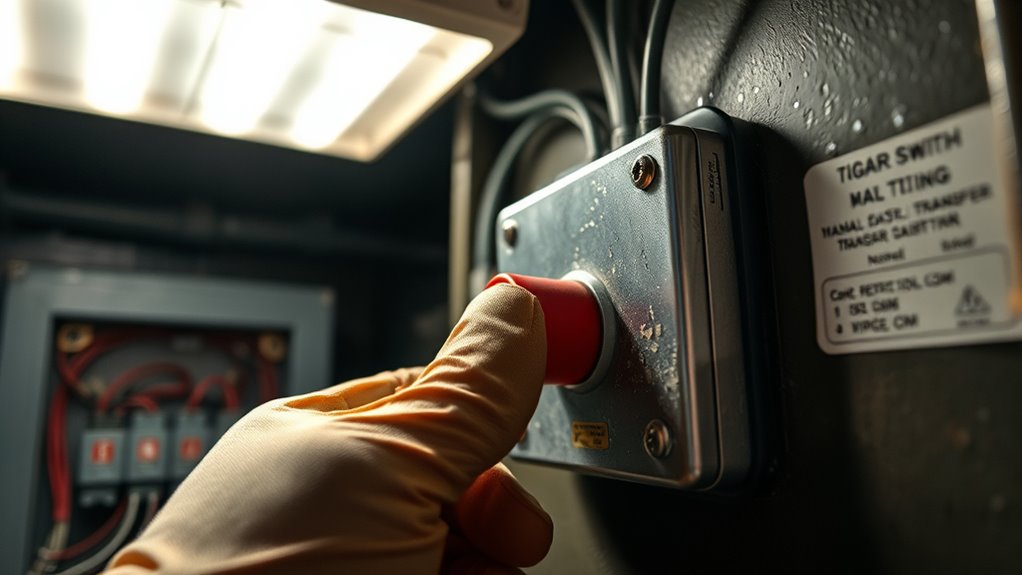
Regularly testing your transfer switch is essential to guarantee it functions correctly during a power outage. This practice enhances your emergency preparedness by ensuring your backup power system activates smoothly when needed. Without regular tests, you risk discovering faults only during an outage, which can disrupt power outage management and compromise safety. Schedule routine testing, at least quarterly, to verify the switch’s operation and identify potential issues early. During tests, simulate a power failure to confirm the transfer switch switches power sources properly. Proper testing helps you avoid unexpected failures, reducing downtime and protecting your equipment. Staying proactive with maintenance not only keeps your system reliable but also provides peace of mind knowing you’re prepared for any emergency situation. Additionally, understanding the safety requirements for transfer switch installation and operation is crucial to prevent hazards and ensure compliance with electrical codes.
Overlooking Proper Grounding and Bonding
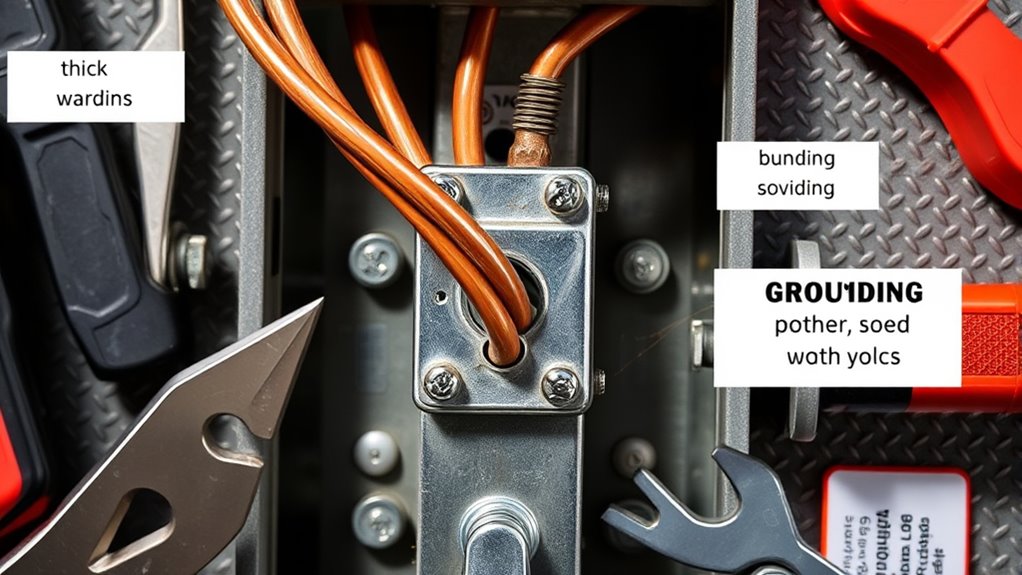
Proper grounding and bonding are critical to guaranteeing your transfer switch operates safely and effectively. Without correct grounding practices and proper bonding techniques, you risk electrical shock, equipment damage, or fire hazards. To prevent this, consider these key points:
Proper grounding and bonding ensure safe, reliable transfer switch operation and prevent hazards.
- Confirm the transfer switch is connected to a proper grounding system, following local codes.
- Use appropriate bonding techniques to securely connect the transfer switch’s metal parts to the grounding system.
- Ensure grounding conductors are of the correct size and material for your setup.
- Regularly inspect grounding connections for corrosion or looseness, maintaining a reliable electrical path.
Not Using a Transfer Switch With a Manual Bypass

Using a transfer switch without a manual bypass can lead to serious safety and functionality issues. A manual bypass allows you to isolate the switch during maintenance or repairs, guaranteeing safe and straightforward service. Without this feature, you might need to disconnect your entire system or risk exposing yourself to live circuits. Not having a switch bypass can also cause issues if you need to switch between power sources quickly, as you won’t have a safe way to bypass the transfer switch itself. This oversight can result in damage to your equipment or personal injury. Always choose a transfer switch with a manual bypass to ensure safe operation, easy maintenance, and reliable switching between power sources without risking your safety or system integrity.
Connecting to Incorrect Power Sources
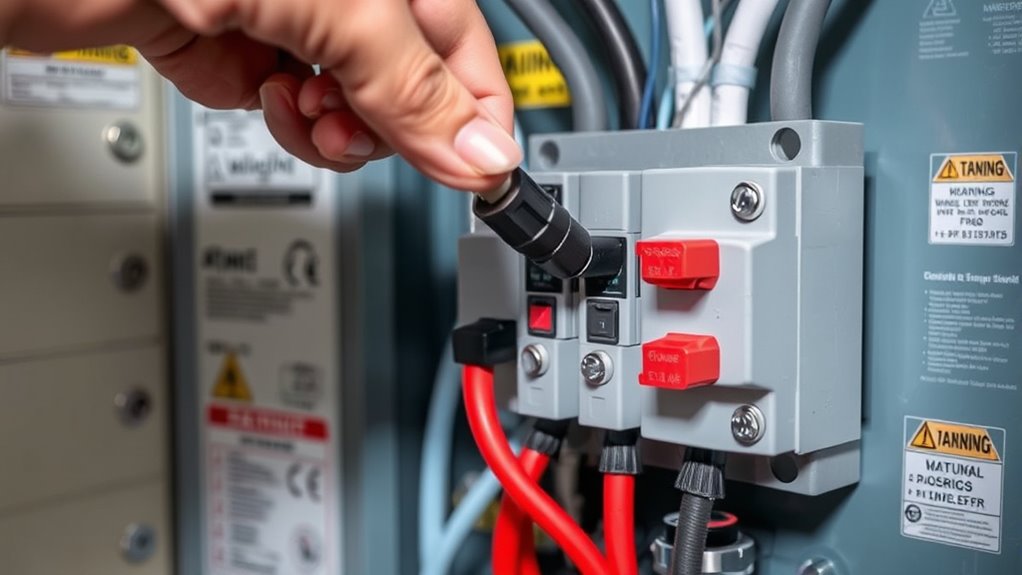
Have you double-checked the power sources before connecting your transfer switch? Proper power source identification is vital to avoid dangerous misconnections. To verify connection verification, follow these steps:
- Confirm the generator and utility sources are correctly labeled and match your system’s specifications.
- Visually verify that the transfer switch is set to the correct source before making any connections.
- Use a multimeter to check voltage levels and ensure they align with your system’s requirements.
- Double-check wiring diagrams to confirm that each connection corresponds to the intended power source, preventing accidental cross-connection.
Forgetting to Turn Off Main Power Before Installation

Forgetting to turn off the main power before installing a transfer switch can lead to serious electric shock. It also risks damaging your equipment if power surges occur during installation. Always make certain the main breaker is off to protect yourself and your gear.
Subheading 1: Risk of Electric Shock
Before starting the installation of a manual transfer switch, it’s crucial to turn off the main power supply. Failing to do so can pose a serious risk of electric shock, endangering your safety and damaging equipment. Remember, generator safety and battery backup systems are connected to the main power, so neglecting this step can be dangerous.
Picture this:
- You accidentally touch live wires while working inside the panel.
- Sparks fly, risking electrocution.
- Damage occurs to the transfer switch or your backup system.
- You or others get injured.
Always shut off the main power, verify it’s off with a tester, and ensure all circuits are de-energized before proceeding. This simple step prevents accidents and keeps everyone safe.
Subheading 2: Equipment Damage Prevention
Neglecting to turn off the main power before installing a manual transfer switch can lead to significant equipment damage. Failing to do so risks backfeeding power into your generator, which can harm the generator itself and other connected devices. This oversight compromises generator safety and can cause costly repairs or replacements. Properly shutting off the main power ensures that no live voltage reaches the transfer switch during installation, reducing the chance of electrical faults. It also supports emergency preparedness by preventing accidental damage that could disable your backup power source when you need it most. Always verify that the main breaker is off before beginning installation. Taking this step protects your equipment, ensures reliable operation, and keeps you prepared for emergencies.
Using Damaged or Worn Components
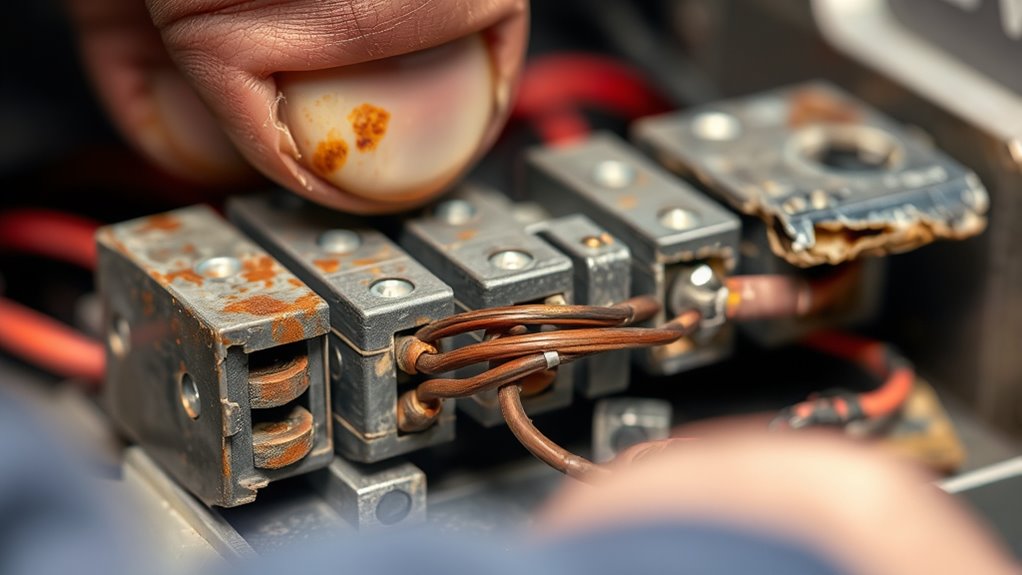
Using damaged or worn components can compromise the safety and reliability of your manual transfer switch. When components show signs of wear and tear, their durability diminishes, increasing the risk of failure during an emergency. To prevent issues, check for:
- Corrosion or rust on contacts and terminals
- Cracks, burn marks, or discoloration on switches
- Loose or frayed wiring connections
- Bent or broken components that may hinder proper operation
These issues indicate decreased component durability and can lead to malfunction. Regular inspection and timely replacement of worn parts ensure your transfer switch operates safely and reliably. Ignoring these signs can cause system failure when you need it most, so stay vigilant about component condition.
Ignoring Manufacturer Instructions and Guidelines
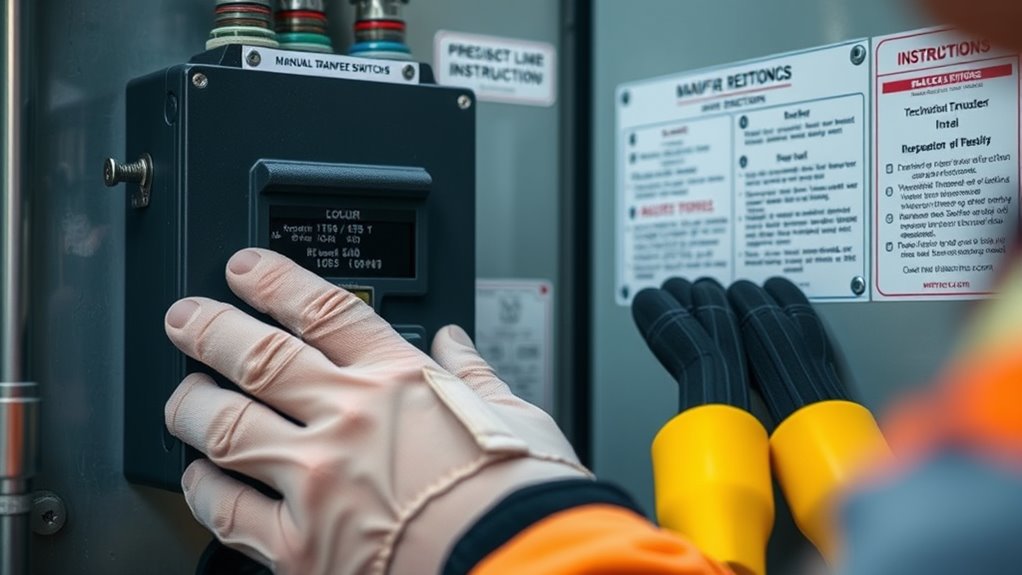
You need to follow the manufacturer’s recommendations to guarantee proper operation. Skipping installation steps or safety guidelines can lead to equipment damage or accidents. Always read and adhere to their instructions for a safe and reliable transfer switch setup.
Follow Manufacturer Recommendations
Following manufacturer recommendations is essential to guarantee the safe and reliable operation of your manual transfer switch. Ignoring these guidelines can compromise your emergency preparedness and hinder effective power outage management. To ensure proper use, consider these key points:
- Read all instructions thoroughly before installation or operation.
- Follow recommended maintenance schedules to prevent failures.
- Use specified components and parts for replacements.
- Adhere to safety warnings to avoid electrical hazards.
Use Proper Installation Procedures
Neglecting manufacturer instructions during installation can lead to serious safety hazards and equipment malfunctions. Proper installation procedures guarantee your manual transfer switch functions reliably, especially when it comes to generator maintenance and battery backup systems. Always follow the manufacturer’s guidelines to prevent issues like improper grounding or wiring errors that could compromise power transfer. Using correct procedures helps maintain the integrity of the transfer switch, reducing the risk of electrical faults or damage to connected equipment. Incorrect installation might also void warranties and make future troubleshooting more difficult. Take the time to review all instructions thoroughly, double-check connections, and ensure compatibility with your generator and backup power systems. Proper procedures safeguard your investment and ensure your transfer switch operates safely and efficiently when you need it most.
Adhere to Safety Guidelines
Ignoring manufacturer instructions and safety guidelines can lead to dangerous situations, risking electrical shocks, fires, or equipment damage. To stay safe, follow these essential tips:
- Always read and understand the transfer switch’s manual before installation or use.
- Use proper protective gear to prevent electrical injuries during setup or maintenance.
- Ensure your emergency preparedness plan includes safe handling of the battery backup system.
- Regularly inspect and test the switch to confirm it operates correctly, especially during power outages.
Failing to Label Switches and Circuits Clearly

Clearly labeling switches and circuits is essential to guarantee safe and efficient manual transfer switch operation. Effective labeling practices help you quickly identify circuits, reducing confusion during emergencies or routine maintenance. Proper circuit identification ensures you know exactly which switch controls each power source or load, preventing accidental energization or shutdown errors. Failing to label switches clearly can lead to dangerous mistakes, such as switching the wrong circuit or misinterpreting switch positions. Use durable labels that remain visible and legible over time, and follow consistent naming conventions. Well-labeled switches improve safety, streamline troubleshooting, and ensure compliance with electrical standards. Taking the time to implement clear labeling practices now saves you potential hazards and costly errors later.
Overloading Circuits or Power Sources
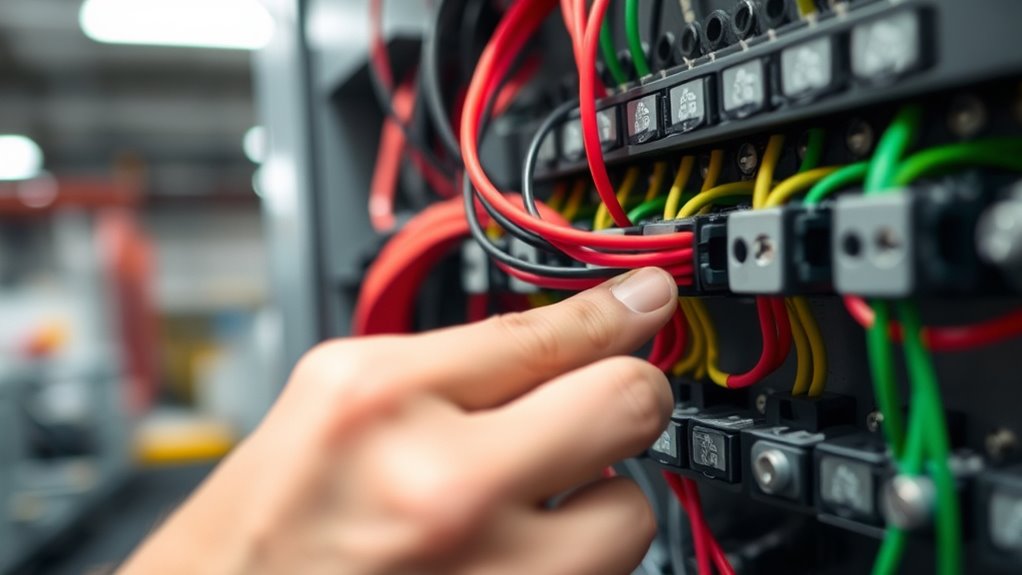
Proper labeling helps prevent mistakes, but even with clear identification, overloading circuits or power sources can cause serious issues. A circuit overload occurs when you draw too much current through a circuit, risking damage or fire. Similarly, overloading a power source can lead to overheating or failure. To avoid these problems, pay attention to:
- Connecting too many appliances to a single circuit, exceeding its capacity
- Using a power source beyond its rated wattage or amperage
- Ignoring the circuit breaker’s rating and overloading it
- Failing to monitor power demands when switching between sources
Neglecting Routine Maintenance and Inspection
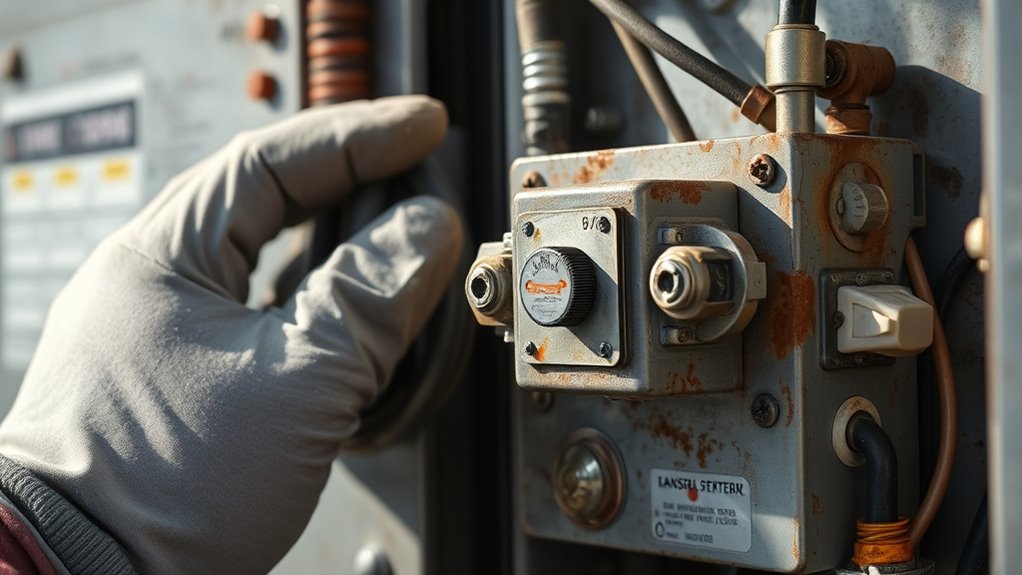
Regular maintenance and inspection are essential to guarantee your manual transfer switch operates safely and reliably. By performing routine checks, you can identify signs of component wear before they cause failures. Regular inspections help ensure all parts are functioning correctly, connections are secure, and no corrosion or damage has developed. Neglecting these tasks increases the risk of unexpected breakdowns, electrical faults, or safety hazards. You should schedule routine maintenance—such as cleaning contacts, testing operation, and inspecting wiring—to maintain peak performance. Addressing component wear early extends the lifespan of your switch and prevents costly repairs. Consistent upkeep not only keeps your system dependable during outages but also helps guarantee compliance with safety standards. Don’t overlook routine checks; they’re crucial for safe, efficient operation.
Ignoring Safety Precautions During Operation

Ignoring safety precautions during operation can lead to serious accidents or equipment damage. When handling emergency power and automatic switching, neglecting safety can be dangerous.
Neglecting safety during automatic switching can cause accidents and equipment damage. Always prioritize safety procedures.
Consider these points:
- Never bypass safety interlocks or alarms; they protect you during automatic switching.
- Always verify the transfer switch is in the correct position before restoring power.
- Avoid working on the switch while it’s energized, especially during emergency power situations.
- Use proper personal protective equipment and follow lockout/tagout procedures.
Frequently Asked Questions
How Do I Determine the Appropriate Transfer Switch Capacity?
To determine the appropriate transfer switch capacity, start with a capacity evaluation of your essential loads, guaranteeing the switch can handle their combined power demands. Focus on transfer switch sizing by calculating the total wattage of your critical appliances and equipment. Choose a switch with a capacity slightly above this total to ensure reliable operation without overloading. This careful assessment helps you select the right transfer switch for your needs.
What Are Common Signs of a Malfunctioning Transfer Switch?
You’ll notice signs like frequent tripping, delayed transfer, or failure to switch to emergency power, indicating a malfunctioning transfer switch. Check for compatibility issues with your system and verify it meets your emergency power requirements. If you experience inconsistent operation or unusual noises, it’s time to inspect or replace the switch. Regular maintenance helps prevent problems and guarantees reliable backup power when you need it most.
Can I Install a Transfer Switch Outdoors Without Protection?
An ounce of prevention is worth a pound of cure. You shouldn’t install a transfer switch outdoors without proper outdoor protection. To guarantee safety and longevity, use a weatherproof enclosure designed for outdoor environments. This protects the switch from moisture, dirt, and extreme weather conditions, preventing damage and electrical hazards. Always follow manufacturer instructions and local codes to keep your system safe and reliable, no matter the weather.
What Maintenance Tasks Are Essential for Transfer Switch Longevity?
To guarantee your transfer switch lasts, you should regularly perform switch lubrication to keep parts moving smoothly and prevent corrosion. Additionally, circuit testing is vital; it verifies that the switch functions correctly during power transitions. Schedule these maintenance tasks annually or after severe weather events. Keep the switch clean and inspect for wear or damage. Proper maintenance helps prevent failures, ensuring reliable operation when you need it most.
How Do I Safely Disconnect the Transfer Switch for Repairs?
To safely disconnect the transfer switch for repairs, first turn off the main power supply and wear appropriate safety gear. Follow troubleshooting steps to identify and isolate the switch’s power source. Then, carefully disconnect the wiring, making certain you don’t touch live parts. Always double-check with a voltage tester, and adhere to safety precautions to prevent electrical shock. Taking these steps ensures a safe and effective disconnection process.
Conclusion
Think of your manual transfer switch like the heart of your backup power system—keeping it healthy guarantees it beats smoothly when you need it most. By avoiding these common mistakes, you’re safeguarding your home and peace of mind. Stay vigilant, perform regular checks, and follow the proper procedures. When you treat your transfer switch right, it’s like tuning a finely crafted instrument—ready to perform flawlessly whenever the power goes out.
Fall Picks
fall essentials
As an affiliate, we earn on qualifying purchases.