Installing or operating your transfer switch incorrectly can break your backup power system exactly when you need it most. Common mistakes include improper wiring, skipping safety checks, and ignoring manufacturer instructions, which can cause electrical hazards or backfeed into utility lines. Failing to maintain or test the system regularly increases the risk of failure during outages. To keep your backup plan reliable, it’s essential to understand these pitfalls and how to avoid them—more details await you.
Key Takeaways
- Incorrect wiring can cause power backfeed, risking utility worker safety and damaging equipment.
- Failing to follow manufacturer instructions may lead to operational failures during outages.
- Skipping safety checks increases the risk of electrical shocks, fires, and system malfunctions.
- Improper installation or handling can compromise transfer switch reliability and backup power effectiveness.
- Neglecting routine maintenance and testing can result in backup system failure during critical moments.
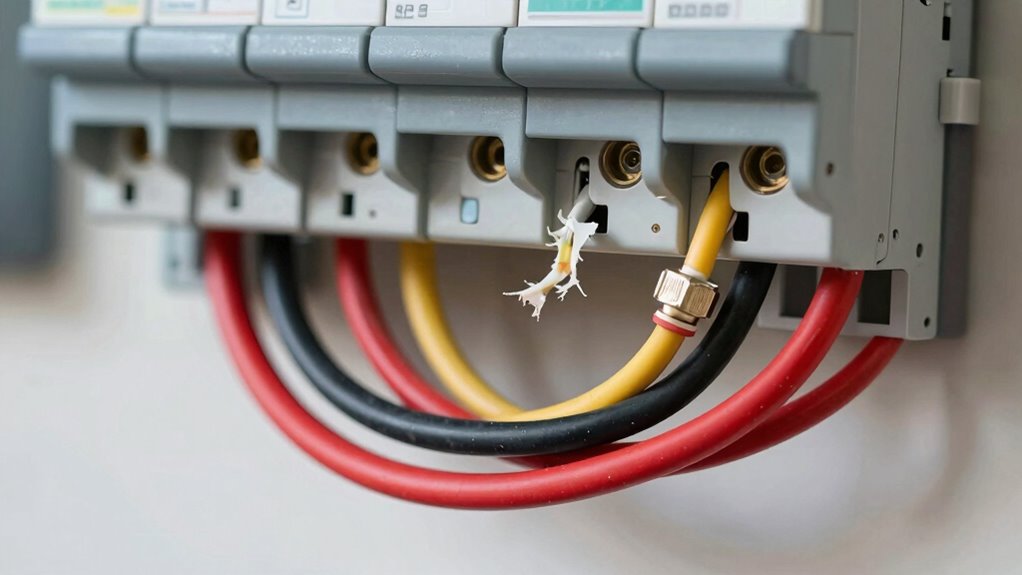
Have you ever thought about what happens if a transfer switch is installed or operated incorrectly? It might seem straightforward, but a simple mistake can compromise your entire backup plan. One common error people make is neglecting proper generator maintenance, which is essential for guaranteeing reliable operation when you need it most. If your generator isn’t well-maintained, it may fail to start or run smoothly during a power outage, rendering your backup system useless. Regular inspections, oil changes, and testing are fundamental parts of generator maintenance that keep your system dependable. Overlooking these steps can lead to unexpected failures, leaving you in the dark when a blackout hits.
But even with a well-maintained generator, improper handling of the transfer switch can introduce serious risks. The transfer switch is designed to safely switch your power source from the grid to your generator, and vice versa. If you don’t follow the manufacturer’s instructions or skip safety checks, you risk creating dangerous situations. For example, if the transfer switch isn’t correctly wired or tested, it could feed power back into the utility lines—posing electrical safety hazards not just for you but for utility workers and neighbors as well. This kind of mistake can lead to electrical shocks, fires, or damage to your equipment.
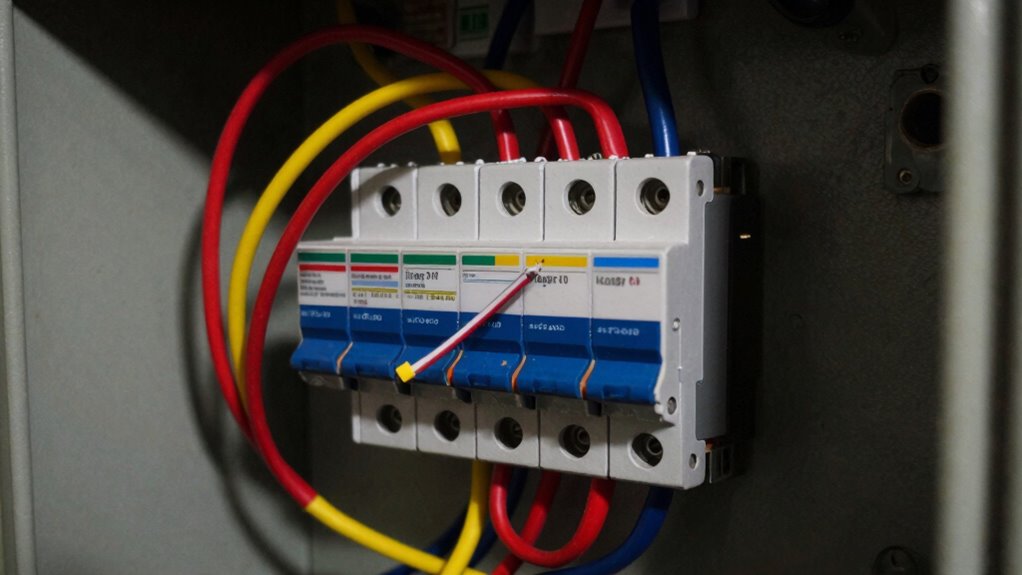
Electrical safety should always be your top priority when dealing with backup power systems. Before installing or operating a transfer switch, you need to understand the electrical codes and safety protocols. Never bypass safety features or rush through the process; these steps are there to protect you. When connecting a transfer switch, double-check all wiring, and guarantee it’s done according to specifications. Periodic testing of the system is indispensable, especially before storm seasons or expected outages, to confirm everything functions smoothly. Additionally, understanding transfer switch operation and proper wiring techniques can prevent many common mistakes. Remember, a transfer switch isn’t just a device—it’s a critical part of your emergency preparedness. Staying informed about electrical safety standards can help you identify potential issues before they become serious problems. Proper training and awareness of electrical hazards are essential for safe installation and operation.
Missteps in managing your transfer switch can turn a reliable backup plan into a hazardous liability. You might think that once it’s installed, your job is done, but ongoing generator maintenance and adherence to electrical safety standards are essential for peace of mind. Taking shortcuts or ignoring routine checks can lead to costly repairs or dangerous accidents. Regular system checks and adherence to safety guidelines are vital to ensure your backup system remains fully operational when needed. Remember, understanding transfer switch safety and the importance of routine maintenance can significantly reduce the risk of failures. Stay vigilant, follow all safety guidelines, and keep your system well-maintained. Doing so ensures that, when a power outage strikes, your backup plan works flawlessly—keeping your home safe, your appliances protected, and your family secure.
Top picks for "transfer switch mistake"
Open Amazon search results for this keyword.
As an affiliate, we earn on qualifying purchases.
Frequently Asked Questions
How Often Should I Inspect My Transfer Switch for Safety?
You should inspect your transfer switch at least once a year, following a maintenance checklist to guarantee everything functions correctly. During your inspection, prioritize safety precautions like turning off power and wearing protective gear. Regular checks help spot signs of wear or damage early, preventing potential failures. Staying proactive with safety precautions and maintenance will keep your backup system reliable when you need it most.
Can I Install a Transfer Switch Myself Without Professional Help?
Sure, you can try DIY installation, but it’s like fixing a watch with a hammer—you might succeed, or you might cause a disaster. Transfer switch installation involves complex wiring and safety risks, so it’s best to depend on a professional inspection. They guarantee everything works correctly and safely, preventing costly mistakes or hazards. Save yourself the trouble and hire a licensed electrician to handle your transfer switch properly.
What Are the Signs of a Faulty Transfer Switch?
You’ll know your transfer switch is faulty if it doesn’t switch on backup power promptly, or if you notice frequent tripping or electrical sparks. Regular transfer switch maintenance is essential for safe operation. Use fault detection methods like inspecting for burns, corrosion, or loose connections. If you experience inconsistent switching or strange noises, it’s time to get a professional to check your system to prevent potential failure during an outage.
How Does a Transfer Switch Impact My Insurance Coverage?
Did you know that 30% of homeowners see insurance claims denied due to improper backup power setups? Your transfer switch directly impacts your insurance coverage; if it’s faulty or incorrectly installed, insurers might limit or deny your claims. Properly functioning transfer switches guarantee your backup system is compliant, helping you avoid coverage limitations when you need it most. Keep your transfer switch in top shape to protect your home and your insurance benefits.
Are There Different Types of Transfer Switches for Specific Backup Systems?
Yes, there are different types of transfer switches tailored for specific backup systems. Your generator compatibility determines whether you need a manual or automatic transfer switch. Switch installation types vary, including whole-house or portable options, depending on your setup. Ensuring the right match between your generator, switch type, and installation method is essential for a reliable backup plan. Always consult a professional to select the best transfer switch for your system.
Conclusion
To avoid costly mistakes, make certain you select the right transfer switch for your needs and install it correctly. A simple error can leave you vulnerable during outages, risking property damage or safety hazards. Did you know that nearly 30% of backup system failures are due to transfer switch errors? Don’t let a small mistake ruin your backup plan—double-check your setup, and consult professionals if needed. A reliable transfer switch keeps your power safe and steady when you need it most.