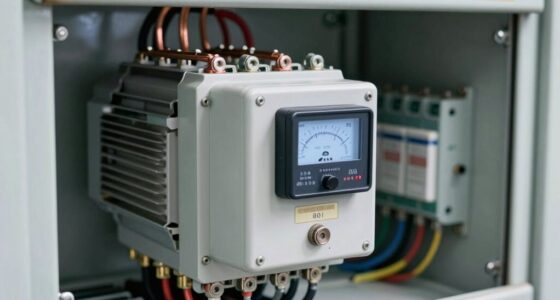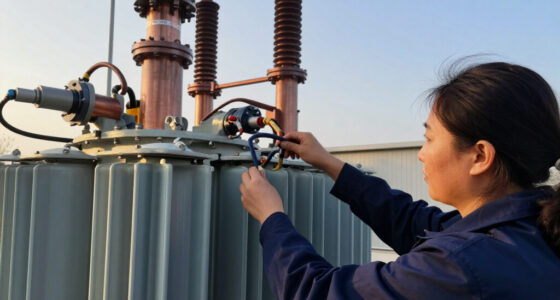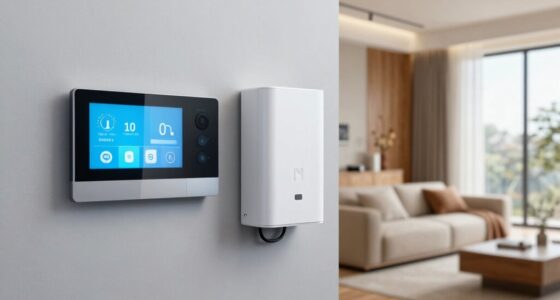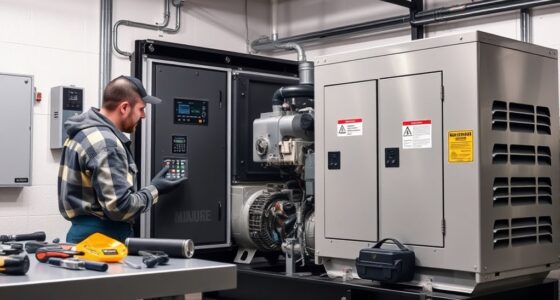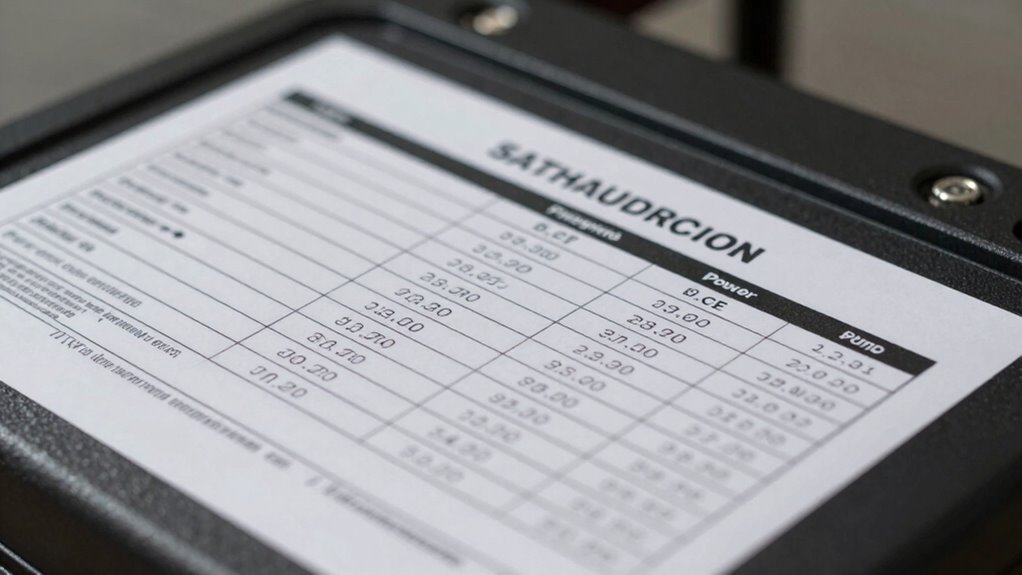
To understand a standby generator spec sheet, start by checking the power output at different loads to see if it meets your needs. Look at fuel consumption rates and runtime to estimate ongoing costs. Review the engine details for durability and maintenance, and note noise levels if location matters. Finally, check features like monitoring, warranty, and transfer switch options for added safety and reliability. Keep these points in mind, and you’ll get a clear picture of what suits you best.

Get backup power and energy gear delivered free — and shop member deals
- Fast, free delivery on millions of items
- Access to Prime Big Deal Days deals on October 6–7
- Prime Video, Amazon Music and more included
Key Takeaways
- Identify the generator’s power output and capacity at different load levels to ensure it meets your energy needs.
- Check fuel consumption rates and runtime to assess operational costs and suitability for extended outages.
- Review engine specifications, including type, horsepower, and starting system, for reliability and maintenance considerations.
- Note noise levels and compatibility features to ensure compliance with environmental and system requirements.
- Examine monitoring, maintenance, and warranty details for ongoing performance, support, and long-term reliability.
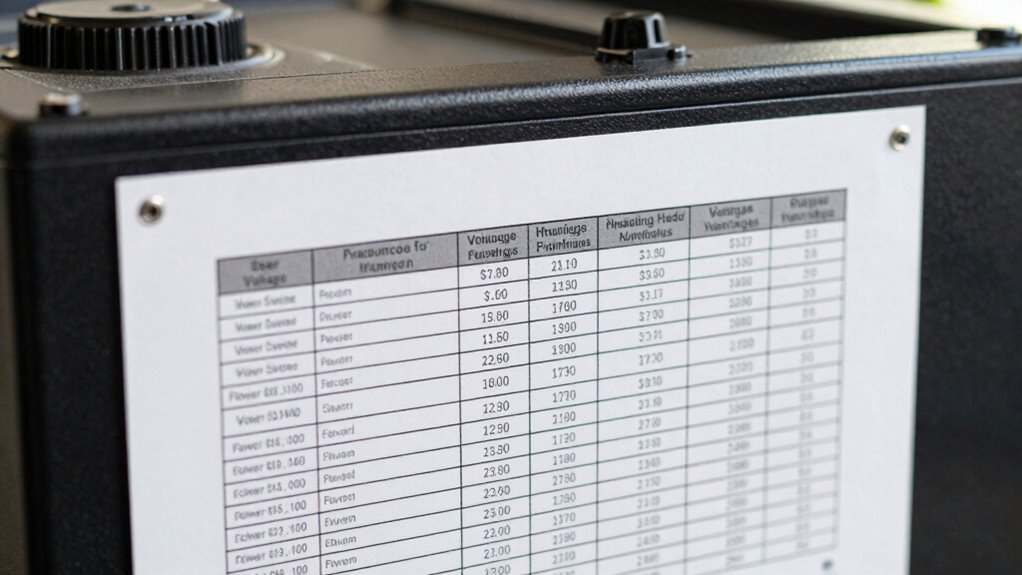
Next, examine the fuel efficiency, which indicates how effectively the generator converts fuel into electricity. A highly fuel-efficient model will consume less fuel to generate the same amount of power, saving you money on fuel costs over time. Look for specifications that mention fuel consumption rates at different load levels—whether at 25%, 50%, or 100% load—to get a clear picture of operational costs. Fuel efficiency is especially important if you expect frequent power outages or want to keep ongoing operational costs low. Additionally, understanding the protocols that the generator uses can help ensure compatibility with your existing home or business systems. When evaluating the spec sheet, consider how the generator’s design aligns with sound levels, especially if noise restrictions are a concern in your area.
Beyond power output, check the generator’s engine specifications, including the type of engine, its horsepower, and the brand. A reliable engine ensures durability and consistent performance. Also, review the starting system—whether it’s manual, automatic, or remote—and the type of transfer switch included, as these features impact convenience and safety. Some spec sheets specify runtime, revealing how long the generator can operate on a full tank at a given load, which helps determine if it can sustain your power needs during extended outages. Considering fuel efficiency alongside runtime can provide a more comprehensive understanding of overall operational costs and performance. Moreover, reviewing maintenance requirements can help you plan for routine upkeep, ensuring the generator remains reliable over its lifespan.
In addition, consider the monitoring features available, which can provide real-time data on the generator’s performance and alert you to potential issues before they become serious. These features can also facilitate proactive maintenance, reducing downtime and repair costs. Finally, pay attention to maintenance requirements and warranty details, as these influence long-term costs and reliability. By thoroughly analyzing these elements—power capacity, fuel efficiency, noise levels, engine specs, runtime, and maintenance—you’ll be equipped to select a standby generator that best fits your energy needs and lifestyle.
Frequently Asked Questions
How Often Should I Perform Maintenance on My Standby Generator?
Did you know that neglecting maintenance can reduce your generator’s lifespan by up to 50%? You should perform a maintenance schedule at least every 6 to 12 months, depending on usage. Regular inspection frequency is key—check oil levels, filters, and connections. Staying consistent guarantees your standby generator runs smoothly when needed, preventing costly repairs and ensuring reliable backup power. Always follow manufacturer recommendations for peak performance.
Can I Install a Standby Generator Myself?
You can install a standby generator yourself, but it’s not recommended due to installation safety concerns. Proper setup is essential for guaranteeing fuel efficiency and safe operation. Without proper knowledge, you risk electrical hazards or inefficient performance. If you have experience with electrical work and follow all safety guidelines, you might manage it. Still, hiring a professional ensures the installation is correct, safe, and optimized for fuel efficiency.
What Is the Lifespan of a Typical Standby Generator?
A standby generator’s lifespan is like a well-tuned engine, often lasting around 10 to 20 years with proper maintenance. You should consider its fuel efficiency and warranty coverage, which can influence longevity. Regular servicing keeps it running smoothly, and choosing a model with solid warranty support guarantees you’re protected against unexpected issues. With care, your generator can reliably power your home through many seasons.
How Do I Determine the Right Generator Size for My Home?
To determine the right generator size for your home, start by listing essential appliances and their wattage. Consider your home’s total power needs, factoring in future expansions. You want a generator with maximum fuel efficiency to save on running costs, but also keep installation costs in mind. A generator that’s too small won’t meet your needs, while one that’s too large may be inefficient and costly. Consult a professional for precise sizing.
Are There Noise Level Considerations for Residential Standby Generators?
While some worry noise levels might be disruptive, you can manage sound levels through proper placement and noise mitigation strategies. Residential standby generators vary in sound output, so consider models with lower noise levels. Placing the generator away from living areas and installing sound barriers can substantially reduce noise. Being mindful of sound levels ensures your generator operates efficiently without disturbing your home’s peace or your neighbors.
Conclusion
Understanding a standby generator spec sheet helps you make informed decisions, ensuring your home stays powered during outages. Did you know that a typical residential generator can produce enough electricity to run about 20 to 30 appliances simultaneously? By knowing how to interpret these specs, you can select the right generator for your needs, avoiding surprises when it counts most. With this knowledge, you’re better equipped to keep your home safe, comfortable, and connected when the power goes out.
Fall Picks
fall essentials
As an affiliate, we earn on qualifying purchases.