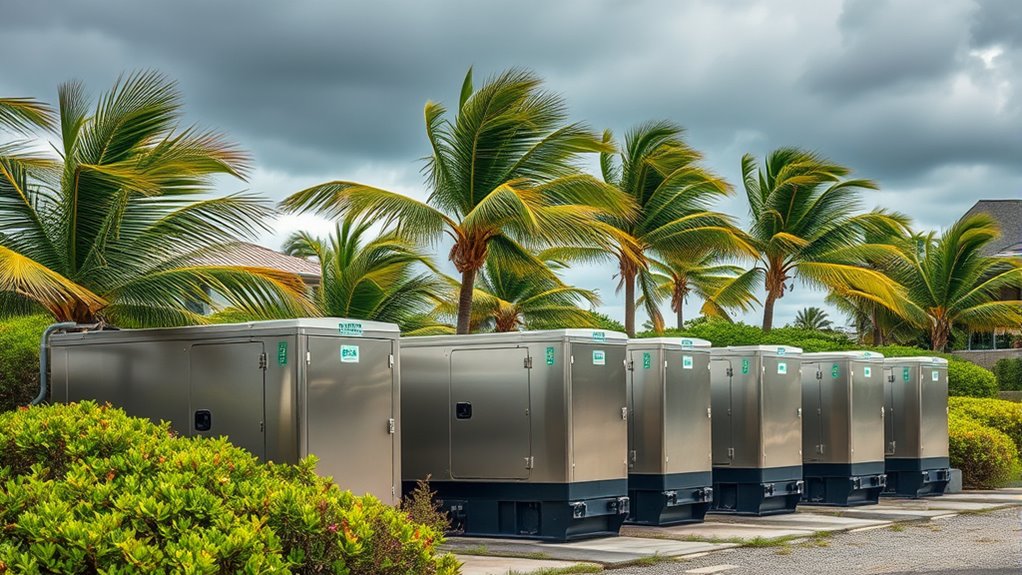
When hurricane season hits, having a dependable standby generator can be the difference between peace of mind and chaos. For those living in hurricane-prone areas, a 22kw generator offers enough power to keep your home running smoothly during extended outages. Currently, the market features a mix of full-home solutions with advanced monitoring and portable options that can supplement your power needs. Among the top contenders are the Generac 22kW Whole Home Generator with cellular monitoring, the Generac Guardian 18kW with Wi-Fi connectivity, the Westinghouse 12500 Watt Dual Fuel portable generator, and the Generac 22kW Dual Fuel backup. Each has unique strengths and limitations, with tradeoffs around cost, installation complexity, and feature set. Here’s how I see their roles shaping up for different buyer needs.

Get backup power and energy gear delivered free with Prime
- Fast, free delivery on millions of items
- Prime Video, Amazon Music and more included
- Member-only deals all year
Complete the kit


Key Takeaways
- The Generac 22kW Whole Home Generator offers automatic backup power with advanced cellular monitoring, making it ideal for busy homeowners prioritizing automation.
- The Generac Guardian 18kW is a solid choice for those seeking remote Wi-Fi monitoring at a lower upfront cost, but it requires professional installation.
- The Westinghouse 12500 Watt portable generator provides versatile dual-fuel operation and portability, suitable for those needing flexibility or temporary backup.
- All 22kW units have tradeoffs around cost and complexity; full-home solutions tend to be more expensive and installation-intensive.
- Choosing the right generator depends heavily on your specific needs for automation, portability, fuel type, and budget.
| Generac 22kW Whole Home Generator with Transfer Switch & Cellular Connectivity |  | Best for automatic, remote-controlled backup power | Power Output: 22kW | Connectivity: Cellular | Warranty: 5 years | VIEW ON AMAZON | See Our Full Breakdown |
| Generac Guardian 18kW Home Standby Generator with WiFi Monitoring |  | Best for remote monitoring and reliability | Power Output: 18,000 watts | Monitoring: Wi-Fi | Warranty: 5 Years | VIEW ON AMAZON | See Our Full Breakdown |
| Westinghouse 12500 Watt Dual Fuel Portable Generator with Remote Electric Start |  | Best for portability and versatility | Peak Watts: 12500 | Running Watts: 9500 | Fuel Type: Gasoline, Propane | VIEW ON AMAZON | See Our Full Breakdown |
| Generac 22kW Whole Home Generator with Cellular Connectivity |  | Best for automatic backup with cellular monitoring | Power Output: 22kW | Connectivity: Cellular | Warranty: 5 years | VIEW ON AMAZON | See Our Full Breakdown |
| 22kw standby generator for hurricane zone | Warranty | Fuel Type | Power Output | Monitoring |
|---|---|---|---|---|
| Generac 22kW Whole Home Genera | 5 years | Propane, Natural Gas | 22kW | Mobile Link app |
| Generac Guardian 18kW Home Sta | 5 Years | Natural Gas, Propane | 18,000 watts | Wi-Fi |
| Westinghouse 12500 Watt Dual F | 3 years | Gasoline, Propane | — | — |
| Generac 22kW Whole Home Genera | 5 years | Natural Gas, Propane | 22kW | Mobile Link |
More Details on Our Top Picks
Generac 22kW Whole Home Generator with Transfer Switch & Cellular Connectivity
This model stands out for its automatic operation during outages and remote monitoring via cellular. Compared to the Wi-Fi-based Guardian 18kW, this generator offers more seamless, hands-free backup, making it ideal for busy households that cannot afford manual intervention. Its cellular connectivity provides reliable updates regardless of Wi-Fi stability, but it does require a subscription for full remote access, which adds to ongoing costs. This generator is better suited for homeowners who prioritize automatic operation and remote control over initial investment or portability. Its main tradeoff is higher upfront and ongoing subscription costs, which may deter budget-conscious buyers. With a 5-year warranty, it promises long-term reliability.
Pros:- Automatic backup power during outages
- Cellular remote monitoring and control
- Fuel-efficient with lower emissions
- Reliable in cold climates
Cons:- Requires Mobile Link subscription for full features
- Higher initial cost
- Potential installation complexity
Best for: Homeowners seeking automatic backup with remote monitoring
Not ideal for: Buyers on a tight budget or those needing portability
- Power Output:22kW
- Connectivity:Cellular
- Warranty:5 years
- Monitoring:Mobile Link app
- Fuel Type:Propane, Natural Gas
- Installation:Requires professional setup
Our verdict“This generator is ideal for homeowners who want peace of mind with automatic, remote-controlled backup power in hurricane zones.”
Generac Guardian 18kW Home Standby Generator with WiFi Monitoring
This 18kW generator is designed for homes that want reliable power with the convenience of Wi-Fi remote monitoring. It’s an excellent choice for those who want to keep tabs on their generator without manual checks, especially during hurricane season. Compared to the 22kW models, it provides slightly less power but is often more affordable and easier to install for typical residences. Its quiet self-test mode minimizes noise during regular operation, and the 5-year warranty offers peace of mind. However, it’s not fully automatic like the larger Generac unit and requires a professional installer, which can increase initial costs. This makes it well-suited for homeowners seeking reliable, remotely monitored backup but who don’t need the full capacity of 22kW.
Pros:- Wi-Fi remote monitoring
- Quiet operation during self-test
- Reliable power with low harmonic distortion
- 5-year warranty
Cons:- Requires professional installation
- Higher upfront cost for features
- Less automation than cellular models
Best for: Homeowners prioritizing remote Wi-Fi monitoring and reliability
Not ideal for: Buyers seeking full automatic backup or higher power output
- Power Output:18,000 watts
- Monitoring:Wi-Fi
- Warranty:5 Years
- Engine:G-Force Engine
- Harmonic Distortion:Under 5%
- Fuel Type:Natural Gas, Propane
Our verdict“Ideal for those wanting dependable, remotely monitored backup power with moderate capacity.”
Westinghouse 12500 Watt Dual Fuel Portable Generator with Remote Electric Start
This portable generator offers dual fuel flexibility with gasoline and propane options, delivering up to 12,500 peak watts and 9,500 running watts. It’s not a full-home standby but excels at providing backup power on demand for essential circuits or remote locations. Its remote electric start makes it convenient to operate, and its long runtime of up to 12 hours on a full tank enhances usefulness during extended outages or outdoor jobs. The generator’s size and weight make it less suitable for permanent installation, but its versatility is unmatched for those who need mobility or supplementary power. Compared with the larger standby options, it’s a cost-effective choice with fewer installation requirements, but it won’t power an entire home during a prolonged outage.
Pros:- Dual fuel operation
- Remote electric start
- Long runtime of up to 12 hours
- Multiple outlets, RV-ready
Cons:- Heavy and less portable without wheels
- Limited to partial backup
- Potential residual odors after testing
Best for: Those needing portable backup or supplemental power
Not ideal for: Homeowners seeking permanent, full-home coverage
- Peak Watts:12500
- Running Watts:9500
- Fuel Type:Gasoline, Propane
- Engine:457cc 4-Stroke OHV
- Run Time:Up to 12 hours
- Warranty:3 years
Our verdict“Best suited for portable, flexible backup or outdoor use rather than permanent home power.”
Generac 22kW Whole Home Generator with Cellular Connectivity
This 22kW generator offers automatic operation during power outages and leverages cellular connectivity for remote monitoring. It’s a robust option for homeowners who want set-and-forget reliability with minimal manual intervention. Compared to the Wi-Fi-based Guardian 18kW, this unit provides a higher capacity and more seamless automation, making it highly suitable for larger homes or those with critical loads. Its fuel efficiency and lower emissions add to its long-term appeal, especially in areas with cold climates where cold start support is critical. The tradeoff is a potentially higher initial purchase price and the need for a cellular subscription, which can increase ongoing costs. Still, it delivers dependable performance with a focus on automation and remote control.
Pros:- Automatic backup during outages
- Cellular remote monitoring
- Fuel-efficient with lower emissions
- Reliable in cold weather
Cons:- Premium subscription required for full remote features
- Higher upfront and ongoing costs
- Limited noise level info
Best for: Homeowners wanting full automatic backup with cellular remote monitoring
Not ideal for: Those on a tight budget or preferring Wi-Fi monitoring
- Power Output:22kW
- Connectivity:Cellular
- Warranty:5 years
- Monitoring:Mobile Link
- Fuel Type:Natural Gas, Propane
Our verdict“Perfect for users prioritizing seamless automatic backup with cellular monitoring and high capacity.”

How We Picked
My approach focused on the core needs of homeowners in hurricane zones: reliable automatic backup power, remote monitoring capabilities, fuel efficiency, and ease of installation. I selected models that meet or exceed a 22kw power output threshold, ensuring they can handle most household loads during outages. I prioritized products with proven reliability, comprehensive warranties, and features that enhance convenience, such as cellular or Wi-Fi connectivity. I also balanced these factors against potential drawbacks like higher costs, installation complexity, or limited monitoring features, to gauge their suitability across different types of buyers.
| 22kw standby generator for hurricane zone | Monitoring | Fuel Type |
|---|---|---|
| Generac 22kW Whole Home Genera | Mobile Link app | Propane, Natural Gas |
| Generac Guardian 18kW Home Sta | Wi-Fi | Natural Gas, Propane |
| Westinghouse 12500 Watt Dual F | — | Gasoline, Propane |
| Generac 22kW Whole Home Genera | Mobile Link | Natural Gas, Propane |
Factors to Consider When Choosing 22kw Standby Generator For Hurricane Zones
Choosing the right 22kw standby generator for hurricane zones involves balancing automation, fuel type, installation complexity, and budget. The key is to determine whether you want a fully automatic, remotely monitored system or a portable backup that can be moved around as needed. Considering your home’s size, your typical power load, and your preferences for connectivity will help narrow down options. Here, I highlight the main factors to keep in mind to match your specific needs, whether that’s seamless automation, remote management, or portability.
Power and Capacity
In hurricane zones, a generator with at least 22kw capacity can power most large homes, including HVAC systems, refrigerators, and essential circuits. Smaller units, like 18kW, may suffice for lighter loads but risk falling short during extended outages. Be sure to assess your critical load requirements and consider future expansion. Full-home backup capabilities often justify higher upfront costs but deliver peace of mind when facing prolonged power outages.
Automation and Monitoring
Automatic operation during outages reduces the need for manual starting, which is critical in severe weather. Generators with cellular connectivity tend to offer more reliable, always-on remote monitoring, especially in areas with unstable Wi-Fi. Wi-Fi monitoring remains a solid, less costly option for less critical applications. Think about whether you prefer a set-it-and-forget-it system or one that requires occasional oversight.
Fuel Type and Efficiency
Natural gas is often the most convenient choice for permanent installations, providing continuous fuel supply without refueling. Propane offers portability and easier storage but may require a larger tank. Dual fuel options add flexibility, especially during emergencies when fuel availability can fluctuate. Fuel efficiency and emissions are also worth considering for cost savings and environmental impact, particularly in colder climates.
Installation and Cost
Full-home standby systems with automatic transfer switches require professional installation, often at a premium, but offer seamless power during outages. Portable generators are easier and quicker to set up but only supply partial power and require manual operation. Budgeting for installation, ongoing maintenance, and optional remote monitoring subscriptions will help you choose a system that fits your long-term needs.
Frequently Asked Questions
How does a 22kw generator improve hurricane preparedness?
A 22kw generator provides enough power to run essential appliances, HVAC, and lighting during extended outages common in hurricanes. Its capacity ensures your home remains functional, maintaining safety and comfort even in severe weather conditions. The automatic or remote monitoring features further enhance preparedness by reducing manual intervention, ensuring your home stays powered when you need it most.
What is the difference between a whole-home generator and a portable model?
Whole-home generators, like the Generac 22kW models, are permanently installed, connect directly to your home’s electrical system, and offer automatic backup during outages. Portable models, such as the Westinghouse dual-fuel generator, require manual setup and are limited to essential circuits. While portable units are more flexible and easier to install, they do not provide the same level of convenience or capacity for full-home backup, making them less ideal for hurricane zones where prolonged outages are expected.
Is remote monitoring necessary for hurricane zones?
Remote monitoring significantly reduces the need to check on your generator manually, which is especially valuable during hurricanes when safety and accessibility may be compromised. Cellular connectivity offers more reliable updates than Wi-Fi, ensuring you stay informed about your generator’s status. While not strictly essential, remote monitoring enhances safety and peace of mind, making it a worthwhile feature for most homeowners in hurricane-prone areas.
How much does installation typically cost for a 22kw system?
Installation costs vary depending on your home’s configuration, local codes, and whether you choose a full standby system or portable backup. Full-home systems with transfer switches typically range from $3,000 to $7,000, including permits and labor. Portable generators are cheaper to set up but require manual operation and wiring for essential circuits. Budgeting for professional installation is important to ensure safety, compliance, and optimal performance of your generator.
What ongoing costs should I expect with a 22kw generator?
Ongoing costs include fuel consumption, routine maintenance, and potentially subscription fees for remote monitoring services. Natural gas or propane supplies are usually continuous, but you should consider local utility costs. Remote monitoring subscriptions, like Mobile Link for cellular units, can add a few hundred dollars annually. Regular maintenance, including oil changes and inspections, is essential for reliability and can cost around $200 to $400 per year depending on the model and service provider.
Conclusion
For homeowners seeking the highest level of convenience and automatic backup, the Generac 22kW Whole Home Generator with cellular connectivity makes the most sense. Those with a smaller budget or who prioritize remote Wi-Fi monitoring might prefer the Generac Guardian 18kW. If portability and flexible power are more important, the Westinghouse dual fuel portable generator offers a practical alternative. Ultimately, the best choice depends on your home size, budget, and how much automation you want during hurricane season.