During an outage, you should keep your medications at the proper temperature by limiting door openings and using a thermometer designed for medication storage. Keep the refrigerator or freezer door closed as much as possible to maintain a stable environment. If the outage lasts long, use backup power sources like generators or coolers with ice packs to stay within the 2°C to 8°C range. To make certain you’re prepared for any situation, there’s more to think about on effective outage management.
Key Takeaways
- Keep refrigerator and freezer doors closed to maintain internal temperature during outages.
- Use thermometers to monitor medication storage temperatures continuously.
- Prepare backup power sources like generators or UPS to sustain cooling systems.
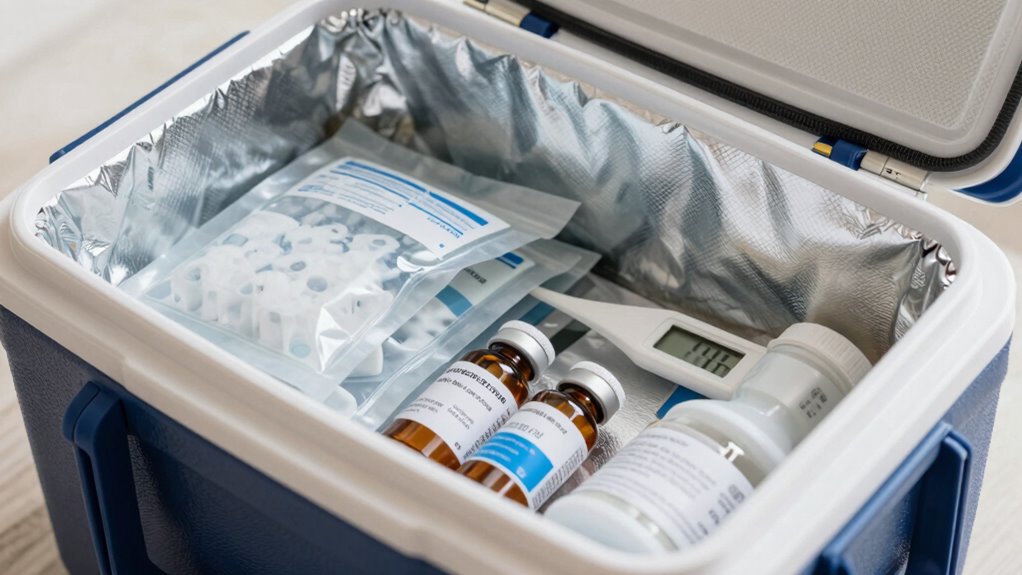
- Store medications in portable coolers with ice packs for short-term outages.
- Limit door openings and stay informed about outage duration to manage storage effectively.
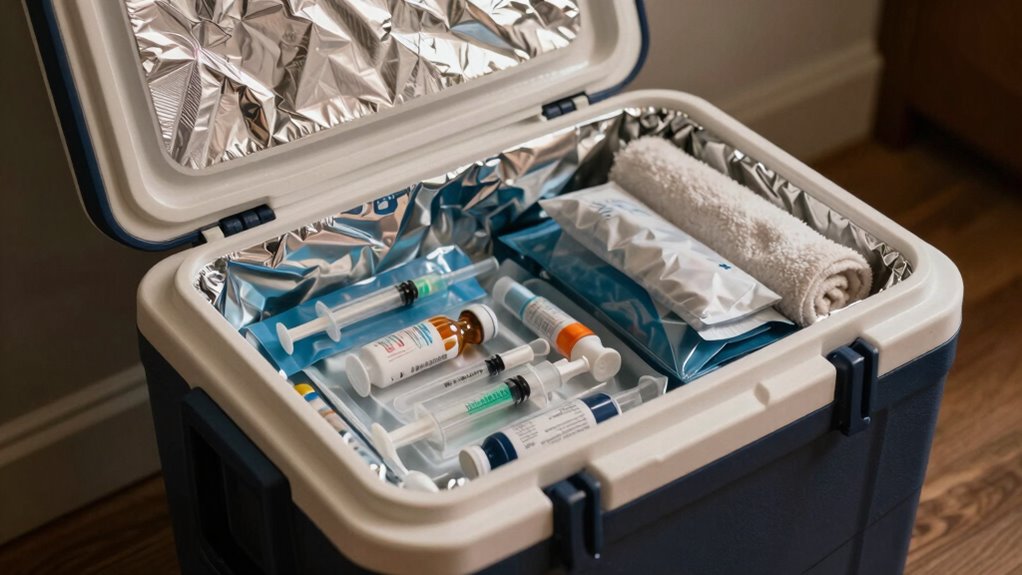
When a power outage occurs, protecting your refrigerated medications becomes a top priority to guarantee their effectiveness and safety. Proper medication storage during these times is essential, as temperature fluctuations can compromise the potency of many drugs. To maintain the correct temperature, you need a reliable power backup system that can step in when the main power source fails. This could be a generator, uninterruptible power supply (UPS), or even portable coolers with ice packs. Having a plan in place ensures your medications stay within the recommended temperature range, preventing spoilage or reduced efficacy.
Protect medications during outages with backup power and proper storage to ensure safety and efficacy.
Start by knowing the storage requirements for each medication. Some drugs need to be kept at specific temperatures, typically between 2°C and 8°C (36°F and 46°F). When the power goes out, resist the temptation to open the refrigerator or freezer unnecessarily, as this allows cold air to escape and temperature to rise. Instead, keep the doors closed and limit access to preserve the internal temperature for as long as possible. Using a thermometer designed for medication storage helps you monitor the temperature and determine if the medications remain within safe limits.
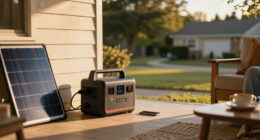
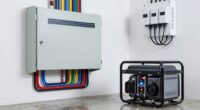
Investing in a power backup system is a proactive step. A generator can provide continuous power to keep your refrigerator running during prolonged outages, but it requires regular maintenance and proper placement. An uninterruptible power supply (UPS) is suitable for short-term outages and can keep medications cooled until power is restored or a backup solution is activated. Portable coolers filled with ice packs are also effective for short-term storage, especially if you anticipate a brief outage. Remember, ice packs should be replaced as needed to maintain a consistent temperature. Additionally, understanding smart thermostat protocols can help optimize your home’s energy efficiency and ensure backup systems are functioning correctly during outages. Being aware of nail biology and hygiene can also serve as a reminder to keep your storage areas clean and free of contaminants that could affect medication safety. Proper temperature monitoring is crucial to promptly identify if your storage conditions are compromised, and incorporating air quality control measures can further help maintain a safe environment for your medications. Regularly reviewing your emergency preparedness plan ensures you are ready to respond effectively during outages.
Frequently Asked Questions
How Long Can Refrigerated Medications Safely Stay at Room Temperature?
Refrigerated medications can typically stay at room temperature for up to 24 hours if the temperature remains below 77°F (25°C). For emergency preparedness, store your medications in a cool, dark place and keep a thermometer nearby. Always check the medication’s label or consult your pharmacist for specific storage guidelines. Proper medication storage during outages helps guarantee effectiveness and safety, so plan ahead to prevent compromised treatments.
What Are the Signs of Medication Spoilage During an Outage?
During an outage, watch for spoilage indicators like changes in color, texture, or odor in your medications. If medications become cloudy, discolored, or develop an unusual smell, they may be spoiled. Proper medication storage is essential to prevent spoilage. Always check for these signs before use, and if in doubt, consult your pharmacist or healthcare provider to guarantee safety and effectiveness of your medications.
Can I Use a Regular Cooler Instead of a Medical-Grade One?
You can use a regular cooler instead of a medical-grade one, but make certain you select the right cooler and follow proper storage techniques. Choose a well-insulated cooler with a tight seal to maintain consistent temperatures. Use ice packs or gel packs, and keep medications away from direct contact with ice. Regularly check the temperature with a thermometer, and replenish ice as needed to keep medications safe during an outage.
How Often Should I Check the Temperature During an Outage?
During an outage, you should check the temperature every 30 minutes—yes, every half hour! This is essential for emergency preparedness and ensuring your medications stay safe. Use a reliable thermometer to monitor the temperature closely, preventing it from rising to unsafe levels. Frequent temperature monitoring helps you catch issues early, giving you time to take action and protect your refrigerated medications effectively during the crisis.
Are There Specific Medications More Vulnerable to Temperature Fluctuations?
Some medications are more vulnerable to temperature fluctuations, especially biologics, insulin, and certain vaccines. These drugs require strict temperature stability to remain effective. You should store them using proper methods like insulated coolers, ice packs, or portable refrigeration units. Regularly monitoring the storage temperature during an outage helps guarantee these sensitive medications stay within safe limits, preventing degradation and maintaining their efficacy.
Conclusion
To keep your refrigerated medications safe during an outage, stay informed and act quickly. Use a cooler with ice packs to maintain temperature, and avoid opening the fridge unnecessarily. Remember, nearly 60% of medication spoilage occurs due to power failures. By taking these simple steps, you can guarantee your medications remain effective and safe. Stay prepared, and don’t let an outage compromise your health—your proactive approach can make all the difference.