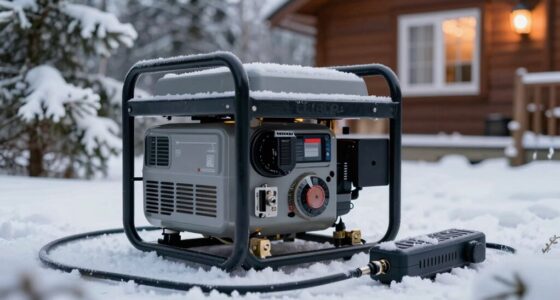

After a power outage, always inspect all electrical devices and wiring for visible damage before turning everything back on. Use caution around downed wires, fallen trees, or water near outlets, and report hazards immediately. Gradually restore power to prevent overloads and monitor equipment for any signs of malfunction. Keep emergency supplies nearby and document any damage. Following these tips can help protect you and your property — continue to learn more essential safety steps to guarantee a safe recovery.

Get backup power and energy gear delivered free with Prime
- Fast, free delivery on millions of items
- Prime Video, Amazon Music and more included
- Member-only deals all year
Key Takeaways
- Always inspect all electrical devices and wiring for damage before restoring power.
- Use caution around downed power lines and water to avoid electrical shock hazards.
- Gradually turn on devices to prevent overloads and monitor for unusual behavior.
- Keep emergency supplies accessible and know emergency procedures for quick response.
- Document any damage or issues during outage recovery for insurance and repair purposes.
Post-Outage Safety and Recovery Tips

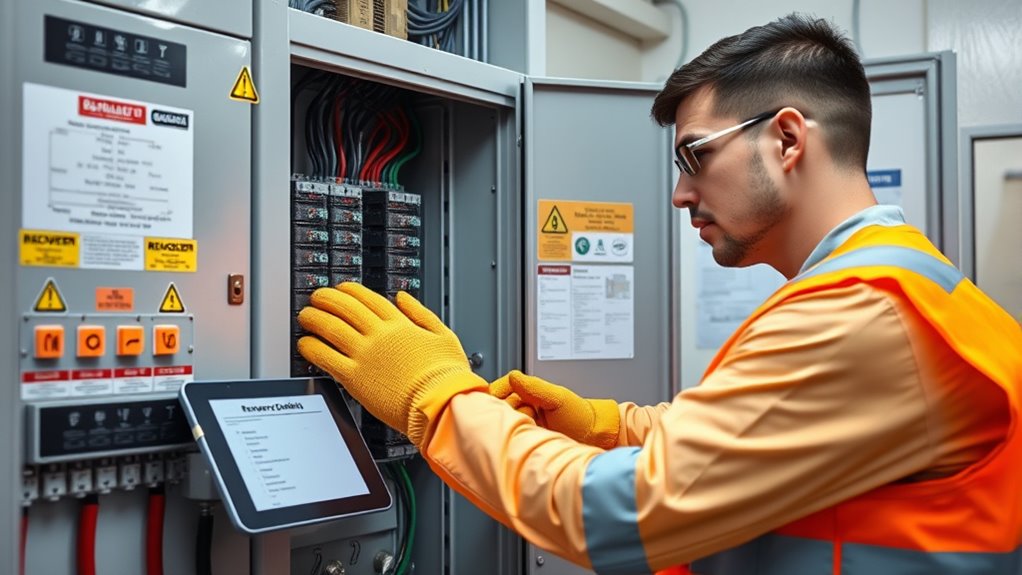
After a power outage, guaranteeing safety during recovery is essential to prevent accidents and equipment damage. The first step is to conduct a thorough equipment inspection before turning the power back on. This means checking all electrical devices, appliances, and wiring for visible damage, frayed cords, or signs of overheating. Damaged equipment can cause shorts, fires, or further electrical failure if re-energized without repair. Take the time to unplug or disconnect any damaged items and, if necessary, have a qualified electrician assess the system. Proper equipment inspection not only protects your property but also keeps everyone safe from electrical shocks or fire hazards that might arise from hidden damage. Incorporating security features during inspections can further safeguard sensitive data and prevent unauthorized access once systems are back online.
Inspect all electrical devices and wiring for damage before restoring power to ensure safety.
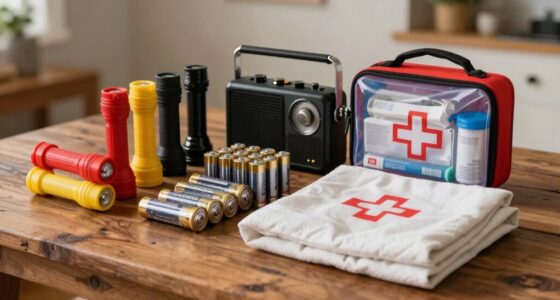
In addition to inspecting your equipment, emergency preparedness plays a critical role in the recovery process. Make sure you have a well-stocked emergency kit nearby, including flashlights, batteries, first-aid supplies, and any necessary medications. Confirm that your fire extinguisher is accessible and in working condition. Knowing how to respond quickly can prevent minor incidents from escalating into major emergencies. Keep emergency contact numbers handy, and inform family members or coworkers about safety procedures to follow during power restoration. Being prepared means you’re less likely to panic and more likely to act swiftly and correctly.
As you proceed, remember that safety extends beyond just checking equipment. Look out for potential hazards like downed power lines, fallen trees, or water accumulation near electrical outlets. Avoid touching or moving downed wires, and report them immediately to your utility company. Use caution when restoring power, especially if the outage lasted an extended period, as dust, debris, or corrosion can cause equipment to malfunction. Turn on devices gradually rather than all at once to prevent overloads or electrical surges that could damage sensitive electronics.
Finally, don’t forget to document any damage or issues encountered during the outage. Taking photos can help with insurance claims and provide useful information if repairs are needed. Once power is restored, monitor your equipment closely for unusual operation or overheating, and schedule repairs if necessary. By prioritizing equipment inspection and maintaining emergency preparedness, you markedly reduce risks during post-outage recovery. These proactive steps ensure a safer, smoother return to normalcy, giving you peace of mind and protecting your property from preventable accidents or damage.
Frequently Asked Questions
How Often Should Post-Outage Safety Drills Be Conducted?
You should conduct post-outage safety drills at least twice a year to keep your team prepared. Regular training programs reinforce safety protocols, ensuring everyone knows what to do during an outage. By practicing frequently, you reduce the risk of mistakes and improve response times. Incorporate these drills into your routine, review safety protocols, and update them as needed to maintain a high level of readiness and safety for all personnel involved.
What Are Common Overlooked Hazards During Power Restoration?
During power restoration, you often overlook circuit hazards and neglect thorough equipment inspection. These hazards can cause electric shocks or fires if not identified early. Always double-check all circuits before restoring power and inspect equipment for damage or wear. Never assume everything is safe; a quick review helps prevent accidents. Being vigilant about circuit hazards and conducting detailed inspections guarantees a safer, smoother recovery process for everyone involved.
How Can Remote Teams Ensure Safety During Outages?
While remote collaboration during outages can seem seamless, you should prioritize cybersecurity protocols to keep everyone safe. Make certain your team uses secure connections, updates software, and verifies identities before sharing sensitive info. Regularly communicate safety procedures, even virtually, and encourage reporting of any suspicious activity. By staying vigilant and following cybersecurity best practices, you protect your team’s safety and maintain operational integrity during power outages.
What’s the Best Way to Document Post-Outage Incidents?
To document post-outage incidents effectively, you should record all relevant details in incident documentation, including what happened, when, and who was involved. Conduct a thorough root cause analysis to identify underlying issues. Confirm your documentation is clear, organized, and accessible for future review. This helps improve response strategies, prevent recurrence, and facilitates accountability, making your recovery process more efficient and safer for everyone involved.
Which PPE Is Most Critical During Recovery Operations?
You might think gloves are enough, but hazard assessments show that eye protection is most critical during recovery operations. PPE like safety goggles or face shields guard against debris, chemical splashes, and sparks. Always conduct a hazard assessment first, then select the appropriate PPE to shield yourself from specific risks. Prioritizing eye protection reduces the chance of serious injury, ensuring you stay safe during the critical recovery phase.
Conclusion
So, next time the power’s out, remember: rushing in without checking could turn your recovery into a comedy of errors. Follow the safety tips like a pro—because nothing says “fun” quite like a preventable accident, right? Stay alert, stay safe, and avoid becoming the star of your own disaster movie. After all, you’ve got better things to do than fix a blown fuse… like, say, enjoying your well-earned break.
Columbus Day / Indigenous Peoples' Day Picks
long weekend sales
As an affiliate, we earn on qualifying purchases.