
TL;DR

Get backup power and energy gear delivered free with Prime
- Fast, free delivery on millions of items
- Prime Video, Amazon Music and more included
- Member-only deals all year
A homeowner’s personal server crashed unexpectedly but was restored through a combination of troubleshooting and hardware replacement. This story illustrates common issues in home server maintenance and recovery.
The owner of a personal home server successfully restored their system after a complete hardware failure, marking a significant technical recovery. This development highlights the challenges faced by DIY server users and the importance of troubleshooting skills, especially as more individuals rely on home servers for data storage and media hosting.
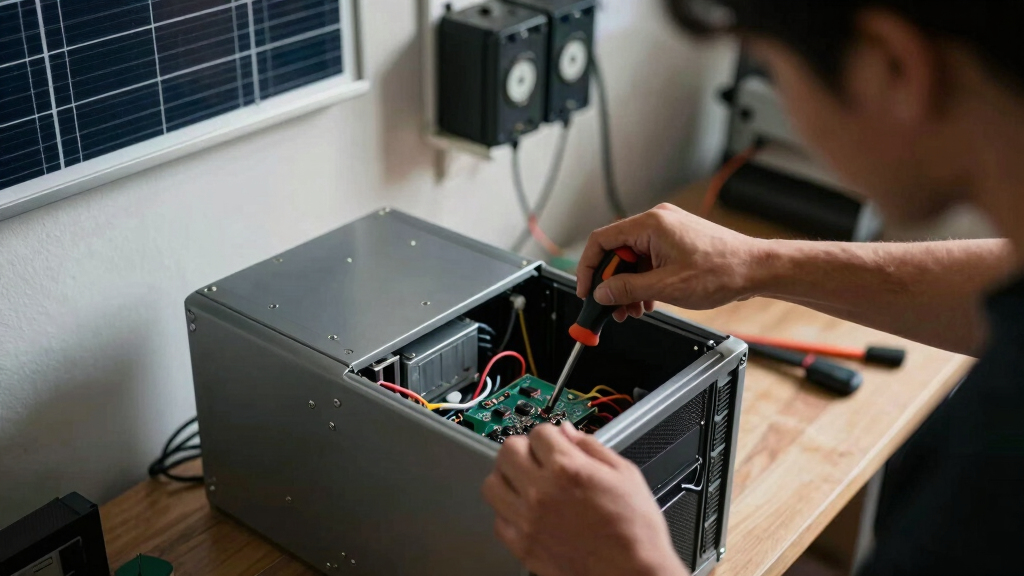
The home server, used primarily for data storage and media streaming, suffered a total hardware failure earlier this month, rendering it inoperable. The owner, who chose to document the process, identified the failure as a combination of a corrupted hard drive and a malfunctioning power supply. After diagnosing the issues, they replaced the faulty components and reconfigured the system. The recovery process involved troubleshooting hardware, reinstalling the operating system, and restoring data backups.
Sources confirm that the owner successfully brought the server back online within two weeks. The process included hardware diagnostics, ordering replacement parts, and performing system restores from backups. The owner emphasized that careful troubleshooting and preparation were key to the successful recovery, and they shared lessons learned about hardware maintenance and data backup strategies.
Why Restoring a Home Server Matters for DIY Enthusiasts
This story underscores the importance of regular maintenance, backups, and troubleshooting skills for home server owners. As more individuals depend on personal servers for critical data, understanding how to respond to hardware failures is increasingly relevant. The owner’s experience demonstrates that even total system failures can be recoverable with proper knowledge and preparation, encouraging others to develop resilience and technical competence.
Top picks for "death rebirth home"
As an affiliate, we earn on qualifying purchases.
Background on Home Server Challenges and Common Failures
Home servers are popular among tech enthusiasts for hosting media, backups, and personal data. However, they are vulnerable to hardware failures, software issues, and power problems. Previous reports indicate that hardware failures in personal servers can lead to data loss and extended downtime if not managed properly. The trend toward DIY server management makes troubleshooting skills essential for users who wish to avoid costly professional repairs or data loss.
This incident follows a broader pattern of home server failures and recoveries, emphasizing the importance of backups and hardware maintenance. The owner’s experience adds to growing community knowledge about diagnosing and fixing hardware issues in a cost-effective manner.
“It was a stressful experience, but I learned a lot about hardware troubleshooting and data recovery. Rebuilding the server was a rewarding challenge.”
— Home server owner
Remaining Questions About Long-Term System Stability
It is not yet clear how the owner will ensure long-term stability of the rebuilt server, or if additional hardware upgrades will be necessary. The durability of the new components and the effectiveness of implemented backup strategies remain to be tested over time. Details about ongoing maintenance routines are still emerging.
Future Steps for Maintaining and Securing the Home Server
The owner plans to implement a more robust backup system and schedule regular hardware checks. They also intend to share their troubleshooting process with online communities to help others facing similar issues. Monitoring the server’s performance over the coming months will determine if additional upgrades or adjustments are needed.
Key Questions
What caused the initial failure of the home server?
The failure was caused by a corrupted hard drive and a malfunctioning power supply, which led to total system inoperability.
How did the owner recover the data from the failed server?
The owner used recent backups stored on an external drive to restore data after replacing the faulty hardware components.
What lessons can other home server users learn from this experience?
Regular backups, hardware diagnostics, and proactive maintenance are essential for minimizing downtime and data loss in personal servers.
Will the owner upgrade the server hardware in the future?
They plan to upgrade components and improve backup strategies to enhance system reliability and prevent future failures.
Is this recovery process typical for home server failures?
While hardware failures are common, successful recovery depends on the owner’s technical skills, backup availability, and timely troubleshooting. This case illustrates a positive outcome achievable with proper knowledge.
Source: hn
Halloween Picks
halloween
As an affiliate, we earn on qualifying purchases.