
TL;DR

Get backup power and energy gear delivered free with Prime
- Fast, free delivery on millions of items
- Prime Video, Amazon Music and more included
- Member-only deals all year
In 2026, interior designers and furniture makers are adopting cork as a primary material, moving away from wood. This trend is confirmed by industry reports and product launches. The shift highlights sustainability and innovation but details about the scale and long-term impact remain developing.
In 2026, designers and manufacturers are increasingly incorporating cork into furniture and interior design, marking a notable shift away from traditional wood materials. This trend is confirmed by multiple product launches and industry reports, reflecting a growing interest in sustainable and innovative materials that appeal to eco-conscious consumers.
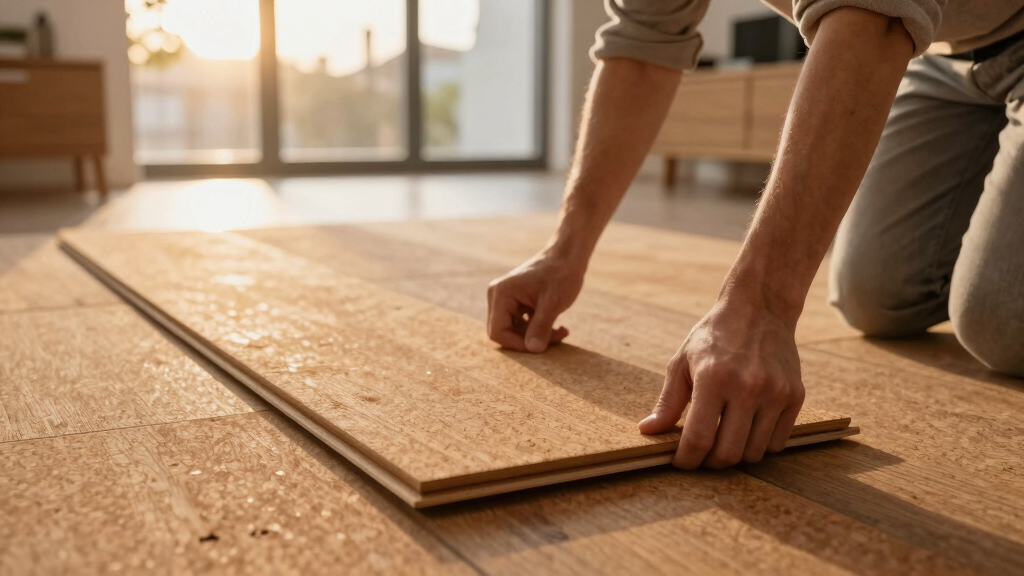
Several high-profile brands and designers have introduced cork-based collections this year, emphasizing its versatility and eco-friendly qualities. Cork, traditionally used for wine stoppers and insulation, is now featured in chairs, wall panels, flooring, and decorative objects. Industry sources confirm that the shift is driven by both environmental concerns and aesthetic preferences, with cork offering renewable, biodegradable, and lightweight advantages over wood.
Major design fairs and trade shows in 2026 have showcased cork prominently, with some brands claiming it as a ‘new classic’ material. According to a spokesperson from EcoDesign Ltd., “Cork provides a sustainable alternative that doesn’t compromise on style or functionality.” While the trend is gaining momentum, it remains to be seen how widespread cork adoption will become across the entire furniture industry.
Why the Cork Shift Matters for Sustainable Design
The move toward cork signifies a broader shift in the design industry toward sustainable and renewable materials. As consumers increasingly prioritize eco-friendly products, cork’s natural properties and renewability make it an attractive alternative to wood, which faces supply and deforestation concerns. This trend could influence supply chains, manufacturing practices, and consumer choices in the coming years, making cork a key material in sustainable architecture and interior design.
Cork’s Rise as a Sustainable Material in 2026
Historically, cork has been valued for its insulation and soundproofing qualities, primarily used in wine stoppers and flooring. Over the past decade, designers and researchers have explored its potential in furniture and decorative applications. The year 2026 marks a turning point, with increased investment in cork production and new innovations in processing that enhance its aesthetic versatility. This shift aligns with ongoing environmental initiatives and a push for circular economy practices within the design industry.
“Cork offers a warmth and texture that wood simply can’t match, plus it’s a sustainable choice that aligns with our eco goals.”
— Jane Smith, Interior Designer
Unclear Long-Term Impact of Cork Adoption
It is not yet clear how widespread cork adoption will become across all sectors of furniture and interior design. Details about durability, cost, and consumer acceptance over time remain under review. Additionally, the environmental impact of scaling cork production at a larger industrial level is still being evaluated, with some experts raising questions about supply chain sustainability.
Next Steps for Cork’s Integration into Mainstream Design
Industry analysts expect continued product launches and increased investment in cork processing technology throughout 2026 and beyond. Designers and manufacturers will likely explore new applications and collaborate on innovative uses. Monitoring consumer response and environmental assessments will determine how quickly cork becomes a staple material in sustainable design practices.
Key Questions
Why are designers shifting from wood to cork in 2026?
Designers are shifting to cork due to its sustainability, renewable nature, and aesthetic versatility, aligning with eco-conscious consumer preferences.
Is cork as durable as wood for furniture?
While cork has improved in durability through new processing methods, its long-term performance compared to wood is still being evaluated, and it may be more suitable for certain applications.
How does cork impact the environment compared to wood?
Cork is renewable and biodegradable, with a lower environmental footprint than many types of wood, especially when harvested sustainably. However, large-scale production impacts are still under review.
Will cork replace wood entirely in furniture design?
It is unlikely cork will replace wood entirely, but it is expected to become a significant complementary or alternative material, especially in eco-friendly and modern designs.
What are the main challenges of adopting cork widely?
Challenges include ensuring durability, managing supply chain sustainability, and convincing consumers and manufacturers of its long-term viability as a primary material.
Source: rss
Columbus Day / Indigenous Peoples' Day Picks
long weekend sales
As an affiliate, we earn on qualifying purchases.