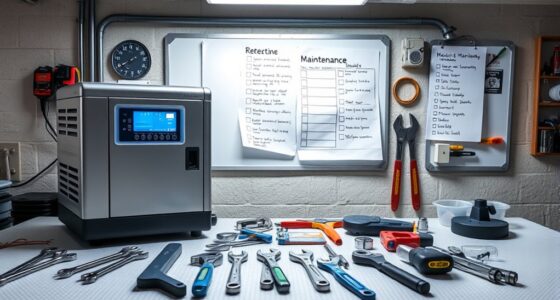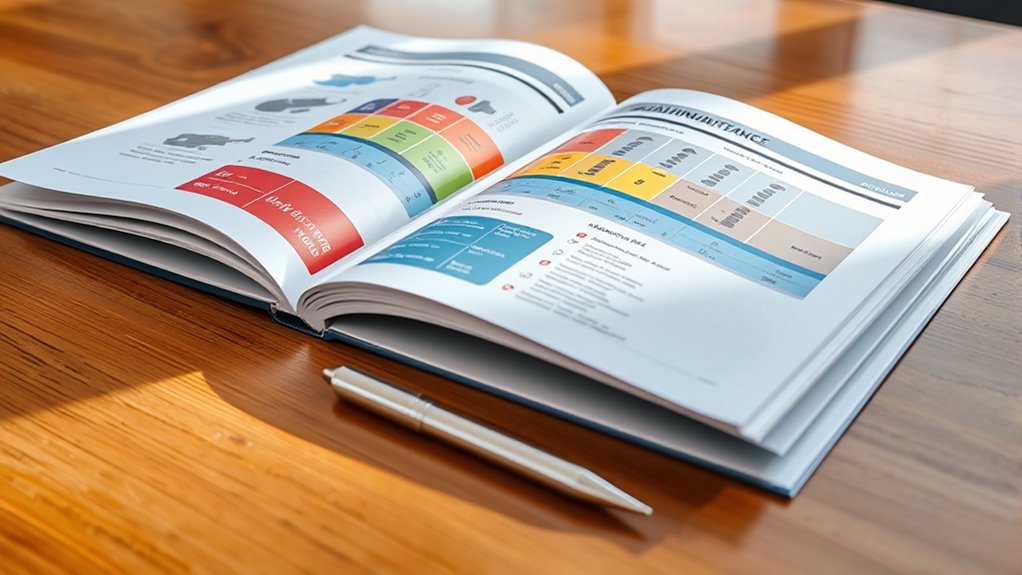

Understanding maintenance intervals and service plans helps you keep your vehicle in top shape. Maintenance intervals are mileage or time-based schedules for tasks like oil changes, tire rotations, and inspections. Service plans offer coverage options to save money and extend your car’s lifespan. Knowing the difference between major and minor services, and how often to perform them, makes car care easier. Keep this knowledge handy, and you’ll stay confident on the road—that’s just the beginning of what you’ll learn next.

Get backup power and energy gear delivered free with Prime
- Fast, free delivery on millions of items
- Prime Video, Amazon Music and more included
- Member-only deals all year
Key Takeaways
- Maintenance intervals specify recommended mileage or timeframes for services like oil changes, tire rotations, and inspections.
- Major services involve comprehensive checks and replacements, while minor services cover routine tasks like oil changes.
- Service plans offer coverage options such as extended warranties, roadside assistance, and scheduled maintenance.
- Following manufacturer-recommended intervals helps prevent breakdowns, improve performance, and reduce repair costs.
- Regular maintenance enhances vehicle safety, fuel efficiency, and environmental impact, ensuring confidence in vehicle care.
What Are Maintenance Intervals?

Maintenance intervals are the recommended periods or mileage markers when you should perform specific vehicle services. These intervals help keep your car running smoothly and prevent costly repairs. For example, an oil change is typically needed every 3,000 to 5,000 miles, depending on your vehicle and driving habits. Regularly scheduled tire rotations, usually every 6,000 to 8,000 miles, ensure even tire wear and extend their lifespan. Sticking to these intervals helps uphold ideal engine performance and safety. It’s important to follow your vehicle’s owner’s manual for precise recommendations, as neglecting these services can lead to decreased fuel efficiency, uneven tire wear, and engine issues. Consistent maintenance at proper intervals keeps your car reliable and saves money in the long run.
Understanding Service Plans and Their Benefits
Understanding your service plan options helps you choose the right coverage for your needs. Different plans offer various benefits, such as cost savings and extended vehicle life. Regular maintenance keeps your vehicle running smoothly and prevents costly repairs down the line. Being aware of recommended maintenance intervals ensures you stay on top of essential service needs.
Types of Service Plans
Have you ever wondered which service plan best fits your vehicle’s needs? There are several types to contemplate. An extended warranty offers coverage beyond the manufacturer’s original warranty, protecting you from costly repairs later on. It’s ideal if you want peace of mind for the long haul. Roadside assistance is another popular option, providing help if you experience a breakdown, flat tire, or other emergencies on the road. Some plans combine both, giving you all-encompassing support and protection. Others may focus solely on scheduled maintenance, which helps keep your vehicle running smoothly. Understanding these options helps you choose a plan tailored to your driving habits and budget. Passive voice detection tools can assist in improving your writing by identifying and correcting passive constructions. Whether you prefer added security or convenience, knowing the different types ensures you get the right coverage for your vehicle.
Advantages of Regular Maintenance
Regular maintenance keeps your vehicle running reliably and can save you money in the long run. It improves fuel efficiency, helping you spend less on gas, and reduces environmental impact by minimizing emissions. Consistent service prevents major repairs, ensuring your car stays in top shape.
Here’s how regular maintenance benefits you:
| Benefit | Description | Impact |
|---|---|---|
| Improved Fuel Efficiency | Keeps engine running smoothly, consuming less fuel | Saves you money on fuel |
| Reduced Environmental Impact | Lower emissions and cleaner operation | Less pollution |
| Fewer Repairs | Prevents costly breakdowns | Saves time and money |
Sticking to a service plan makes your vehicle more dependable and eco-friendly.
Common Terms in Vehicle Maintenance Schedules
Ever wondered what those common terms in vehicle maintenance schedules actually mean? An oil change is when you replace your engine oil to keep it running smoothly and prevent wear. It’s typically recommended every few thousand miles, depending on your vehicle and driving habits. Tire rotation involves switching your tires from front to back, or side to side, to promote even wear and extend their lifespan. This service helps maintain proper traction and safety. Other terms you might see include inspection, which involves checking various parts for wear or damage, and fluid flushes, which clean out old fluids like coolant or brake fluid. Understanding these terms helps you follow your vehicle’s maintenance plan confidently, ensuring your car stays reliable and safe on the road. Incorporating industry transformations like AI automation can also help streamline maintenance scheduling and diagnostics, making vehicle care more efficient.
How Often Should You Service Your Car?
Knowing how often to service your car depends on recommended intervals, which can vary based on your vehicle and driving habits. Factors like climate, mileage, and road conditions also influence the ideal schedule. Watch for signs like warning lights or unusual sounds to guarantee your car stays in top shape. Regular maintenance helps prevent issues caused by debris buildup, ensuring optimal performance.
Recommended Service Intervals
Understanding how often to service your car is essential for keeping it running smoothly and avoiding costly repairs. Most vehicles need an oil change every 3,000 to 5,000 miles, but check your owner’s manual for specific recommendations. Regularly scheduling a tire rotation every 6,000 to 8,000 miles helps ensure even tire wear and prolongs tire life. These routine services keep your engine and tires in good condition, preventing issues before they become expensive problems. Besides these, other components like filters and fluids should be checked at recommended intervals. Sticking to these schedules helps maintain peak performance and fuel efficiency. Additionally, inspecting essential fluids such as oil and coolant regularly can prevent engine overheating and damage. Remember, following your manufacturer’s recommended service intervals is the best way to keep your car reliable and safe on the road.
Factors Affecting Schedule
Several factors influence how often you should service your car, making it essential to tailor maintenance schedules to your vehicle’s specific needs. Age factors, like the car’s age, can impact parts wear and fluid deterioration. Driving habits also play a role; frequent short trips or aggressive driving can increase wear and reduce service intervals. To understand these influences, consider this:
| Factor | Effect on Schedule | Recommended Action |
|---|---|---|
| Age of vehicle | Older cars need more frequent maintenance | Check fluids often |
| Driving style | Aggressive driving accelerates wear | Service based on usage |
| Trip length | Short trips cause quicker fluid degradation | Increase inspection frequency |
| Road conditions | Rough terrain causes more wear | Adjust schedule accordingly |
| Maintenance history | Poor history may require more frequent service | Follow manufacturer’s advice |
Additionally, using a synthetic oil can help extend service intervals by providing better lubrication and protection.
Signs You Need Service
Your car will give you warning signs when it needs maintenance, so paying attention to these signals helps prevent breakdowns and costly repairs. Watch for warning lights on your dashboard, which can indicate issues like low oil pressure or engine trouble. Unusual noises, such as squealing brakes or grinding gears, also signal that something’s wrong. If your vehicle starts vibrating or runs rough, it’s time to check it out. Don’t disregard these signs—addressing them early can save you money and extend your car’s lifespan. Regularly monitoring warning lights and listening for unusual noises ensures you stay ahead of potential problems. Staying alert to these signs helps you know when your car needs servicing and keeps you safe on the road. Additionally, understanding maintenance intervals and service plans can help in scheduling timely check-ups to maintain optimal vehicle performance.
Key Maintenance Tasks at Different Intervals
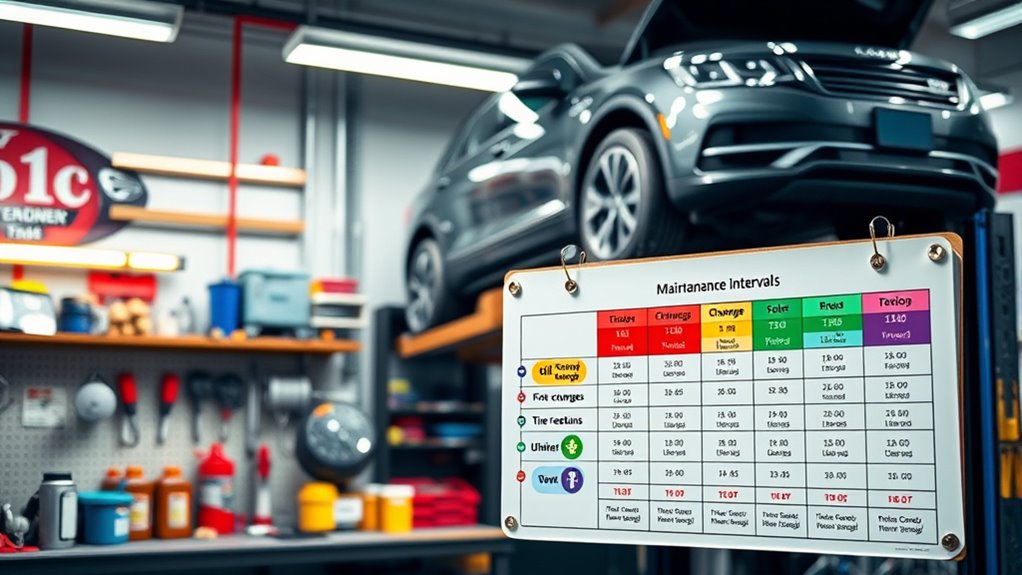
Regularly scheduled maintenance tasks vary depending on the vehicle’s usage and manufacturer recommendations, but knowing what to check at specific intervals helps prevent costly repairs and guarantees safety. For example, an oil change is typically required every 3,000 to 5,000 miles, depending on your driving conditions, to keep the engine running smoothly. Tire rotation is usually recommended every 6,000 to 8,000 miles to promote even tire wear and extend tire life. These tasks are essential at different intervals to ensure your vehicle remains reliable and safe. Staying on top of these key maintenance tasks prevents breakdowns, improves fuel efficiency, and reduces long-term repair costs. Regularly inspecting and performing these basic services helps you maintain confidence in your vehicle’s performance.
The Role of Mileage and Time in Maintenance Planning
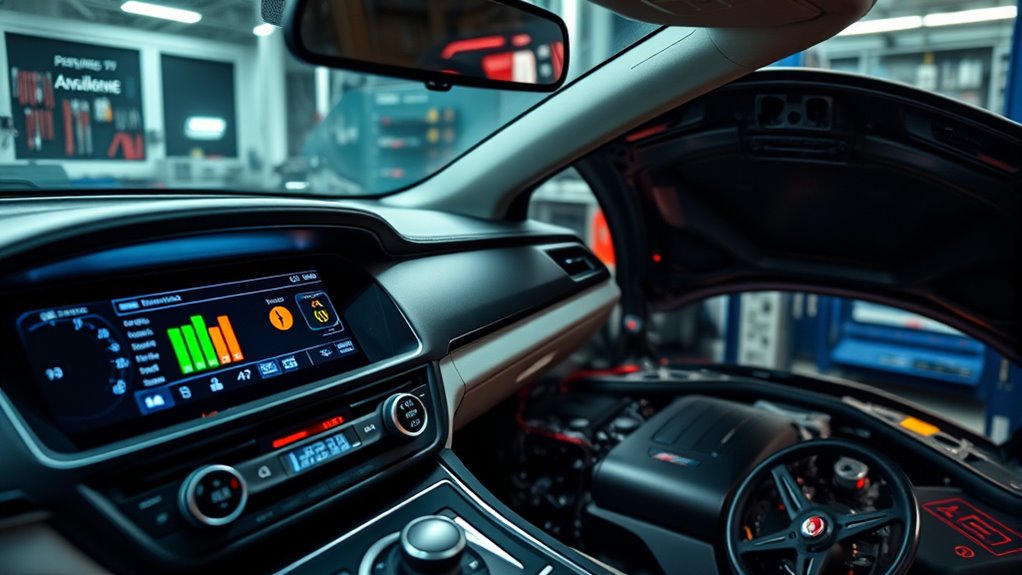
Mileage and time both play crucial roles in planning vehicle maintenance, as they influence when certain services should be performed. You need to monitor mileage milestones and adhere to time-based scheduling to keep your vehicle in top shape. For example, some tasks like oil changes are recommended every 5,000 miles or six months, whichever comes first. Others, such as replacing filters, depend on both usage and elapsed time. Understanding this balance helps prevent breakdowns and extends your vehicle’s lifespan. Here’s a quick guide:
| Mileage Milestone | Time-Based Scheduling | Key Maintenance Focus |
|---|---|---|
| 5,000 miles | 6 months | Oil and filter change |
| 10,000 miles | 12 months | Tire rotation |
| 20,000 miles | 24 months | Brake inspection |
| 30,000 miles | 36 months | Fluid replacements |
Maintaining a regular schedule based on these maintenance intervals ensures your vehicle remains reliable and safe.
Differentiating Between Major and Minor Services
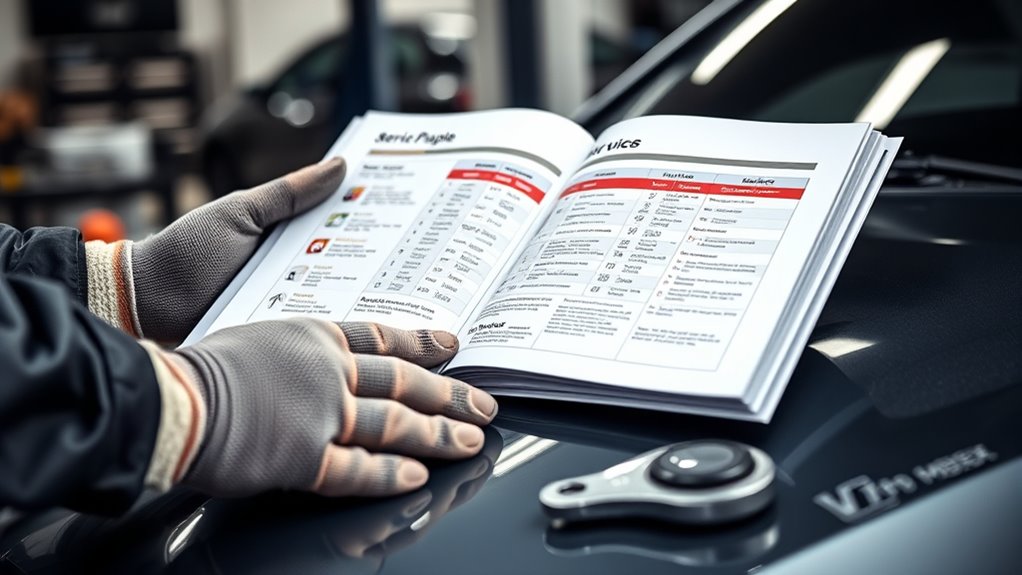
Understanding the difference between major and minor services helps you schedule maintenance effectively. Minor services usually include simple tasks like an oil change and tire rotation, which keep your vehicle running smoothly between larger checkups. Major services involve more *thorough* inspections and repairs, such as replacing filters, spark plugs, or timing belts. Being aware of the maintenance intervals recommended by manufacturers can help you plan these services better.
Tips for Staying on Top of Your Vehicle’s Care

Keeping your vehicle in top condition requires proactive attention and consistent habits. One key tip is scheduling regular oil changes; this keeps your engine running smoothly and prevents costly repairs. Don’t forget about tire rotation, which helps ensure even tire wear and extends their lifespan. Check your owner’s manual for recommended intervals, and set reminders to stay on track. Keep an eye on fluid levels and tire pressure regularly, as these small checks can prevent bigger issues. Staying organized with a maintenance log helps you track completed services and upcoming needs. By sticking to a routine and addressing issues early, you maintain safety, improve fuel efficiency, and save money in the long run. Consistency is your best tool for keeping your vehicle reliable and performing at its best. Silly tantrums during family photoshoots often add humor and memorable moments to the session.
Frequently Asked Questions
How Do Driving Habits Affect Maintenance Intervals?
Your driving style directly impacts maintenance frequency. If you accelerate or brake hard often, your vehicle experiences more strain, leading to quicker wear and tear. Frequent short trips can also cause engine and transmission issues, requiring more regular servicing. Conversely, smooth, steady driving helps extend maintenance intervals. Pay attention to how you drive, and you can optimize your maintenance schedule, saving time and money while keeping your vehicle in better shape longer.
Are Maintenance Plans Customizable for Different Vehicle Types?
Think of maintenance plans like a tailor-made suit—designed to fit your vehicle perfectly. Yes, these plans are customizable for different vehicle types, offering plan flexibility that adapts to your car’s specific needs. For example, a sports car may require more frequent oil changes, while an SUV needs different tire rotations. Your service provider can help you tailor a plan that suits your vehicle’s unique requirements, ensuring peak performance and longevity.
What Are Signs My Car Needs Immediate Servicing?
If your car makes strange noises, pulls to one side, or the check engine light turns on, it’s time for immediate servicing. You should also get an oil change and tire rotation if you notice decreased performance or uneven tire wear. Don’t ignore warning signs like vibrations or burning smells. Addressing these issues promptly helps prevent costly repairs and keeps your vehicle running smoothly.
How Do Weather Conditions Influence Maintenance Schedules?
Think of your car like a garden—climate impact and seasonal variations shape its needs. Cold winters can thicken fluids, making engine parts work harder, while summer heat accelerates tire wear. You should adjust maintenance schedules accordingly—more frequent oil changes in winter and tire checks before summer trips. By respecting weather conditions, you maintain your vehicle running smoothly and avoid costly repairs, just like tending a garden ensures healthy growth year-round.
Can Skipped Maintenance Affect Vehicle Resale Value?
Skipping maintenance can greatly impact your vehicle’s resale value. When you neglect regular service, it may lead to costly repairs and diminished performance, making your car less attractive to buyers. Maintenance impact is evident in the vehicle’s overall condition and documented service history, which buyers scrutinize. By staying consistent with maintenance, you preserve your car’s value and ensure it remains appealing, ultimately helping you get a better resale price.
Conclusion
Think of your car as a garden that needs regular tending. With each maintenance interval, you’re watering and weeding to make sure it thrives. Staying on top of your service plan is like nurturing a lush landscape—miss a few sessions, and weeds take over. By understanding these intervals and tasks, you’re cultivating a reliable, confident ride. Keep up with your maintenance, and your vehicle will flourish, ready to take you wherever you dream to go.
Columbus Day / Indigenous Peoples' Day Picks
long weekend sales
As an affiliate, we earn on qualifying purchases.