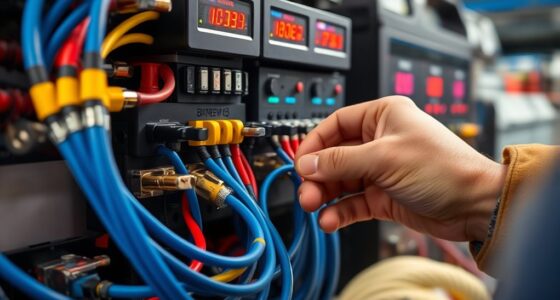

Battery chargers and keep-alive systems for generators often drain energy silently, increasing your costs and shortening equipment lifespan if left unchecked. Continuous power use from inefficient chargers, corroded connections, or outdated tech leads to frequent charges and hidden expenses. To cut these costs, optimize charging cycles, choose energy-efficient devices, and perform regular maintenance. Smart monitoring can also help track and reduce unnecessary energy waste—continue exploring to find effective ways to save more.
Key Takeaways
- Continuous idle power from keep-alive systems wastes energy and accelerates battery aging.
- Inefficient chargers cause frequent cycles, increasing replacement costs and reducing battery lifespan.
- Hidden energy drains from corroded connections and parasitic loads raise operational expenses.
- Lack of regular maintenance and monitoring leads to undetected inefficiencies and potential damage.
- Upgrading to energy-efficient chargers and implementing smart controls can significantly reduce hidden costs.
Understanding the Role of Battery Chargers and Keep-Alive Systems
Battery chargers and keep-alive systems play a crucial role in maintaining the reliability of generators and electronic equipment. They guarantee your batteries stay charged and ready to supply power when needed. Understanding battery chemistry helps you recognize how different types of batteries respond to charging, affecting longevity and performance. Proper voltage regulation is essential; it prevents overcharging or undercharging, which can damage batteries or reduce efficiency. Chargers monitor voltage levels continuously, adjusting their output to match the specific battery chemistry. Keep-alive systems maintain minimal power to critical components, preventing system resets or failures during outages. Both proper charging practices and offensive security strategies are essential in maintaining system integrity. By managing both battery chemistry and voltage regulation carefully, you can reduce maintenance costs, improve system reliability, and extend your equipment’s lifespan.
Common Hidden Energy Drains in Generator Setups
While properly maintained chargers and keep-alive systems help keep your equipment running smoothly, hidden energy drains in your generator setup can undermine their effectiveness. These drains can shorten your battery lifespan and reduce charging cycles, leading to unexpected failures. Common hidden energy drains include:
- Parasitic loads—small appliances or sensors that draw power even when idle.
- Constant power draw from keep-alive systems that stay active 24/7, consuming unnecessary energy.
- Corroded or loose connections that cause inefficient charging and increased energy loss.
Identifying these drains helps you optimize your setup, preserve battery health, and extend the overall lifespan of your generator system. Regular maintenance and monitoring are essential to prevent hidden energy waste.
How Continuous Power Consumption Affects Operating Costs
Continuous power consumption in your generator setup steadily increases operating costs, even when the equipment isn’t actively in use. This ongoing drain impacts battery lifespan and threatens power stability. Over time, batteries endure more cycles and degrade faster, leading to more frequent replacements. Additionally, the constant draw adds to your energy bills, reducing overall efficiency. Understanding these costs helps you optimize your setup. Here’s a quick comparison:
| Power Usage Level | Battery Lifespan Impact | Cost Implication |
|---|---|---|
| Low (Standby) | Minimal wear | Low |
| Moderate | Accelerated aging | Moderate |
| High | Rapid degradation | High |
Being aware of vetted products and proper maintenance can further minimize these hidden expenses.
The Impact of Inefficient Charging Technologies
Inefficient charging technologies can considerably worsen the costs associated with maintaining your generator system. They often lead to more frequent charging cycles, which wear down your batteries faster. This decreases battery lifespan and increases replacement costs. Poorly designed chargers can cause inconsistent charging, damaging your batteries over time.
To avoid these issues, consider:
- Investing in high-quality chargers that optimize charging cycles, extending battery life.
- Monitoring charging patterns to prevent overcharging and unnecessary cycles.
- Using technology that adjusts charging based on battery condition, reducing strain and prolonging lifespan.
Signs Your System May Be Wasting Power Unnecessarily

If your generator or charger system consumes more power than necessary, you’ll notice certain warning signs that indicate inefficiency. One key sign is a reduced battery lifespan, which can result from constant overcharging or poor voltage regulation. If your batteries seem to need replacement more frequently, it’s a sign your system isn’t operating best. Additionally, inconsistent voltage regulation can cause fluctuations that waste energy and strain your equipment. You might also observe your system running longer than expected or overheating components, both signs of unnecessary power consumption. These issues often stem from outdated or faulty charging and keep-alive settings. Regularly reviewing and adjusting your system’s settings and configurations can help optimize performance and prevent power waste. Recognizing these signs early helps you address potential power waste, saving money and extending your system’s overall efficiency.
Strategies to Minimize Unwanted Energy Use

To reduce unwanted energy use in your generator or charger system, start by optimizing your settings and components. This helps extend your battery lifespan and reduces environmental impact. Here are three effective strategies:
- Adjust charging cycles to match your actual usage, avoiding overcharging and unnecessary power drain.
- Use timers or smart controls to limit keep-alive power when your system isn’t in use.
- Upgrade to energy-efficient chargers designed to minimize idle power consumption while maintaining battery health.
- Regularly assess and incorporate energy-saving practices to ensure your system remains optimized and environmentally friendly.
Implementing these steps guarantees your system operates more efficiently, cutting down on wasted energy and prolonging your battery’s life. By doing so, you not only save money but also contribute to a lower environmental impact, making your setup more sustainable.
Selecting Energy-Efficient Chargers and Keep-Alive Devices
Choosing energy-efficient chargers and keep-alive devices can considerably reduce your system’s power waste. Look for models designed with low standby power consumption and high efficiency ratings. These devices better support renewable energy sources by minimizing unnecessary energy draw, making it easier to integrate clean power into your system. When selecting chargers, prioritize those with smart features that adjust their operation based on load and energy availability, optimizing grid integration. Efficient keep-alive devices should maintain essential functions without excessive energy use during idle periods. By choosing equipment with these qualities, you not only cut costs but also enhance sustainability. Incorporating principles from sound design can help you develop more effective and efficient energy management strategies. Investing in energy-efficient options helps your system operate more reliably, reduces hidden costs, and promotes a greener energy future.
Regular Maintenance Tips to Reduce Hidden Costs
Regular maintenance of your battery chargers and keep-alive devices plays a vital role in minimizing unexpected expenses. Proper upkeep helps extend the battery lifespan and prevents costly issues like power surges. To stay ahead, consider these tips:
- Inspect connections regularly to ensure they’re secure and free of corrosion, which can cause inefficiencies and damage.
- Test and calibrate chargers periodically to avoid overcharging or undercharging, both of which shorten battery life.
- Keep devices clean and dust-free to prevent overheating and reduce the risk of power surges that can damage equipment.
- Staying informed about the latest advancements, such as AI in mobile devices, can help you choose more reliable chargers and avoid hidden costs associated with outdated technology.
Implementing Smart Monitoring for Cost Savings
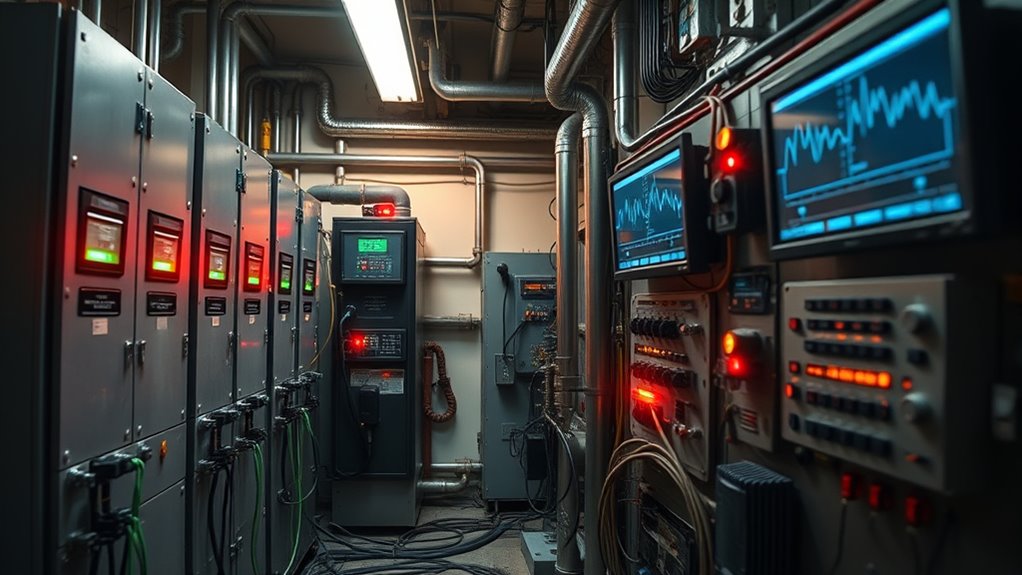
By implementing smart monitoring systems, you can considerably reduce hidden costs associated with battery chargers and keep-alive devices. These systems allow you to track real-time data on battery capacity, ensuring you don’t overcharge or underutilize your batteries, which can lead to unnecessary expenses. Monitoring power factor helps optimize energy efficiency, preventing waste caused by poor power quality. Smart monitors alert you to potential issues before they escalate, such as declining battery capacity or inefficiencies in power usage. By analyzing this data, you can adjust charging cycles, improve system performance, and avoid costly replacements. Additionally, integrating Hydrogen fuel cells into your energy management can provide a cleaner, more sustainable backup power solution, further reducing operational costs. Implementing these technologies streamlines maintenance, reduces energy waste, and prolongs equipment lifespan, ultimately saving you money and improving overall operational efficiency.
Frequently Asked Questions
How Do Ambient Temperature Fluctuations Influence Charger Efficiency?
Ambient temperature fluctuations impact charger efficiency because temperature sensitivity affects how well thermal regulation manages heat. When temperatures rise, chargers may overheat, reducing efficiency or causing damage. Conversely, cold conditions can impair battery performance and slow charging. To avoid these issues, make certain of proper thermal regulation by using chargers designed for variable environments. Maintaining a stable temperature helps optimize charger performance and prolongs the lifespan of your equipment.
Can Certain Charger Types Cause Long-Term Damage to Generator Batteries?
Certain charger types can cause long-term damage to your generator batteries if they aren’t compatible. Improper chargers accelerate battery degradation, increase the risk of overcharging, and reduce overall lifespan. You must prioritize charger compatibility, monitor charging cycles, and select chargers designed for your battery’s specifications. By doing so, you protect your batteries from unnecessary wear, maintain their performance, and extend their usable life.
What Are the Best Practices for Integrating Smart Energy Management Systems?
To integrate smart energy management systems effectively, you should prioritize connecting to a smart grid and enabling demand response features. This allows you to optimize energy use, reduce costs, and improve efficiency. Make sure your system communicates seamlessly with your generator and battery setup. Regularly monitor performance, and adjust settings based on real-time data to maximize savings and extend equipment lifespan.
How Does Load Variation Impact Hidden Energy Consumption?
Load variation causes energy fluctuations that can increase hidden energy consumption. When your system experiences load instability, it may activate additional chargers or keep-alive functions unnecessarily, wasting power. Maintaining load stability minimizes these fluctuations, helping you reduce hidden costs. By monitoring and managing load changes proactively, you can prevent unnecessary energy use, optimize equipment operation, and save money on your overall energy expenses.
Are There Specific Certifications to Look for in Energy-Efficient Chargers?
You should look for chargers with certification standards like ENERGY STAR or other recognized efficiency labels. These certifications guarantee the charger meets strict energy efficiency criteria, helping you save on electricity costs and reduce environmental impact. Always check for clear labeling, and prefer models that have been independently tested. Choosing certified chargers guarantees you’re investing in products designed for peak energy use, making your setup more cost-effective and eco-friendly.
Conclusion
By paying close attention to your battery chargers and keep-alive systems, you could save enough energy to power a small city. Don’t let hidden costs drain your budget like a relentless hurricane—stay vigilant, choose efficient technology, and maintain your system regularly. With smart monitoring and mindful practices, you’ll keep your energy bills in check and your equipment running smoothly. Take control today, and turn hidden costs into clear savings before they become a tidal wave!