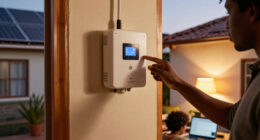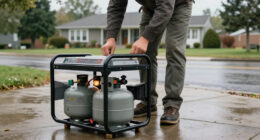
To guarantee safety from carbon monoxide, install detectors on every home level, especially near bedrooms, and keep appliances well-maintained. Regularly inspect vents, chimneys, and flues to prevent blockages that can cause CO buildup indoors. Make sure appliances are properly vented and operate as per manufacturer instructions, avoiding rust or damage. Proper venting and regular checks are vital. Continuing further will help you understand essential venting and safety practices to protect your home effectively.

Get backup power and energy gear delivered free with Prime
- Fast, free delivery on millions of items
- Prime Video, Amazon Music and more included
- Member-only deals all year
Key Takeaways
- Install CO detectors on every home level, especially near sleeping areas, and keep them at recommended heights and distances from appliances.
- Regularly inspect and maintain heating systems, water heaters, and appliances to prevent CO leaks and ensure proper venting.
- Ensure vents, chimneys, and flues are clear of obstructions like debris, nests, or snow for effective venting.
- Follow manufacturer guidelines for appliance operation, maintenance, and safe venting practices to reduce CO buildup.
- Test detectors regularly and replace them according to manufacturer instructions to ensure reliable CO detection.
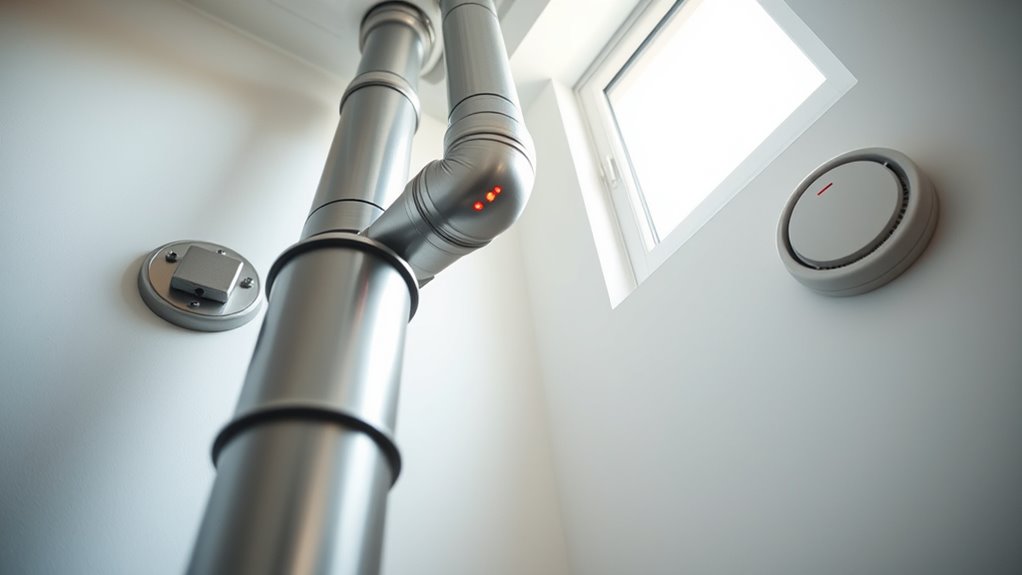
Have you ever considered how dangerous carbon monoxide (CO) can be if left unchecked? This colorless, odorless gas can silently cause serious health issues or even death if it accumulates in your home. The key to preventing tragedy lies in proper carbon monoxide safety measures, especially around detectors placement and appliance maintenance. You need to be strategic in where you install detectors and diligent about maintaining your appliances to keep CO levels safe.
When it comes to detectors placement, you should install CO detectors on every level of your home, especially near sleeping areas. Place them outside bedrooms and in hallways leading to sleeping spaces so that you’re alerted promptly if CO levels rise while you sleep. Avoid installing detectors in garages or near heating vents, as false alarms can occur. Keep them at least 15 feet away from fuel-burning appliances to prevent false readings caused by normal appliance operation. Remember, detectors should be mounted at least 1.5 to 5 feet above the floor, depending on the manufacturer’s instructions, to ensure accurate detection of CO that tends to rise with warm air. Regular maintenance and proper placement of detectors are crucial to effective carbon monoxide detection.
Proper appliance maintenance is just as critical. Regularly inspect and service your heating systems, water heaters, stoves, and fireplaces. Faulty or poorly maintained appliances can produce dangerous levels of CO. Make sure vents, chimneys, and flues are clear of obstructions like debris, bird nests, or snow, which can cause CO to back up into your home. Schedule professional inspections at least once a year to catch issues early. Additionally, always follow the manufacturer’s guidelines for usage and maintenance, and never operate appliances that show signs of damage, rust, or corrosion. Proper upkeep reduces the risk of leaks and ensures your appliances operate efficiently and safely.
Frequently Asked Questions
How Often Should Carbon Monoxide Detectors Be Replaced?
You should replace your carbon monoxide detectors every five to seven years, following the recommended replacement schedule. Regular detector maintenance, including testing monthly and changing batteries annually, helps guarantee they work properly. Even if they seem to function, the sensors can weaken over time. Keep track of the installation date, and when it’s time, replace your detectors promptly to stay protected and ensure reliable detection of CO leaks.
Can Household Plants Help Reduce Carbon Monoxide Levels?
Think of household plants as silent guardians in your home, symbolizing nature’s quiet strength. They can help improve indoor air quality through houseplant purification, but they aren’t a reliable shield against carbon monoxide. While they add freshness and may reduce some pollutants, they can’t substantially lower carbon monoxide levels. Rely on proper ventilation and detectors for safety, and enjoy your plants as a beautiful complement to a healthy home environment.
Are There Specific Ventilation Methods for Different Heating Appliances?
Yes, different heating appliances require specific venting methods to guarantee safe operation. For example, gas furnaces need proper appliance venting through chimneys or vents, while electric heaters don’t require venting. You should focus on maintaining good indoor air circulation by ensuring vents are unobstructed and regularly inspected. This helps prevent carbon monoxide buildup and ensures the appliance operates efficiently, keeping your home safe and comfortable.
What Are the Signs of Carbon Monoxide Poisoning?
You should be aware of symptoms like headaches, dizziness, nausea, and confusion, which may indicate carbon monoxide poisoning. If you notice these signs, act quickly by moving to fresh air and calling emergency services. Your awareness of these symptoms can save lives, so don’t delay your emergency response. Prompt action is vital to prevent serious health consequences, so stay alert and prioritize safety whenever you suspect CO exposure.
How Does Outdoor Air Quality Affect Indoor CO Safety?
Did you know outdoor pollution can increase indoor CO risks by up to 50%? Poor outdoor air quality directly impacts indoor CO safety because contaminants like vehicle emissions and industrial pollutants can seep inside. Effective air filtration systems help reduce this danger by filtering out outdoor pollutants. When outdoor air quality drops, it’s vital to guarantee proper ventilation and maintain your carbon monoxide detectors to keep indoor air safe.
Conclusion
Remember, neglecting carbon monoxide safety is like inviting an invisible, odorless ninja into your home—quiet, deadly, and impossible to spot until it’s too late. So, vent those fumes, install detectors, and don’t be the hero who learns the hard way that silent killers aren’t just villains in movies. Stay alert, stay alive, and keep your home a fortress against this sneaky threat—because nobody wants to host an uninvited, deadly guest.
Columbus Day / Indigenous Peoples' Day Picks
long weekend sales
As an affiliate, we earn on qualifying purchases.