
TL;DR

Get backup power and energy gear delivered free — and shop member deals
- Fast, free delivery on millions of items
- Access to Prime Big Deal Days deals on October 6–7
- Prime Video, Amazon Music and more included
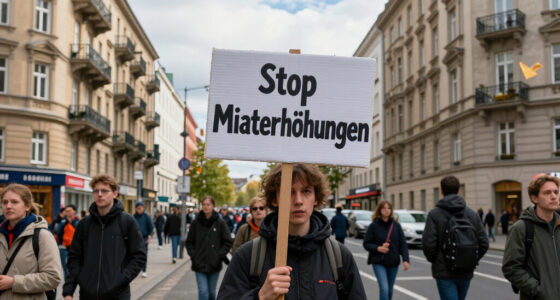
Thousands of protesters gathered outside Maricarmen’s Madrid residence during her eviction, which is currently underway. The event has drawn significant public attention and protests, highlighting broader housing issues in Madrid.
Maricarmen’s eviction in Madrid is currently underway, with authorities actively removing her from her home while thousands of protesters gather outside in opposition. The eviction, which has drawn widespread attention, is taking place amid mounting protests and public concern over housing rights in the city.
The eviction process began early this morning at Maricarmen’s residence in Madrid, with police present to enforce the court order. Thousands of protesters have assembled outside her home, chanting slogans and blocking access to the property, according to live reports from on-the-ground sources. The event has become a focal point for broader debates on housing affordability and tenants’ rights in Madrid, where recent policies and economic pressures have increased tensions.
Authorities confirmed that the eviction is proceeding as scheduled, citing legal court orders obtained earlier this week. However, the exact number of police officers involved and the duration of the eviction remain uncertain. The protests have grown in size, with reports indicating that hundreds of residents and activists have traveled from across Madrid to support Maricarmen and oppose the eviction.
Legal representatives for Maricarmen have stated she has been offered alternative housing options, but she has refused them, citing personal reasons and safety concerns. The local government and the Ayuso administration have not issued official statements addressing the protests or the eviction process directly, focusing instead on procedural compliance.
Implications of the Madrid Eviction Protest
This live eviction and the protests surrounding it highlight ongoing tensions over housing rights in Madrid, where rising property prices and limited affordable housing have led to increased social unrest. The event underscores the broader debate about how authorities balance legal eviction procedures with public sentiment and social justice concerns. The large-scale protest signals a significant level of public dissatisfaction with housing policies, potentially influencing future policy discussions and political pressures in the city.
Background of Housing Tensions in Madrid
Madrid has experienced a surge in housing prices over the past few years, driven by increased demand, speculation, and limited new construction. This has led to a rise in eviction cases, especially affecting low-income residents and vulnerable populations. Recent protests and legal actions have brought attention to the issue, with activists demanding greater protections for tenants and more affordable housing solutions.
Maricarmen’s case is not isolated; it is part of a broader pattern of eviction disputes in Madrid, which have often resulted in public demonstrations. The current eviction gained particular attention due to the large protests and the symbolic significance of her residence, which has become a rallying point for housing advocates.
While authorities maintain that legal procedures are being followed, critics argue that the process exposes systemic issues in Madrid’s housing market and legal system, fueling public unrest and calls for policy reform.
Unconfirmed Details and Ongoing Developments
It is not yet clear how long the eviction will take or whether authorities will face further resistance from protesters. The exact number of police involved and the potential for escalation remain uncertain. Additionally, the response from local officials and whether they will address protesters’ demands or intervene further is still unknown.
Next Steps in the Eviction and Protest Response
The eviction is expected to continue until completion, with live updates indicating ongoing police activity. Authorities may choose to escalate or de-escalate based on protest movements, and further protests could occur if tensions rise. Legal and political responses are also anticipated, including potential negotiations or public statements from government officials.
Key Questions
Why is Maricarmen’s eviction so controversial?
The eviction has become a symbol of broader housing issues in Madrid, with protests reflecting public concern over affordability, tenant rights, and government policies. Supporters see her case as part of systemic injustices, while authorities emphasize legal compliance.
What are the protesters demanding?
Protesters are calling for a halt to evictions, increased affordable housing, and greater protections for tenants. Many see the eviction as unjust and symbolic of wider social inequalities.
Has the government made any statement about the eviction?
So far, local officials and the Ayuso administration have not issued detailed comments. They have focused on procedural adherence, with some officials suggesting the eviction is a legal matter.
Could the eviction be delayed or stopped?
It remains uncertain. While legal avenues exist to delay or appeal, authorities have indicated they will proceed as scheduled unless new developments occur.
What is the significance of the protest outside her home?
The protest has become a rallying point for housing rights advocates and reflects wider public dissatisfaction with housing policies in Madrid. It signals potential for ongoing social unrest if issues remain unaddressed.
Source: local
Fall Picks
fall essentials
As an affiliate, we earn on qualifying purchases.