
Your natural gas supply starts with a connection between underground pipelines and your home’s service line, established by qualified utility technicians. They follow strict safety protocols to guarantee a secure and reliable link, including leak testing and pressure checks before activation. This process helps prevent hazards and ensures continuous flow of gas to your appliances. To learn more about maintaining safe and efficient connections, keep exploring how these systems are carefully managed and monitored.
Play games included with Prime
Start a Prime free trial and play with Amazon Luna on your devices.
As an affiliate, we earn on qualifying purchases.
Key Takeaways
- Utility interconnection involves connecting the local gas pipeline network to individual customer service lines.
- Proper procedures include pressure testing, leak detection, and safety checks before activation.
- Regulatory standards ensure safe construction, operation, and regular maintenance of interconnection points.
- Continuous monitoring and inspections maintain system integrity and prevent hazards.
- Safety protocols and compliance guarantee reliable, safe natural gas supply to residential and commercial users.
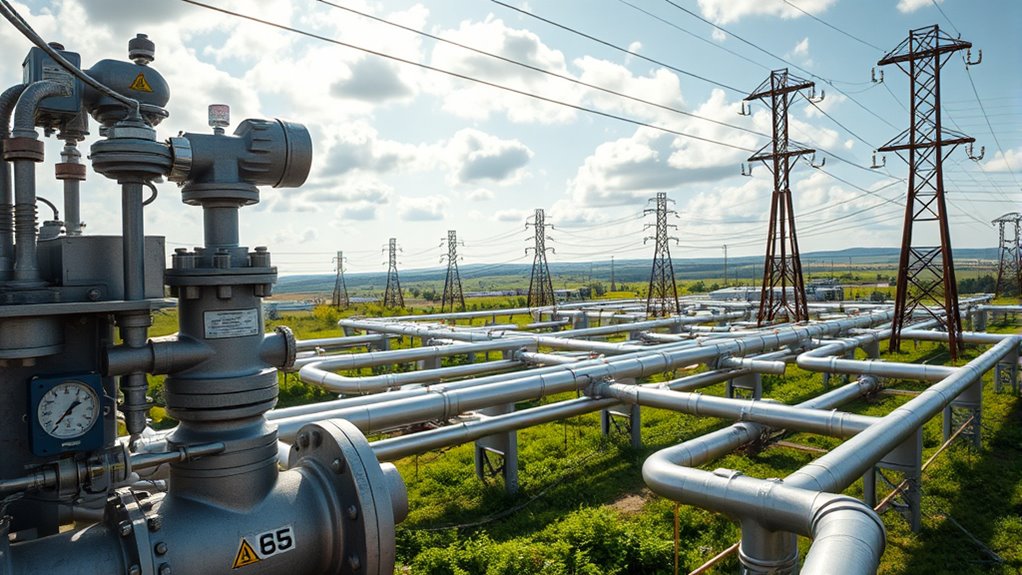
Have you ever wondered how natural gas reaches your home? The journey begins with a complex network of pipelines designed to transport the fuel safely and efficiently. These pipelines run underground and across various terrains, connecting production facilities to local distribution networks. Ensuring pipeline safety is critical at every step; any failure could lead to leaks, environmental damage, or even dangerous explosions. That’s why strict adherence to safety protocols and regular inspections are essential. Pipelines are built to rigorous standards, and operators must follow detailed procedures to prevent accidents. Regulatory compliance plays a vital role here, as government agencies enforce safety codes and environmental standards. Knowing that these rules are in place helps you trust that your gas supply is secure and responsibly managed. As a consumer, you might not see the meticulous planning involved, but it’s there to guarantee your safety and the integrity of the entire system. Additionally, creating a culture of safety and continuous improvement is essential for maintaining the reliability of the pipeline network.
When natural gas is transported through pipelines, it must meet specific quality and safety standards. This is where regulatory compliance becomes crucial. Utility companies and pipeline operators are required to adhere to local, state, and federal regulations that specify how pipelines are constructed, maintained, and operated. These regulations also dictate how often inspections should occur, what safety equipment must be installed, and how to respond to emergencies. Compliance isn’t just about following rules — it’s about protecting communities, the environment, and the infrastructure itself. Regular monitoring, testing, and maintenance ensure that pipelines remain in optimal condition, reducing the risk of leaks or failures. This vigilance keeps your gas supply reliable and safe, giving you peace of mind every time you turn on the stove or heater.
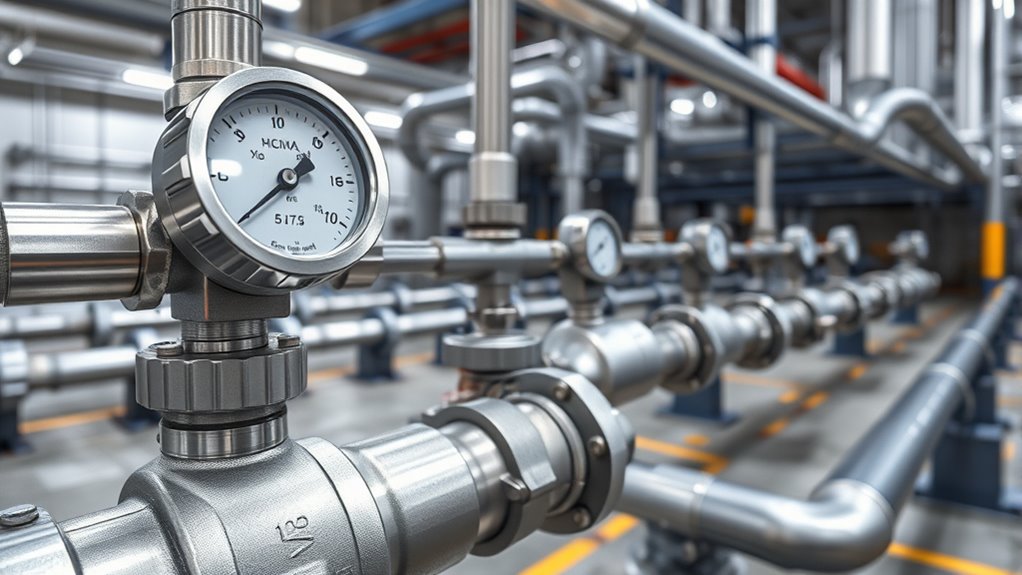
Connecting your home to the natural gas network involves a series of careful procedures. After the pipeline infrastructure is in place and inspected, a connection point is established—often at a meter station—where the utility company links the pipeline to your home’s service line. This connection must be carefully tested to ensure there are no leaks and that the flow of gas is consistent. Throughout this process, compliance with safety standards and regulations is mandatory. Utility technicians follow detailed protocols, including pressure testing and safety checks, to ensure everything is secure before turning on the supply. Once connected, ongoing monitoring and maintenance keep the system running smoothly, preventing issues before they become hazards. This entire process underscores the importance of pipeline safety and regulatory compliance. They serve as the backbone of a safe, reliable natural gas supply, allowing you to enjoy the convenience of natural gas without concern for safety risks. The next time you use your gas appliances, remember the intricate, regulated process that ensures your safety and comfort. Emphasizing a culture of safety and continuous oversight helps prevent accidents and maintains system integrity.
Frequently Asked Questions
How Long Does the Interconnection Approval Process Typically Take?
The interconnection approval process usually takes between 6 to 12 months, depending on the complexity of your project and the utility’s workload. Your interconnection timeline can vary, but generally, the approval duration involves several steps, including application review, technical studies, and negotiations. Staying proactive and providing complete information can help streamline the process, reducing delays and ensuring a smoother path to getting your natural gas supply connected efficiently.
What Are the Main Safety Considerations During Interconnection?
Safety considerations during interconnection are your guiding stars in a complex sky. You need to prioritize hazard prevention by thoroughly inspecting equipment, checking for leaks, and ensuring proper ventilation. Follow safety protocols meticulously, wear protective gear, and stay alert for potential hazards. Regularly train staff on emergency procedures, and always update safety measures. Staying vigilant and proactive keeps everyone safe and keeps the natural gas supply flowing smoothly.
Are There Specific Regulations for Renewable Natural Gas Projects?
Yes, there are specific regulations for renewable natural gas (RNG) projects. You need to obtain renewable certification to verify your RNG qualifies as renewable energy. Additionally, federal incentives like tax credits and grants may apply, encouraging RNG production and use. Make sure to adhere to local, state, and federal standards, and stay updated on evolving policies to maximize benefits and ensure smooth interconnection of your RNG project.
How Does Interconnection Impact Billing and Tariffs?
Interconnection influences your billing procedures and tariff structures considerably. When you connect your renewable natural gas project, the utility adjusts billing based on your usage and the agreed tariff structures. This can include fixed charges, volumetric rates, or demand charges. Your billing will reflect how your interconnection arrangement aligns with these tariffs, ensuring you’re charged accurately for your gas supply, and any applicable fees or incentives are properly applied.
What Technical Standards Must Interconnection Facilities Meet?
Imagine your interconnection facilities as the backbone of safe, reliable gas flow. You must guarantee they meet strict technical standards, including pipeline integrity checks and adherence to regulatory compliance. These standards guarantee your system’s safety and efficiency, preventing leaks and accidents. By consistently following these requirements, you keep operations smooth, protect the environment, and avoid costly penalties, making your interconnection both compliant and resilient against potential hazards.
Conclusion
Understanding utility interconnection basics empowers you to navigate the natural gas supply landscape confidently. Just as a key unlocks a door, knowing these fundamentals opens opportunities for efficient, reliable energy access. By grasping how interconnections work, you become better equipped to make informed decisions and guarantee your projects run smoothly. Remember, in the world of energy, knowledge isn’t just power—it’s the key to unlocking a brighter, more connected future.
NFL season / tailgating Picks
team gear
As an affiliate, we earn on qualifying purchases.