During emergencies, guaranteeing reliable fuel delivery is essential to keep critical services running smoothly. You need to plan flexible routes, maintain strategic storage tanks, and coordinate multiple suppliers to adapt quickly to road closures or hazards. Using GPS and route optimization tools helps you respond swiftly to unforeseen challenges. Building redundancy and staying in close contact with authorities ensures continuous supply. To discover more about strengthening your fuel logistics during crises, keep going.
Key Takeaways
- Establish multiple, flexible delivery routes and pre-plan alternatives to navigate around obstacles and ensure timely fuel access.
- Maintain well-equipped storage tanks near critical facilities to provide immediate fuel reserves during disruptions.
- Use GPS tracking and real-time monitoring tools to adapt routes promptly and respond to changing emergency conditions.
- Build redundancy in supply sources and transportation providers to ensure continuous fuel availability regardless of challenges.
- Coordinate closely with emergency authorities to prioritize deliveries, minimize delays, and support essential services effectively.
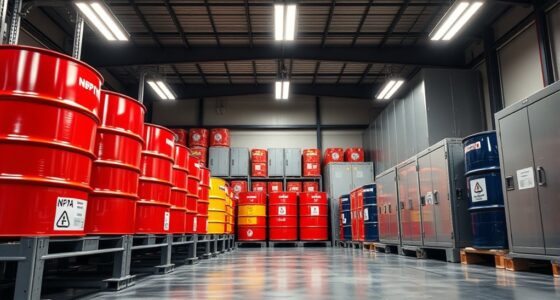
During emergencies, reliable fuel delivery is essential for maintaining vital services and guaranteeing swift response efforts. When disaster strikes, whether a natural catastrophe or a large-scale disruption, having a consistent fuel supply keeps hospitals, emergency vehicles, and critical infrastructure operational. To achieve this, understanding the importance of well-managed storage tanks and optimized delivery routes becomes indispensable. Storage tanks serve as strategic reserves, allowing you to stockpile fuel safely and access it quickly when conventional supply chains are compromised. Properly maintained tanks prevent leaks and contamination, ensuring that the fuel remains usable and safe for critical operations. Having sufficient storage capacity close to your key facilities reduces dependence on frequent deliveries, which can be hindered during emergencies by road blockages or fuel shortages. This setup ensures you can continue vital activities even when the regular supply chain faces disruptions.
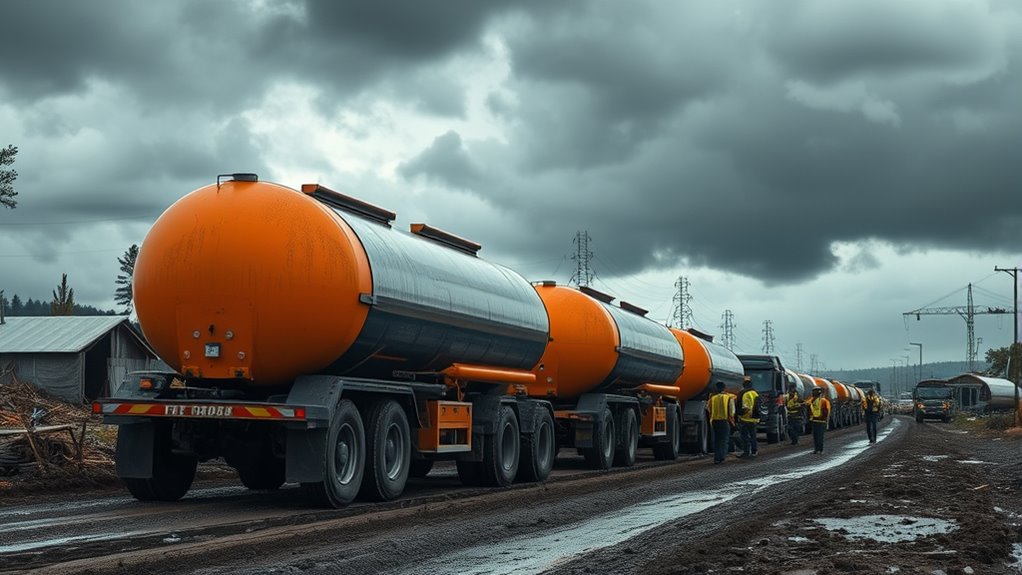
Equally important are the delivery routes you choose. During emergencies, you need flexible, reliable routes that can adapt to changing conditions. Pre-planning multiple delivery routes allows you to navigate around obstacles like damaged roads, flooding, or security threats. You should prioritize routes that provide the quickest access to your storage tanks and critical facilities, minimizing delays and ensuring a steady flow of fuel. Maintaining clear communication with local authorities and transportation agencies helps you stay informed about road closures or hazards that could impact your delivery plans. Additionally, establishing relationships with multiple suppliers and transportation providers can provide alternative options if primary routes become inaccessible. This redundancy is indispensable for maintaining a continuous fuel supply during unpredictable circumstances. Implementing risk assessment and mitigation strategies further strengthens your logistical resilience in emergencies.
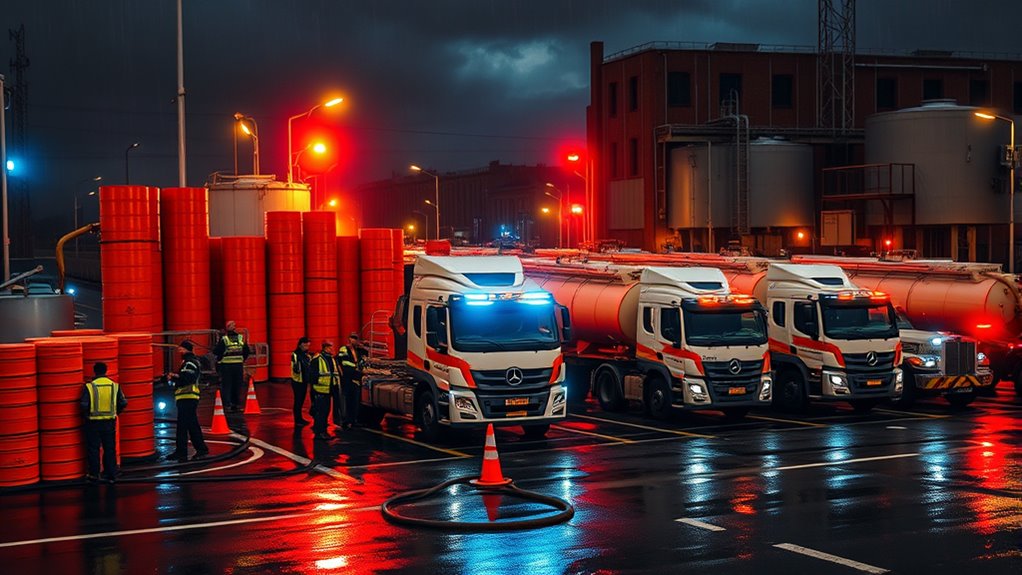
You also need to consider the logistics of coordinating multiple deliveries, especially when time is of the essence. Implementing GPS tracking and route optimization software can help you monitor progress in real time and make adjustments as needed. This technology enables you to respond swiftly to unforeseen challenges and reroute deliveries to avoid delays. During emergencies, flexibility and quick decision-making are key. By carefully planning your delivery routes and managing storage tanks effectively, you minimize downtime and ensure your fuel supplies remain intact. This proactive approach ensures your response efforts aren’t hampered by logistical issues, allowing you to prioritize saving lives and restoring order swiftly. Reliable fuel delivery, supported by strategic storage and adaptable routes, forms the backbone of effective emergency response, keeping essential services running smoothly when they’re needed most.
Frequently Asked Questions
How Are Fuel Quality Standards Maintained During Emergency Deliveries?
During emergency deliveries, you maintain fuel quality standards by ensuring proper storage integrity and using fuel additives that prevent contamination. You verify that storage tanks are sealed tightly and regularly checked for leaks or impurities. Adding appropriate fuel additives helps inhibit microbial growth and oxidation. These steps keep the fuel pure and stable, even under rushed conditions, ensuring it meets safety and performance standards despite the urgency.
What Are the Primary Challenges Faced in Remote Emergency Fuel Logistics?
You face several challenges in remote emergency fuel logistics, including limited logistics infrastructure and supply chain disruptions. These issues make it difficult to guarantee timely and reliable fuel deliveries. You must navigate poor transportation networks, unpredictable weather, and infrastructure damage, which can delay shipments. Overcoming these hurdles requires adaptable planning, alternative routes, and efficient coordination to maintain fuel supply during critical emergency situations.
How Do Fuel Delivery Plans Adapt to Sudden Demand Spikes?
Imagine you’re in a flashback to the 1980s, but with modern tech. When demand spikes unexpectedly, you quickly update your inventory management system to track current fuel levels and forecast needs. You adapt by rerouting deliveries using route optimization, prioritizing critical areas first. This flexible approach guarantees you meet sudden demand surges efficiently, minimizing delays and maximizing the impact of your emergency response, just like a well-oiled machine.
What Safety Protocols Are Implemented During Emergency Fuel Transport?
During emergency fuel transport, you implement safety protocols like conducting safety drills to prepare your team for potential hazards. You also guarantee strict PPE protocols are followed, including wearing appropriate protective gear to minimize risks. These measures help prevent accidents and injuries, maintaining safety throughout the operation. Regular training and adherence to safety procedures keep everyone prepared and reduce the likelihood of incidents during high-pressure situations.
How Is Communication Coordinated Among Teams During Crisis Fuel Logistics?
You coordinate crisis fuel logistics through a central command hub, where real-time updates flow like a steady stream, keeping everyone informed. You use radios, mobile apps, and GPS systems to guarantee seamless stakeholder coordination. Picture teams moving in sync, messages flashing quickly, decisions made on the fly. This rhythm keeps operations smooth, minimizes delays, and ensures fuel reaches those who need it most, even amid chaos.
Conclusion
In times of crisis, smooth fuel delivery keeps everything running behind the scenes. Your understanding and support help guarantee that resources flow seamlessly, even when the road gets a little bumpy. Remember, every effort you make contributes to restoring normalcy and comfort. By trusting the process and staying patient, you play a crucial role in steering these challenging moments. Together, we keep the wheels turning and hope shining brightly, guiding us toward brighter days ahead.