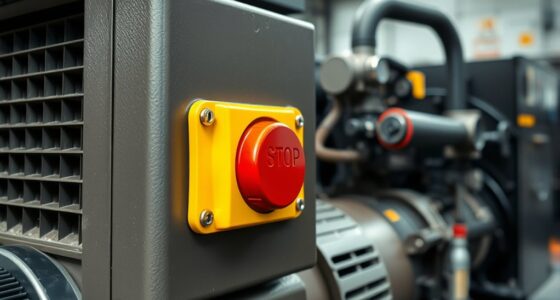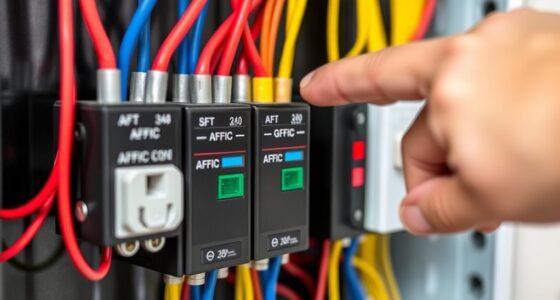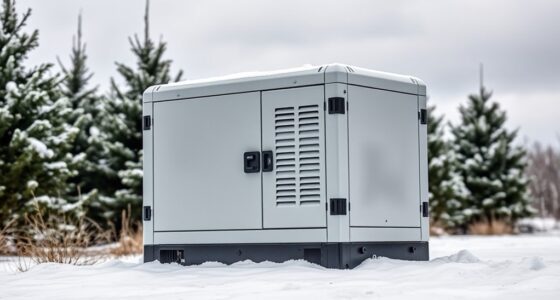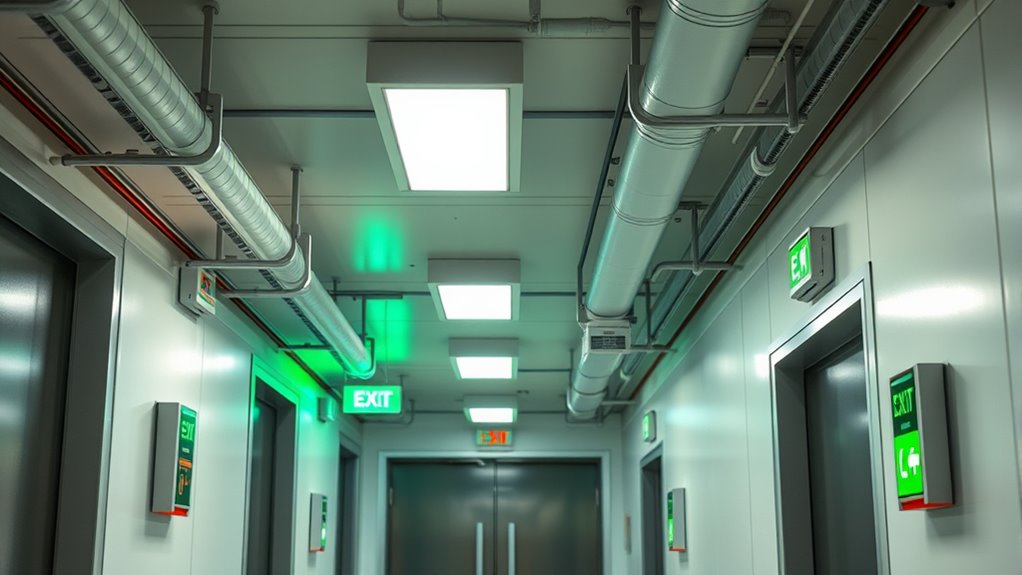

Under Articles 700 and 701 of the NEC, life safety and legally required standby systems activate automatically during power outages or fire events to protect occupants and support emergency protocols. These systems, including emergency lighting and fire alarm connections, must comply with specific regulations ensuring continuous operation. Proper installation, testing, and maintenance are vital for compliance and safety. To learn more about how these systems work and requirements, keep exploring this essential safety topic.
Key Takeaways
- Articles 700 and 701 establish requirements for automatic activation of standby systems during emergencies.
- They mandate backup power sources for life safety systems to ensure continuous operation during power failures.
- Regulations specify testing, maintenance, and verification protocols to confirm system reliability and compliance.
- They require integrated emergency protocols supported by standby systems like emergency lighting and fire alarms.
- Legal standards emphasize personnel training and regular system testing to uphold safety and legal obligations.
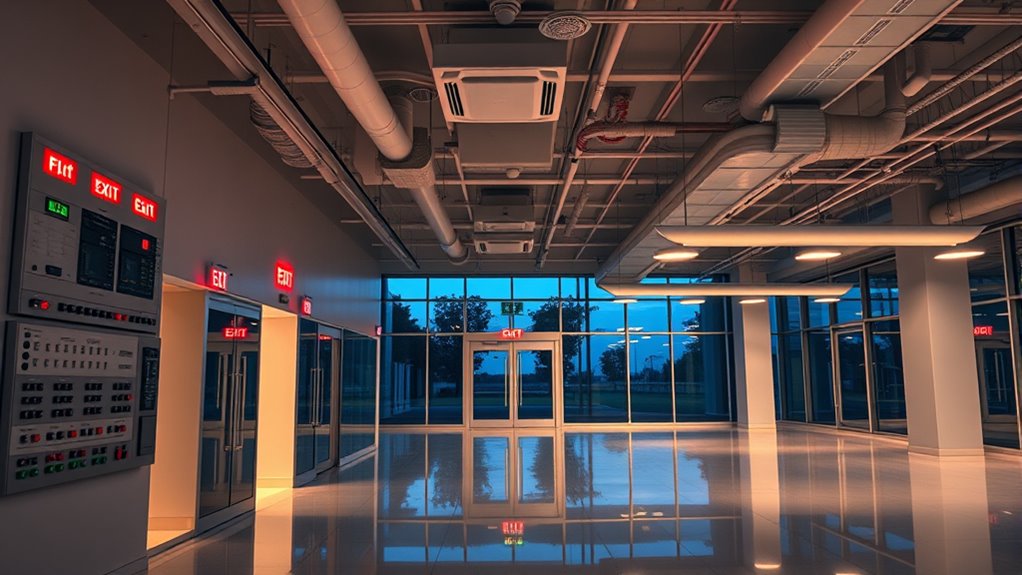
Life safety and legally required standby systems are essential components of building safety, designed to guarantee occupants can evacuate or continue critical operations during emergencies. When you plan these systems, you need to focus on how they integrate with emergency protocols and risk assessments. Your first step should be conducting thorough risk assessments to identify potential hazards within the building. This process helps determine the types of standby systems required, such as emergency lighting, fire alarms, or standby power supplies. By understanding the specific risks, you can develop effective emergency protocols that ensure swift and safe evacuations or continuous operations of crucial systems during power outages or fire events.
Conduct thorough risk assessments to determine necessary standby systems and develop effective emergency protocols.
These protocols serve as the blueprint for how occupants and personnel respond to different emergencies. They outline clear procedures for evacuation, shelter-in-place, or lockdown, all of which must be supported by the standby systems you install. For example, emergency lighting must activate immediately if the main power fails, guiding people safely out of the building. Similarly, fire alarm systems need to be reliable and interconnected with notification systems to alert everyone promptly. Guaranteeing these systems are tested regularly and maintained properly is part of your responsibility to uphold safety standards and comply with codes outlined in Articles 700 and 701.
Legally mandated standby systems also have specific requirements to follow. Codes specify that these systems must be capable of operating automatically during an emergency, without manual intervention, to ensure rapid response. You need to verify that your systems are compliant with local regulations and standards, which often include backup power sources like generators or batteries. These backup sources must be capable of supporting critical life safety functions for the duration necessary to evacuate or stabilize the situation. Implementing proper testing procedures ensures that your systems function reliably when needed.
Additionally, your planning should include training personnel on emergency protocols that leverage these standby systems. This ensures everyone understands their role and can act quickly when an incident occurs. Regular drills and system tests are crucial to confirm that all devices function correctly and integrate seamlessly with your emergency procedures. By prioritizing risk assessments and aligning your standby systems with well-crafted emergency protocols, you create a safer environment. You minimize chaos during crises and maximize your ability to protect lives and property, fulfilling both safety and legal obligations efficiently.
Frequently Asked Questions
How Often Should Standby Systems Be Inspected and Tested?
You should inspect and test standby systems at least annually, but more frequent inspections may be necessary based on your local codes or manufacturer recommendations. Follow proper testing procedures during each inspection to guarantee reliability. Regular inspections help identify potential issues early, ensuring your backup systems function correctly when needed. Keeping up with inspection frequency and testing procedures is essential for maintaining safety and compliance.
What Are the Common Penalties for Non-Compliance?
Did you know that non-compliance can lead to fines exceeding $10,000? Penalty fines and legal repercussions are common consequences if you neglect inspection and testing requirements. Authorities may impose hefty fines, revoke permits, or even shut down your operation. Staying compliant helps you avoid these costly penalties and legal issues, ensuring your system operates safely and your business remains in good standing with safety regulations.
Can Existing Systems Be Upgraded to Meet New Codes?
Yes, you can upgrade existing systems to meet new codes. You should evaluate your current setup, identify deficiencies, and implement a system upgrade that aligns with the latest requirements. This guarantees code compliance, enhances safety, and reduces potential penalties. Keep in mind, working with a qualified professional can streamline the process, helping you navigate the upgrade effectively while ensuring your system meets all current standards and regulations.
Who Is Authorized to Perform System Inspections?
Imagine your system’s safety as a guardian angel—only authorized personnel can verify its readiness. You must guarantee inspections are performed by qualified individuals familiar with inspection standards. These authorized personnel, often licensed or certified, conduct thorough evaluations to confirm compliance with code requirements. Their expertise ensures your system will perform reliably during emergencies, giving you peace of mind that safety measures are up to date and fully functional when it truly matters.
What Are the Maintenance Requirements for Standby Systems?
You must regularly perform battery maintenance on standby systems to guarantee reliable operation, including checking charge levels and replacing batteries as needed. Additionally, you should keep thorough system documentation of inspections, maintenance actions, and testing results. This helps verify compliance, identify issues early, and maintain system readiness. Consistent upkeep ensures your standby systems function properly during emergencies, providing essential safety and legal compliance.
Conclusion
So, while you might think standby systems are just a legal hassle, they actually save lives—yours included. Ironically, neglecting them could mean risking everything in a moment you least expect. But hey, who needs safety when you’ve got compliance, right? Remember, these systems aren’t just rules; they’re your safety net. So, don’t wait until it’s too late—because sometimes, the only thing standing between you and disaster is a legally required standby system.