
TL;DR

Get backup power and energy gear delivered free with Prime
- Fast, free delivery on millions of items
- Prime Video, Amazon Music and more included
- Member-only deals all year
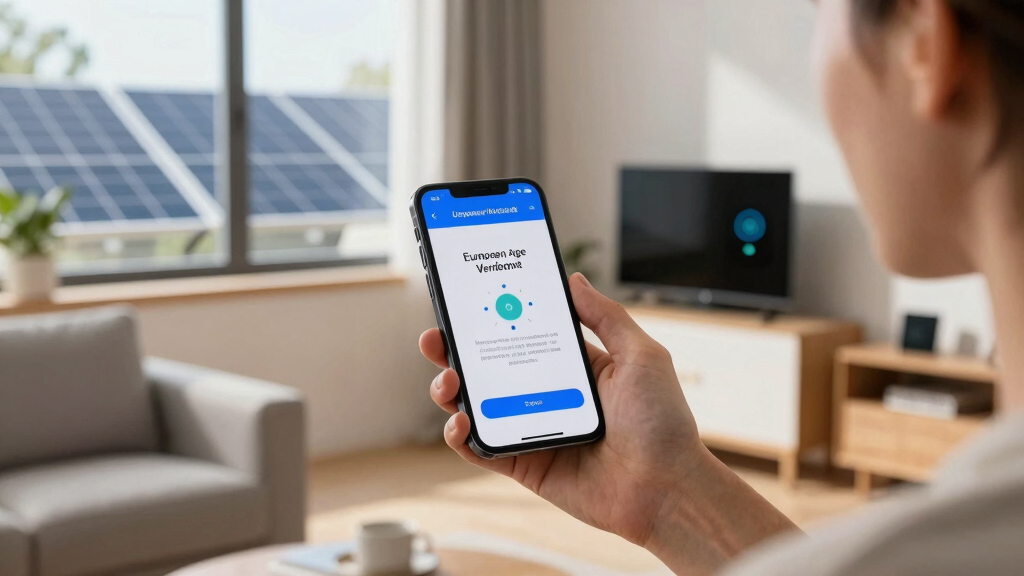
A new European ‘age verification’ app is now mandatory for users seeking age-restricted content, but it only functions on Android and iOS devices. This development raises questions about accessibility and privacy. The app’s rollout is confirmed, but broader implications remain unclear.
European regulators have introduced a new mandatory ‘age verification’ app that only operates on Android and iOS devices, affecting millions of users attempting to access age-restricted online content. This move aims to enhance online safety and compliance with new regulations, but it has raised concerns about privacy, accessibility, and platform restrictions.
The European Commission announced the launch of the ‘AgeVerify EU’ app in late March 2024, requiring all users seeking access to age-restricted websites and services to verify their age through this application. According to official sources, the app is mandatory for accessing certain online platforms, including social media, gaming, and adult content sites, starting from April 2024.
Confirmed by the European Digital Safety Agency, the app is currently only compatible with Android and iOS devices. Users attempting to verify their age on other operating systems, such as Windows or Linux, are reportedly unable to do so directly through the app, which has sparked criticism from privacy advocates and accessibility groups.
Officials state that the app uses biometric verification and data encryption to protect user information, but critics argue that it raises significant privacy concerns and potential data security risks. The European Commission emphasizes that the app is designed to prevent underage access to harmful content, aligning with recent regulations aimed at online safety.
Impacts on User Privacy and Accessibility in Europe
This development is significant because it directly influences how European users verify age online, potentially setting a precedent for digital identity verification standards. The restriction to Android and iOS devices raises questions about digital inclusion and whether certain populations—such as those with older devices or on alternative operating systems—will be unfairly excluded. Privacy advocates warn that biometric data collection could lead to misuse or breaches, while regulators argue it’s necessary for effective age verification. The move highlights ongoing tensions between online safety measures and user rights.
Top picks for "european verification forc"
As an affiliate, we earn on qualifying purchases.
European Regulatory Push for Safer Online Environments
The European Union has been increasingly active in regulating online content, with recent laws targeting age-appropriate content and digital safety. The launch of the ‘AgeVerify EU’ app follows the Digital Services Act and the Digital Markets Act, which aim to hold online platforms accountable for harmful content and underage access. The app is part of broader efforts to enforce age restrictions more effectively, especially amid rising concerns over online harms to minors.
Prior to this, age verification was largely voluntary or reliant on third-party services, often with limited scope. The new app represents a move toward standardized, government-mandated verification, but its platform restrictions are a novel aspect that has not been seen in previous implementations.
“The ‘AgeVerify EU’ app is a secure, privacy-conscious tool designed to ensure minors do not access harmful online content, compliant with our new regulations.”
— European Digital Safety Agency spokesperson
Unresolved Issues Around Privacy and Platform Limitations
It is still unclear how the app will function for users on devices outside Android and iOS, or if alternative verification methods will be introduced. Concerns about privacy violations, data security, and potential exclusion of certain user groups remain unaddressed. The European Commission has not provided detailed plans for those unable or unwilling to use the app on these platforms, and the long-term impact on digital rights is still uncertain.
Next Steps in Implementation and Public Response
Over the coming weeks, authorities will monitor the app’s adoption and address technical issues. Stakeholders including privacy groups, platform providers, and users are expected to voice concerns and seek clarifications. The European Commission may consider expanding compatibility or offering alternative verification options if issues persist. Enforcement of the regulation will be tested as the rollout continues.
Key Questions
Why is the age verification app only available on Android and iOS?
According to official sources, the app’s development focused on these two platforms due to their large market share and existing biometric capabilities. No alternative platforms are currently supported, which has raised concerns about accessibility.
Could this app impact privacy rights?
Yes, privacy advocates have raised concerns about biometric data collection, encryption, and potential misuse. The European Digital Safety Agency states the app uses privacy-preserving technologies, but critics remain cautious.
Will users with older or alternative devices be able to verify their age?
At present, there are no confirmed plans to support verification outside Android and iOS. It is unclear if alternative methods will be introduced, leaving some users potentially unable to verify their age through this app.
What are the penalties for not using the app?
Regulations specify that platforms must enforce age verification, but specific penalties for individual users are still being clarified. Platforms could face fines or restrictions if they fail to comply.
How will this regulation impact online access for vulnerable groups?
Concerns include potential exclusion of users with disabilities, older devices, or limited internet access. The regulatory authorities have not yet addressed these issues fully.
Source: hn
Fall Picks
fall essentials
As an affiliate, we earn on qualifying purchases.