
TL;DR

Get backup power and energy gear delivered free with Prime
- Fast, free delivery on millions of items
- Prime Video, Amazon Music and more included
- Member-only deals all year
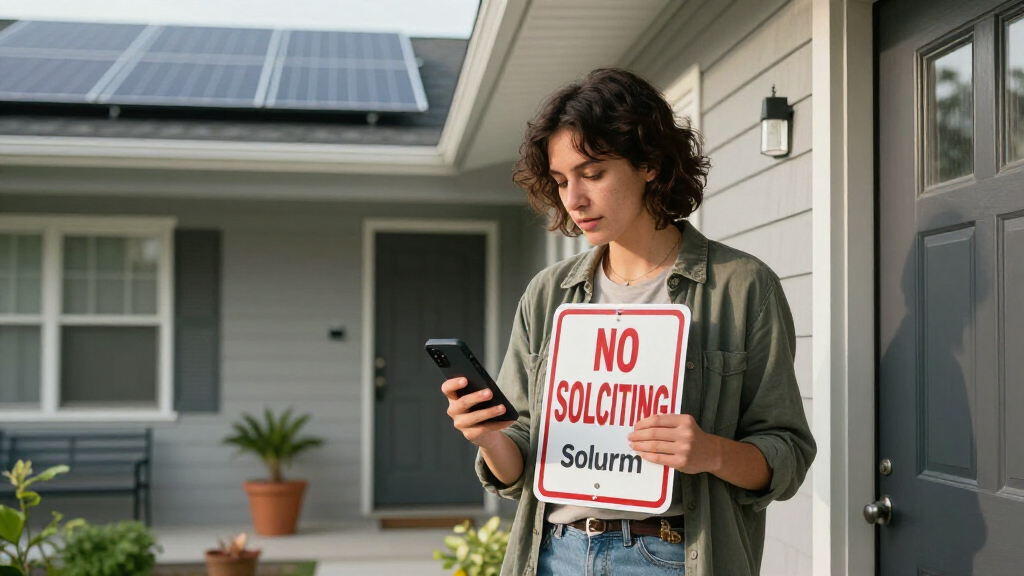
There is increasing public concern over solicitors ignoring ‘No Soliciting’ signs. Legally, solicitors may not be required to obey such signs, but enforcement and homeowner rights remain unclear. This trend is prompting discussions about regulations and homeowner protections.
Recent reports indicate that solicitors often ignore ‘No Soliciting’ signs posted on private homes, raising questions about the legality of such actions and what homeowners can do to enforce their rights. The trend reflects growing public concern over unwanted door-to-door visits, especially amid increased awareness of privacy and safety issues.
While many homeowners display ‘No Soliciting’ signs to deter salespeople, there is no clear legal requirement for solicitors to obey these notices in most jurisdictions. Legal experts explain that, generally, solicitors are allowed to approach homes unless explicitly prohibited by local laws or regulations. However, some local authorities have introduced or are considering ordinances that restrict or regulate door-to-door sales activities, including the use of ‘No Soliciting’ signs.
Reports of solicitors ignoring these signs have increased, prompting homeowner complaints and calls for clearer regulations. In some cases, homeowners have taken legal action or contacted law enforcement to prevent unwanted visits, but enforcement varies widely depending on local laws. Consumer protection agencies advise homeowners to familiarize themselves with their rights and local ordinances, and to document any illegal or harassing behavior.
Legal and Practical Implications for Homeowners
This issue matters because it touches on homeowners’ rights to privacy and safety. If solicitors are allowed to ignore ‘No Soliciting’ signs, homeowners may feel powerless to prevent unwanted visits, which can lead to safety concerns and increased annoyance. Clarification of legal standards could influence future regulations and homeowner protections, especially as public awareness about privacy grows.
Growing Public Concern Over Door-to-Door Soliciting
The interest in this topic has surged in recent weeks, with online searches and media coverage increasing sharply. The trend appears linked to broader concerns about personal security, privacy, and aggressive sales tactics. Although no specific legislation has been enacted or proposed recently, the rising attention indicates a potential shift in how local authorities and lawmakers might address door-to-door solicitation and signage enforcement.
Historically, laws governing soliciting vary widely by jurisdiction, with some areas requiring permits or restricting certain types of sales, while others lack specific regulations. The current spike in coverage and concern suggests that this issue is gaining prominence as a consumer rights and safety matter.
Legal Enforcement and Homeowner Protections Still Unclear
It remains uncertain whether stricter enforcement measures or new regulations will be introduced to address this issue. Currently, the legality of ignoring ‘No Soliciting’ signs depends heavily on local laws, which vary widely. There is no nationwide standard, and enforcement often relies on police discretion or homeowner action. Details about potential legislative changes or widespread enforcement initiatives are still emerging and unconfirmed.
Potential Regulatory Developments and Public Awareness Campaigns
Legal experts anticipate that local governments may consider clarifying or strengthening regulations related to door-to-door soliciting, especially if public concern continues to grow. Homeowners are advised to document unwanted visits and consult local ordinances. Future developments may include stricter enforcement policies, public awareness campaigns, or new laws requiring solicitors to obey ‘No Soliciting’ signs.
Key Questions
Are solicitors legally required to obey ‘No Soliciting’ signs?
Generally, no. In most jurisdictions, solicitors are not legally obligated to obey ‘No Soliciting’ signs unless local laws specify otherwise.
What can homeowners do if solicitors ignore their ‘No Soliciting’ signs?
Homeowners can report persistent or aggressive solicitors to local law enforcement or consumer protection agencies, and consider posting additional signage or using legal measures if applicable.
Are there laws regulating door-to-door sales or soliciting?
Yes, but regulations vary by jurisdiction. Some areas require permits, restrict certain types of sales, or have specific rules about signage and solicitation hours.
Could new laws be enacted to better protect homeowners?
Potentially. As public concern rises, lawmakers may consider legislation to clarify or strengthen protections against unwanted soliciting, including making ‘No Soliciting’ signs legally binding.
Does ignoring a ‘No Soliciting’ sign have legal consequences?
In most cases, no. Since solicitors are generally not required to obey such signs, ignoring them does not usually constitute a legal violation unless specific local ordinances state otherwise.
Source: rss
Fall Picks
fall essentials
As an affiliate, we earn on qualifying purchases.