TL;DR
Apple has filed a lawsuit against OpenAI, accusing former employees of stealing trade secrets related to artificial intelligence. The case underscores ongoing tensions over AI intellectual property and employee mobility in the tech industry.
Apple has filed a lawsuit against OpenAI, accusing former employees of stealing trade secrets related to artificial intelligence development. The lawsuit, filed in a California federal court, claims that these ex-employees transferred confidential information from Apple to OpenAI, violating employment agreements and intellectual property laws. This legal action marks a significant escalation in the industry’s concerns over proprietary technology and employee mobility.
According to the lawsuit, Apple alleges that several former employees, who left the company between late 2025 and early 2026, transferred proprietary AI research and development data to OpenAI. Apple claims these employees signed non-disclosure and non-compete agreements, which they allegedly violated by sharing sensitive information. The company states that it has identified specific instances where trade secrets related to machine learning algorithms and proprietary hardware integration were unlawfully transferred.
OpenAI has responded through a spokesperson, denying any wrongdoing and stating that it has not received any stolen data or proprietary information from the former employees. The ex-employees involved have not publicly commented on the lawsuit. The case is currently in the early stages, with Apple seeking injunctive relief and damages for alleged intellectual property theft.
Implications for AI Industry and Employee Mobility
This lawsuit underscores the heightened scrutiny and legal risks associated with employee movement between major tech firms, especially in highly competitive fields like AI development. If proven, the case could set a precedent for how proprietary information is protected and transferred in the industry, potentially leading to stricter employment agreements and monitoring of employee transitions. It also raises concerns about the security of corporate secrets amid rapid innovation cycles.

SOARAISE Solar Power Bank 48000mAh Wireless Portable Charger with 4 Cables
- Upgraded High-Efficiency 4 Solar Panels: Equipped with 4 premium solar...
- Massive 48000mAh Solar Power Bank: Featuring a high-capacity 48000mAh lithium-polymer...
- Built-in 4 Cable for Multi-Device Compatibility: Designed for multi-device charging, this...
As an affiliate, we earn on qualifying purchases.
Rising Industry Tensions Over AI Tech and Employee Transfers
In recent years, the AI industry has experienced rapid growth, with major players like Apple, OpenAI, Google, and Microsoft investing heavily in research and development. Employee mobility between these firms has increased, often leading to disputes over intellectual property. Apple’s lawsuit follows similar legal actions by other companies seeking to protect proprietary technology amid concerns of data leaks and unfair competition. The case also reflects broader industry anxieties about safeguarding trade secrets in a competitive landscape where talent is highly mobile.
“We are committed to protecting our intellectual property and will take all necessary legal actions to prevent the unauthorized transfer of our trade secrets.”
— Apple spokesperson

FEELLE Solar Power Bank 50000mAh Magnetic Portable Charger with Hand Crank
- 50000mAh Massive Capacity: Features the latest high-density lithium...
- 15W MAX Magnetic Wireless Power Bank: Strong magnetic technology that automatically...
- All-in-One Solar Portable Charger: It powers up to 6...
As an affiliate, we earn on qualifying purchases.
Unclear Details About the Alleged Data Transfer
It is not yet confirmed exactly what specific trade secrets were allegedly stolen or how the data transfer occurred. The lawsuit provides limited detail on the nature and scope of the proprietary information involved, and investigations are ongoing. The identities of the involved ex-employees and whether they acted alone or as part of a coordinated effort remain undisclosed.
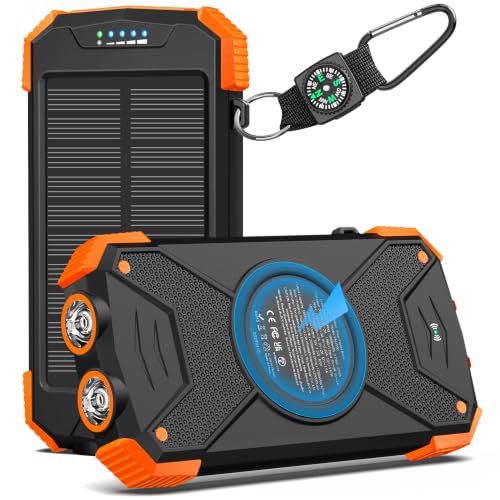
BLAVOR Solar Power Bank 10,000mAh, Portable Wireless Charger, 20W Fast Charging External Battery Pack with USB C for Cell Phones, Solar Panel Charging with Dual Flashlight for Camping
- Brand-Oriented and Outdoor Charger Pro: With over 10 years of...
- Leading USB C Input Output Tech and Wireless: The latest upgrade includes a...
- Premium Battery and Smallest Solar Charger: BLAVOR uses the safer Lithium-cobalt...
As an affiliate, we earn on qualifying purchases.
Legal Proceedings and Industry Reactions Expected Soon
The case is now in early litigation stages, with Apple seeking preliminary injunctions to prevent further data transfer and damages. Both parties are expected to engage in discovery, and court hearings could occur within the next few months. Industry observers will watch closely for any evidence that clarifies the extent of the alleged theft and its impact on AI development and corporate security practices.
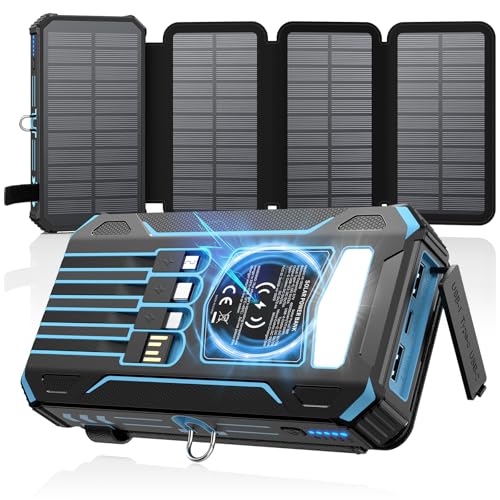
SOARAISE Solar Power Bank 48000mAh Wireless Battery Pack with 4 Cables
- Upgraded High-Efficiency 4 Solar Panels: Equipped with 4 premium solar...
- Massive 48000mAh Solar Power Bank: Featuring a high-capacity 48000mAh lithium-polymer...
- Built-in 4 Cable for Multi-Device Compatibility: Designed for multi-device charging, this...
As an affiliate, we earn on qualifying purchases.
Key Questions
What specific trade secrets does Apple allege were stolen?
Apple has not publicly disclosed detailed information about the specific trade secrets involved. The lawsuit claims proprietary AI research and hardware integration data but does not specify further.
Are the accused ex-employees facing criminal charges?
At this stage, the lawsuit is civil in nature. There is no information indicating criminal charges have been filed against the individuals involved.
Could this case impact AI development at OpenAI?
Potentially. The lawsuit could lead to increased scrutiny and restrictions on employee transfers, possibly affecting collaboration and talent mobility within the AI industry.
Has OpenAI responded to the allegations?
Yes, OpenAI issued a statement denying any involvement in the alleged theft and stated it is cooperating with authorities to resolve the matter.
What are the broader industry implications of this lawsuit?
The case highlights the importance of protecting trade secrets amid high competition in AI, possibly prompting companies to tighten employee agreements and data security measures.
Source: hn