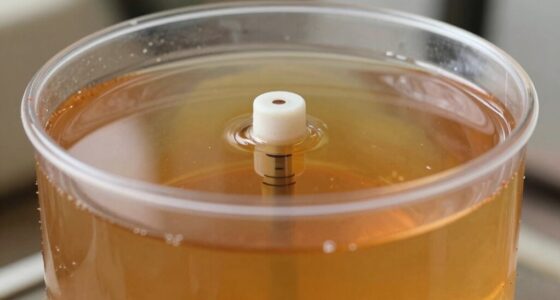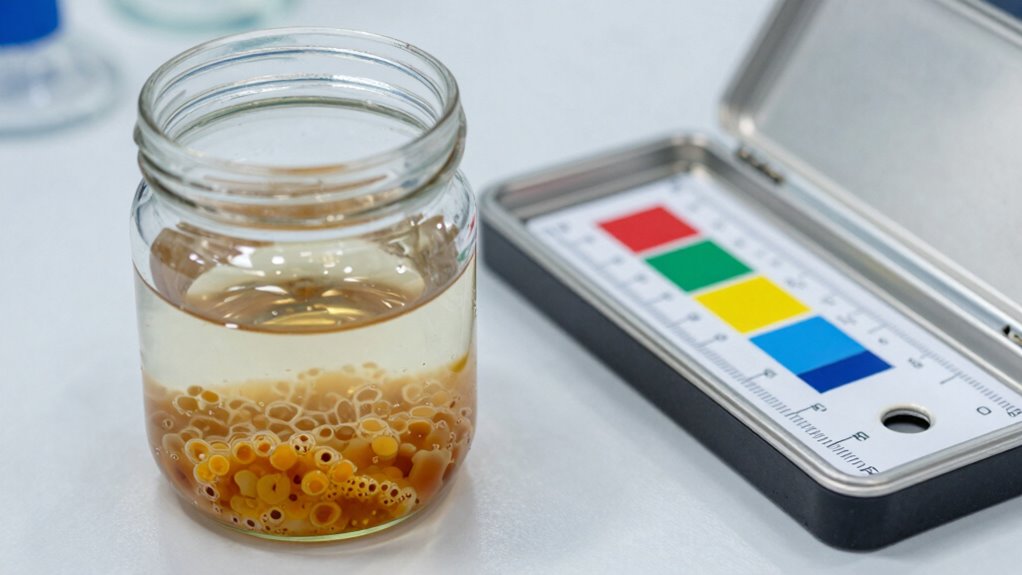
Choosing the right microbial test kit for diesel tanks depends heavily on your specific needs—whether you want a simple way to check for contamination or a comprehensive fuel quality assessment. The Biobor Fuel Test Kit excels at testing fuel quality and includes additives to stabilize diesel, making it ideal for vehicle owners. Meanwhile, the Premium Diesel Fuel Test Kit specializes in quick detection of water and impurities, perfect for those managing large tanks or equipment. Both options involve tradeoffs: the Biobor is more comprehensive but limited to diesel fuel quality, whereas the Premium kit is more portable and straightforward but less detailed. Let’s explore what makes each stand out and how they compare for different users.

Get backup power and energy gear delivered free with Prime
- Fast, free delivery on millions of items
- Prime Video, Amazon Music and more included
- Member-only deals all year
Key Takeaways
- The Biobor Fuel Test Kit provides a detailed assessment of diesel fuel quality with stabilizers included, ideal for vehicle owners.
- The Premium Diesel Fuel Test Kit focuses on quick water and contamination detection, suitable for routine maintenance on various equipment.
- Both kits require manual interpretation of results and involve handling chemicals or samples, so proper safety is essential.
- The Biobor kit is more comprehensive but limited to diesel fuel testing, while the Premium kit offers portability and ease of use.
- Your choice should depend on whether you need detailed fuel analysis or simple contamination checks for ongoing equipment maintenance.
| Biobor Fuel Test Kit |  | Best Overall for Diesel Fuel Quality Testing | Brand: BIOBOR | Item Count: 1 | UPC: 694481002501 | VIEW ON AMAZON | See Our Full Breakdown |
| Premium Diesel Fuel Test Kit – Water & Contamination Detection for Diesel Tanks and Equipment |  | Best for Quick Water & Contamination Detection | Detection Time: Seconds | Compatibility: Diesel tanks, generators, boats, trucks, agricultural equipment | Ease of Use: Simple instructions, no special tools required | VIEW ON AMAZON | See Our Full Breakdown |
| microbial test kits for diesel tank | Brand | Item Count | UPC | Model Number |
|---|---|---|---|---|
| Biobor Fuel Test Kit | BIOBOR | 1 | 694481002501 | HUMBUG01 |
| Premium Diesel Fuel Test Kit | — | — | — | — |
More Details on Our Top Picks
Biobor Fuel Test Kit
The Biobor Fuel Test Kit stands out for its ability to assess diesel fuel quality directly, including the presence of microbial contamination. Unlike simpler tests, this kit offers a more comprehensive evaluation suited for vehicle owners who want assurance their fuel is clean and stable. Its inclusion of fuel stabilizers and additives enhances fuel longevity, making it a versatile choice. However, it is limited to diesel engine testing and does not include detailed instructions, which could pose a challenge for less experienced users. It’s best suited for users who want a thorough, ready-to-use testing solution that also promotes fuel stability.
Pros:- Easy to test diesel fuel quality
- Includes fuel stabilizers and additives
- Made in the United States
Cons:- Limited to diesel engine testing
- No specific instructions included
- Requires proper handling due to chemical contents
Best for: Vehicle owners and fleet managers who want reliable fuel quality information and stabilization.
Not ideal for: Users seeking quick, on-the-spot contamination checks or those managing large tanks without detailed fuel analysis needs.
- Brand:BIOBOR
- Item Count:1
- UPC:694481002501
- Model Number:HUMBUG01
- Part Number:05-04964
- Container Type:Bottle
- Container Size:2 lb
- Compatible Engine Type:Diesel Engines
- Standards:Canada DSL, EU EINECS, TSCA
Our verdict“A solid choice for vehicle owners needing comprehensive diesel fuel testing and stabilization.”
Premium Diesel Fuel Test Kit – Water & Contamination Detection for Diesel Tanks and Equipment
The Premium Diesel Fuel Test Kit excels at rapid detection of water and impurities, making it highly practical for ongoing maintenance of tanks and equipment. Its simplicity and portability mean it’s suitable for on-site testing in a variety of settings, from boats to agricultural machinery. While it provides fast results, it does not specify the number of tests included, nor does it offer detailed analysis beyond water and contaminant detection. This makes it ideal for users who need quick checks rather than in-depth fuel quality assessments. Its manual result interpretation is straightforward but may require some familiarity with contamination signs.
Pros:- Quick and accurate water contamination detection
- Easy to use with simple instructions
- Portable and suitable for on-the-go testing
Cons:- Limited to diesel fuel testing only
- Does not specify the number of tests included
- Requires manual interpretation of results
Best for: Operators needing quick, routine checks on tanks, boats, and equipment for water and impurity contamination.
Not ideal for: Users requiring detailed microbial analysis or comprehensive fuel quality testing beyond water detection.
- Detection Time:Seconds
- Compatibility:Diesel tanks, generators, boats, trucks, agricultural equipment
- Ease of Use:Simple instructions, no special tools required
- Portability:Compact and portable
Our verdict“An excellent choice for quick, routine water contamination checks in various diesel storage scenarios.”

How We Picked
Our selection process centered on evaluating the kits’ effectiveness in detecting microbial contamination and other impurities in diesel tanks. We prioritized ease of use, accuracy, portability, and suitability for different tank sizes and vehicle types. We also considered the comprehensiveness of testing features, safety considerations, and the clarity of results interpretation. Each product was compared to similar options to highlight its unique role, ensuring that both casual users and professional operators find a fitting choice.
Factors to Consider When Choosing Microbial Test Kits For Diesel Tanks
When selecting a microbial test kit for diesel tanks, it’s important to consider what you need most—whether detailed fuel quality analysis or quick contamination detection. The right kit should match your operational scale, ease of use preferences, and safety requirements. Making an informed choice involves understanding the specific features of each kit, how they fit into your maintenance routine, and their limitations.
Understanding Your Testing Needs
Decide if you need a comprehensive assessment that checks for microbial growth, fuel stability, and chemical composition, or if a simple water and impurity test suffices. Vehicle owners or fleet operators often prefer detailed kits like the Biobor Fuel Test Kit, which also help maintain fuel integrity over time. Meanwhile, those managing storage tanks or equipment may benefit from quick, portable tests like the Premium Diesel Fuel Test Kit to catch contamination early without complex procedures.
Key Features to Consider
Look for kits that match your operational environment—portability for field testing, clarity of results, and speed. Safety features, such as chemical handling instructions and protective gear, are essential, especially with chemical-based tests. Also, check whether the kit includes necessary reagents, instructions, and if it covers the specific types of contamination or microbial activity you’re concerned about.
Tradeoffs and Limitations
More detailed kits often involve handling chemicals and interpreting complex results, which might require some training. Simpler kits provide quick results but may not give the full picture of microbial contamination or fuel health. Cost and test frequency are also factors—more comprehensive kits tend to be pricier, while basic tests are more budget-friendly but less informative.
Frequently Asked Questions
How does a microbial test kit for diesel tanks work?
Most microbial test kits analyze a sample of diesel fuel or tank water to detect microbial growth, bacteria, or fungi that can compromise fuel quality. They typically include reagents or indicators that change color or produce a visible result when contamination is present. Some kits also identify water or other impurities that facilitate microbial growth, helping users decide whether cleaning or treatment is needed.
Are microbial test kits suitable for large diesel tanks?
Yes, many kits are designed for various tank sizes, but their effectiveness depends on sampling methods. Kits like the Premium Diesel Fuel Test Kit are portable, making them suitable for frequent testing of large tanks or equipment with minimal disruption. For very large tanks, multiple samples might be necessary to get an accurate picture of microbial activity across the entire system.
Can I use these kits for other fuels or only diesel?
Most microbial test kits are specifically formulated for diesel fuel and its common contaminants. While some water contamination tests may work with other fuels, it’s generally safer to use kits designed explicitly for diesel to ensure accuracy and safety. Always check the manufacturer’s specifications to confirm compatibility with your fuel type.
How often should I test my diesel tanks for microbial contamination?
The frequency depends on usage and storage conditions, but routine testing every few months or before long storage periods is advisable. Regular testing helps catch microbial growth early, preventing potential damage to engines and fuel systems. For high-risk environments, more frequent testing may be necessary to maintain optimal fuel quality.
Is handling a microbial test kit safe?
Most kits involve handling chemical reagents or water samples, so following safety instructions is essential. Wear protective gloves and goggles if recommended, and work in a well-ventilated area. Proper disposal of used reagents is also important to prevent environmental contamination. Reading the instructions carefully ensures safe and effective testing.
Conclusion
For vehicle owners and small fleet managers seeking detailed fuel analysis, the Biobor Fuel Test Kit offers comprehensive testing and fuel stabilization benefits. On the other hand, those managing large tanks or equipment who need quick contamination checks will find the Premium Diesel Fuel Test Kit more practical and cost-effective. Your choice should align with whether you value in-depth fuel health insights or fast, routine contamination detection.
Halloween Picks
halloween
As an affiliate, we earn on qualifying purchases.